Mettingham Castle
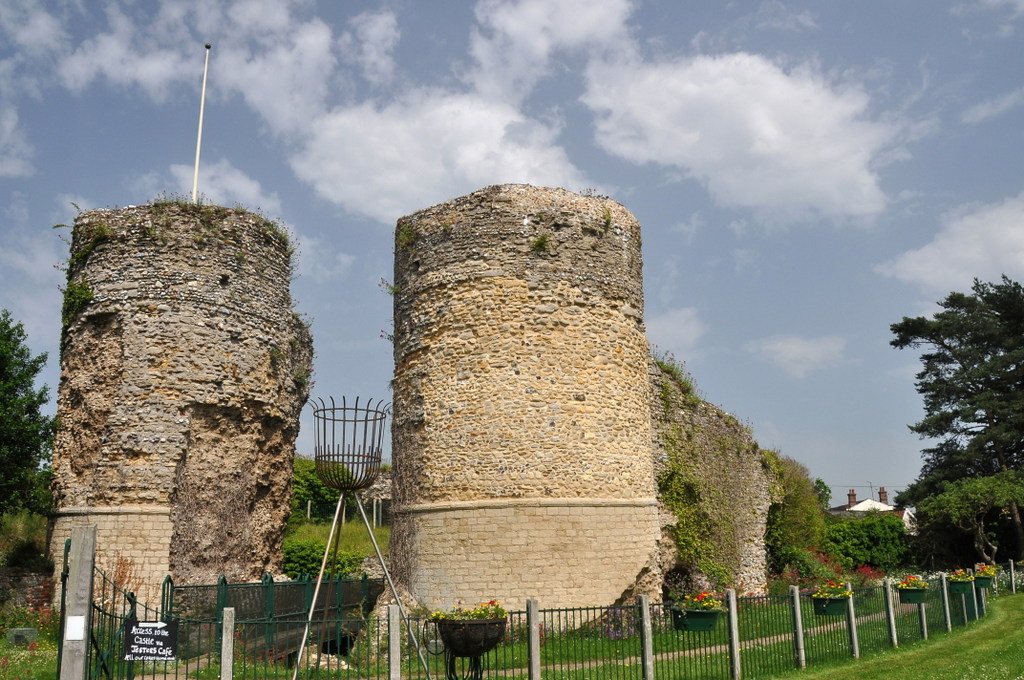
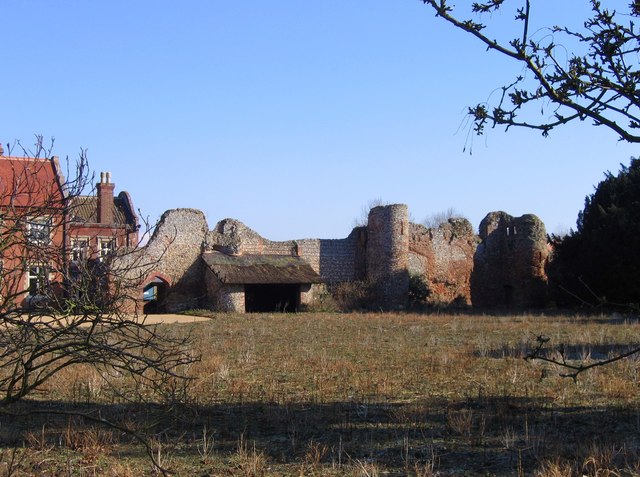
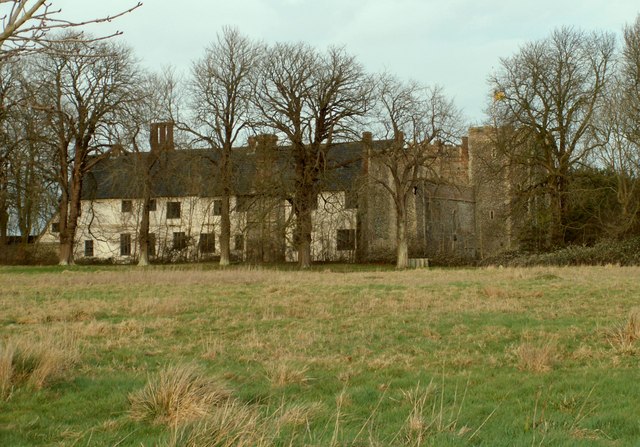
Mettingham Castle is a notable example of a fortified manor house located in the parish of Mettingham in the northern part of the English county of Suffolk. Unlike traditional castles built primarily for military defense, fortified manor houses like Mettingham Castle combined residential comfort with defensive features, reflecting the social status and needs of the medieval English gentry.
Historical background and significance
The origins of Mettingham Castle date back to the medieval period, where it served as a residence for local lords who required both a home and protection. The castle's history is intertwined with the feudal system of England, where landowners fortified their manors to assert control and provide security amidst periods of unrest. While exact construction dates are not definitively recorded, it is understood that the castle was developed primarily during the late medieval period, likely between the 14th and 15th centuries.
During its peak, Mettingham Castle was more than just a defensive structure; it was a symbol of prestige and power within the region. The fortified manor house housed the lord and his family, as well as retainers and servants, within its protective walls. Its defensive features were designed to deter raiders and provide refuge during local conflicts, but it was not intended to withstand prolonged sieges like larger military castles.
Architectural features and layout
Mettingham Castle is characterized by its typical fortified manor house layout, which includes a combination of domestic and defensive elements. The castle was constructed on a slight elevation, consistent with its classification as a hill castle, providing natural advantages for surveillance and defense.
The manor was enclosed by moats and surrounded by earthworks and defensive walls, which were common features to protect the property from attackers. The moat served both as a physical barrier and a status symbol. The main residential buildings were arranged around a central courtyard, providing a secure and organized living space.
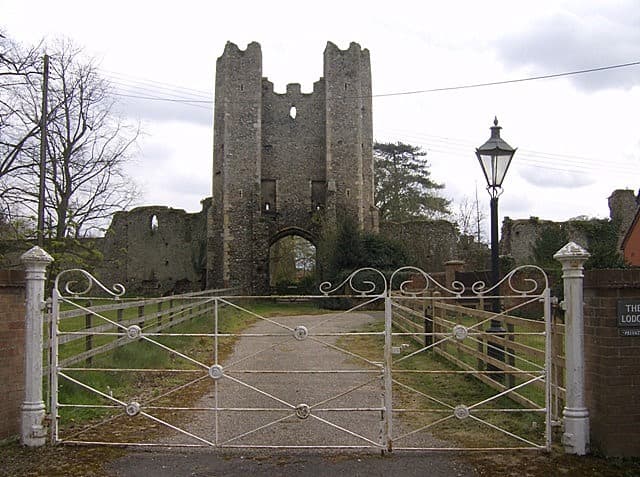
Key architectural elements likely included a to control access, towers or fortified corners for defense, and thick stone walls to resist assault. The interiors would have contained halls, chambers, and service areas typical of a manor house, blending comfort with security. Although much of the original structure is now in ruins, archaeological remains and historical records provide insight into its design and function.
Later history and current condition
Over the centuries, Mettingham Castle underwent changes in ownership and usage, reflecting broader social and political shifts in England. As the need for fortified residences declined with the stabilization of the region and changes in warfare, the castle's defensive role diminished. Parts of the manor were likely adapted for agricultural or residential use, while other sections fell into disrepair.
Today, Mettingham Castle is recognized as a ruined site, with visible earthworks and remnants of stone structures marking its former presence. It remains an important heritage site within Suffolk, attracting interest from historians, archaeologists, and visitors intrigued by medieval architecture and English history.
Visiting Mettingham Castle and its surroundings
While the castle itself is a ruin, the site offers a glimpse into medieval fortified manor house construction and the lifestyle of the English gentry during the late medieval period. Visitors can explore the earthworks and remains, often accompanied by interpretive signage that explains the site's historical context.
The castle's location in Suffolk places it within a region rich in medieval history, with nearby attractions including other historic houses, churches, and countryside landscapes. Although facilities at the site may be limited due to its ruinous state, the surrounding area provides opportunities for walking, photography, and educational visits.
Architectural legacy and cultural importance
Mettingham Castle exemplifies the transitional nature of English medieval architecture, where the need for defense was balanced with residential comfort. Its remains contribute valuable information to the study of fortified manor houses, a building type that played a significant role in England's social and military history.
The castle's preservation as a ruin allows scholars to investigate construction techniques, defensive strategies, and domestic arrangements of the period. It also serves as a cultural landmark within Suffolk, connecting present-day visitors with the medieval past.
Frequently asked questions (FAQ)
- What is Mettingham Castle and where is it located?
- Mettingham Castle is a fortified manor house located in the parish of Mettingham in Suffolk, England. It represents a medieval residence with defensive features typical of the late medieval period.
- Can I visit Mettingham Castle today?
- Yes, visitors can explore the ruins of Mettingham Castle. While the site is largely in ruins, it offers earthworks and structural remnants that provide insight into its historical layout and architecture.
- What architectural features does Mettingham Castle have?
- Mettingham Castle features typical fortified manor house elements such as moats, defensive walls, a gatehouse, and a central courtyard surrounded by residential buildings. These features reflect the balance between defense and domestic comfort.
- When was Mettingham Castle built?
- Mettingham Castle was primarily developed during the late medieval period, likely between the 14th and 15th centuries, although precise construction dates are not definitively recorded.
- Why was Mettingham Castle fortified?
- The castle was fortified to provide protection for the lord and his household during periods of local unrest and to assert social status. Its defensive features were designed to deter raiders rather than withstand prolonged sieges.
Photo gallery

Information
Loading map...
Visitor reviews
No reviews yet. Been here? Write the first review and help other travelers!
Write the first reviewVisited this castle? Share your experience
Your review helps other travelers and adds first-hand knowledge to our encyclopedia.