Bungay Castle
Bungay Castle, also historically known as Bigod Castle, is a significant Norman motte-and-bailey hill castle located in the town of Bungay, Suffolk, England. Constructed initially in the early 12th century, the castle occupies a naturally defensible position beside a sharp bend in the River Waveney, utilizing the river as a natural moat on one side. This strategic location exemplifies medieval military planning, combining natural and man-made defenses to protect the stronghold.
The castle was founded around 1103 by Roger Bigod of Norfolk, a prominent Norman knight who established the original wooden fortifications typical of the period. These early earthworks and timber structures formed the foundation for what would become a substantial stone fortress. The transition from wood to stone began circa 1140 under Hugh Bigod, 1st Earl of Norfolk, Roger’s son, marking a significant architectural evolution that reflected the growing importance and permanence of the site.
Norman origins and architectural evolution
The initial phase of Bungay Castle's construction was typical of Norman military architecture: a motte-and-bailey design with a raised earthwork (motte) topped by a wooden keep, surrounded by a protective bailey enclosed by a palisade. This design allowed for rapid construction and effective defense during the turbulent years following the Norman Conquest.
From 1140 onwards, Hugh Bigod initiated a major rebuilding campaign, replacing wooden structures with durable stonework. The centerpiece of this phase was the construction of a large square stone keep on the motte, completed around 1165. This keep was a formidable defensive and residential structure, embodying the Romanesque architectural style characteristic of Norman castles, with thick walls, narrow windows, and a commanding presence.
The keep's significance and design
The keep at Bungay was one of the largest and most expensive Norman keeps built in England during the 12th century. Contemporary estimates suggest the investment would equate to several million pounds today, underscoring the castle’s strategic and symbolic importance. The keep served as the last line of defense and a residence for the Bigod family, featuring multiple floors, strong defensive walls, and limited access points to enhance security.
Historical context and military events
Bungay Castle played a notable role during the turbulent period known as The Anarchy (1138–1154), a civil war between supporters of King Stephen and Empress Matilda. Hugh Bigod initially sided against King Stephen, leading to the temporary confiscation of the castle. Upon Henry II’s accession, the castle was returned to Hugh in 1163/4, who then undertook the significant stone building projects.
During the Revolt of 1173–1174, Hugh Bigod again rebelled against Henry II. The castle was besieged by royal forces employing undermining tactics, an advanced siege technique aimed at collapsing walls by tunneling underneath. Though the castle sustained some damage and was deliberately slighted to reduce its military threat, it survived largely intact. The Bigods were fined heavily but retained possession after restoration.
Later medieval developments and decline
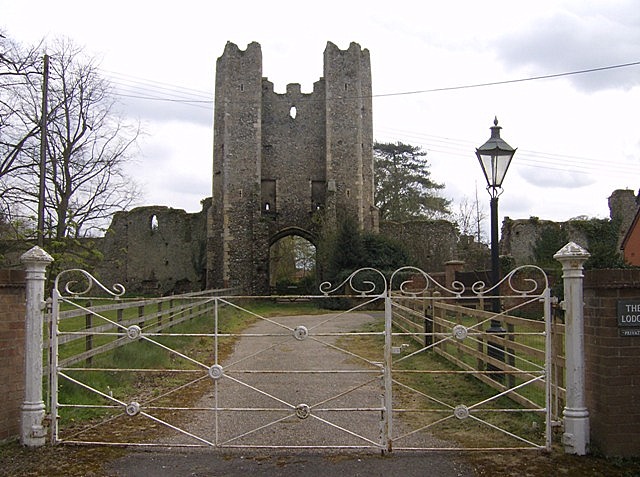
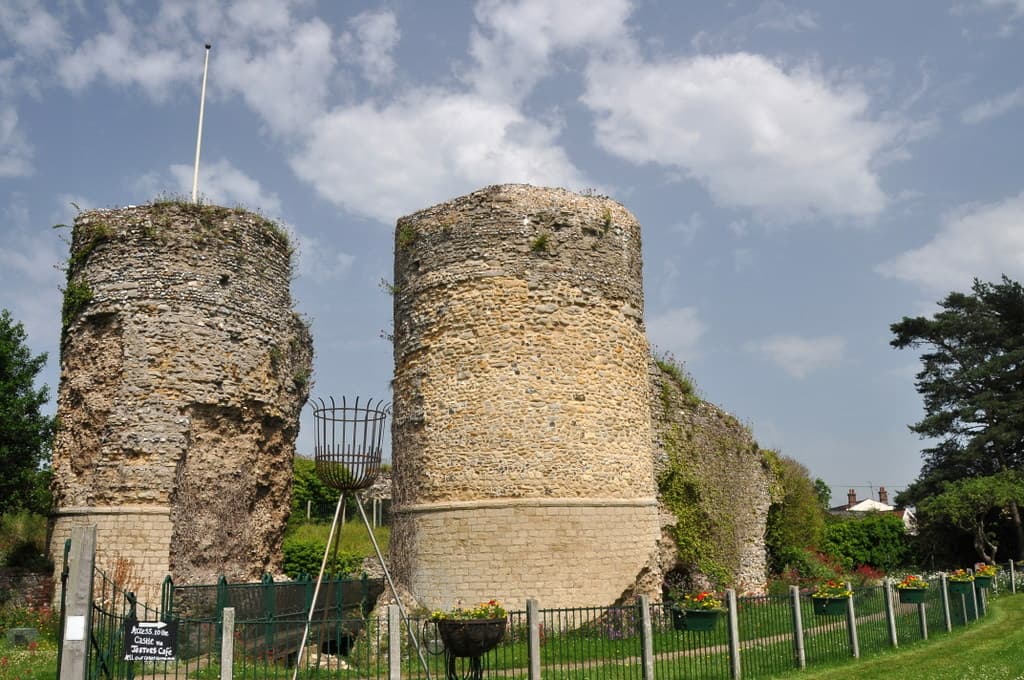
By the late 13th century, the castle had suffered neglect and partial ruin. In 1294, Roger Bigod, 5th Earl of Norfolk, initiated restoration efforts, likely constructing the imposing twin gatehouse towers and reinforcing the curtain walls surrounding the keep. These additions reflected advances in medieval fortification design, emphasizing controlled access and enhanced defense against siege weaponry.
Following Roger Bigod’s death in 1297, the castle reverted to the Crown and gradually fell into disrepair. By 1382, it was described as "old and ruinous," marking the beginning of centuries of decline. Ownership passed through various hands, including the Dukes of Norfolk from 1483, but the castle was no longer maintained as a military stronghold.
Post-medieval history and preservation
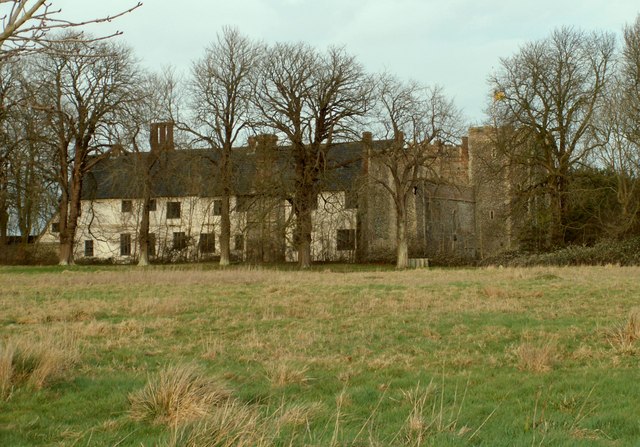
In the 18th century, parts of the castle, including the keep and curtain walls, were quarried for road-building materials, causing significant loss of original fabric. By the 19th century, residential buildings had been constructed within the castle grounds, reflecting the site's changing function. These dwellings were removed by 1834 to preserve the ruins.
Archaeological interest in Bungay Castle grew in the 20th century, with early excavations led by Leonard Cane and later by archaeologist Hugh Braun in the 1930s. These efforts helped stabilize the ruins and clarified the castle’s layout and historical phases. The site was among the earliest to be legally protected under the Ancient Monuments Consolidation and Amendment Act of 1913 and was designated a Grade I listed building in 1949.
In 1987, ownership transferred from the Norfolk family to the town of Bungay, with the Bungay Castle Trust managing preservation and public access. As of mid-2024, the castle is temporarily closed for repairs, with plans to reopen when restoration is complete.
Architectural remains and visitor experience
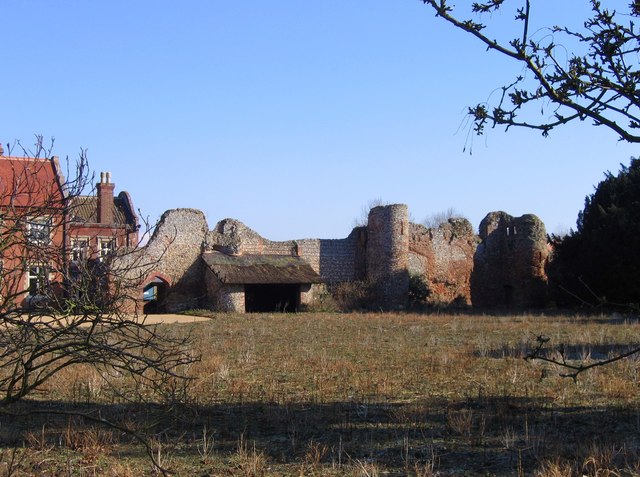
Today, visitors to Bungay Castle can explore the well-defined ruins that include the remains of the massive Norman keep, substantial sections of the curtain walls, and the striking twin gatehouse towers dating from the late 13th century. These features offer a vivid glimpse into medieval defensive architecture and the castle’s historical evolution.
The castle’s location on a flat hill approximately 11 meters above sea level, adjacent to the River Waveney, provides a scenic setting that enhances understanding of its strategic importance. The surviving structures demonstrate the castle’s role as both a military fortress and a noble residence over several centuries.
Despite centuries of damage and stone-robbing, the castle’s ruins remain a compelling heritage site, reflecting the complex history of Norman and medieval England. The site is accessible to the public, offering educational opportunities and a tangible connection to England’s feudal past.
Frequently asked questions (FAQ)
- How do I visit Bungay Castle?
- Bungay Castle is located in Castle Orchard, Bungay, Suffolk. Visitors can explore the ruins freely, but as of mid-2024, the site is temporarily closed for repairs. It is advisable to check local information before planning a visit.
- What is the historical significance of Bungay Castle?
- Bungay Castle is a prime example of Norman military architecture with a rich history spanning from the 12th century. It played a key role during The Anarchy and the Revolt of 1173-1174, reflecting England's medieval conflicts and feudal power struggles.
- What architectural features remain at Bungay Castle?
- The castle retains the remains of its large Norman stone keep, substantial curtain walls, and the impressive twin gatehouse towers from the late 13th century, showcasing medieval defensive design.
- Is Bungay Castle accessible for visitors with mobility issues?
- As a ruin with uneven terrain and partial structures, Bungay Castle may present challenges for visitors with mobility issues. It is recommended to contact the managing trust for specific accessibility information.
- When is the best time to visit Bungay Castle?
- The castle is best visited during spring and summer months when the weather is favorable for exploring outdoor ruins. Checking for any scheduled closures or events is recommended before visiting.
Photo gallery

Information
Address
Castle Orchard, Bungay, Suffolk, England
Loading map...
Visitor reviews
No reviews yet. Been here? Write the first review and help other travelers!
Write the first reviewVisited this castle? Share your experience
Your review helps other travelers and adds first-hand knowledge to our encyclopedia.