Iran's Ancient Fortress of the Assassins
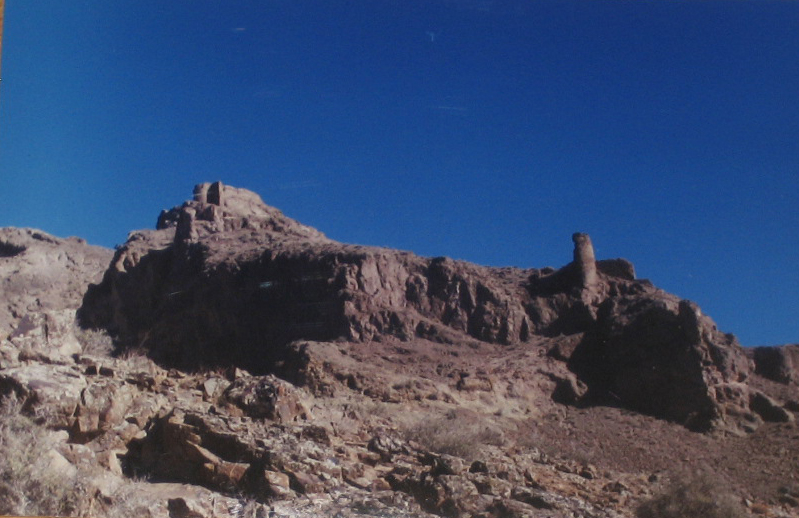
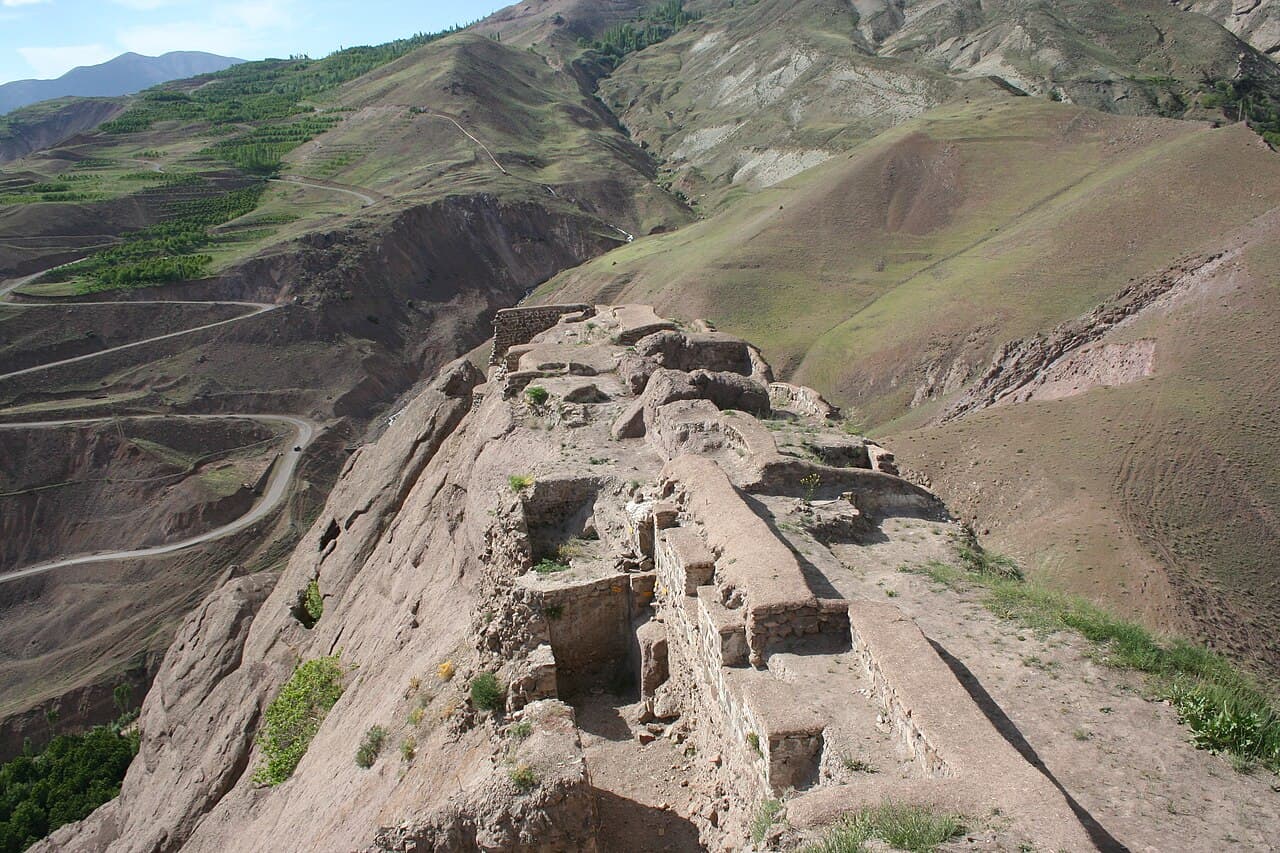
Alamut Castle stands as a remarkable testament to medieval military architecture and the turbulent history of the Islamic world. Perched at an elevation of over 6,800 feet in the rugged terrain of the Alamut Valley near Roudbar, Iran, this fortress was originally constructed in the ninth century. Its strategic location atop a steep cliff made it nearly impregnable, with a single winding entrance path that deterred would-be conquerors. This natural and architectural fortification exemplifies the ingenuity of early medieval defensive design.
The castle is most famously associated with Hassan-i Sabbah, an influential leader of the Ismaili Shia sect during the late 11th century. In 1090 A.D., Hassan-i Sabbah seized control of Alamut Castle through a combination of cunning strategy and diplomacy, reportedly purchasing the fortress from its previous owner without bloodshed. This event marked the beginning of Alamut’s transformation into the headquarters of the legendary group known as the Assassins, a secretive and formidable faction that played a significant role in the politics and conflicts of the region.
Architectural design and defensive features
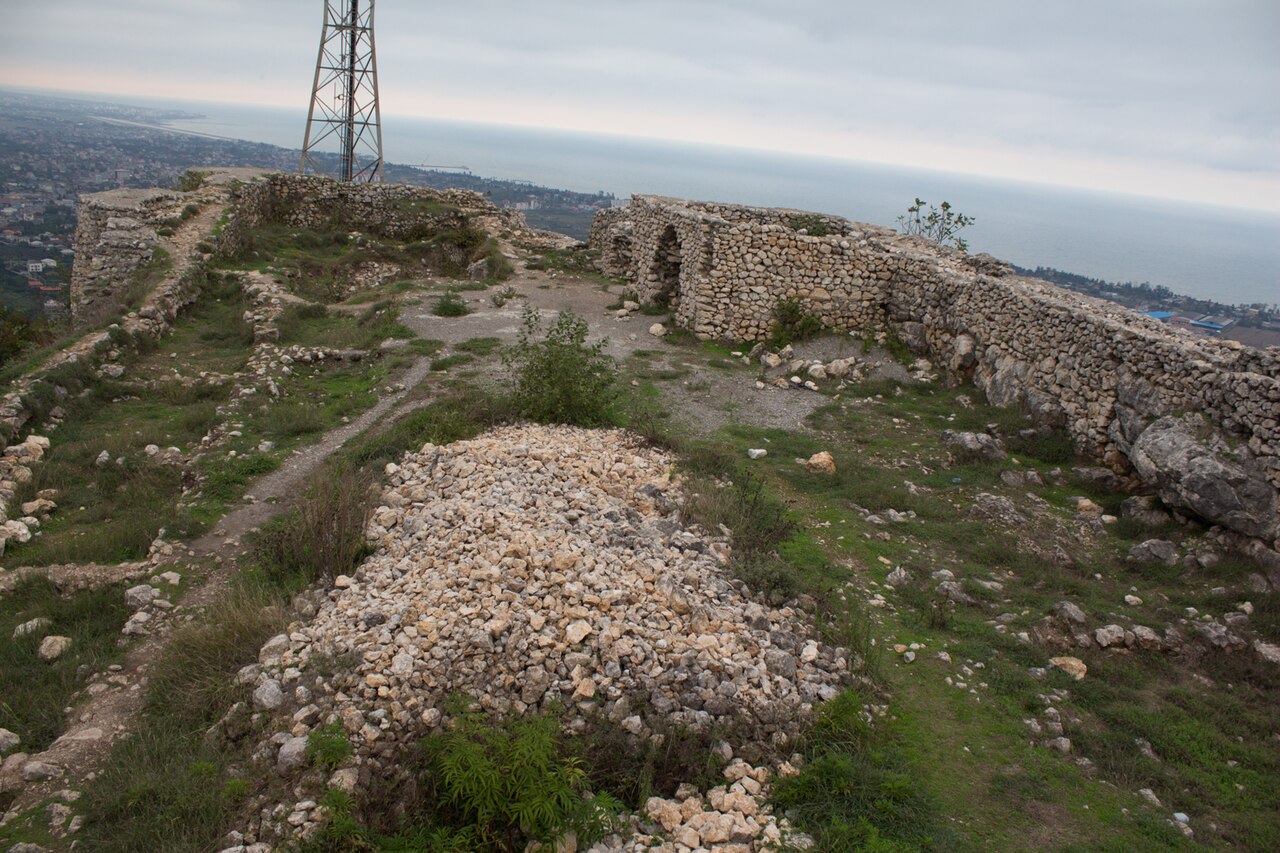
The fortress’s design capitalized on its natural geography, making it a bastioned fortress that was difficult to assault. The single narrow entrance was designed to be easily defensible, winding around the cliff face to prevent surprise attacks. The walls were thick and robust, with battlements and towers that provided vantage points for surveillance and defense. The castle’s water supply system was ingeniously engineered, featuring an advanced irrigation network that sustained its inhabitants and agricultural terraces, crucial for withstanding long sieges.
The castle layout
The fortress complex included multiple courtyards, living quarters, storage rooms, and a library that became renowned for its extensive collection of manuscripts. The library housed works on astronomy, mathematics, philosophy, and alchemy, reflecting the intellectual pursuits encouraged by Hassan-i Sabbah and his followers. This emphasis on knowledge and learning distinguished Alamut from many other military fortresses of the period.
The historical significance of Alamut Castle
Alamut Castle served as the epicenter of the Assassins’ network, who were known for their covert operations and political influence across the Middle East during the High Medieval period. The Assassins used the fortress as a base to train their members and plan missions that shaped regional power dynamics. Their reputation as skilled and ruthless operatives has been immortalized in both historical records and popular culture.
Despite its formidable defenses, Alamut eventually fell to the invading forces of the Mongols in 1256, marking the end of the Assassins’ dominance. However, the castle’s legacy endures as a symbol of strategic military architecture and the cultural achievements of the Ismaili community.
Preservation and current condition
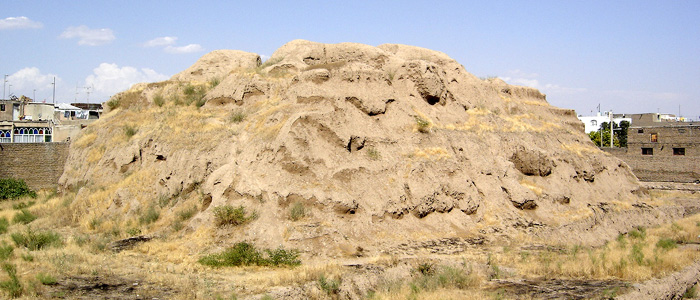
Today, Alamut Castle stands as partially preserved ruins, attracting historians, archaeologists, and tourists interested in its dramatic history and architectural ingenuity. The site offers insight into medieval fortress construction techniques and the socio-political context of the Islamic world during the Middle Ages. Visitors can explore the remnants of the walls, towers, and terraces that once formed a thriving stronghold.
Visiting Alamut Castle
The castle is located in the Alamut region of Qazvin Province, accessible via hiking trails that traverse the surrounding mountainous landscape. Due to its elevation and rugged terrain, visitors should prepare for a physically demanding visit. The site is open seasonally, with the best times to visit during spring and autumn when the weather is mild and the natural scenery is at its most striking.
Frequently asked questions
- How do I get to Alamut Castle? The castle is reachable by road to the nearby village of Gazor Khan followed by a hike up the mountain trails. It is recommended to hire a local guide for safe navigation.
- What is the historical importance of Alamut Castle? It was the stronghold of the Assassins under Hassan-i Sabbah, playing a crucial role in medieval Islamic history and military strategy.
- Is Alamut Castle accessible year-round? Access can be limited in winter due to snow and harsh weather; spring and autumn are the best seasons for visits.
- Can I see the original library at Alamut? The library no longer exists, but the site’s ruins indicate its former location and significance.
- Are there guided tours available? Local guides offer tours that provide historical context and highlight architectural features of the fortress.
Frequently asked questions (FAQ)
- What is the historical significance of Iran's Ancient Fortress of the Assassins?
- The fortress, known as Alamout Castle, was the stronghold of the Nizari Ismailis during the medieval period and played a crucial role in their resistance against larger empires. It is famous for its association with the legendary figure Hassan-i Sabbah, who led the Assassins. The fortress symbolizes a unique chapter in Islamic history, showcasing the complexities of power, belief, and political intrigue.
- When was Iran's Ancient Fortress of the Assassins built?
- The fortress was built in the 9th century but gained prominence in the late 11th century when it became the headquarters of the Nizari Ismailis. Its strategic location atop a mountain provided an impregnable defense against invaders. Over the centuries, it has witnessed numerous historical events that shaped the region.
- How do I get to Iran's Ancient Fortress of the Assassins?
- The fortress is located in the Alamout Valley, approximately 100 kilometers from Tehran. Visitors can reach it by car or bus, with several travel agencies offering guided tours. The journey offers stunning views of the surrounding mountains and valleys, enhancing the overall experience.
- What are the opening hours for visiting the fortress?
- Iran's Ancient Fortress of the Assassins is typically open to visitors from sunrise to sunset. However, it is advisable to check for any seasonal changes or specific holiday hours before planning your visit. Guided tours are also available, providing deeper insight into the history and architecture of the site.
- Can I explore the fortress on my own?
- Yes, visitors can explore the fortress independently, but guided tours are recommended for a more comprehensive understanding of its history and significance. The terrain can be challenging in some areas, so having a guide can enhance safety and navigation. Additionally, a guide can share fascinating stories that you might miss on your own.
- Is it possible to take photographs inside the fortress?
- Yes, photography is permitted inside Iran's Ancient Fortress of the Assassins, allowing visitors to capture the stunning architecture and breathtaking views. However, it's important to respect the site's rules and the privacy of other visitors. Be sure to check for any specific guidelines regarding photography during your visit.
- What is the best time to visit the fortress?
- The best time to visit the fortress is during the spring (March to May) and autumn (September to November) when the weather is mild and pleasant. Summers can be hot, while winters may bring snow, making some areas difficult to access. Visiting during these peak seasons also allows you to enjoy the beautiful natural scenery surrounding the fortress.
- Are there any nearby attractions to visit?
- Yes, there are several nearby attractions, including the stunning natural landscapes of the Alborz mountain range and the historical town of Qazvin. Visitors can also explore other significant sites related to the Nizari Ismailis in the region. Combining your visit to the fortress with these nearby sites can enhance your understanding of the area's rich history.
- What are the ticket prices for visiting Iran's Ancient Fortress of the Assassins?
- Ticket prices for the fortress are generally affordable, making it accessible for most visitors. Exact prices may vary, so it's advisable to check local listings or the official website for the most current information. Discounts may also be available for students and groups, enhancing the affordability of your visit.
Photo gallery

Information
Loading map...
Visitor reviews
No reviews yet. Been here? Write the first review and help other travelers!
Write the first reviewVisited this castle? Share your experience
Your review helps other travelers and adds first-hand knowledge to our encyclopedia.