Orsic Castle
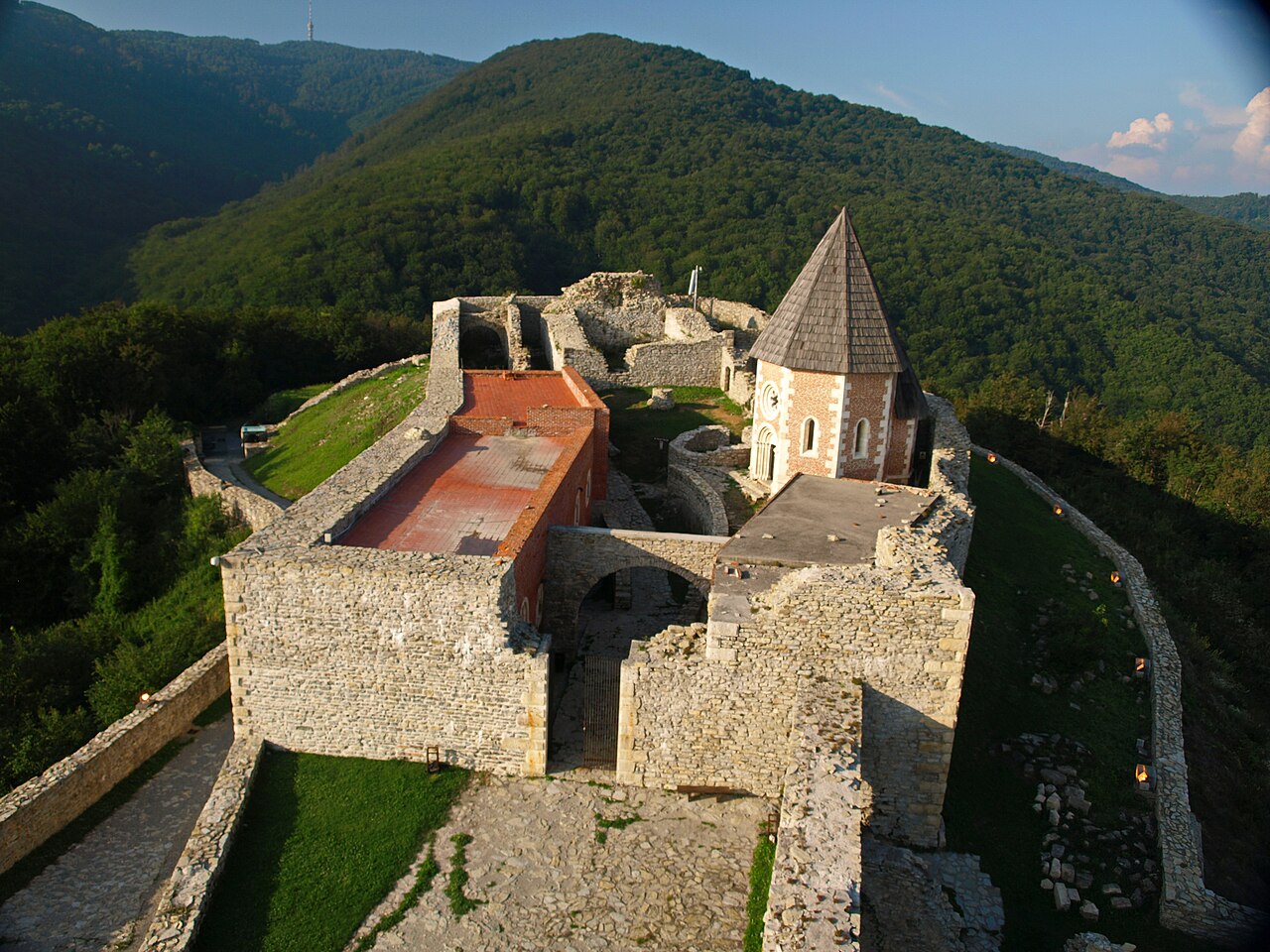
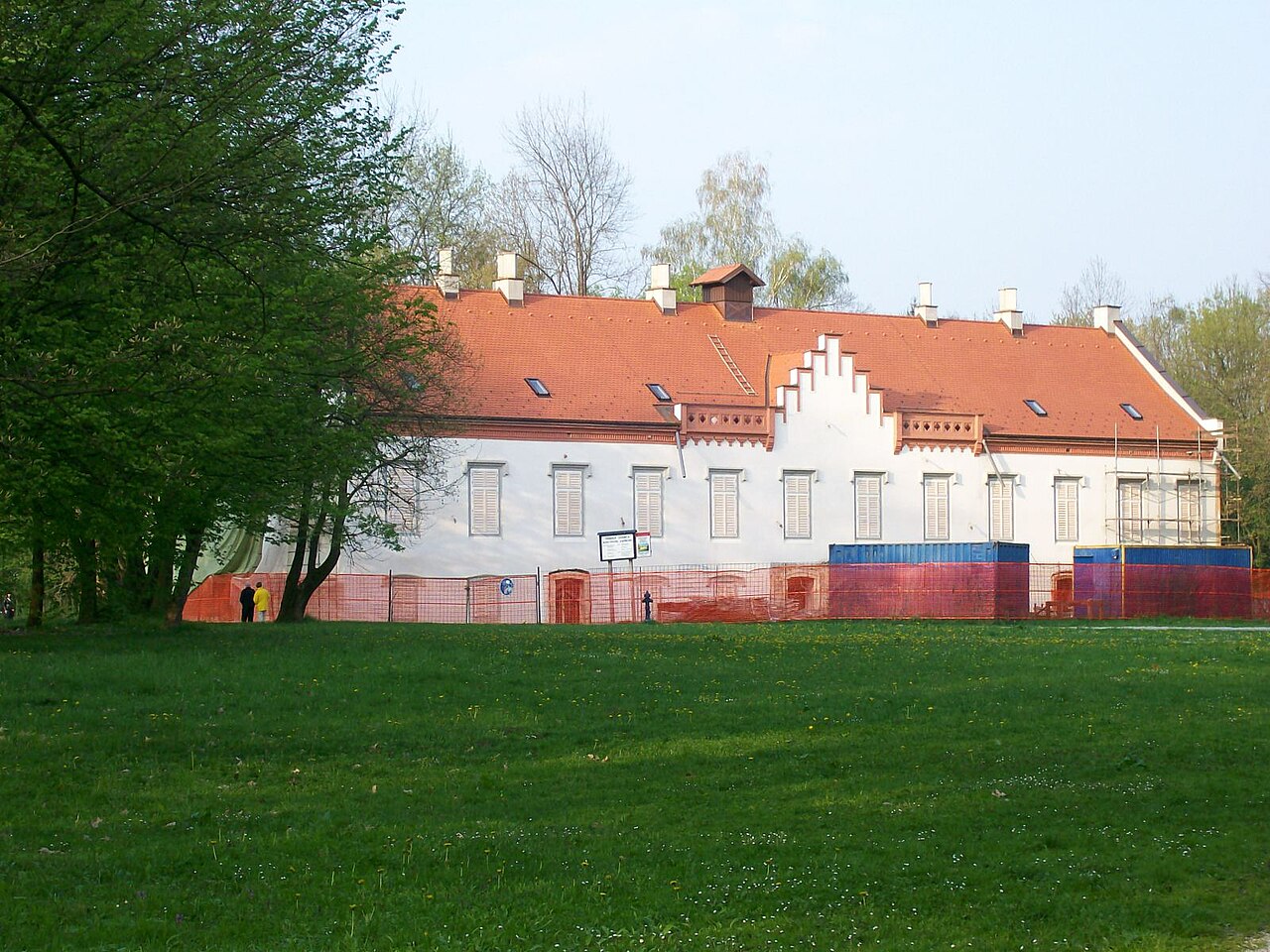
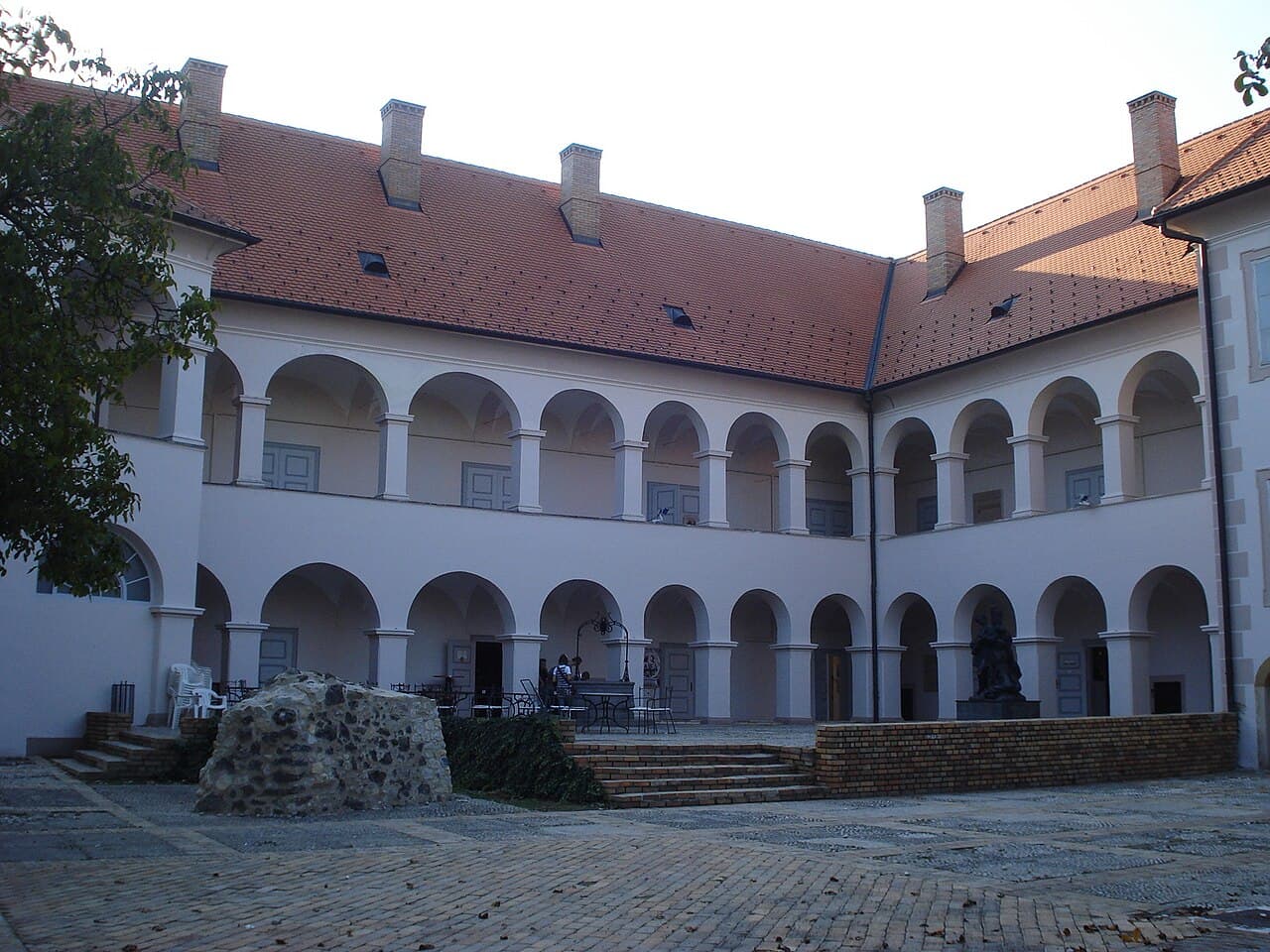
Orsic Castle, located in Gornja Stubica, Croatia, is a historic hill castle built in 1756 by Croatian count Krsto Oršić (1718–1782). It stands on the site of a previous medieval fortress, reflecting a complex architectural evolution from the Middle Ages through the Post-Renaissance period. The castle's design features an L-shaped ground plan with two wings open to the backyard side through elegant arcades aligned along a corridor. The exterior facade is restrained and symmetrical, with rhythmically placed windows and rustic corner details, characteristic of the era's noble residences.
Architectural evolution and styles
The castle's construction integrates elements from several architectural periods, including Gothic, Renaissance, and Baroque influences, visible in its structure and decorative details. Originally a medieval fortress with a Gothic center and a guard tower, Orsic Castle underwent multiple renovations and expansions between the 16th and 18th centuries. These phases contributed to the castle's transformation into a spacious noble residence, reflecting the tastes and needs of its owners over centuries.
Following a significant earthquake in the 19th century, a classicist porch was added, featuring a tympanum supported by Doric columns, which introduced a neoclassical element to the castle's facade. Inside, visitors can find a well-preserved chapel adorned with illusionist murals and a richly illustrated Baroque altar, highlighting the castle's religious and cultural significance.
Historical significance and ownership
The castle was the feudal residence of the prominent Oršić family until the last members relocated in 1924. The Oršić family was influential in Croatian history, owning multiple castles, palaces, and estates across the region, including Gornja Bistra at Zaprešić, Slavetić at Jastrebarsko, Jurketinec at Varaždin, and palaces in Zagreb and Varaždin. This extensive property portfolio underscores their status and wealth during the feudal period.
After the family moved out, parts of the castle served various community functions, including a primary school and a local peasant cooperative society. At the end of the 1960s and the beginning of the 1970s, Orsic Castle was thoroughly renovated and repurposed as the Museum of the Peasants' Revolt. This museum commemorates the tragic 1573 Peasants' Revolt that took place in the region, providing historical context and artifacts related to this significant event in Croatian history.
The peasants' revolt and memorial park
Surrounding the castle is a park that features a monumental sculpture dedicated to the Peasants' Revolt and its leader, Matija Gubec. This monument was created by the renowned Croatian sculptor Antun Augustinčić, adding cultural and historical value to the site. The park offers visitors a contemplative space to reflect on the region's turbulent past and the struggle of the peasantry against feudal oppression.
Additional historical context from Slavetić region
In the nearby Slavetić region, known for its orchards, vineyards, and flower fields, lies another castle associated with the Oršić family. This castle is situated on a hill opposite the parish church of St Antony the Loner (Sv Antun Pustinjak), dating from 1600. The old town in this area was first mentioned in 1294 and passed through various owners before coming into Oršić possession in 1468. It remained with the family until 1869 when it was acquired by Levin Rauch.
This complex reflects a layered history with construction phases spanning the Gothic, Renaissance, and Baroque periods. The castle features a shared inner courtyard surrounded by several buildings serving different functions. Above the entrance, the year 1639 is inscribed, marking a significant construction or renovation phase. Inside, visitors can find a preserved 17th-century kiln, a fireplace with consoles, and valuable portraits that offer insight into the castle's historical interior.
Current status and visitor information
Today, Orsic Castle is well preserved and serves as a museum dedicated to local history, particularly the Peasants' Revolt. The castle's architecture, combined with its historical exhibitions, attracts visitors interested in Croatian cultural heritage. The surrounding park and monument provide additional points of interest for tourists. The castle remains an important cultural landmark in the Gornja Stubica region.
Frequently asked questions (FAQ)
- When was Orsic Castle built and by whom?
- Orsic Castle was built in 1756 by Croatian count Krsto Oršić on the site of a previous medieval fortress.
- What architectural styles are present in Orsic Castle?
- The castle features a blend of Gothic, Renaissance, Baroque, and Classicist architectural elements due to its various construction phases.
- What is the significance of the Museum of the Peasants' Revolt housed in the castle?
- The museum commemorates the 1573 Peasants' Revolt, a tragic event in Croatian history, and displays related artifacts and exhibits.
- Is there a monument associated with the Peasants' Revolt near the castle?
- Yes, there is a large monument in the castle park dedicated to the Peasants' Revolt and its leader Matija Gubec, created by sculptor Antun Augustinčić.
- Can visitors explore the castle's chapel?
- Yes, the castle's chapel is well preserved and features illusionist murals and a baroque altar, open to visitors.
Photo gallery

Information
Current owner
Municipality
Loading map...
Visitor reviews
No reviews yet. Been here? Write the first review and help other travelers!
Write the first reviewVisited this castle? Share your experience
Your review helps other travelers and adds first-hand knowledge to our encyclopedia.