Medjidi Tabia Fortress
The Medjidi Tabia Fortress is a significant bastioned fortress located in Silistra, Bulgaria, constructed between 1841 and 1853. It was designed by the renowned German military engineer Helmuth von Moltke, who surveyed the site during his 1837 visit. The fortress was named after Sultan Abdulmejid I, who inspected the construction in 1847, lending his name to the structure as Majidi Tabia.
Strategic importance and historical context
The fortress was built during a period of intense military modernization within the Ottoman Empire, aimed at strengthening defenses along the Danube River frontier. Its location in Silistra was critical for controlling access to the Danube and defending against incursions from the north. The fortress's construction reflects the 19th-century military architectural trends, incorporating bastioned fortifications designed to withstand artillery sieges.
Architectural design and features
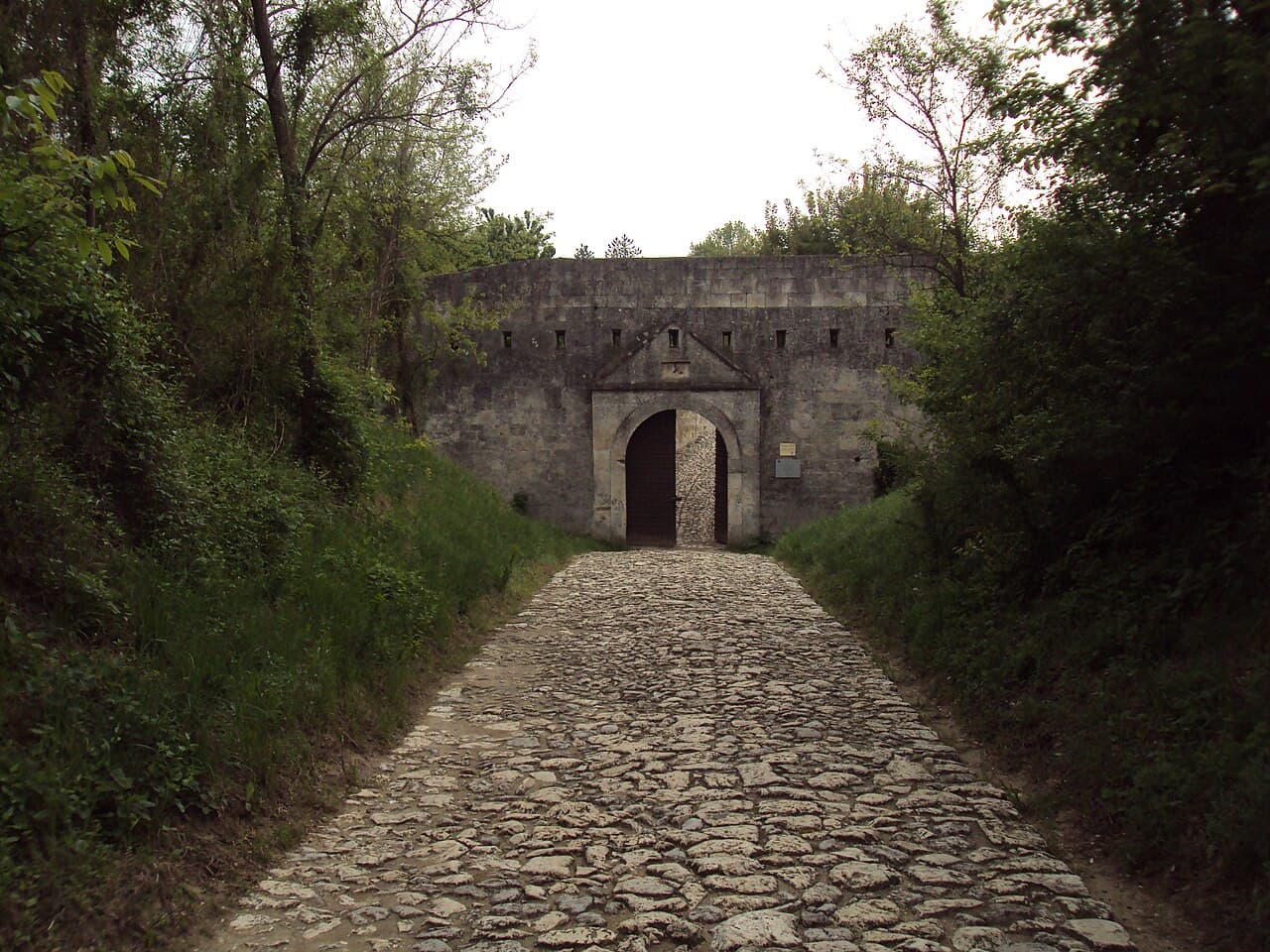
Medjidi Tabia is characterized by its bastioned layout, which includes angular bastions projecting outward from the curtain walls to provide overlapping fields of fire. This design was a departure from medieval castle styles, embracing modern principles of fortification to counter artillery threats. The fortress features thick, sloped walls built to absorb and deflect cannon fire, and a complex system of moats and earthworks that enhanced its defensive capabilities.
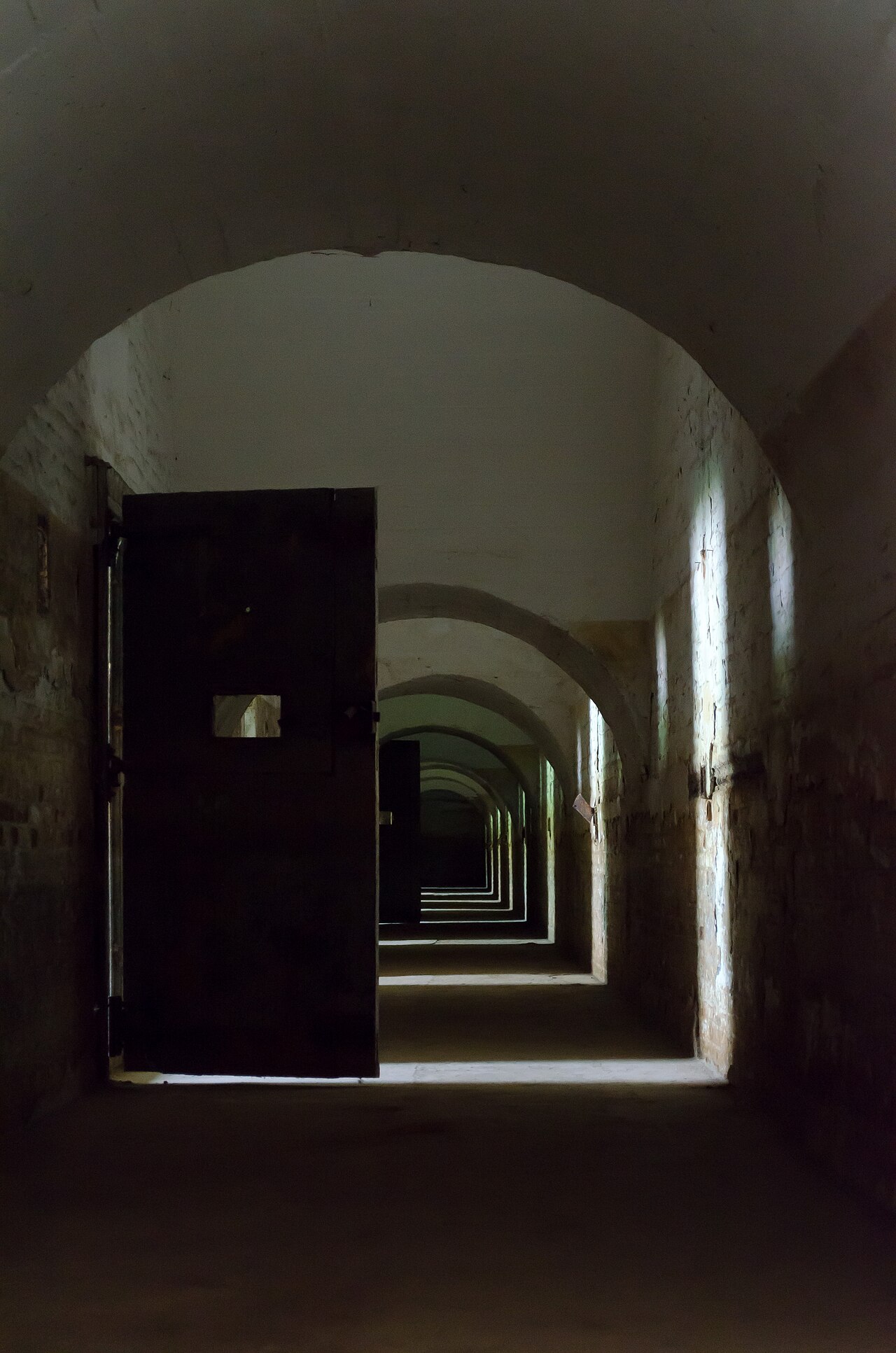
The internal layout included barracks, ammunition depots, and command posts, all arranged to support a garrison capable of sustained defense. The fortress's walls are punctuated by embrasures and firing positions optimized for muskets and cannons.
The siege of Silistria during the Crimean War
In 1854, the fortress gained historical prominence during the Crimean War when it withstood a prolonged month-long siege by Russian forces. The Siege of Silistria was a key episode in the conflict, demonstrating the fortress's strategic value and the effectiveness of its modern bastioned design. Despite intense bombardment and assaults, the defenders held out, contributing to the eventual failure of the Russian campaign in the region.
Later history and current status
Following its military use, the fortress gradually lost strategic importance as warfare evolved and borders shifted. Today, Medjidi Tabia Fortress is preserved as a museum, offering visitors insight into Ottoman military architecture and the historical events of the mid-19th century. The site includes exhibitions on the Crimean War and the fortress's role in regional defense.
The fortress remains in well-preserved condition, with much of its original structure intact, including bastions, walls, and internal buildings. Its preservation allows for detailed study of 19th-century bastioned fortifications and serves as a cultural landmark in Silistra.
Visiting information and cultural significance
Visitors to Medjidi Tabia Fortress can explore the extensive fortifications and learn about the military engineering innovations of the era. The museum provides educational programs and guided tours that highlight the fortress's architectural features and historical context.
The fortress stands as a reminder of the Ottoman Empire's military efforts to modernize its defenses and the turbulent history of the Danube frontier during the 19th century. It is an important cultural heritage site in Bulgaria, attracting historians, architecture enthusiasts, and tourists interested in military history.
Frequently asked questions (FAQ)
- What is the historical significance of Medjidi Tabia Fortress?
- Medjidi Tabia Fortress played a crucial role during the Crimean War, notably withstanding the month-long Siege of Silistria in 1854, demonstrating its strategic importance on the Danube frontier.
- How can I visit Medjidi Tabia Fortress?
- The fortress is open to visitors year-round with guided tours available. It is located in Silistra, Bulgaria, and offers educational exhibits on its military history and architecture.
- What architectural style is Medjidi Tabia Fortress built in?
- The fortress is designed in a bastioned style typical of 19th-century military engineering, featuring angular bastions and thick walls to resist artillery attacks.
- When was Medjidi Tabia Fortress constructed?
- Construction of the fortress took place between 1841 and 1853, based on plans by German engineer Helmuth von Moltke.
- Is Medjidi Tabia Fortress well preserved?
- Yes, the fortress is in well-preserved condition, with many original structures intact, allowing visitors to appreciate its historical and architectural significance.
Photo gallery

Information
Current owner
Municipality of Silistra
Loading map...
Visitor reviews
No reviews yet. Been here? Write the first review and help other travelers!
Write the first reviewVisited this castle? Share your experience
Your review helps other travelers and adds first-hand knowledge to our encyclopedia.