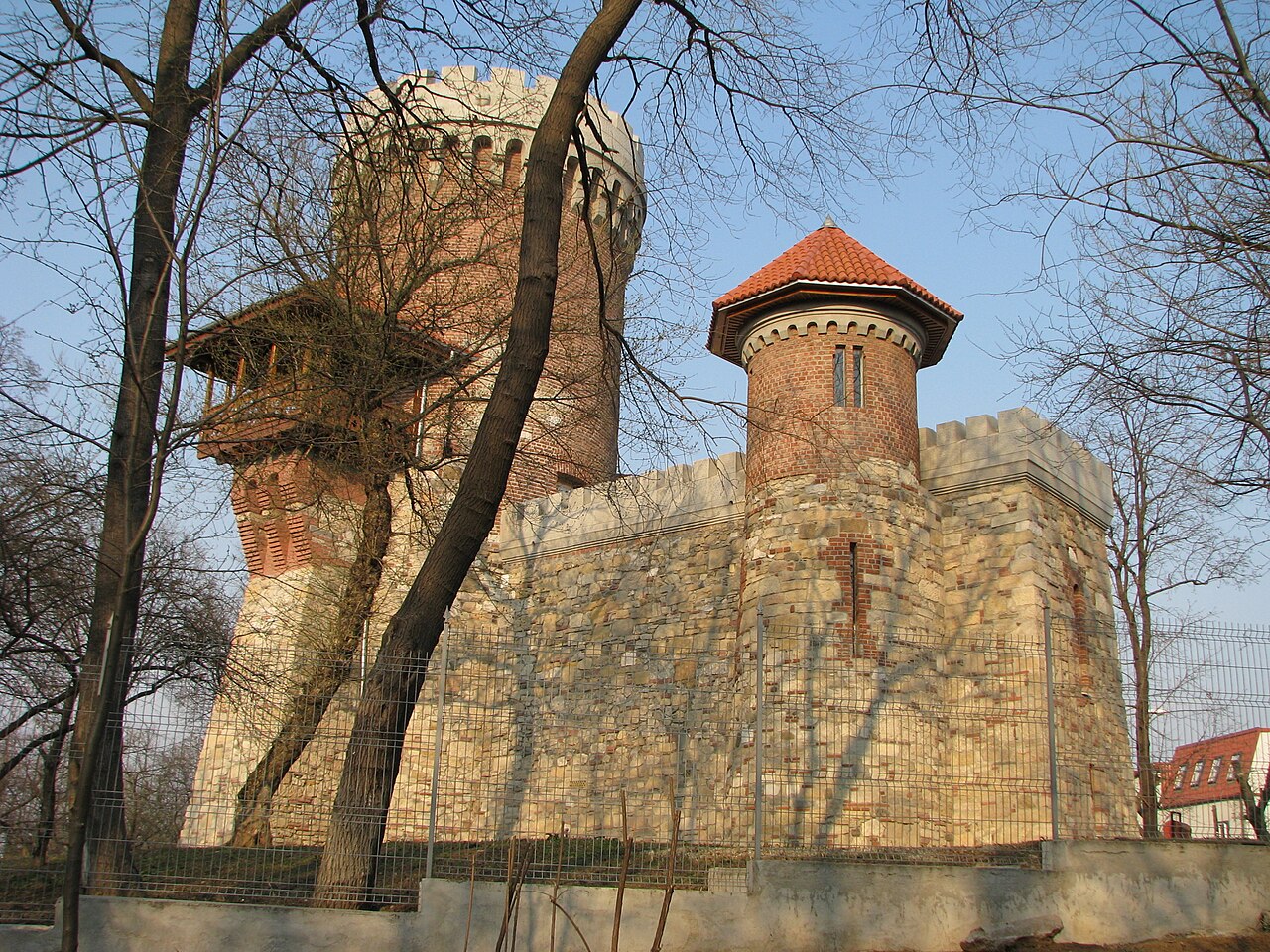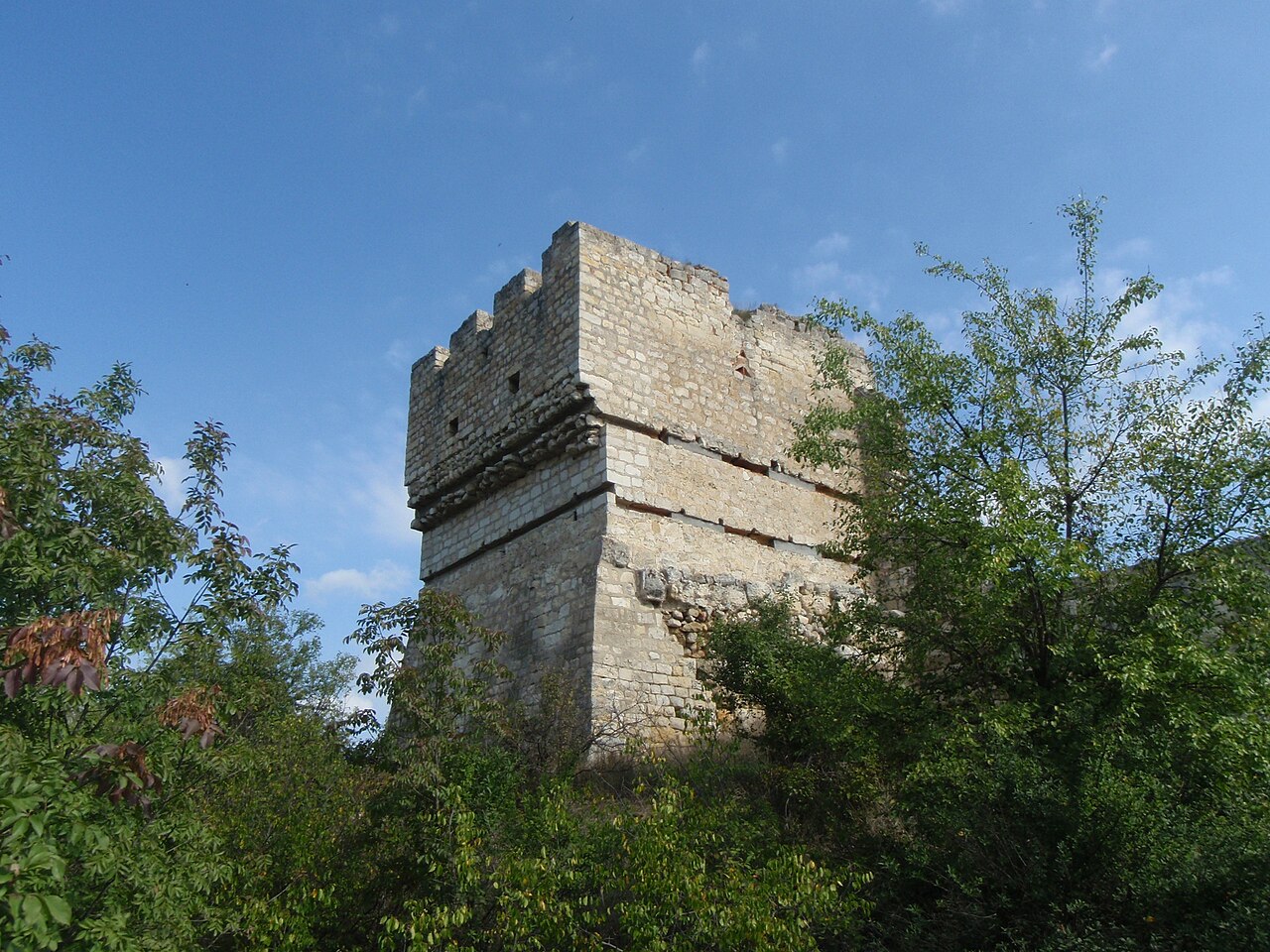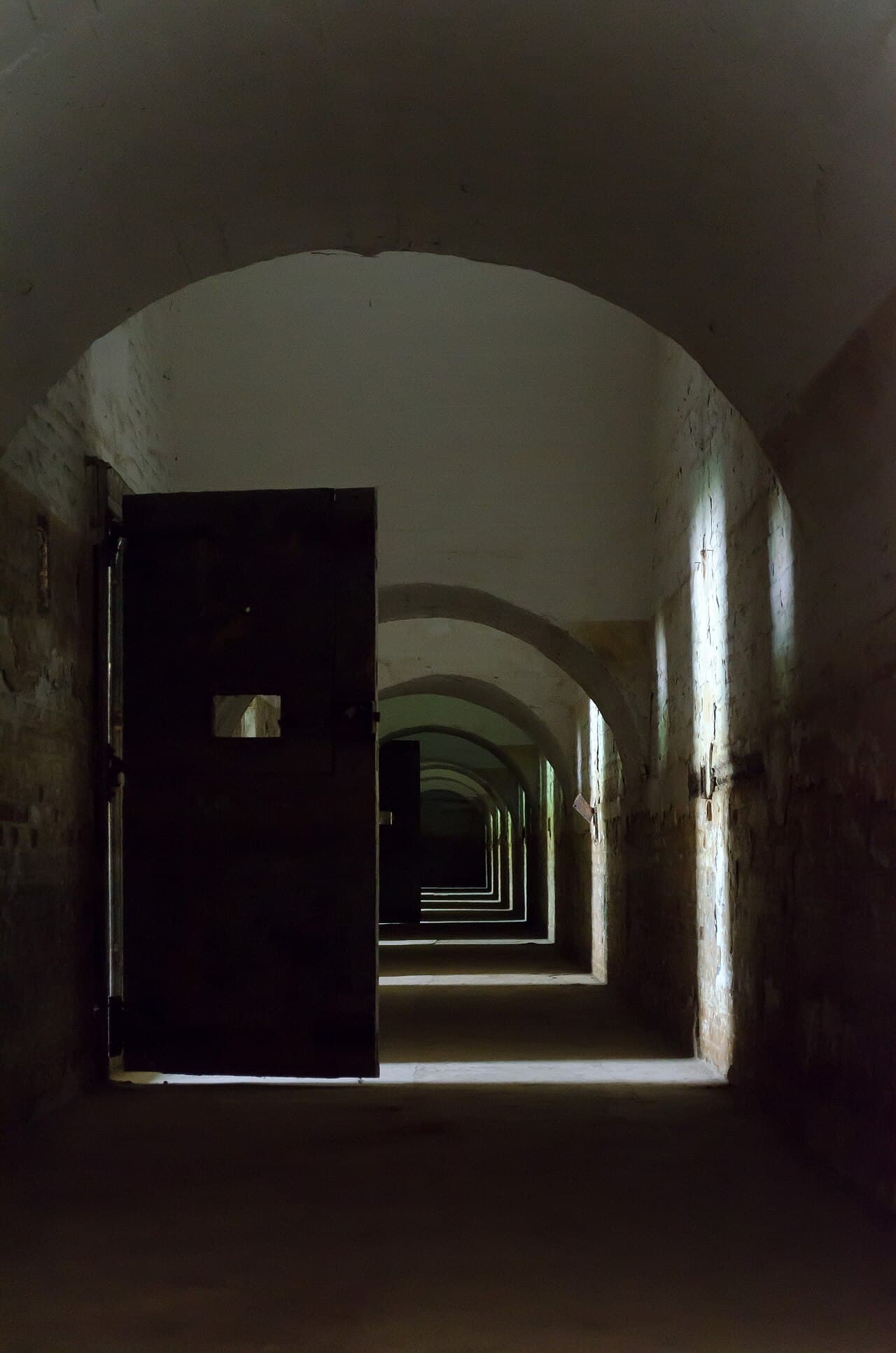
Fort 13 Jilava
Fort 13 Jilava is a significant example of a bastioned fortress constructed in the late 19th century as part of the defensive system surrounding Bucharest, Romania. It represents a critical phase in military architecture when fortifications evolved to resist artillery advances and to protect important urban centers.
Historical context and strategic importance
Built between 1883 and 1890, Fort 13 Jilava was one of several forts forming the Bucharest Fortress Ring. This ring consisted of multiple forts designed to defend the capital city against potential invasions, particularly from the Ottoman Empire and other regional powers. The fort's location near the village of Jilava was strategically chosen to control key access routes leading into Bucharest from the south.
The construction of Fort 13 was part of Romania's efforts to modernize its military defenses following its independence from the Ottoman Empire in 1877. The fort played a role in the military history of Romania during the late 19th and early 20th centuries, including World War I and World War II, although it saw limited direct combat action.
Architectural features and design
Fort 13 Jilava is characterized by its bastioned design, a style that integrates angled bastions projecting outward from the main walls to provide overlapping fields of fire and eliminate blind spots. This design was influenced by the principles of Vauban-style fortifications but adapted to the technological advancements of the time.
The fort's walls were constructed using thick masonry and concrete to withstand artillery bombardment. It features a moat surrounding the perimeter, which served as a defensive obstacle against infantry assaults. The moat was often dry but could be flooded if needed.
The interior of the fort included barracks, ammunition depots, command posts, and other essential military facilities. The layout was designed to support a garrison capable of sustained defense, with secure communication lines and protected firing positions.
Defensive structures
The bastions were equipped with artillery emplacements designed to cover all approaches. The fort's entrance was heavily fortified with a gate complex including drawbridges and guardhouses. The walls included casemates—vaulted chambers used for artillery and troop shelter.
Later history and current condition
After World War II, Fort 13 Jilava lost much of its military significance due to changes in warfare and the development of new defense technologies. The fort was eventually decommissioned and fell into a state of partial neglect.
Today, Fort 13 Jilava is classified as a partially preserved bastioned fortress. Some of its structures remain intact, while others have deteriorated. It is not generally open to the public, but it attracts interest from historians, military enthusiasts, and conservationists.
Efforts have been made to document and preserve the fort as part of Romania's cultural heritage. Its architecture provides valuable insight into late 19th-century military engineering and the historical context of Romania's national defense strategy.
Significance in Romanian military architecture
Fort 13 Jilava exemplifies the transition in fortress design from medieval castles to modern bastioned fortifications adapted to artillery warfare. It reflects the broader European trend of the 19th century, where fortresses were constructed with thick walls, angled bastions, and internal facilities to support prolonged defense.
The fort is part of the larger network of Bucharest's defensive forts, which collectively illustrate Romania's strategic military planning during a period of geopolitical uncertainty. Its preservation helps scholars understand the evolution of military architecture in Eastern Europe.
Frequently asked questions (FAQ)
- What is Fort 13 Jilava and where is it located?
- Fort 13 Jilava is a bastioned fortress near Bucharest, Romania, built in the late 19th century as part of the city's defensive ring.
- When was Fort 13 Jilava constructed?
- The fort was constructed between 1883 and 1890 as part of Romania's efforts to strengthen its military defenses.
- What architectural style characterizes Fort 13 Jilava?
- Fort 13 Jilava features a bastioned design influenced by Vauban-style fortifications, adapted for artillery defense.
- Is Fort 13 Jilava open to the public?
- The fort is not generally open to the public, but it is of interest to historians and military architecture enthusiasts.
- What is the current condition of Fort 13 Jilava?
- Fort 13 Jilava is partially preserved, with some structures intact and others deteriorated due to decommissioning and neglect.
Photo gallery

Information
Loading map...
Visitor reviews
No reviews yet. Been here? Write the first review and help other travelers!
Write the first reviewVisited this castle? Share your experience
Your review helps other travelers and adds first-hand knowledge to our encyclopedia.