Torre Cera
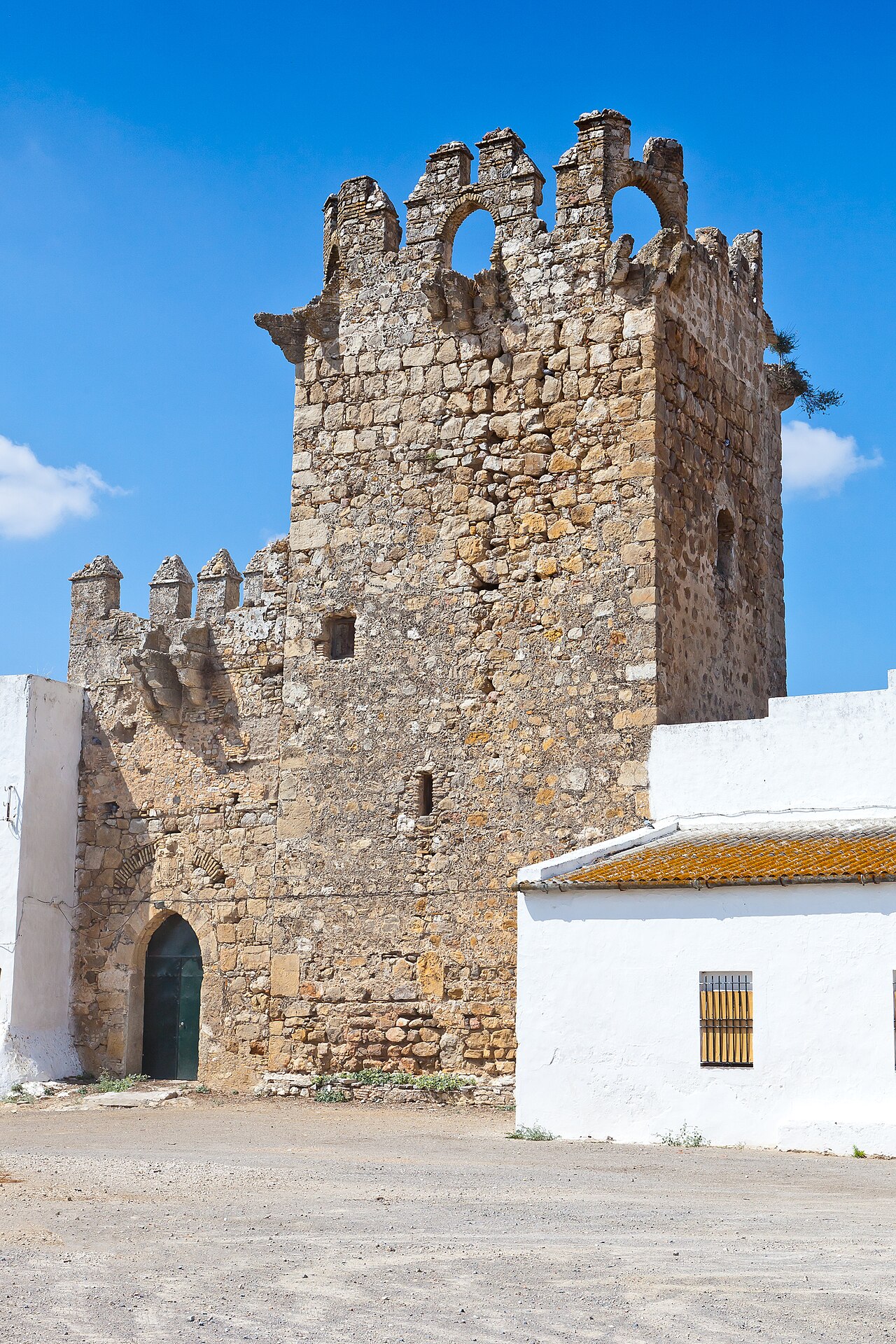
Torre Cera is a notable medieval watchtower located in the municipality of Jerez de la Frontera, within the province of Cádiz, Spain. Constructed in the 12th century, the tower was built during a period marked by the overlapping influence of Muslim and Christian powers on the Iberian Peninsula. Its primary function was strategic surveillance and territorial control, making it an integral component of the defensive network securing this contested region.
Historical significance and context
The construction of Torre Cera coincided with the High Medieval era, a time of intense military and political activity in southern Spain. Following the Christian reconquest led by King Alfonso X in the 13th century, the tower's importance increased as it became part of a broader fortification system designed to consolidate Christian control over the newly acquired territory. The tower overlooked the surrounding landscape, including the economically valuable Salinas de Fortuna salt flats, which were critical resources for the local economy.
Ancient roots and cultural layers
Archaeological research suggests that the site of Torre Cera may have been occupied long before the medieval period. Some historians associate the region with ancient place names such as "Xera" and "Ceret," indicating earlier settlements or cultural layers beneath or near the medieval tower. This implies a continuum of human occupation and strategic use of the hilltop location.
Significantly, a prehistoric cylindrical idol dating back approximately 5,000 years to the Copper Age (Eneolithic period) was discovered near the tower site. This artifact, now housed in the Archaeological Museum of Jerez de la Frontera, highlights the long-standing human presence in the area and adds depth to the cultural history of the site.
Architectural features and construction
Torre Cera was constructed using traditional materials typical of the 12th century, including lime mortar, sand, stone, and flint. These materials were chosen for their strength and durability, essential for a defensive structure intended to withstand both environmental wear and potential attacks.
The tower was strategically positioned on a prominent hill overlooking the village of Torrecera and the wider Cádiz province. This elevated position allowed for extensive surveillance of the surrounding terrain and control over important routes, enhancing its military utility.
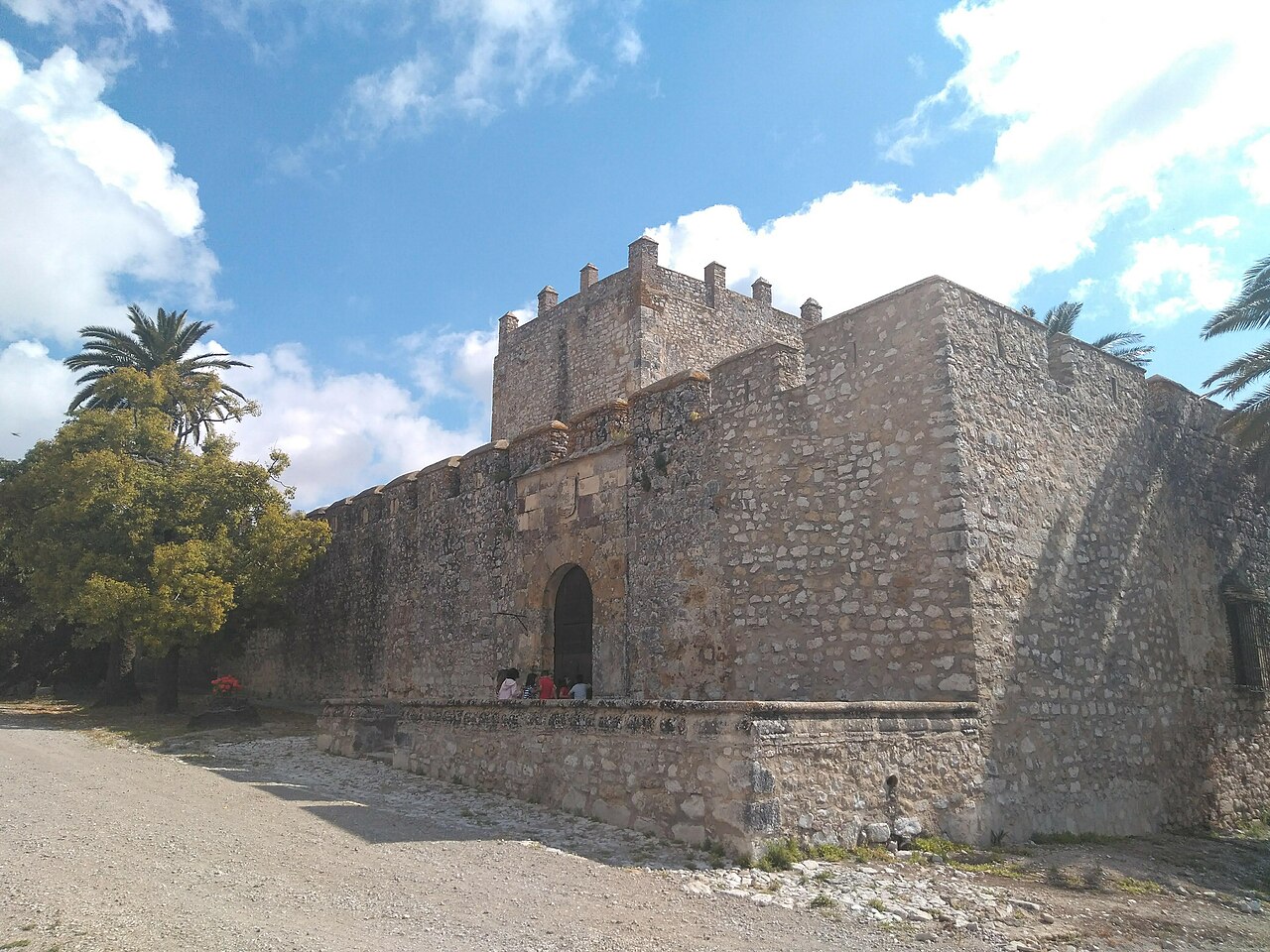
Today, the tower survives only in ruins, with fragments of walls and portions of the original watchtower structure still visible. There is no evidence of significant modifications or rebuilding phases after its initial construction, which preserves its authenticity as a medieval fortification.
Site layout and surrounding environment
The ruins of Torre Cera are situated within the bounds of the Cortijo de Torrecera estate, an area currently known for its wine production. The location's natural features, including the nearby Salinas de Fortuna salt flats, were historically significant for economic reasons and likely influenced the choice of this site for the tower.
The remaining walls and tower base provide visitors with tangible evidence of the tower's original function as a lookout point, controlling access and monitoring movement across the region.
Cultural heritage and preservation
Torre Cera has been officially recognized for its cultural and historical value through its inclusion in the Bien de Interés Cultural registry. This designation ensures the site's protection under Spanish heritage laws and highlights its importance as a monument reflecting the complex history of the region.
The preservation of the ruins, despite their worn condition, allows for ongoing archaeological study and public education about the medieval military architecture and the layered history of human occupation in southern Spain.
Frequently asked questions (FAQ)
- How do I get to Torre Cera?
- Torre Cera is located in Jerez de la Frontera, Spain, and is easily accessible by public transport or car. If you are traveling by train, you can take a local bus or taxi from the Jerez de la Frontera station directly to the castle.
- What is the historical significance of Torre Cera?
- Torre Cera is a 13th-century watchtower that played a crucial role in the defense of Jerez de la Frontera during the Muslim period. It is a testament to the region's rich history and serves as a symbol of the architectural styles that evolved over centuries.
- When was Torre Cera built?
- Torre Cera was constructed in the 13th century, during the time of the Almohad dynasty. Its strategic location provided a vantage point for monitoring potential threats to the city.
- Can I visit Torre Cera year-round?
- Yes, Torre Cera is open to visitors throughout the year, although specific opening hours may vary by season. It is advisable to check the official website or local tourist information for the most up-to-date visiting hours.
- Why is Torre Cera considered an architectural gem?
- Torre Cera showcases unique Moorish architectural elements, including its sturdy structure and intricate details. The tower's design reflects the historical blending of cultures that characterizes the region's heritage.
- Is it possible to access Torre Cera for people with disabilities?
- While Torre Cera aims to be accessible to all visitors, the nature of the historic site may present some challenges. It is recommended to contact the site management in advance to inquire about specific accessibility options.
- What are the ticket prices for visiting Torre Cera?
- The ticket prices for Torre Cera are generally affordable, with discounts available for children, students, and seniors. It's best to check the official site for current pricing and any special offers.
- When is the best time to visit Torre Cera?
- The best time to visit Torre Cera is during the spring and autumn months when the weather is mild, and the tourist crowds are smaller. Visiting during these times allows for a more enjoyable and relaxed experience exploring the castle.
- What nearby attractions can I visit while at Torre Cera?
- Nearby attractions include the Royal Andalusian School of Equestrian Art and the historic city center of Jerez de la Frontera. These sites offer rich cultural experiences and complement your visit to Torre Cera nicely.
Information
Loading map...
Visitor reviews
No reviews yet. Been here? Write the first review and help other travelers!
Write the first reviewVisited this castle? Share your experience
Your review helps other travelers and adds first-hand knowledge to our encyclopedia.