Kanazawa Castle
Kanazawa Castle stands as a significant historic fortress located in Kanazawa, within the Ishikawa region of Japan. Founded in 1580 by Sakuma Morimasa, a retainer of the powerful warlord Oda Nobunaga and nephew of Shibata Katsuie, the castle marks an important chapter in Japan's feudal history. Although Morimasa began the construction of the castle and its surrounding castle town, his defeat and execution by Toyotomi Hideyoshi at the Battle of Shizugatake in 1583 halted his efforts. The castle was subsequently taken over by Maeda Toshiie, an influential ally of Hideyoshi who governed the neighboring Noto province and was granted control over the Kaga province. Under Maeda's stewardship, the castle underwent significant development, becoming the administrative and military center of the prosperous Kaga Domain.
Historical significance and maeda clan rule
The Maeda clan emerged as one of the most powerful and wealthy families during the Azuchi-Momoyama and Edo periods, ruling the Kaga Domain peacefully for 14 generations until the end of the Meiji period. The clan's influence was bolstered by their control of multiple provinces, including Kaga and later Ecchu, granted in 1585, which made them one of the richest daimyo families under the Toyotomi regime. This wealth and stability allowed for the castle's continuous maintenance and expansion over centuries.
Architectural features and castle layout
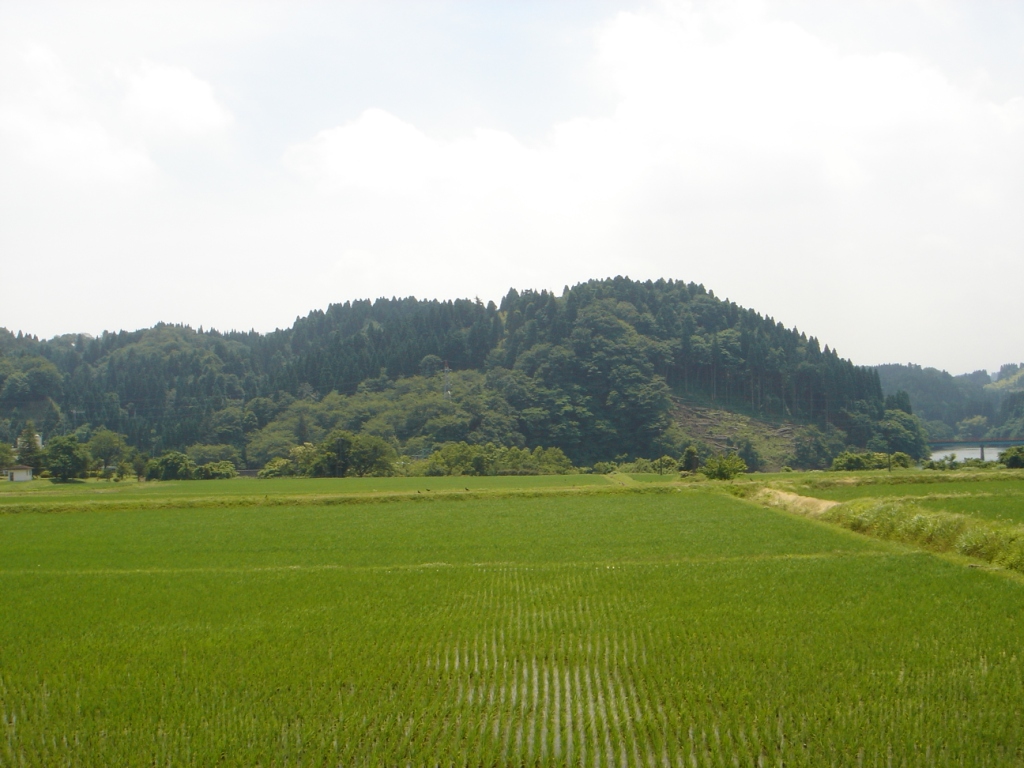
Kanazawa Castle is classified as a hill castle, strategically positioned to oversee and control the surrounding region. The castle originally featured a large six-level main keep (tenshu), an imposing structure that served as both a defensive stronghold and a symbol of the Maeda clan's power. Unfortunately, this main keep was destroyed by fire in 1602 and was never rebuilt, a fate not uncommon among Japanese castles of the era due to frequent fires and changing military needs.
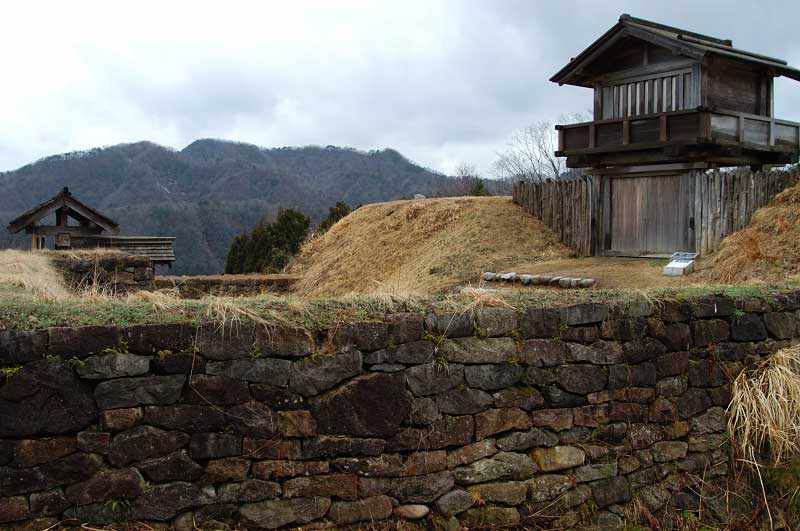
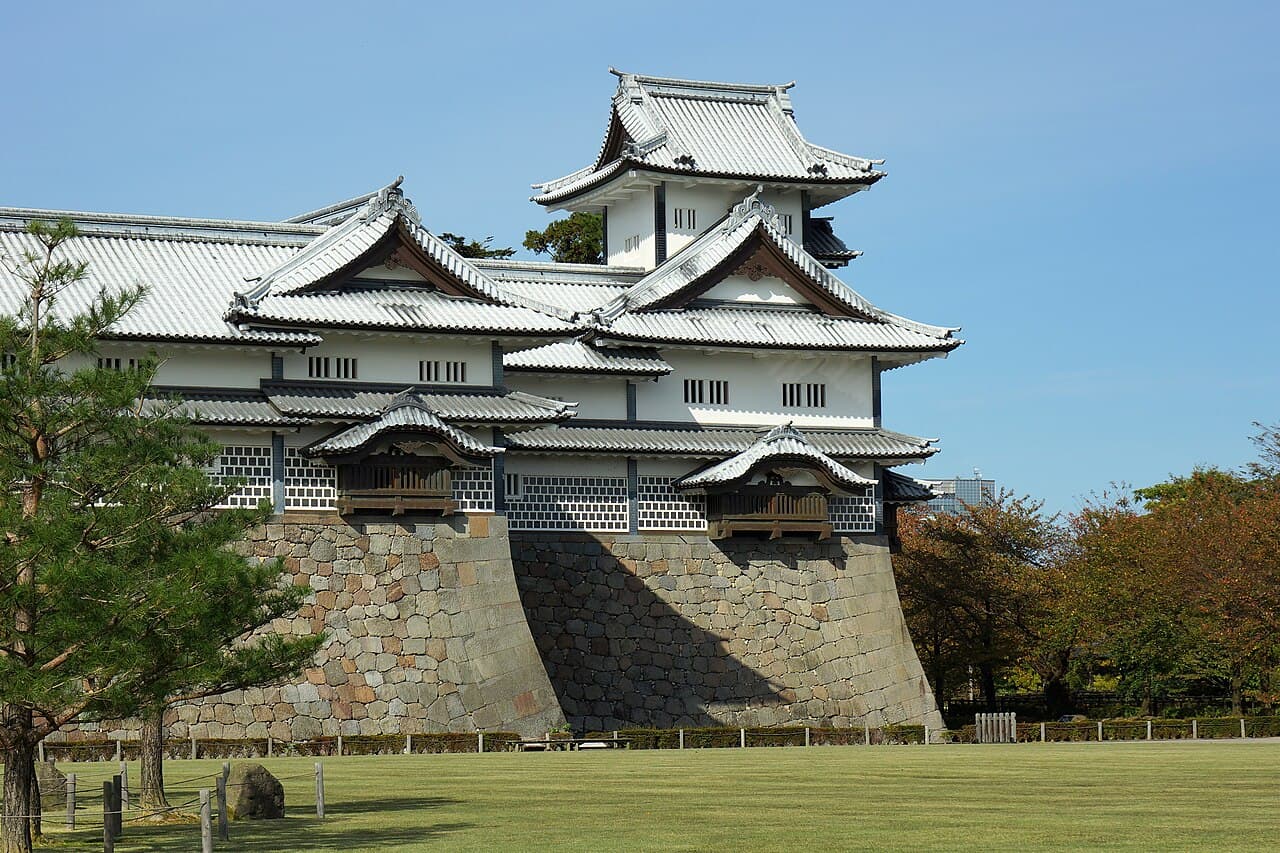
The castle complex is renowned for its extensive and well-preserved stone walls, which demonstrate advanced masonry techniques of the period. These walls, combined with moats and strategically placed gates, formed a formidable defense system. Among the surviving original structures are the Ishikawamon Gate, the Sanjikken Yagura (a turret), and the Tsurumaru Storehouse. These buildings provide valuable insight into the castle's original architectural style and defensive capabilities.
Defensive structures and fortifications
The castle's defenses included multiple layers of walls and gates designed to slow and confuse attackers. The Sogamae defense ruins are remnants of these outer fortifications, illustrating the castle's complex defensive network. The castle also featured various yagura (turrets) that served as watchtowers and platforms for archers and gunners.
Kenrokuen garden and its role
Adjacent to the castle lies the famous Kenrokuen Garden, one of Japan's most celebrated landscape gardens. Established in 1676 at approximately the same elevation as the castle's Honmaru (main bailey), the garden was initially intended as a place for leisure and entertaining guests. Over the next 150 years, it was gradually expanded and refined, becoming a masterpiece of Japanese garden design that harmonizes natural beauty with architectural elements.
Despite its primary function as a garden, Kenrokuen also served a strategic military role. If an enemy managed to penetrate the city's defenses and reach this area, the garden's location made it a suitable site for establishing a forward base for further attacks on the castle. As such, it was lightly fortified and considered a satellite fortification supporting the main castle.
Cultural heritage and current condition
Today, Kanazawa Castle is recognized as a cultural treasure, reflecting centuries of Japanese history, architecture, and garden artistry. While much of the original castle structures were lost to fires over the centuries, the site remains partially preserved with several authentic buildings and extensive stone walls intact. The castle grounds have undergone careful restoration and reconstruction efforts to preserve its historical integrity and provide visitors with an authentic experience.
Visitors to the castle can explore the restored gates, turrets, and storehouses, as well as the adjacent samurai residences that offer a glimpse into the lifestyle of the warrior class. The combination of architectural remains, reconstructed buildings, and the stunning Kenrokuen Garden makes Kanazawa Castle a must-see destination for history enthusiasts and tourists alike.
Visitor experience and exploration
The castle complex is extensive, and thorough exploration can take several days. Enthusiasts can wander through the castle's expansive grounds, admire the impressive stone walls, and visit the samurai homes that have been preserved or reconstructed nearby. The castle's rich history and architectural significance are complemented by the beautiful natural surroundings and the tranquil atmosphere of Kenrokuen Garden.
Kanazawa Castle's blend of historical architecture, military significance, and cultural beauty offers a comprehensive insight into Japan's feudal era and the legacy of the Maeda clan. It remains a symbol of regional pride and a testament to the enduring heritage of Japanese castle construction and garden design.
Frequently asked questions (FAQ)
- How do I get to Kanazawa Castle?
- You can reach Kanazawa Castle by taking a train to Kanazawa Station, which is well-connected to major cities in Japan. From the station, it's a short bus ride or a pleasant 20-minute walk to the castle grounds.
- What is the historical significance of Kanazawa Castle?
- Kanazawa Castle dates back to the 16th century and was the seat of the Maeda clan, one of the most powerful feudal lords in Japan. The castle played a crucial role in the political landscape of the region and is an essential part of Kanazawa's cultural heritage.
- When was Kanazawa Castle built?
- Construction of Kanazawa Castle began in 1580 and continued over the following decades to expand its grandeur. The castle has undergone numerous renovations and reconstructions, especially after being damaged by fires and wars.
- Can I enter the castle’s interior?
- Yes, visitors can access certain areas of Kanazawa Castle, including the main keep and various gates. However, please note that some sections may have restricted access due to preservation efforts.
- Why is Kanazawa Castle a popular tourist destination?
- Kanazawa Castle is popular for its beautiful architecture, stunning gardens, and rich history. Its picturesque setting and well-preserved structures make it an ideal spot for history enthusiasts and photographers alike.
- Is it possible to visit Kanazawa Castle year-round?
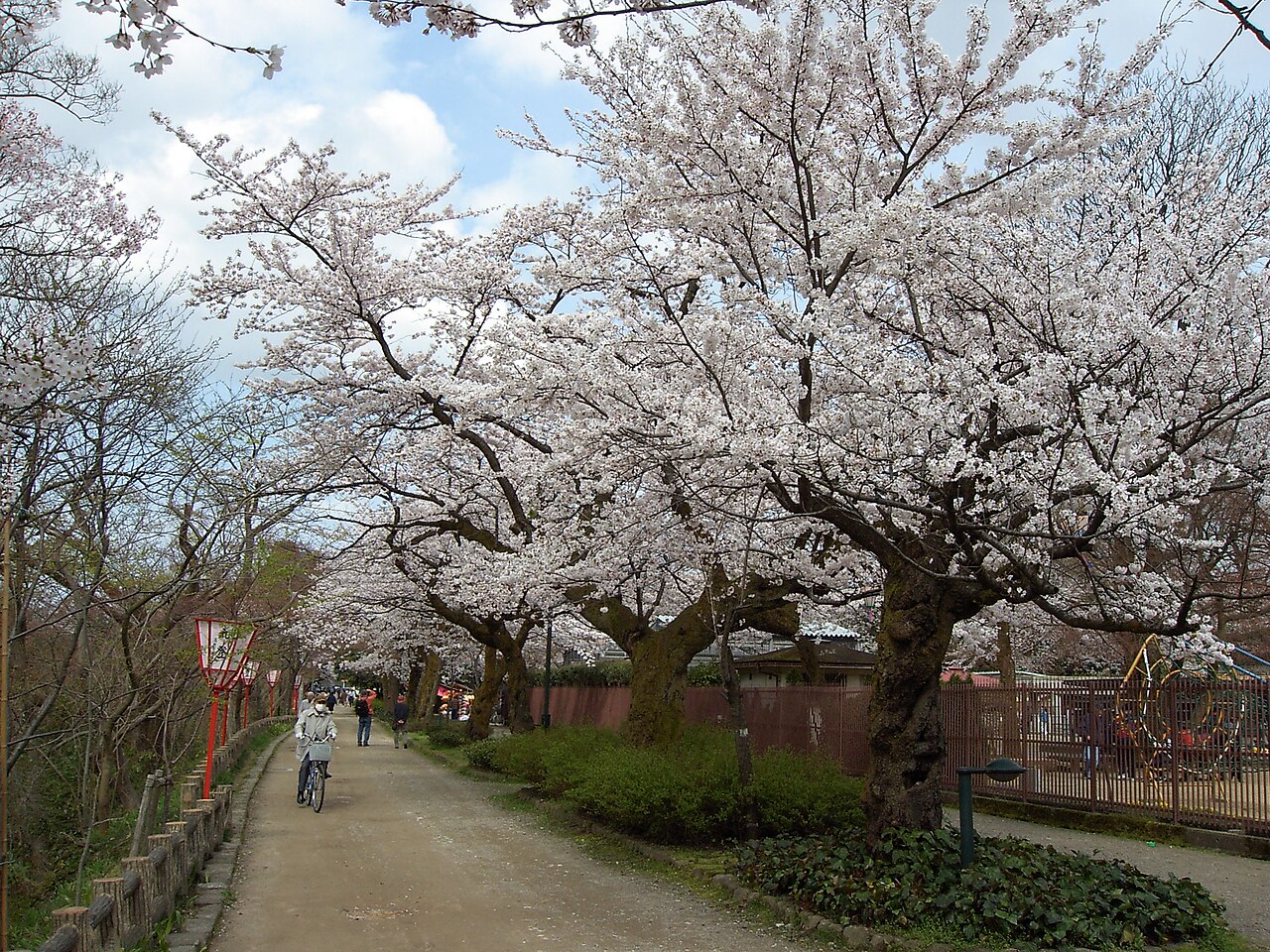
- Yes, Kanazawa Castle is open to visitors throughout the year, offering different experiences depending on the season. Each season showcases unique natural beauty, especially with cherry blossoms in spring and vibrant foliage in autumn.
- What are the opening hours of Kanazawa Castle?
- Kanazawa Castle typically opens at 7:00 AM and closes at 6:00 PM, but hours may vary by season. It's recommended to check the official website for any updates or changes before your visit.
- What are the ticket prices for Kanazawa Castle?
- Entry to the castle grounds is generally free, but there may be a fee for accessing specific buildings. Prices are typically reasonable, allowing visitors to explore this historical site without a significant financial burden.
- What are some nearby attractions to Kanazawa Castle?
- Nearby attractions include Kenrokuen Garden, which is one of Japan’s three most beautiful gardens, and the 21st Century Museum of Contemporary Art. These sites complement the historical experience of Kanazawa Castle and offer a full day of exploration.
Photo gallery

Information
Opening hours
Park open 7am to 6pm (March 1-October 15), 8am to 5pm otherwise. The Buildings are open 9am to 4:30pm. The castle buildings are 310 yen for admission or you can get a combination ticket with the Kenrokuen Gardens for 500 yen.
Website
Visit websiteSources & official resources
Verify the information above using these authoritative references.
Loading map...
Visitor reviews
No reviews yet. Been here? Write the first review and help other travelers!
Write the first reviewVisited this castle? Share your experience
Your review helps other travelers and adds first-hand knowledge to our encyclopedia.