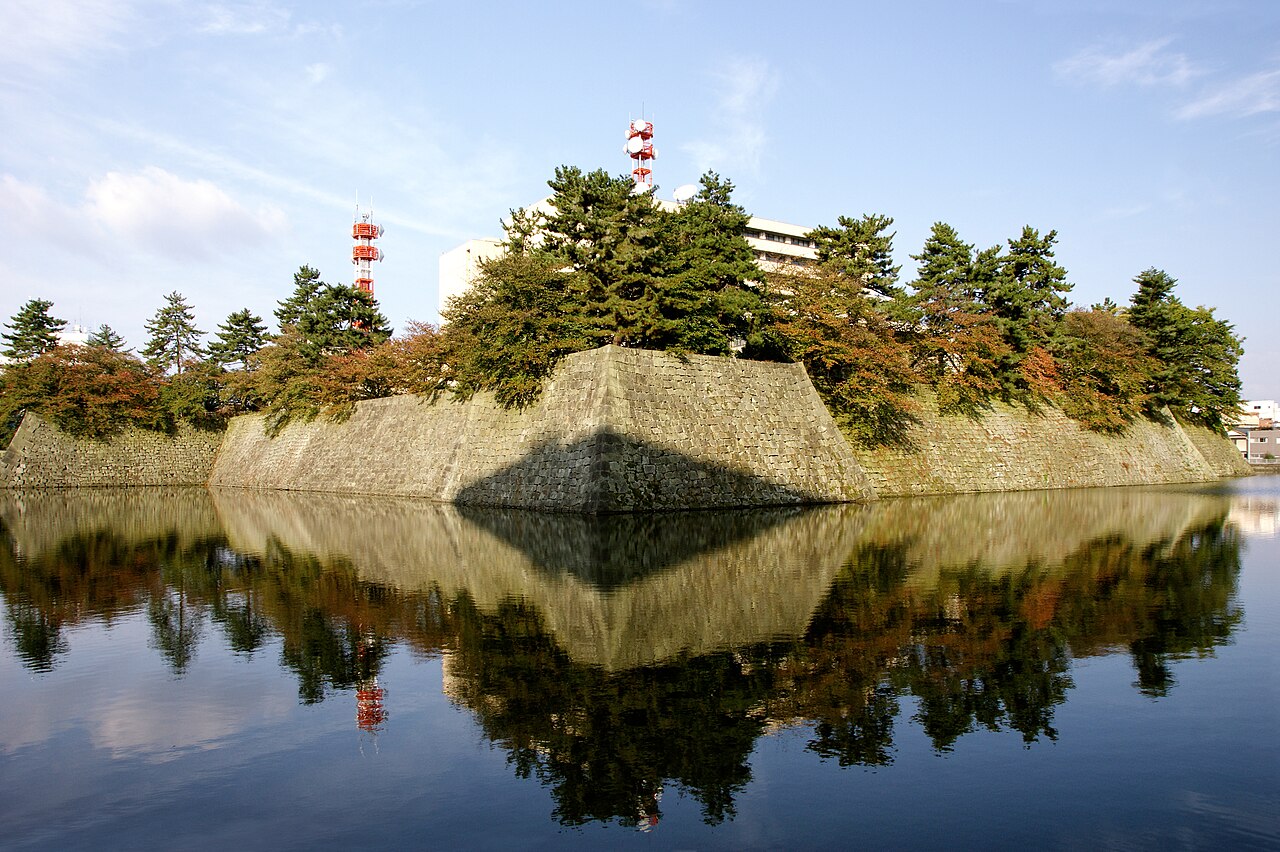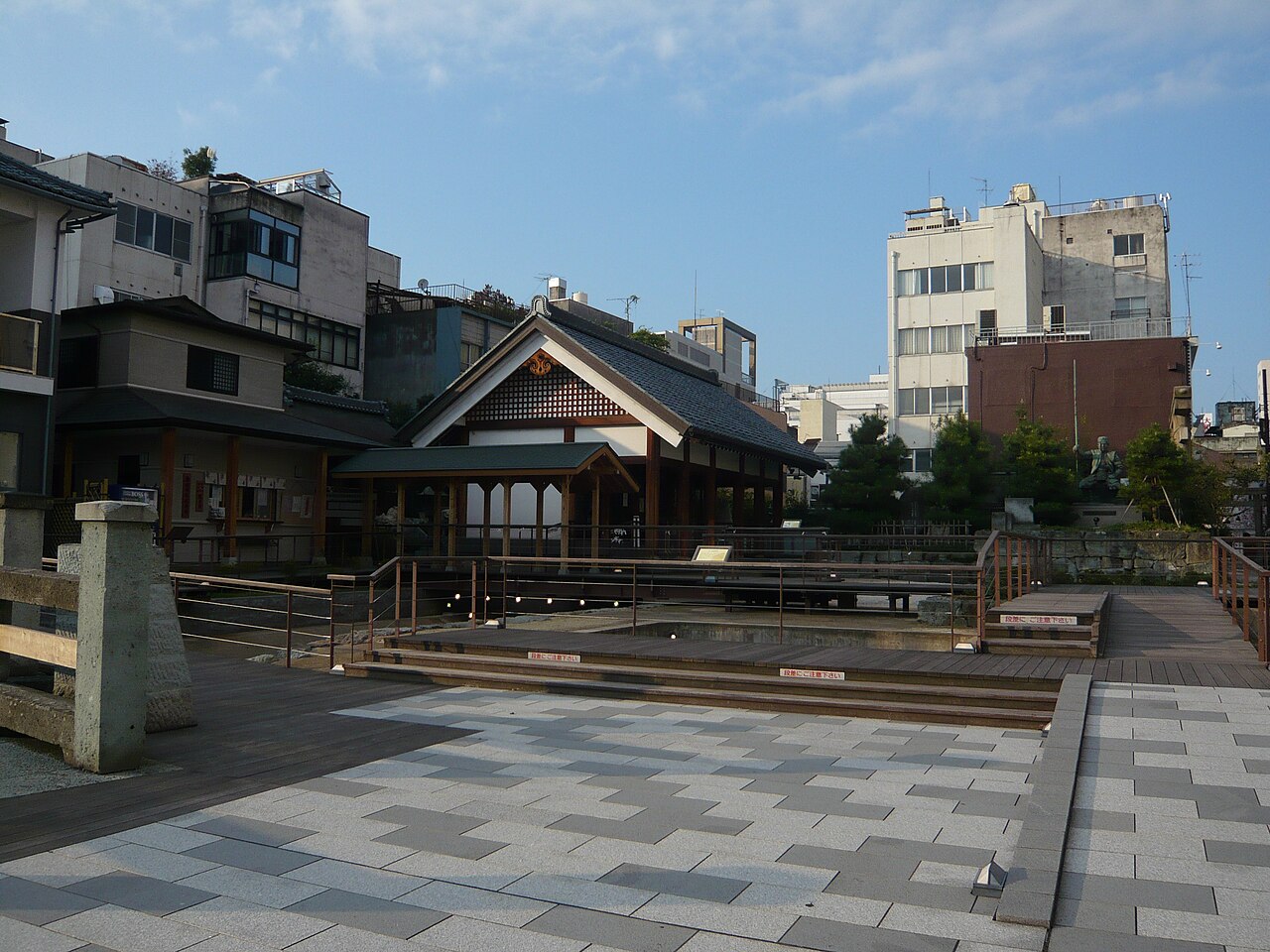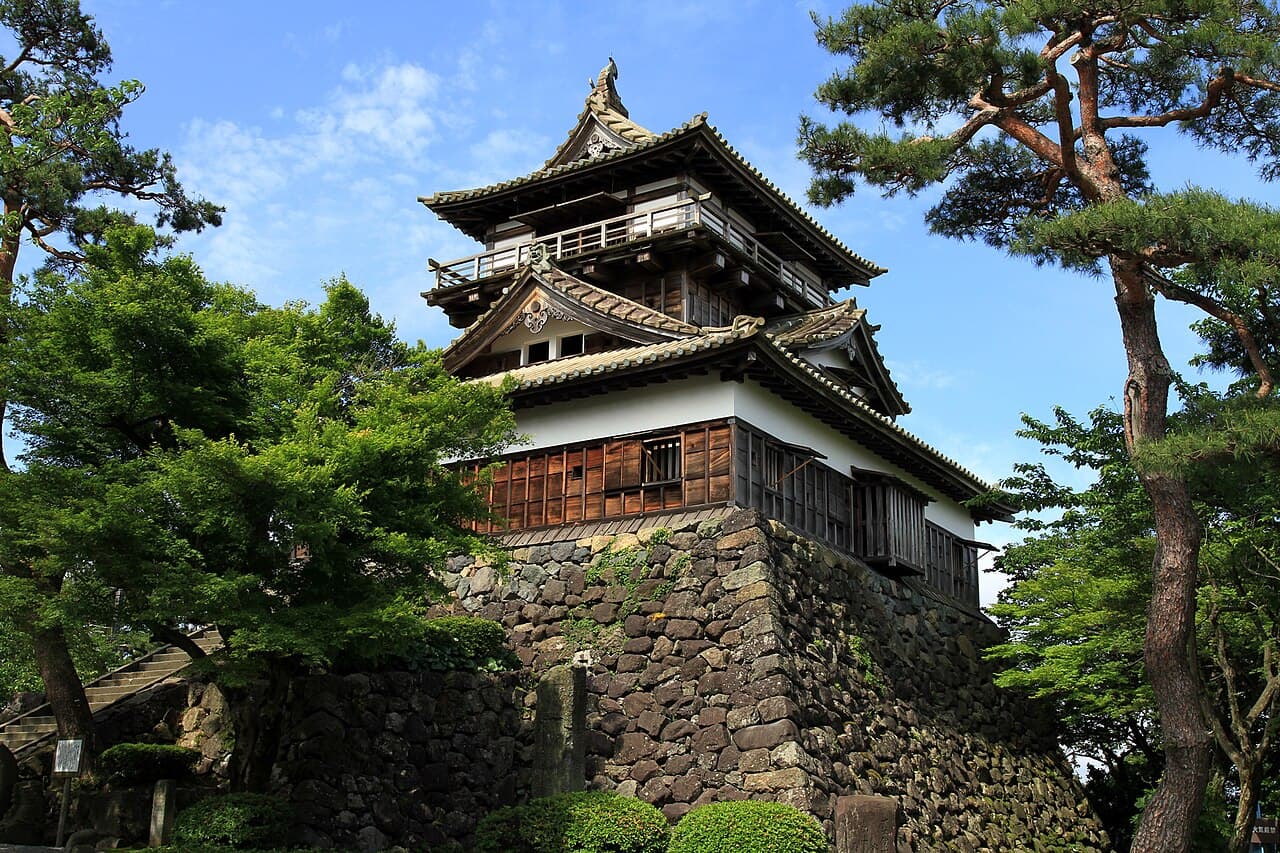
Maruoka Castle, located in Sakai, Japan, is a remarkable example of a hill castle from the late 16th century. Constructed in 1576 by Shibata Katsutoyo, nephew of the famed warlord Shibata Katsuie, this historic fortress has witnessed centuries of Japanese history and remains a significant cultural landmark. The castle is renowned for its three-story keep (tenshu), which is one of the oldest surviving wooden keeps in Japan, a distinction it shares with castles like Inuyama Castle and Matsumoto Castle.
Historical background and ownership
Maruoka Castle was home to a succession of 17 lords from its construction until the Meiji Restoration in the late 19th century. Notable among these were Aoyama Shurinsuke, Honda Narishige, and Arima Kiyosumi, each contributing to the castle's legacy and the region's governance. The castle's strategic location on a hill in the middle of a broad plain made it a key military and administrative center during Japan's turbulent Sengoku period and beyond.
Architectural features and design
The castle's keep is distinctive for its original wooden interior and stone-tile roof, which have been carefully preserved and restored over the centuries. The keep stands three stories tall, featuring traditional Japanese castle architectural elements such as curved eaves, stone foundations, and defensive loopholes for archers and gunners. Its size and internal layout closely resemble those of Inuyama Castle, reflecting common design principles of the period.
Maruoka Castle exemplifies the architectural style of the late Sengoku period, with robust defensive features combined with elegant aesthetic details. The castle's walls and gates were designed to withstand sieges, while the elevated position provided commanding views of the surrounding landscape, enhancing both defense and surveillance.
Damage and restoration
The castle suffered significant damage during the Fukui earthquake of 1948, which levelled the original keep. However, a meticulous restoration was undertaken in 1955, rebuilding the keep using approximately 80% of the original materials. This restoration preserved the castle's historical authenticity and structural integrity, allowing visitors today to experience a near-original example of a Sengoku-period keep.
Cultural significance and preservation
Maruoka Castle is designated as an Important Cultural Property of Japan, recognizing its historical and architectural value. It is one of the few castles in Japan with an original wooden keep that has survived through centuries, natural disasters, and modernization. This status ensures ongoing preservation efforts and highlights the castle's role in Japan's cultural heritage.
At the base of the hill lies a small history museum dedicated to the castle's past and its lords. The museum's exhibits provide insights into the castle's construction, the lives of its inhabitants, and its role in regional history. Admission to the museum is included with the castle ticket, offering visitors a comprehensive understanding of Maruoka Castle's significance.
Visiting maruoka castle today
Today, Maruoka Castle is a popular tourist destination for those interested in Japanese history and castle architecture. The well-preserved keep, combined with the scenic hilltop location, provides an authentic glimpse into Japan's feudal past. Visitors can explore the castle grounds, climb the keep to view the original wooden interiors, and enjoy panoramic views of the surrounding landscape.
The castle's accessibility and educational facilities, including the adjacent museum, make it an ideal site for both casual visitors and scholars. Its preservation allows for an immersive experience of traditional Japanese castle design and the historical context of the Sengoku and Edo periods.
Frequently asked questions (FAQ)
- When was Maruoka Castle built and by whom?
- Maruoka Castle was built in 1576 by Shibata Katsutoyo, the nephew of the warlord Shibata Katsuie.
- What is unique about Maruoka Castle's keep?
- The castle's keep is one of the oldest surviving wooden keeps in Japan, featuring an original wood interior and a stone-tile roof.
- How was Maruoka Castle affected by the 1948 Fukui earthquake?
- The original keep was levelled by the 1948 Fukui earthquake but was carefully rebuilt in 1955 using about 80% of the original materials.
- Is there a museum at Maruoka Castle?
- Yes, there is a small history museum at the base of the hill with displays about the castle's lords and history, included in the castle admission ticket.
- What is the visiting experience like at Maruoka Castle?
- Visitors can explore the well-preserved keep, enjoy panoramic views from the hilltop, and learn about the castle's history at the adjacent museum.
Photo gallery

Information
Sources & official resources
Verify the information above using these authoritative references.
Loading map...
Visitor reviews
No reviews yet. Been here? Write the first review and help other travelers!
Write the first reviewVisited this castle? Share your experience
Your review helps other travelers and adds first-hand knowledge to our encyclopedia.