Kitanosho Castle
Kitanosho Castle (北ノ庄城, Kitanoshō-jō) was a significant Japanese castle constructed in the late 16th century by the powerful warlord Shibata Katsuie. Located in what is now Fukui city in Fukui Prefecture, this castle is notable for its ambitious architectural design, particularly its towering nine-story tenshu (keep), which was among the largest of its time. Built in 1575, the castle was a symbol of Katsuie's power during the turbulent Sengoku period.
Historical context and construction
Kitanosho Castle was constructed during a period of intense military conflict and political upheaval in Japan known as the Sengoku era. Shibata Katsuie, a prominent general under Oda Nobunaga, commissioned the castle as a strategic stronghold. Unlike many Japanese castles built on hills or mountains, Kitanosho was a hirashiro, meaning it was built on flatland, which was less common and required extensive fortification to compensate for the lack of natural elevation.
The castle's design reflected the evolving nature of Japanese castle architecture in the late 16th century, incorporating robust stone foundations and an imposing tenshu that rose nine stories high. This made it one of the tallest keeps of the period, showcasing both military strength and architectural innovation. The height of the keep was a statement of dominance and prestige, intended to impress both allies and enemies.
Architectural features
The nine-story tenshu of Kitanosho Castle was an exceptional feature, as most Japanese castles of the time had keeps of fewer stories. The tenshu served as the central tower and last line of defense, as well as the residence of the lord. The castle complex included multiple baileys surrounded by stone walls and moats, typical of the period's defensive design.
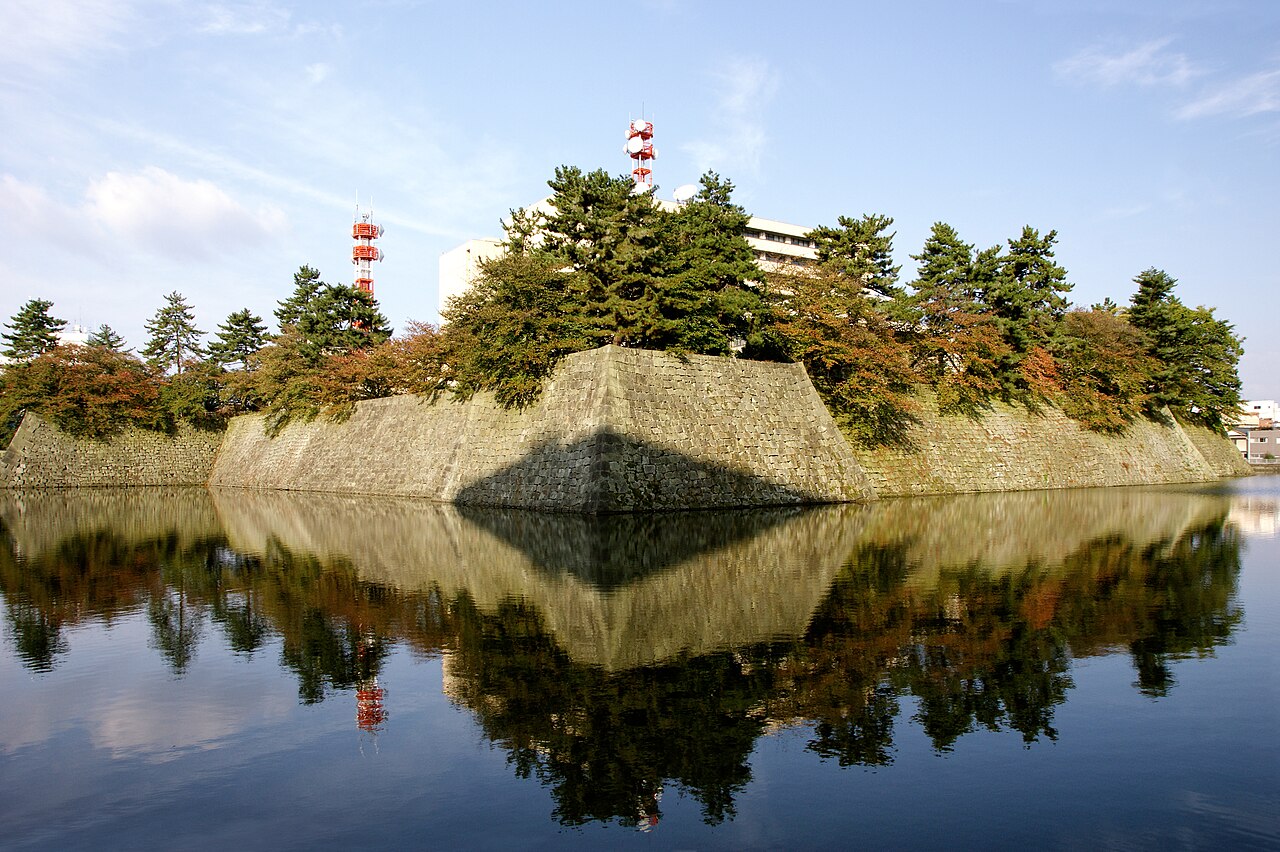
While detailed records of the castle's full layout are scarce due to its brief existence, archaeological excavations have revealed substantial stone foundations and remnants of defensive structures. These findings provide insight into the castle's scale and the advanced construction techniques used. The castle's flatland location necessitated strong fortifications, including thick walls and wide moats, to protect against siege warfare.
The battle of shizugatake and destruction
Kitanosho Castle's history was cut short following the Battle of Shizugatake in 1583. This battle was a critical conflict between Shibata Katsuie and Toyotomi Hideyoshi, who sought to consolidate power after the death of Oda Nobunaga. Katsuie's forces were defeated decisively, leading to the castle's downfall.
After the defeat, Katsuie committed the ritual suicide known as seppuku within the castle grounds. It is recorded that he tragically killed his wife, Oichi, before taking his own life. Following these events, Kitanosho Castle was set ablaze and destroyed, marking the end of its brief but notable existence.
Archaeological significance and present-day remains
Despite its destruction, the site of Kitanosho Castle remains an important cultural and historical landmark. Archaeological excavations have uncovered stone foundations and other structural remnants that offer valuable insights into late 16th-century Japanese castle construction. These ruins are accessible to the public and serve as a tangible connection to the Sengoku period's turbulent history.
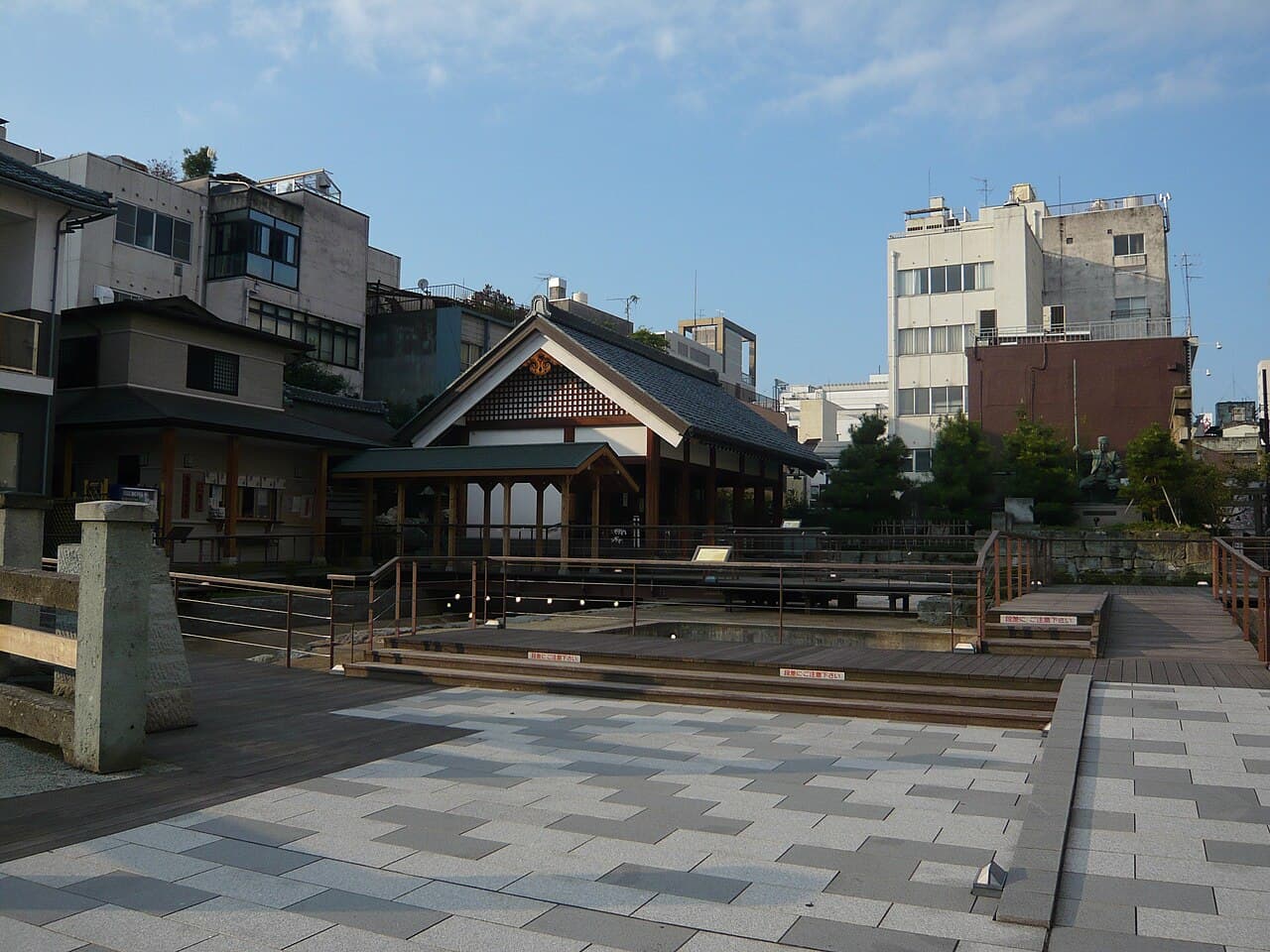
The castle grounds are now a place of historical interest, with markers and displays that explain the castle's significance and the story of Shibata Katsuie. Visitors can explore the remains and imagine the grandeur of the towering nine-story tenshu that once dominated the landscape.
Legacy and cultural importance
Kitanosho Castle represents a unique chapter in Japanese castle architecture due to its ambitious height and flatland location. Although it stood for only eight years, the castle's design influenced later constructions and remains a subject of study for historians and architects. The story of Shibata Katsuie and the castle's dramatic end highlight the intense rivalries of the Sengoku period and the fragility of power during this era.
Today, Kitanosho Castle is remembered both for its architectural ambition and its historical drama, embodying the spirit of a transformative period in Japan's past.
Frequently asked questions (FAQ)
- When was Kitanosho Castle built and by whom?
- Kitanosho Castle was built in 1575 by the warlord Shibata Katsuie during the Sengoku period of Japan.
- What was unique about the architecture of Kitanosho Castle?
- The castle featured a nine-story tenshu (keep), one of the tallest of its time, and was built as a hirashiro on flatland, requiring strong fortifications.
- Why was Kitanosho Castle destroyed?
- It was destroyed in 1583 following Shibata Katsuie's defeat at the Battle of Shizugatake, after which he committed seppuku and the castle was set on fire.
- Can visitors see the remains of Kitanosho Castle today?
- Yes, visitors can explore the archaeological site in Fukui, where stone foundations and other remnants have been uncovered and are open to the public.
- What historical events are associated with Kitanosho Castle?
- The castle is closely linked to the Battle of Shizugatake and the tragic end of Shibata Katsuie and his wife Oichi in 1583.
Photo gallery

Photo by nnh•Public domain
Information
Loading map...
Visitor reviews
No reviews yet. Been here? Write the first review and help other travelers!
Write the first reviewVisited this castle? Share your experience
Your review helps other travelers and adds first-hand knowledge to our encyclopedia.