Fukui Castle
Fukui Castle (福井城, Fukui-jō) is a prominent flatland-style castle situated in the city of Fukui, within Fukui Prefecture, Japan. Unlike many Japanese castles built on hills or mountains, Fukui Castle is classified as a flatland castle (hirajiro), constructed on relatively level terrain near the coast. This location was strategically chosen to control the surrounding fertile plains and serve as a political and military center during the Edo period.
The castle's origins trace back to the ruins of an earlier fortress known as Kitanoshō Castle (北ノ庄城, Kitanoshō-jō), which was built by the notable warlord Shibata Katsuie in the late Sengoku period. Fukui Castle was constructed in the early 17th century by the Matsudaira clan, a powerful family allied with the Tokugawa shogunate. It functioned as the seat of the Fukui Domain, governed by hereditary daimyō from the Matsudaira lineage, who played a significant role in regional administration and politics under the Tokugawa regime.
Historical background and significance
The site of Fukui Castle has a layered history, beginning with Kitanoshō Castle, which was built around 1575 by Shibata Katsuie, one of Oda Nobunaga's chief generals. Kitanoshō Castle was a formidable fortress but was destroyed in 1583 during the Battle of Shizugatake. Later, in 1604, Yoshinobu Matsudaira, the first daimyō of Fukui Domain, established Fukui Castle on the ruins of Kitanoshō, incorporating some of its foundations and defensive structures.
Throughout the Edo period, Fukui Castle served not only as a military stronghold but also as the administrative heart of the domain. The Matsudaira clan, relatives of the Tokugawa family, maintained control over the domain, which was among the larger and wealthier han in Echizen Province. The castle's presence underscored the political stability and feudal hierarchy established by the Tokugawa shogunate.
Architectural features and layout
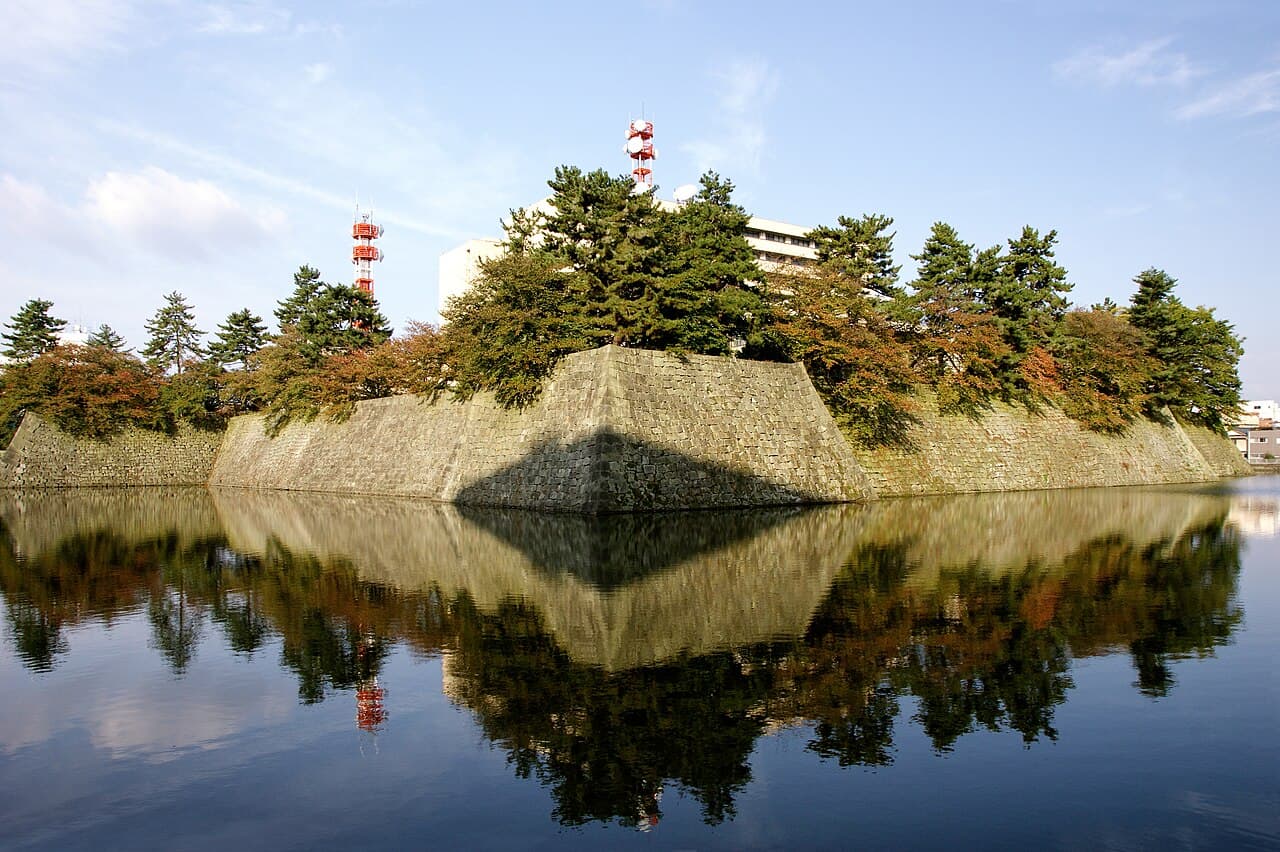
Fukui Castle is characterized by its flatland castle design, which differs markedly from the more common hilltop castles in Japan. The castle complex was fortified with extensive moats and stone walls that protected the inner compounds. The layout included multiple baileys (courtyards), with the honmaru (main bailey) at the center, surrounded by secondary enclosures.
The castle's tenshu (main keep) was a multi-storied tower that served as a symbol of the lord's power and a final defensive refuge. Unfortunately, the original tenshu was destroyed by fire in 1775 and was never rebuilt. The castle grounds also contained gates, watchtowers, and residential quarters for the samurai retainers and the lord's family.
Defensive features
The castle's defenses relied heavily on its extensive moat system, which included inner and outer moats filled with water, creating formidable barriers against attackers. The stone walls were skillfully constructed using large, interlocking stones, a technique typical of the early Edo period. The walls featured angled designs to deflect projectiles and prevent scaling.
Residential and administrative areas
Within the castle's inner compounds, the daimyō's residence was situated in the honmaru. The living quarters were designed with both comfort and defense in mind, featuring tatami rooms, sliding doors, and gardens. Administrative buildings were arranged to facilitate governance and the management of domain affairs.
Destruction, restoration, and current condition
Fukui Castle suffered significant damage during the Meiji Restoration when many feudal castles across Japan were dismantled or fell into disrepair. The castle's main keep was lost in the 18th century, and much of the remaining structures were demolished during the late 19th century as part of the government's modernization efforts.
During World War II, the castle grounds were further damaged by air raids, which destroyed many of the remaining buildings. In the post-war period, efforts were made to preserve and restore parts of the castle. Today, Fukui Castle is classified as partially preserved, with some original stone walls and moats still visible.
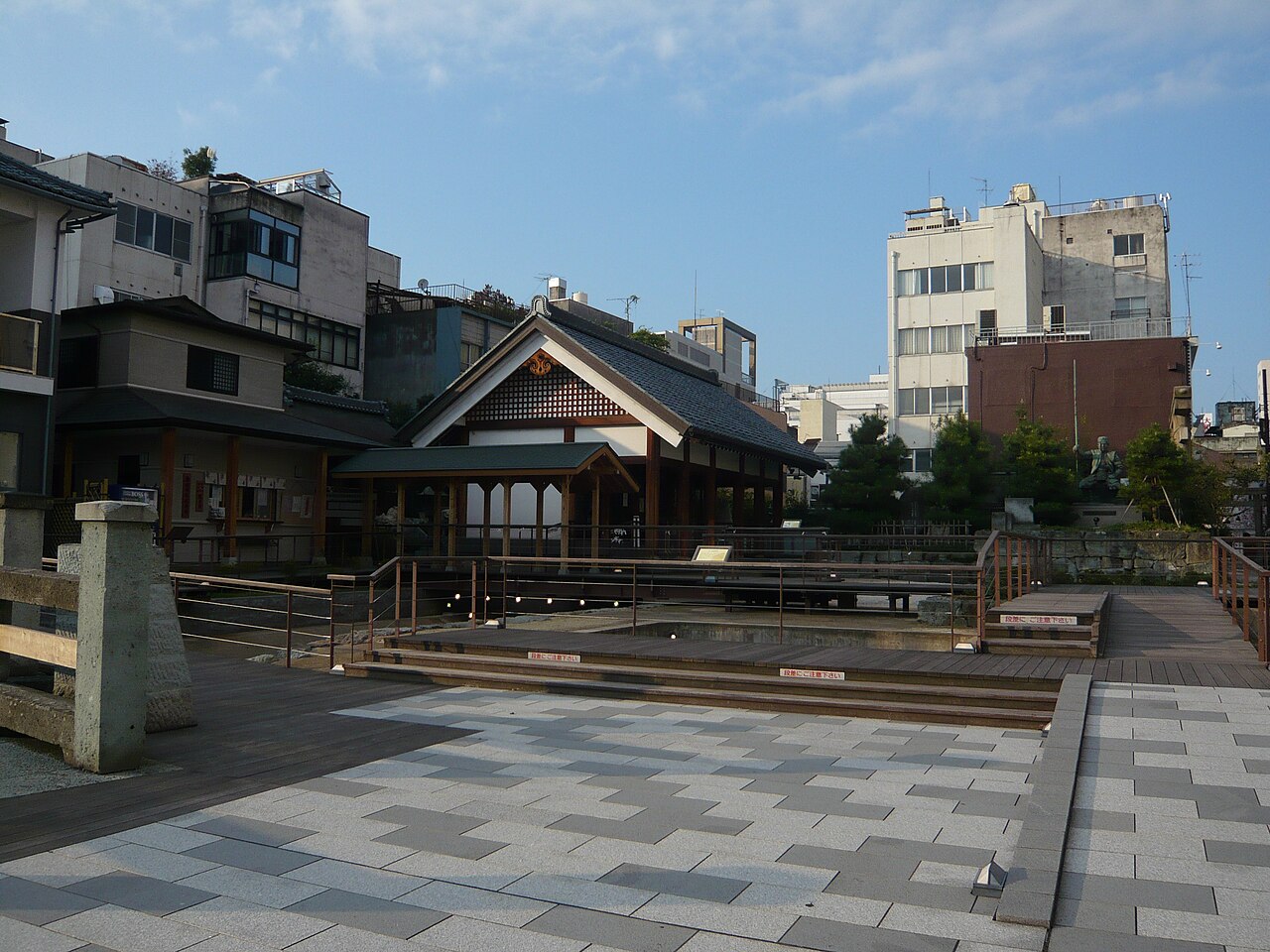
The site is now a public park known as Fukui Castle Ruins Park, which includes reconstructed gates and sections of the stone walls. It serves as a cultural and historical landmark for the city, attracting visitors interested in samurai history and Japanese castle architecture.
Cultural importance and tourism
Fukui Castle holds an important place in the cultural heritage of Fukui Prefecture. The castle grounds host various festivals and events that celebrate the region's history and traditions. The castle ruins are also a popular spot for viewing cherry blossoms in spring, drawing both locals and tourists.
Visitors to Fukui Castle can explore the remnants of the moats and walls, stroll through the landscaped park, and learn about the castle's history at nearby museums. Its location in the city center makes it accessible and a key attraction for those interested in Japan's feudal past and architectural styles.
Visitor information
- Access: Fukui Castle is located within Fukui city and is accessible by local transportation.
- Visiting hours: The park is generally open during daylight hours year-round.
- Admission: Entry to the castle grounds and park is typically free.
- Nearby attractions: Fukui Prefectural Museum of Cultural History and other historical sites.
Frequently asked questions (FAQ)
- How do I get to Fukui Castle?
- Fukui Castle is located in the heart of Fukui City, Japan. It is easily accessible by public transportation, with Fukui Station being just a short bus or taxi ride away. For those driving, there are nearby parking facilities available.
- What is the historical significance of Fukui Castle?
- Fukui Castle, originally built in the 16th century, served as the residence of the powerful Matsudaira clan. It played a crucial role in the region's governance during the Edo period and is a symbol of Fukui's rich history. The castle's ruins and reconstructed structures provide insight into Japan's feudal past.
- When was Fukui Castle built?
- Fukui Castle was first constructed in 1576 by the feudal lord Shibata Katsuie. It underwent several renovations and expansions over the years, particularly during the Edo period, before its eventual dismantling in the late 19th century. Today, the castle's remnants and reconstructed structures attract history enthusiasts from around the world.
- Can I visit Fukui Castle year-round?
- Yes, Fukui Castle is open to visitors throughout the year, but the best time to visit is during the cherry blossom season in spring or the fall foliage season. These times showcase the castle's beauty against vibrant natural backdrops. However, do check for any seasonal events or maintenance closures before your visit.
- Why is Fukui Castle popular among tourists?
- Fukui Castle is popular for its historical significance and beautiful scenery, making it a perfect destination for both history buffs and casual visitors. The castle grounds feature picturesque gardens and provide panoramic views of the city. Its proximity to other attractions in Fukui also adds to its appeal.
- Is it possible to explore the interior of Fukui Castle?
- While the main castle structure is not fully reconstructed, visitors can explore the surrounding castle park and some reconstructed buildings that offer exhibitions about the castle's history. The park itself is a lovely area for walking and enjoying the scenery. Guided tours are often available to enhance the experience.
- What are the opening hours for Fukui Castle?
- Fukui Castle is typically open from 9:00 AM to 5:00 PM, but these hours may vary depending on the season or special events. It is advisable to check the official website or local tourist information for the most current opening times before your visit. Visiting in the late afternoon can also provide beautiful sunset views.
- What are the ticket prices for visiting Fukui Castle?
- Entrance to the castle grounds is generally free, while some specific areas or exhibitions may require a small admission fee. Prices are typically affordable, ensuring that visitors can enjoy the historical site without a significant financial burden. Discounts may be available for students or groups, so it's worth inquiring upon arrival.
- Are there any nearby attractions to visit after Fukui Castle?
- Yes, after exploring Fukui Castle, visitors can check out the nearby Fukui Prefectural Museum of Cultural History or the beautiful Yokokan Garden. Both locations are within walking distance and offer additional insights into the region's culture and history. This makes for a well-rounded day of sightseeing in Fukui.
Photo gallery

Information
Loading map...
Visitor reviews
No reviews yet. Been here? Write the first review and help other travelers!
Write the first reviewVisited this castle? Share your experience
Your review helps other travelers and adds first-hand knowledge to our encyclopedia.