Ichijodani Castle
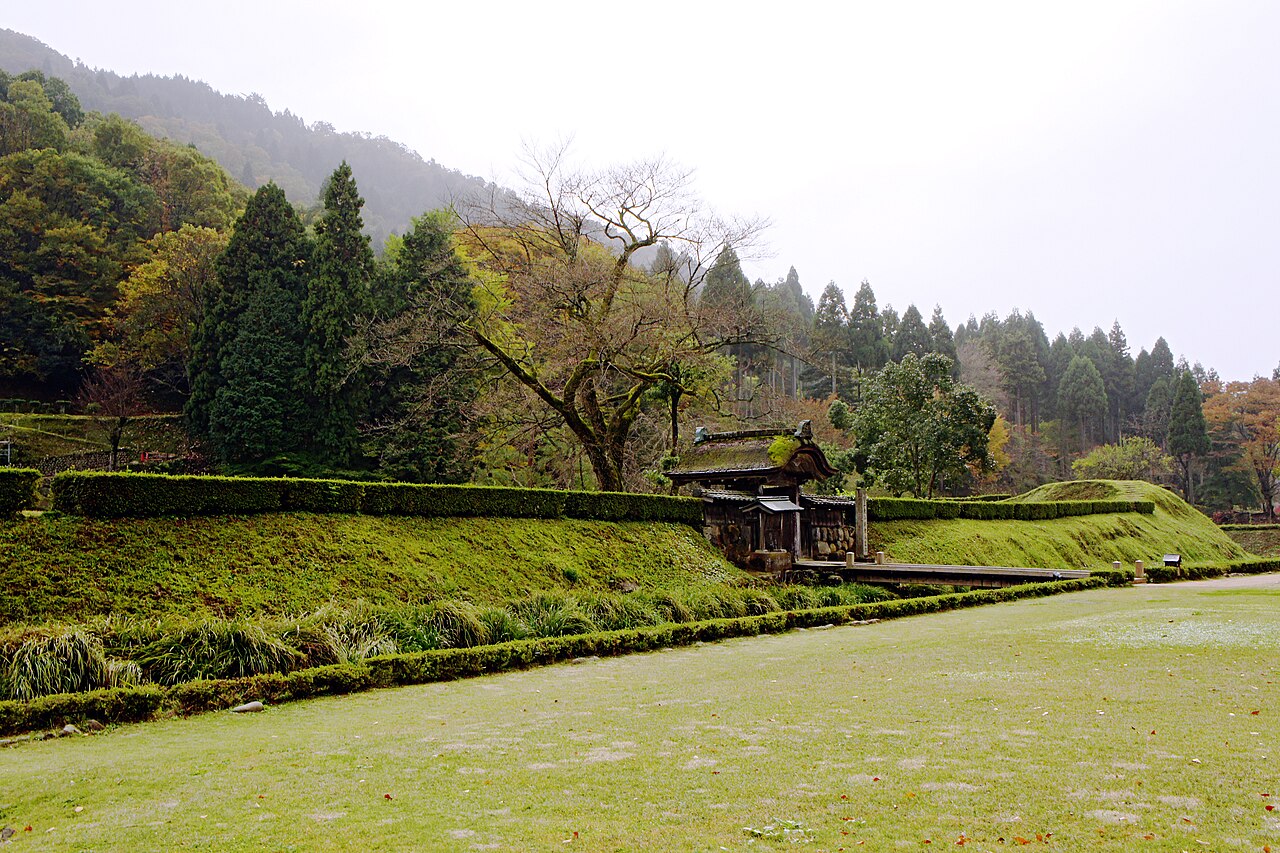
Ichijodani Castle stands as a remarkable example of a late medieval hill castle in Fukui, Japan. Established in 1471 by Asakura Takakage, it served as the family home and military stronghold of the powerful Asakura clan. The castle's strategic location in a long, narrow valley between two mountains allowed it to leverage the natural terrain for defense, with fortified gates guarding the narrow valley entrances. This unique topography contributed to the castle's effective fortifications and its ability to sustain a flourishing castle town within its bounds.
During the turbulent Sengoku period, Ichijodani Castle and its surrounding town became a significant cultural and political center. The Onin War (1467–1477) drove many elite and educated individuals to seek refuge here, transforming Ichijodani into the cultural heart of the Echizen Province. This influx of talent and culture elevated the castle town's status beyond mere military importance, fostering an environment rich in arts, scholarship, and governance.
The Asakura clan and Ichijodani's historical prominence
The Asakura clan, under the leadership of Asakura Takakage and later his descendants, established Ichijodani as their principal base. The fifth lord, Asakura Yoshikage, played a pivotal role during the chaotic final years of the Sengoku period. Aligning himself with the Ashikaga shogunate, Yoshikage opposed the rising power of Oda Nobunaga. This political stance ultimately led to conflict, culminating in Nobunaga's attack and destruction of Ichijodani in 1573. The castle and town were burned, marking the end of Asakura dominance and a significant shift in regional power dynamics.
Architectural and defensive features of Ichijodani Castle
Ichijodani Castle is notable for its integration with the natural landscape. The castle occupies a narrow valley flanked by mountains, using the terrain as a natural defense barrier. At each end of the valley, narrow openings were secured with strong gates, creating choke points that could be heavily defended against attackers. Surrounding the castle town was a series of watchtowers and smaller forts, providing layered defenses and early warning capabilities.
Castle town layout and fortifications
The castle town itself was a vibrant and well-organized settlement, protected by a ring of watchtowers and fortified gates. The town's design reflected both military and civil planning, balancing defense with the needs of its inhabitants. Residences of high-ranking vassals and family members were located near the Asakura Yakata palace, which was itself a fortified structure acting as the clan's administrative and residential center.
Sub castles and satellite fortifications
Ichijodani's defensive network included several satellite castles and forts. Among these were Ichijodaniyama Castle, a large mountaintop fortress designed to withstand major sieges, though its distance from the town limited its role in everyday defense. Closer to the base of the mountain were Komihanachi Castle and Kojo Castle, which guarded critical routes leading to the mountaintop castle and the main town, respectively. This layered defense system exemplifies Sengoku period military architecture and strategic planning.
Preservation and modern access
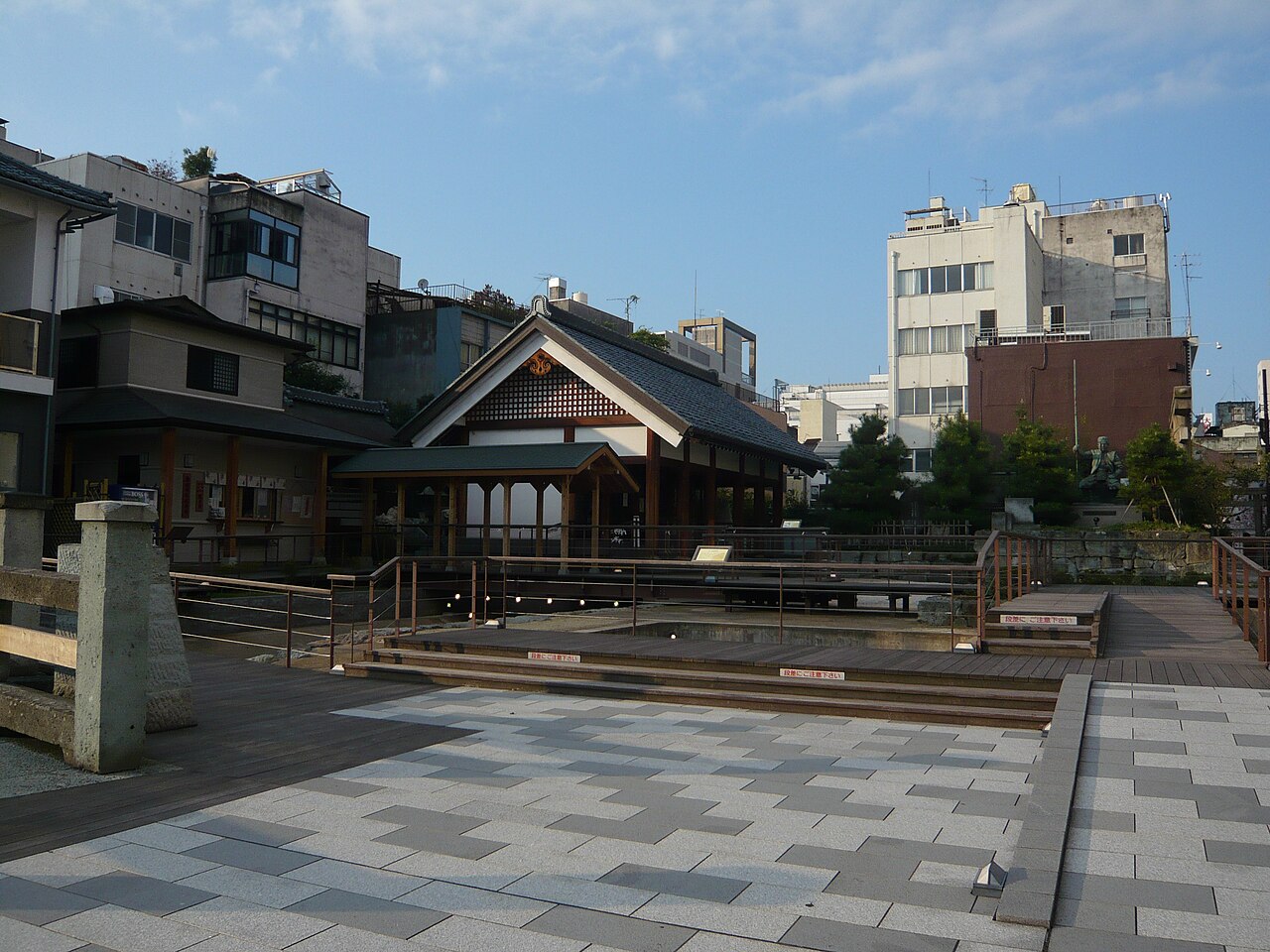
Today, Ichijodani Castle is partially preserved, with archaeological efforts uncovering extensive ruins of the castle town, fortifications, and residential areas. The site offers visitors a glimpse into the Sengoku period's complex social and military structures. The nearby Asakura Museum provides additional context and exhibits related to the castle's history and the Asakura clan.
Access to Ichijodani is facilitated by limited train and bus services from Fukui Station, with additional tourist buses and bicycle rentals available during peak seasons. Visitors can explore the approximately 2-kilometer-long valley on foot, enjoying the restored sections and ruins that reveal the castle's historical layout and significance.
Challenges in preservation
Preserving the ruins of Ichijodani Castle presents ongoing challenges. Natural factors such as tree root growth threaten the integrity of stone walls and foundations, while erosion must be carefully managed to protect the site. Recent efforts have focused on balancing ecological preservation with maintaining the structural remains, ensuring that this cultural heritage site endures for future generations.
Ichijodani Castle in cultural memory
Ichijodani Castle remains an important symbol of the Sengoku period's cultural and military history. Its story reflects the rise and fall of the Asakura clan and the broader conflicts that shaped Japan's path toward unification. The castle and its town continue to attract historians, archaeologists, and tourists, drawn by its rich history and evocative ruins.
Visitors interested in Japanese castle architecture and Sengoku period history will find Ichijodani Castle a compelling destination. Its combination of natural defenses, strategic design, and historical significance offers valuable insights into the era's complex feudal dynamics and cultural developments.
Frequently asked questions (FAQ)
- How do I get to Ichijodani Castle from Fukui Station?
- Ichijodani Castle is accessible via train and bus services from Fukui Station, with about 6 train trips and 8 bus trips daily. Tourist buses and taxi tours operate on weekends and holidays, and the Fukui Station tourist information desk offers maps and advice.
- What is the historical significance of Ichijodani Castle?
- Ichijodani Castle was the seat of the Asakura clan and a cultural hub during the Sengoku period. It played a key role in regional politics and was destroyed by Oda Nobunaga in 1573 after the Asakura sided with the Ashikaga shogunate.
- Can I explore the entire Ichijodani castle town on foot?
- Yes, the castle town stretches about 2 kilometers and is walkable. There are also free tourist buses on weekends and holidays, bicycle rentals, and taxi services to assist visitors.
- What architectural features make Ichijodani Castle unique?
- Ichijodani Castle uses the natural terrain of a narrow valley between mountains for defense, with strong gates at valley entrances, a ring of watchtowers, and multiple satellite castles guarding key routes.
- When was Ichijodani Castle built and by whom?
- Ichijodani Castle was established in 1471 by Asakura Takakage, serving as the family home and military base for the Asakura clan.
Information
Opening hours
Museums are open 9am-5pm; closed 12/28-1/4; museum is 100yen admission, reconstructed town is 210yen
Website
Visit websiteSources & official resources
Verify the information above using these authoritative references.
Loading map...
Visitor reviews
No reviews yet. Been here? Write the first review and help other travelers!
Write the first reviewVisited this castle? Share your experience
Your review helps other travelers and adds first-hand knowledge to our encyclopedia.