Marugame Castle — Japan castle

Marugame Castle

Marugame Castle: the hilltop fortress of Sanuki
Marugame, Japan
Renaissance (15th–17th c.)
Well Preserved

Marugame Castle, located in the city of Marugame in Japan, is a remarkable example of a hill castle that combines strategic military architecture with stunning natural topography. Built originally in 1597 during the late Sengoku period, this castle has a rich history tied to the feudal lords who ruled the Sanuki region. Its preservation and unique features make it a significant cultural and historical site in Japan.

Historical background and significance

The castle was initially constructed by Ikoma Chikamasa, the lord of the Sanuki area, who originally ruled from Takamatsu Castle. Seeking a more defensible position, he built Marugame Castle on a hill, which allowed for better surveillance and control over the surrounding territory. After establishing Marugame Castle, he placed his son in charge of Takamatsu Castle, effectively shifting the center of power.

In 1615, the castle was decommissioned due to the "one castle per domain" law (Ikkoku Ichijo Rei) imposed by the Tokugawa shogunate, which aimed to reduce the number of castles to prevent rebellion and consolidate power. This law required many castles to be dismantled or abandoned, including Marugame Castle.

However, Marugame Castle experienced a revival in 1641 when Yamazaki Ieharu was granted the small fief of Western Sanuki. He undertook significant reconstruction efforts, rebuilding the castle into the form that largely remains today. Under his stewardship, the castle town of Marugame also developed, growing around the castle's base and benefiting from its protection and administrative functions.

Architectural features and castle layout

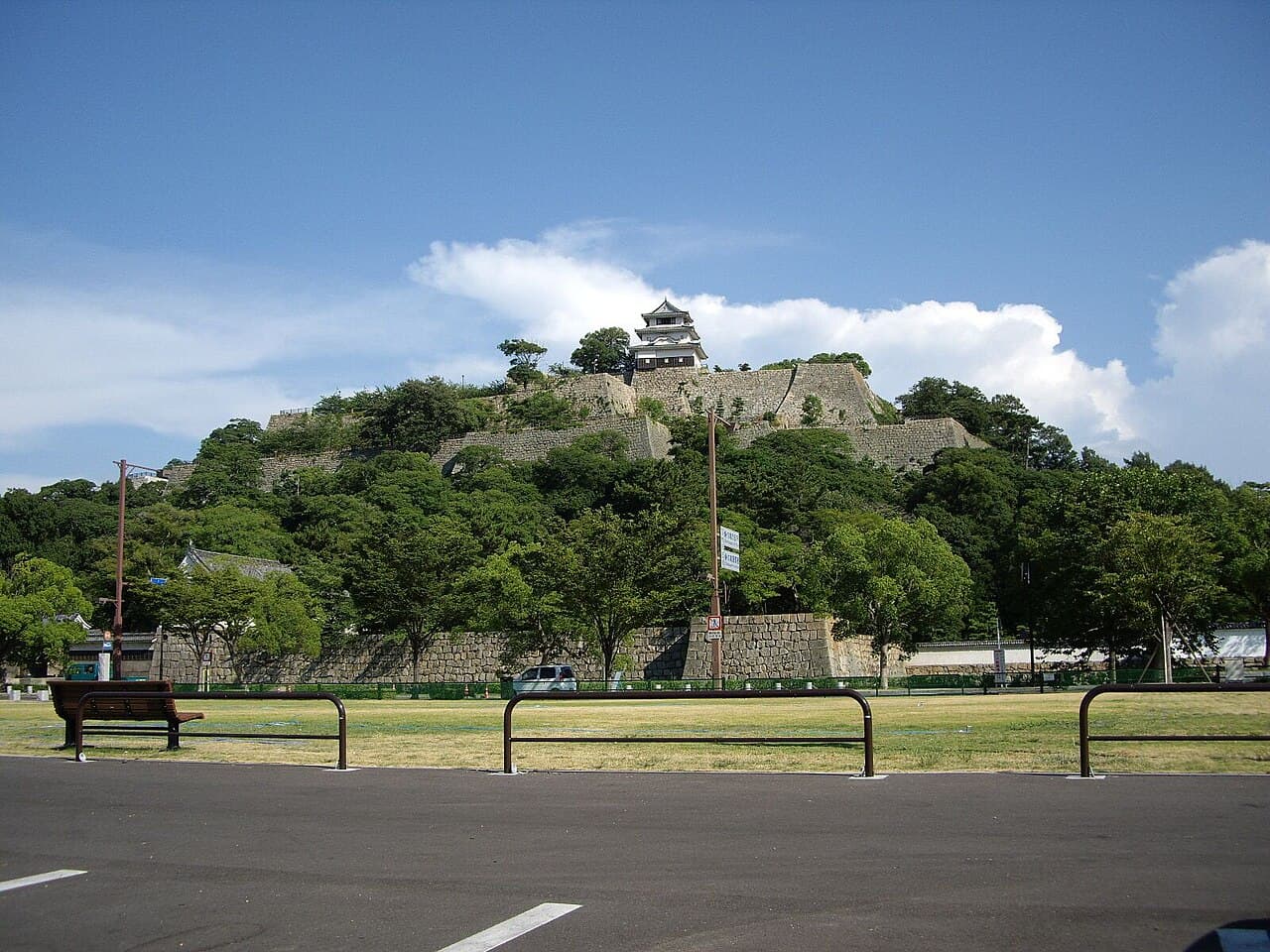
Marugame Castle is renowned for its magnificent stone walls, which are among the best-preserved and most impressive in Japan. Unlike the large Edo-period castles such as Edo, Osaka, or Nagoya, where the stone walls are often separated from visitors by moats, Marugame Castle allows close proximity to these walls, enhancing the visitor experience and appreciation of their scale and craftsmanship.

The castle is built on the only mountain in the vicinity, providing a commanding view over the surrounding plains and the Seto Inland Sea. This strategic location made it an important military stronghold and a symbol of feudal power.

One of the most notable features of Marugame Castle is its main keep (tenshu), which is the smallest surviving main keep in Japan. Despite its modest size, the keep's elevated position atop the hill offers an extensive vantage point, rendering a large keep unnecessary for effective defense and surveillance.

The castle complex includes multiple baileys, gates, and defensive walls, all carefully designed to maximize protection while integrating harmoniously with the natural landscape. The stone walls demonstrate advanced masonry techniques of the period, with carefully fitted stones that have withstood centuries of weather and seismic activity.

The stone walls and masonry

The stone walls of Marugame Castle are particularly famous for their size and quality. They were constructed using a method called nozura-zumi, which involves stacking unshaped stones without mortar, relying on the careful placement and weight of the stones for stability. This technique creates a naturalistic and durable structure that blends seamlessly with the surrounding environment.

Visitors can walk close to these walls, appreciating the craftsmanship and scale that is often lost in other castles where moats or modern barriers keep visitors at a distance.

Castle town and cultural heritage

The development of the castle town of Marugame was closely linked to the castle's reconstruction in the mid-17th century. The town grew as a center of administration, commerce, and culture under the protection of the castle. It retains many historical buildings and streetscapes that reflect its Edo-period origins.

Today, Marugame Castle stands not only as a military relic but also as a cultural landmark. It hosts various events and festivals that celebrate its history and the traditions of the region. The castle and its grounds are a popular destination for tourists and scholars interested in Japanese feudal architecture and history.

Visiting Marugame Castle

Marugame Castle is well-preserved and accessible to visitors year-round. It offers walking paths that lead up to the main keep, allowing visitors to experience the castle's layout and enjoy panoramic views. The proximity to the stone walls provides a unique opportunity to appreciate traditional Japanese castle construction up close.

The castle grounds include informational signage and exhibits that explain its history and architectural features. Visitors are encouraged to explore the surrounding castle town, which offers additional historical context and cultural experiences.

Visitor experience and tips

  • Wear comfortable shoes as the climb to the main keep involves ascending a hill.
  • Visit during spring or autumn for pleasant weather and beautiful seasonal scenery.
  • Take time to explore the castle town to experience local culture and cuisine.
  • Photography enthusiasts will find excellent opportunities to capture the stone walls and panoramic views.

Frequently asked questions (FAQ)

How do I get to Marugame Castle?
Marugame Castle is located in Marugame city, Kagawa Prefecture. It is accessible by train and bus from major cities in Shikoku, and the castle is within walking distance from Marugame Station.
What is the best time to visit Marugame Castle?
The best times to visit Marugame Castle are during spring for cherry blossoms and autumn for colorful foliage, when the weather is mild and the scenery is especially beautiful.
Can I enter the main keep of Marugame Castle?
Yes, visitors can enter the main keep, which is the smallest surviving tenshu in Japan. It offers historical exhibits and panoramic views from the top.
Is Marugame Castle accessible for people with mobility issues?
Due to its hilltop location and steep paths, accessibility may be limited for visitors with mobility challenges. However, there are some areas at the base of the castle that are easier to access.
What makes Marugame Castle unique compared to other Japanese castles?
Marugame Castle is unique for its exceptionally well-preserved stone walls that visitors can approach closely, and for having the smallest main keep in Japan, situated on a commanding hilltop with expansive views.

Photo gallery

Marugame Castle
Click to view

Photo by Toto-tarou•CC BY-SA 3.0

1 photo • Click any image to view in full screen

Information

Hill Castle

Opening hours

Main Keep open 9:00-16:30; 200yen

Current owner

Municipality of Marugame

Sources & official resources

Verify the information above using these authoritative references.

Loading map...

Visitor reviews

No reviews yet. Been here? Write the first review and help other travelers!

Write the first review

Visited this castle? Share your experience

Your review helps other travelers and adds first-hand knowledge to our encyclopedia.
Write a review

(5/5)

0/2000 characters

Your review will be visible after admin approval

Nearby castles

8.2 km
Amagiri Castle — Japan castle

Amagiri Castle

, Japan

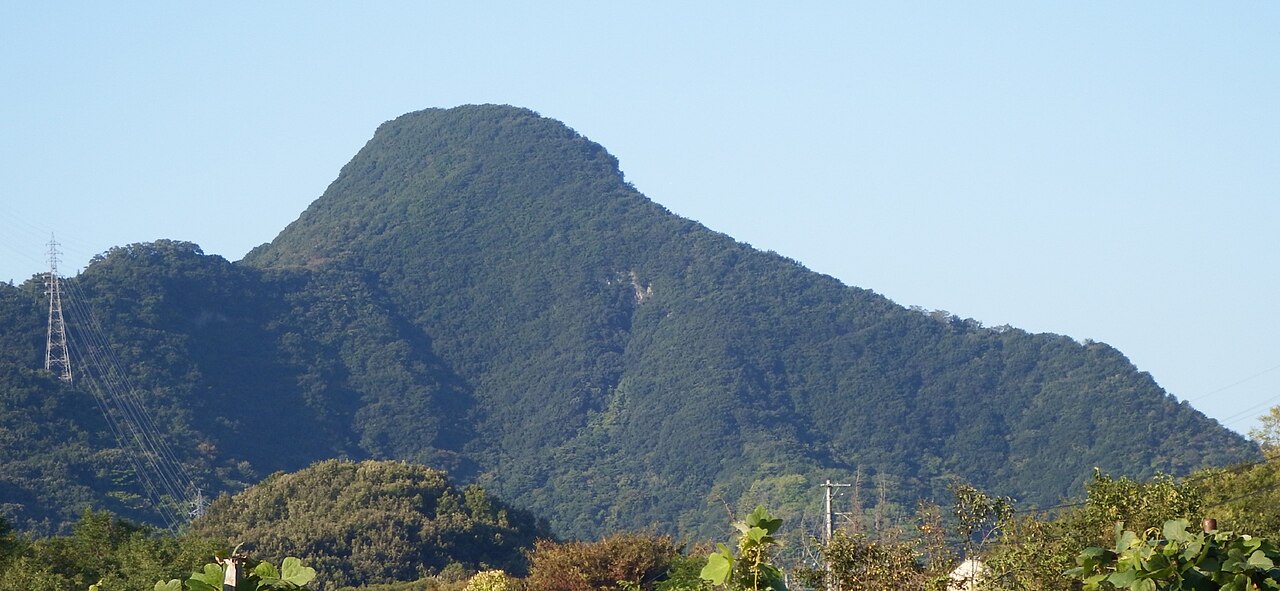
Amagiri Castle (天霧城, Amagiri-jō) stands as a significant example of a Muromachi period Japanese castle, constructed in the 14th century during Japan's late medieval era. Situated on the border of the modern cities of Zentsūji and Mitoyo, as well as the town of Tadotsu in Kagawa Prefecture, this castle played a strategic role in regional defense and control. The castle's ruins have been preserved as a National Historic Site since 1990, reflecting its cultural and historical importance. Historical context and significance The construction of Amagiri Castle coincided with a turbulent period in Japanese history, marked by feudal conflicts and shifting allegiances among regional warlords. As a Muromachi period fortress, it was built primarily for military defense and as a power base for local rulers. The castle's location in Kagawa Prefecture placed it in a strategic position overseeing important routes and territories on the island of Shikoku. During its active years, Amagiri Castle served as a stronghold for local samurai clans, who utilized its natural and man-made defenses to withstand sieges and maintain control over the surrounding lands. Its role in regional conflicts underscores the castle's importance in the late medieval political landscape of Japan. Architectural features and castle layout Although now in ruins, archaeological excavations and historical records provide insight into the castle's architecture. Amagiri Castle was primarily a hill castle (yamajiro), constructed on elevated terrain to maximize defensive advantages. The castle complex included multiple baileys (kuruwa) arranged on terraced slopes, connected by narrow paths and fortified with earthen walls and dry moats. The main enclosure (honmaru) likely housed the lord's residence and key defensive structures, including watchtowers and gates. Surrounding enclosures provided space for retainers, soldiers, and storage facilities. Defensive features such as stone walls and wooden palisades were integrated with the natural landscape to enhance protection against attackers. Excavations have revealed remnants of stone foundations and earthworks, indicating the scale and complexity of the fortifications. The castle's design reflects typical Muromachi period military architecture, emphasizing practical defense over ornamental elements. Decline and preservation With the unification of Japan under the Tokugawa shogunate in the early 17th century, many regional castles lost their military significance. Amagiri Castle was gradually abandoned and fell into ruin. Over the centuries, natural erosion and human activity further degraded the site. Recognizing its historical value, the Japanese government designated the ruins of Amagiri Castle as a National Historic Site in 1990. Preservation efforts have focused on protecting the remaining earthworks and stone foundations, as well as promoting public awareness of the castle's heritage. Visiting the ruins today Today, visitors to Amagiri Castle can explore the archaeological site, which offers a glimpse into late medieval Japanese castle construction and feudal history. While the castle no longer stands in its original form, the ruins provide valuable insight into the defensive strategies and architectural practices of the period. The site is accessible from the nearby cities of Zentsūji, Mitoyo, and the town of Tadotsu. Informational signage and guided tours help visitors understand the castle's layout and historical context. The surrounding landscape, including hills and forests, adds to the experience of exploring this historic Muromachi period site.

Late Medieval (14th–15th c.)
Details
24.2 km
Takamatsu Castle — Japan castle

Takamatsu Castle

Takamatsu, Japan

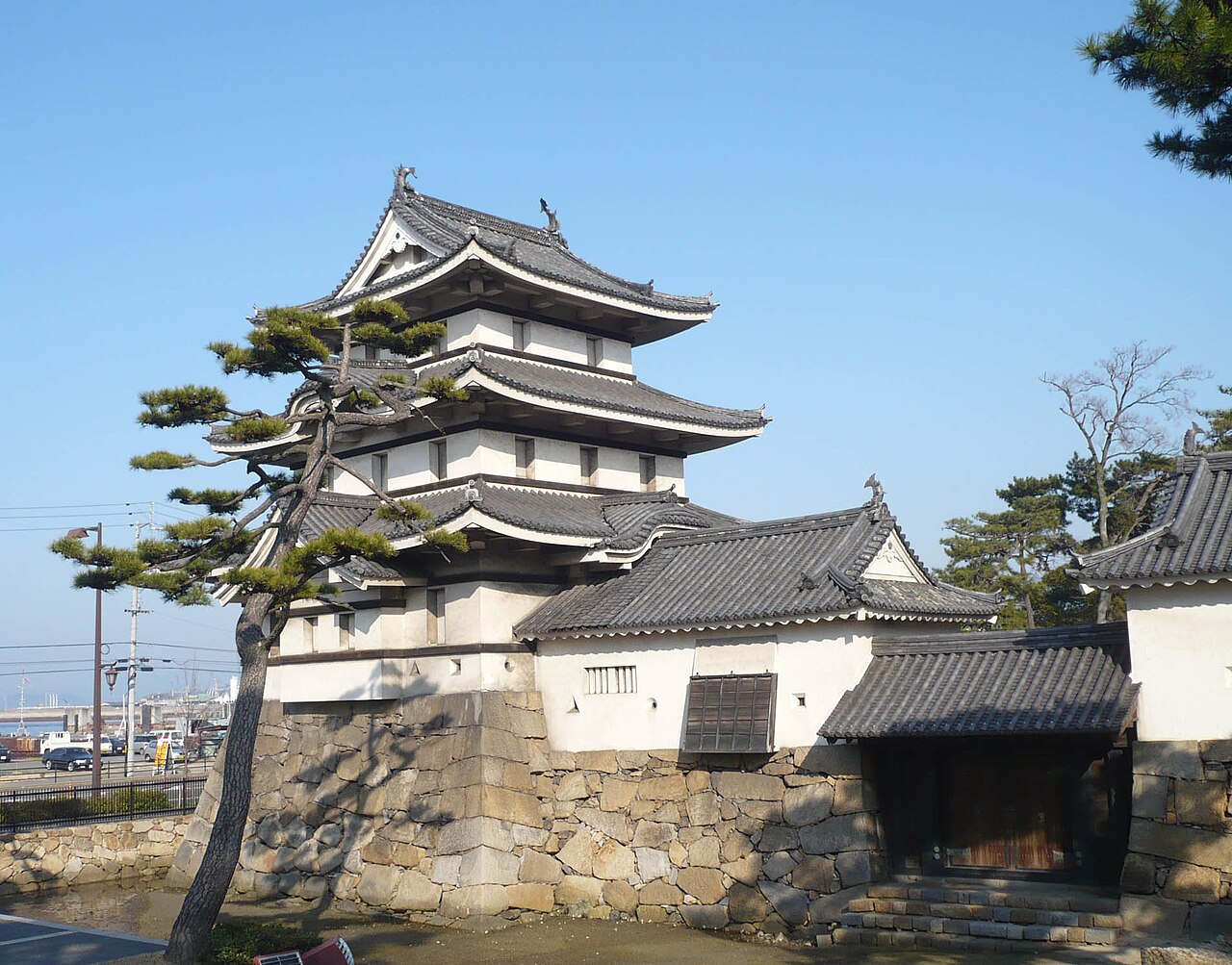
Takamatsu Castle, located in Takamatsu city on Japan's Shikoku island, is a remarkable example of a lowland castle uniquely constructed on the waterfront. Built between 1588 and 1590 under the direction of Ikoma Chikamasa, a retainer of the powerful warlord Toyotomi Hideyoshi, the castle stands out for its ingenious use of the ocean to fill its moats, a feature that earned it a place among Japan's celebrated three great water castles.The castle's strategic location on the Seto Inland Sea allowed it to harness tidal waters, creating a natural defensive barrier that made it appear as a floating fortress at high tide during its prime. This waterfront design was not only a defensive innovation but also an aesthetic marvel, integrating the castle seamlessly with its maritime environment.Historical background and ruling clansFollowing its completion, Takamatsu Castle became the seat of the Ikoma clan, who governed the domain for four generations. However, in 1639, the clan faced a significant setback when the young lord Ikoma Takatoshi was reassigned to the distant Dewa Province in northeastern Japan with diminished lands. This reassignment was a punitive measure resulting from internal conflicts involving the Ikoma retainers.Subsequently, the castle came under the control of the Matsudaira family, descendants of Tokugawa Ieyasu's grandson, Matsudaira Yorishige. The Matsudaira ruled Takamatsu until the Meiji Restoration, overseeing the castle's development during the Edo period.Architectural features and castle layoutDuring the Edo period, Takamatsu Castle featured an impressive three-level, five-story main keep (tenshu) along with approximately 20 yagura (turrets). The castle's layout emphasized defense and integration with its waterfront setting. The moats were filled directly with seawater, a rare characteristic among Japanese castles, which typically used freshwater sources.The stone walls and gates were constructed to withstand both land and naval assaults, and the castle's design incorporated multiple layers of defense, including battlements and watchtowers. The waterfront location also allowed for supply and communication via sea routes, enhancing its strategic importance.The mizunotegomon gate and tsukimi yagura turretToday, one of the few surviving structures from the original castle complex is the Mizunotegomon Gate, located adjacent to the Tsukimi Yagura turret. At high tide, water reaches the base of the gate, evoking the castle's historic waterfront character. These remnants provide valuable insights into the castle's original design and maritime defenses.Decline and preservation effortsAfter the Meiji Restoration, Takamatsu Castle was decommissioned in 1869. The main keep was dismantled in 1884 as part of the government's policy to reduce feudal symbols. Over time, much of the castle grounds were altered, including the filling in of parts of the oceanfront to create additional land for urban development.Despite these changes, the castle grounds retain significant portions of their stonework and water-filled moats, preserving the essence of its historic waterfront character. The site is now partially preserved, offering visitors a glimpse into its past grandeur.In recent years, there has been a strong local movement to reconstruct the castle's main keep. However, efforts have been challenged by the scarcity of detailed historical photographs and architectural records. At one point, the city even offered rewards for old photographs or information that could aid in an accurate reconstruction. As of the mid-2010s, plans were advancing despite these difficulties, reflecting the community's commitment to restoring this iconic landmark.Visitor experience and surrounding attractionsVisitors to Takamatsu Castle today can explore the castle grounds, including the Mizunotegomon Gate and the Tsukimi Yagura turret, and enjoy the scenic moats that recall the castle's waterfront heritage. The castle's location in Takamatsu city also provides easy access to other cultural and historical sites, such as Marugame Castle, which is known for its extensive stone walls and well-preserved keep.Planning a visit during high tide offers a unique perspective, as the water rises close to the castle structures, enhancing the impression of a fortress floating on the sea. The castle's blend of natural and man-made defenses makes it a fascinating study in Japanese castle architecture and maritime strategy.Takamatsu Castle remains a significant cultural asset, embodying the history of feudal Japan, the strategic ingenuity of waterfront fortifications, and the enduring legacy of the Ikoma and Matsudaira clans. Its story continues to inspire both historians and visitors alike.

Renaissance (15th–17th c.)
Details
40.2 km
Fukuyama Castle (Sōja) — Japan castle

Fukuyama Castle (Sōja)

Sōja, Japan

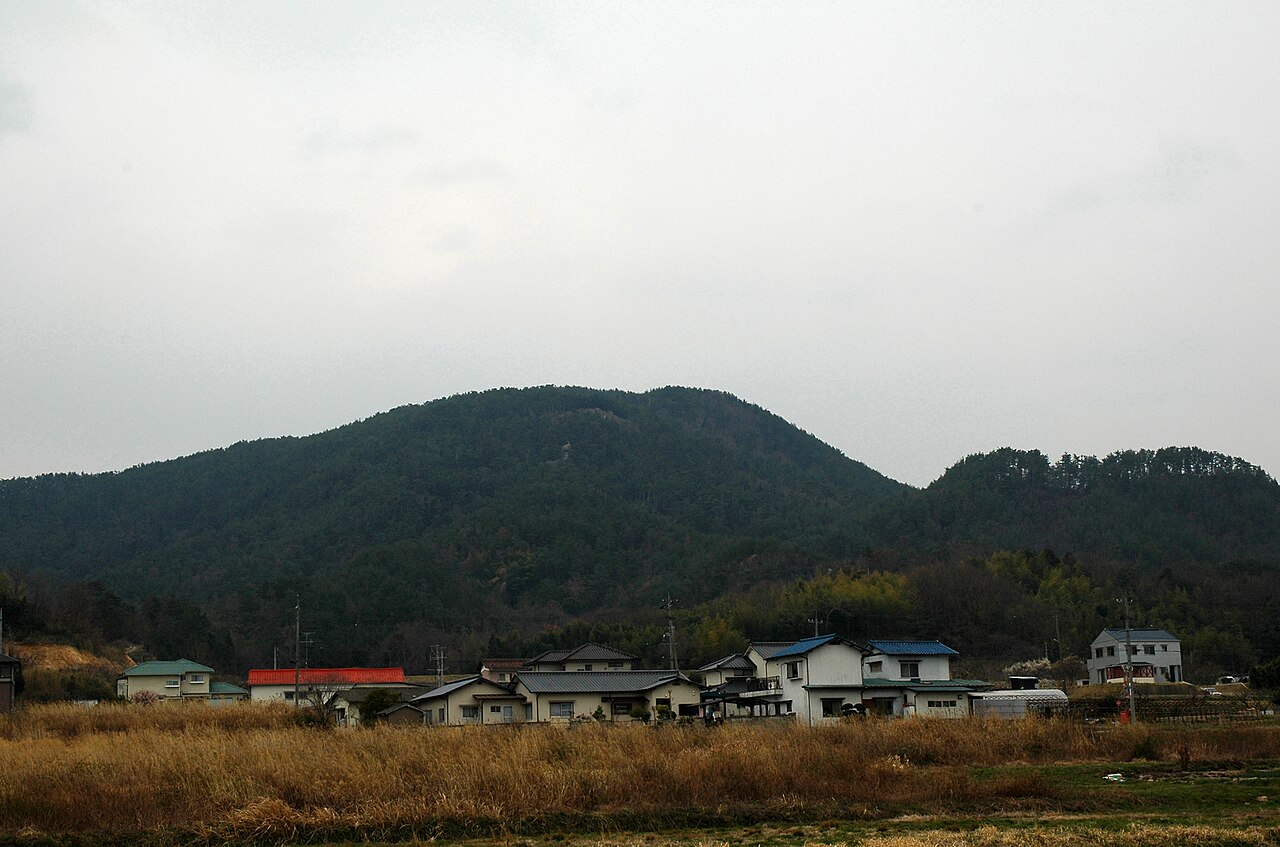
Fukuyama Castle (福山城, Fukuyama-jō) located in the Kiyonemiyori neighborhood of Sōja city, Okayama Prefecture, Japan, is a significant historic site representing the Nanboku-chō period of Japanese history. This castle was constructed in the yamajiro-style, a mountain castle design typical of the era, which emphasized natural terrain for defense. Although now in ruins, the site has been recognized for its cultural and historical importance and has been protected as a National Historic Site since 1936. Historical context and significance The castle was built during the Nanboku-chō period (1336–1392), a time marked by political division and military conflict between the Northern and Southern Courts of Japan. Fukuyama Castle served as a strategic fortification within Bitchū Province, an area that played a role in the ongoing struggles of the period. The castle's location on mountainous terrain offered natural defensive advantages, typical of yamajiro-style castles, which were designed to utilize steep slopes and forested surroundings to hinder enemy advances. Architectural features and layout As a yamajiro-style castle, Fukuyama Castle was constructed primarily with earthworks and wooden structures adapted to the mountainous landscape. The castle's design would have included fortified enclosures (kuruwa), earthen ramparts, and dry moats to enhance its defensive capabilities. Stone foundations might have been present in key areas, though the predominant use of natural terrain and wooden buildings was characteristic of castles from this period. The castle's layout likely consisted of multiple baileys arranged along the ridges of the mountain, connected by narrow paths and protected by steep slopes. Defensive features such as watchtowers and gates would have been positioned to maximize visibility and control access routes. The use of the natural environment was integral to the castle's defense strategy, minimizing the need for extensive stone walls common in later periods. Current condition and preservation Today, Fukuyama Castle exists as archaeological ruins with remnants of its earthworks and foundation stones visible. The wooden structures have not survived, which is typical for castles of this era due to the materials used and the passage of time. The site is maintained as a National Historic Site, ensuring protection and limited development to preserve its historical value. Visitors to the site can explore the ruins and gain insight into the defensive strategies and castle-building techniques of the Nanboku-chō period. Interpretive signage and local historical resources provide context for the castle's role in regional history. Fukuyama Castle's place in Japanese castle history Fukuyama Castle is an example of the yamajiro-style castles that were prevalent during the Nanboku-chō period, preceding the more stone-intensive castle architecture of the Sengoku and Azuchi-Momoyama periods. Its ruins offer valuable archaeological and historical insights into early medieval Japanese military architecture and feudal conflicts. The castle's preservation as a National Historic Site highlights the importance of such ruins in understanding Japan's feudal past and the evolution of castle construction techniques. While it does not possess the grandeur of later castles, Fukuyama Castle's remains are a testament to the strategic use of natural landscapes in Japanese castle design. Visiting information and cultural importance Though the castle is in ruins, the site is accessible to visitors interested in Japanese history and castle architecture. It provides an opportunity to experience the natural setting typical of mountain castles and appreciate the historical context of the Nanboku-chō period's military conflicts. The designation as a National Historic Site ensures ongoing preservation efforts and promotes awareness of the cultural heritage embodied by Fukuyama Castle. It is a valuable destination for scholars, historians, and tourists seeking to explore Japan's medieval past beyond the more famous castles.

Early Medieval (5th–10th c.)
Details