Fukuyama Castle (Sōja)
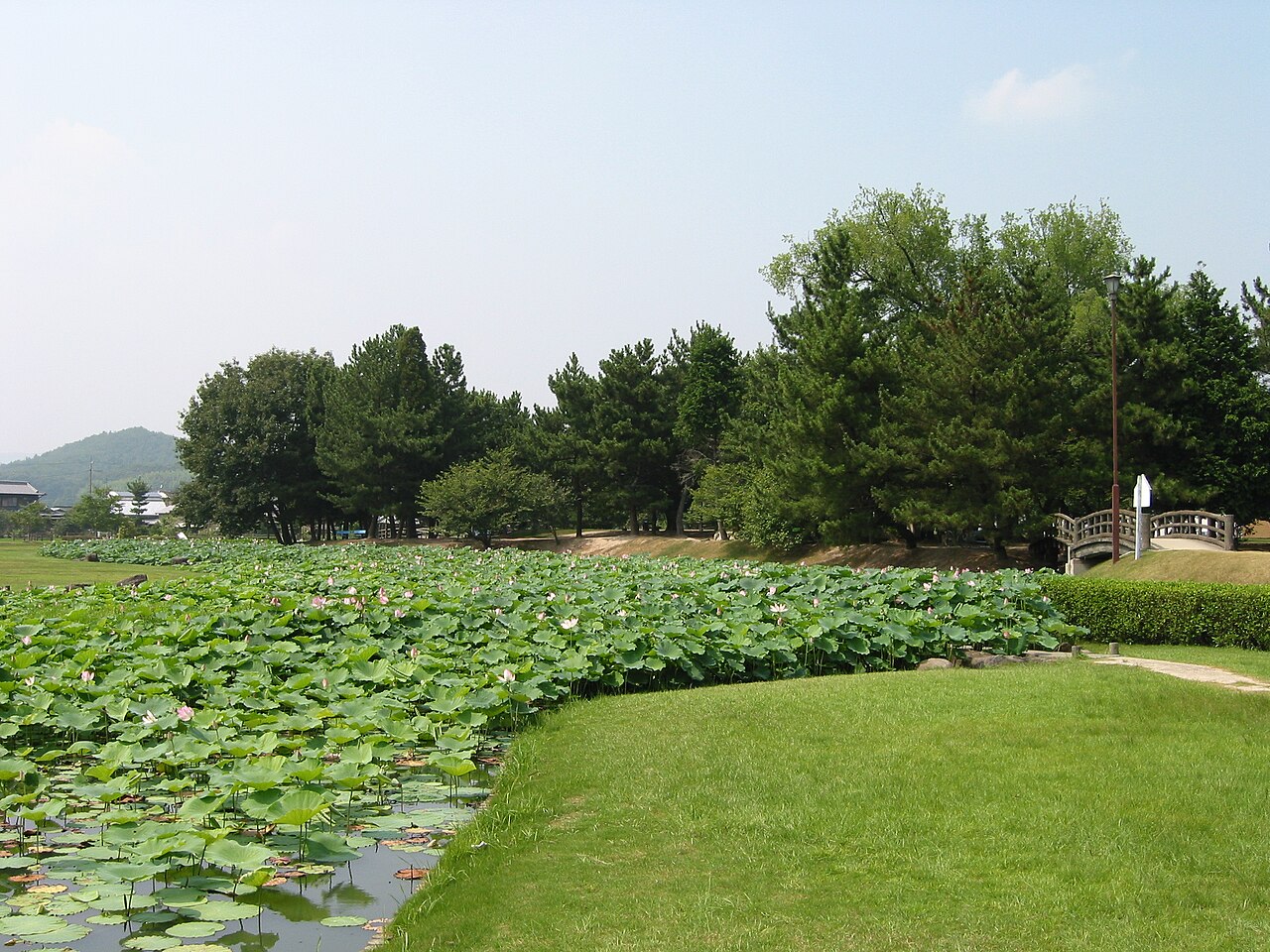
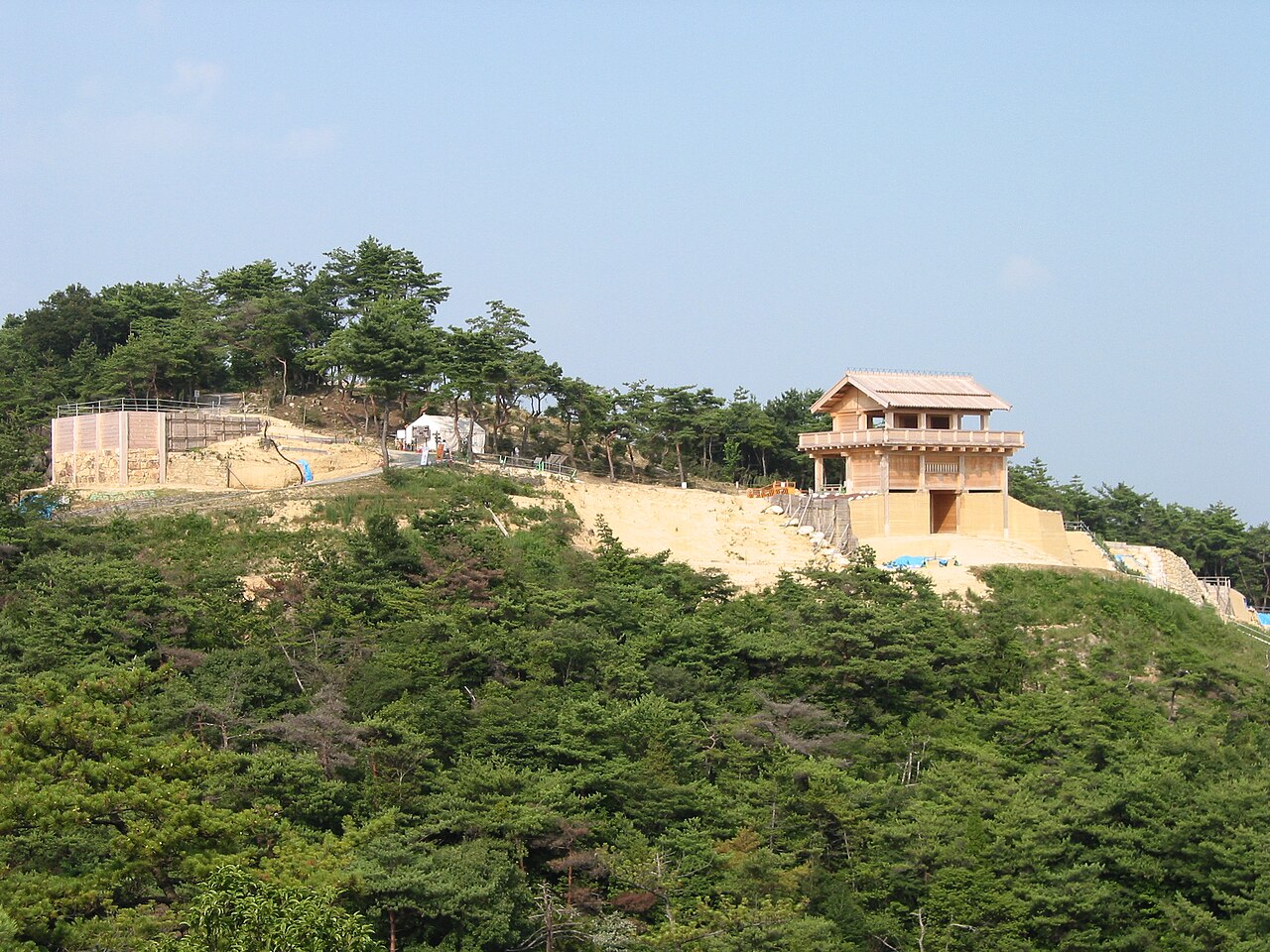
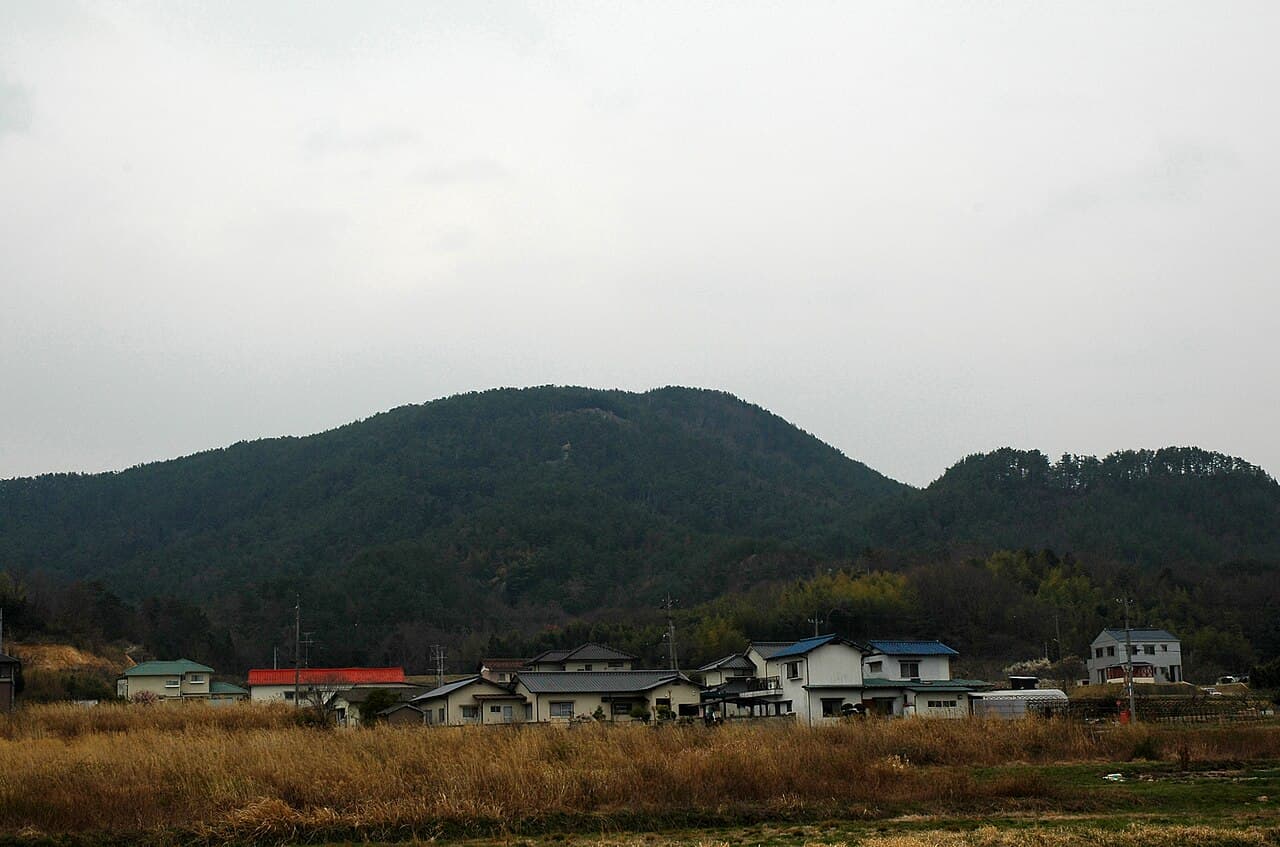
Fukuyama Castle (福山城, Fukuyama-jō) located in the Kiyonemiyori neighborhood of Sōja city, Okayama Prefecture, Japan, is a significant historic site representing the Nanboku-chō period of Japanese history. This castle was constructed in the yamajiro-style, a mountain castle design typical of the era, which emphasized natural terrain for defense. Although now in ruins, the site has been recognized for its cultural and historical importance and has been protected as a National Historic Site since 1936.
Historical context and significance
The castle was built during the Nanboku-chō period (1336–1392), a time marked by political division and military conflict between the Northern and Southern Courts of Japan. Fukuyama Castle served as a strategic fortification within Bitchū Province, an area that played a role in the ongoing struggles of the period. The castle's location on mountainous terrain offered natural defensive advantages, typical of yamajiro-style castles, which were designed to utilize steep slopes and forested surroundings to hinder enemy advances.
Architectural features and layout
As a yamajiro-style castle, Fukuyama Castle was constructed primarily with earthworks and wooden structures adapted to the mountainous landscape. The castle's design would have included fortified enclosures (kuruwa), earthen ramparts, and dry moats to enhance its defensive capabilities. Stone foundations might have been present in key areas, though the predominant use of natural terrain and wooden buildings was characteristic of castles from this period.
The castle's layout likely consisted of multiple baileys arranged along the ridges of the mountain, connected by narrow paths and protected by steep slopes. Defensive features such as watchtowers and gates would have been positioned to maximize visibility and control access routes. The use of the natural environment was integral to the castle's defense strategy, minimizing the need for extensive stone walls common in later periods.
Current condition and preservation
Today, Fukuyama Castle exists as archaeological ruins with remnants of its earthworks and foundation stones visible. The wooden structures have not survived, which is typical for castles of this era due to the materials used and the passage of time. The site is maintained as a National Historic Site, ensuring protection and limited development to preserve its historical value.
Visitors to the site can explore the ruins and gain insight into the defensive strategies and castle-building techniques of the Nanboku-chō period. Interpretive signage and local historical resources provide context for the castle's role in regional history.
Fukuyama Castle's place in Japanese castle history
Fukuyama Castle is an example of the yamajiro-style castles that were prevalent during the Nanboku-chō period, preceding the more stone-intensive castle architecture of the Sengoku and Azuchi-Momoyama periods. Its ruins offer valuable archaeological and historical insights into early medieval Japanese military architecture and feudal conflicts.
The castle's preservation as a National Historic Site highlights the importance of such ruins in understanding Japan's feudal past and the evolution of castle construction techniques. While it does not possess the grandeur of later castles, Fukuyama Castle's remains are a testament to the strategic use of natural landscapes in Japanese castle design.
Visiting information and cultural importance
Though the castle is in ruins, the site is accessible to visitors interested in Japanese history and castle architecture. It provides an opportunity to experience the natural setting typical of mountain castles and appreciate the historical context of the Nanboku-chō period's military conflicts.
The designation as a National Historic Site ensures ongoing preservation efforts and promotes awareness of the cultural heritage embodied by Fukuyama Castle. It is a valuable destination for scholars, historians, and tourists seeking to explore Japan's medieval past beyond the more famous castles.
Frequently asked questions (FAQ)
- What is the historical significance of Fukuyama Castle?
- Fukuyama Castle, built in the early Edo period, served as a strategic military stronghold and residence for the local daimyo. Its architecture reflects the traditional Japanese castle design and provides insight into the feudal era of Japan, making it an important cultural landmark.
- When was Fukuyama Castle constructed?
- Fukuyama Castle was originally constructed in 1622 and has undergone several renovations over the years. The castle's current structure showcases the architectural styles and defensive features typical of Japanese castles from the Edo period.
- Can I visit Fukuyama Castle year-round?
- Yes, Fukuyama Castle is open to visitors throughout the year. However, it's advisable to check for any special events or maintenance closures that may affect access to certain areas.
- What are the opening hours for Fukuyama Castle?
- Fukuyama Castle is generally open from 9:00 AM to 5:00 PM, but hours may vary by season. It's best to verify the specific hours before your visit to ensure you have ample time to explore the castle and its grounds.
- Is it possible to access Fukuyama Castle with public transportation?
- Yes, Fukuyama Castle is accessible via public transportation, including local buses and trains. The nearest train station is a short walk away, making it convenient for visitors to reach the castle without a car.
- What is the best time to visit Fukuyama Castle?
- The best time to visit Fukuyama Castle is during the spring months when cherry blossoms bloom, creating a stunning backdrop for the historic site. Autumn is also a beautiful time to visit due to the vibrant fall foliage surrounding the castle.
- Are there any nearby attractions to explore while visiting Fukuyama Castle?
- Yes, nearby attractions include the Fukuyama Museum of Art and the beautiful Shukkeien Garden. These sites offer additional cultural experiences and scenic views, making for a well-rounded visit.
- What are the ticket prices for entering Fukuyama Castle?
- The entrance fee for Fukuyama Castle is quite reasonable, typically around 400 yen for adults. Discounts may be available for children, seniors, or groups, so it's worth inquiring about any special rates when purchasing tickets.
- How do I get more information about events at Fukuyama Castle?
- For updates on events and activities at Fukuyama Castle, it's best to check the official castle website or local tourism information centers. They provide the latest news on festivals, guided tours, and special exhibitions that enhance the visitor experience.
Photo gallery

Information
Loading map...
Visitor reviews
No reviews yet. Been here? Write the first review and help other travelers!
Write the first reviewVisited this castle? Share your experience
Your review helps other travelers and adds first-hand knowledge to our encyclopedia.