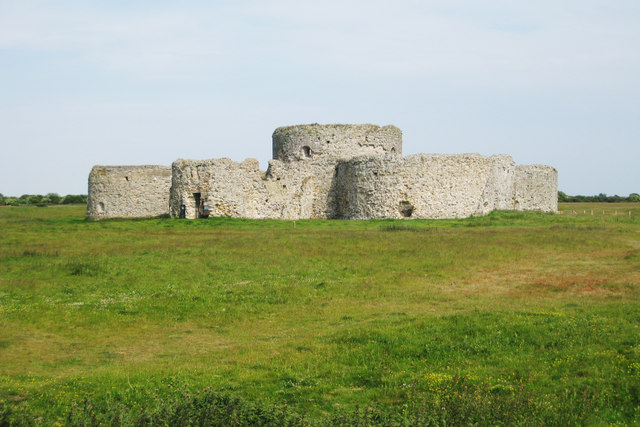
Martello Tower No. 28
Martello Tower No. 28 stands as a distinctive example of early 19th-century coastal defense architecture in Rye Harbour, located southwest of the historic town of Rye in East Sussex, England. This tower is part of a network of 74 Martello towers constructed along the southern coast of England between 1805 and 1808, designed to thwart the threat of a Napoleonic invasion.
Historical context and strategic purpose
During the early 19th century, the British Empire faced the looming threat of invasion by Napoleon Bonaparte's forces. In response, the British military commissioned a series of small defensive forts known as Martello towers to protect vulnerable coastal areas, particularly the coastlines of Kent and Sussex. These towers were strategically placed from Folkestone to Seaford, creating a chain of fortifications designed to delay or repel French landings.
Martello Tower No. 28 was one of these fortifications, positioned to guard the approaches near Rye Harbour, a location of tactical importance due to its proximity to the English Channel and access points inland.
Design inspiration and architectural features
The design of the Martello towers was inspired by a round fortress at Mortella Point in Corsica, completed in 1565. This fortress famously resisted a British naval attack in 1794 for two days, impressing British military engineers with its robust construction and defensive capabilities. The British adapted this design, though a misspelling transformed "Mortella" into "Martello".
Typical of Martello towers, No. 28 is a small, round fortification constructed primarily of brick masonry. It measures approximately 13.7 meters in diameter at the base and rises to about 12 meters tall. The walls are notably thick, up to 2.5 meters, providing substantial protection against artillery fire.
The interior is divided into two main floors. The lower floor served as storage for supplies and housed the powder magazine, while the upper floor contained living quarters for the garrison, including both the men's and the officer's accommodations. The garrison typically consisted of 15 to 25 men, commanded by a single officer.
On the flat roof, one or more cannons were mounted to provide a 360-degree field of fire against enemy ships or landing parties. The entrance to the tower was elevated about 3 meters above ground level and was accessible only by a retractable ladder, enhancing its defensibility.
Preservation and current status
Out of the original 74 towers built along the Kent and Sussex coastlines, only 45 remain today. Many have fallen into ruin or have been repurposed, with only nine retaining their original condition. Martello Tower No. 28 is one of the better-preserved examples, though it is currently not accessible to the public. It is situated adjacent to the entrance of a caravan park, allowing visitors to walk around and view the structure externally.
Despite its inaccessibility, the tower remains an important historical monument, representing the early 19th-century British coastal defense strategy and the architectural adaptation of Mediterranean fortification designs to the English coastline.
Architectural significance and legacy
The Martello towers are significant for their innovative use of compact, round designs that maximized defensive capabilities while minimizing the number of troops needed for effective defense. The thick masonry walls and elevated entrances were practical solutions to the threats posed by artillery and amphibious assaults of the period.
Martello Tower No. 28 exemplifies these features, serving as a physical reminder of the Napoleonic Wars and the military engineering advances of the time. The towers influenced later coastal defense designs and remain a subject of interest for historians and military architects alike.
Frequently asked questions (FAQ)
- What is Martello Tower No. 28?
- Martello Tower No. 28 is a small round coastal fort built in the early 19th century near Rye Harbour to defend against potential Napoleonic invasions.
- Can I visit Martello Tower No. 28?
- The tower is not open to the public, but visitors can walk around it easily as it is located next to the entrance of a caravan park.
- Why were Martello towers built?
- Martello towers were constructed between 1805 and 1808 along the Kent and Sussex coastlines to protect Britain from a feared French invasion during the Napoleonic Wars.
- What architectural features define Martello towers?
- Martello towers are characterized by thick brick walls up to 2.5 meters thick, a round design about 13.7 meters in diameter, elevated entrances, and rooftop cannon placements.
- How many Martello towers still exist?
- Out of the original 74 built, 45 towers remain today, with only nine retaining their original condition.
Information
Address
Harbour Rd, Rye Harbour, East Sussex, United Kingdom
Loading map...
Visitor reviews
No reviews yet. Been here? Write the first review and help other travelers!
Write the first reviewVisited this castle? Share your experience
Your review helps other travelers and adds first-hand knowledge to our encyclopedia.