Markuh Castle
Markuh Castle stands as a significant hill castle located in the Gilan region of northern Iran, specifically within the municipality of Ramsar. Its origins trace back to the early Islamic era, with scholarly estimates placing its construction around the 3rd century AH (9th century CE). This dating is supported by architectural comparisons with contemporaneous fortresses like Babak Castle, which share similar military design elements typical of the period.
Historical significance and ownership
Throughout its history, Markuh Castle played a strategic role in the regional power dynamics, particularly during the 6th century AH (12th century CE), when it came under the control of the Ismailis. This sect was known for its network of fortified strongholds across Persia, and Markuh Castle’s capture is documented in key historical chronicles such as Ziyadat al-Tawarikh and Jami’ al-Tawarikh by the renowned Persian historian Rashid al-Din Fazlullah Hamadani. The castle’s military importance during this period is underscored by its role as a defensive garrison and a symbol of Ismaili territorial influence.
Architectural features and construction
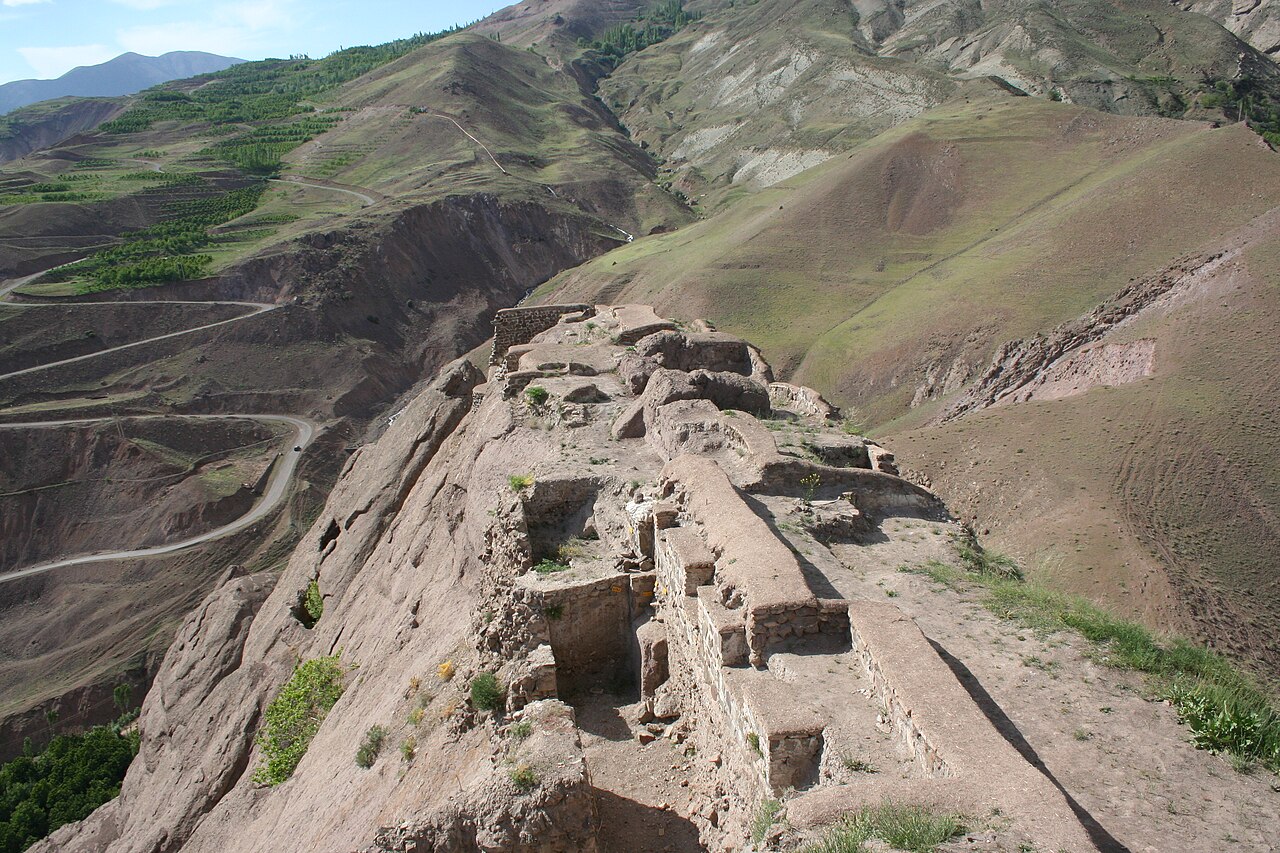
Markuh Castle occupies approximately 600 square meters atop a mountainous site, commanding panoramic views that would have been critical for early warning and defense. The fortress exemplifies post-Islamic military architecture, constructed primarily from stone, sarooj (a traditional water-resistant mortar), and plaster. These materials reflect the builders’ knowledge of durable construction suited to the mountainous environment and the need for resilience against sieges.
Defensive walls and towers
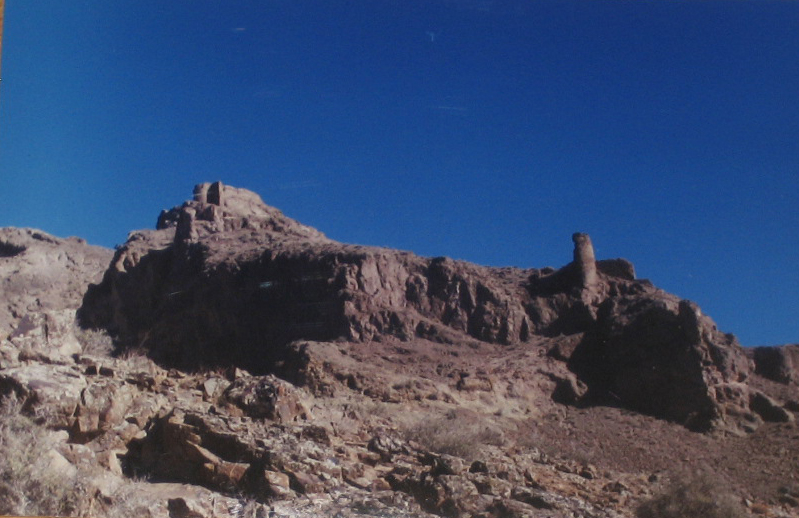
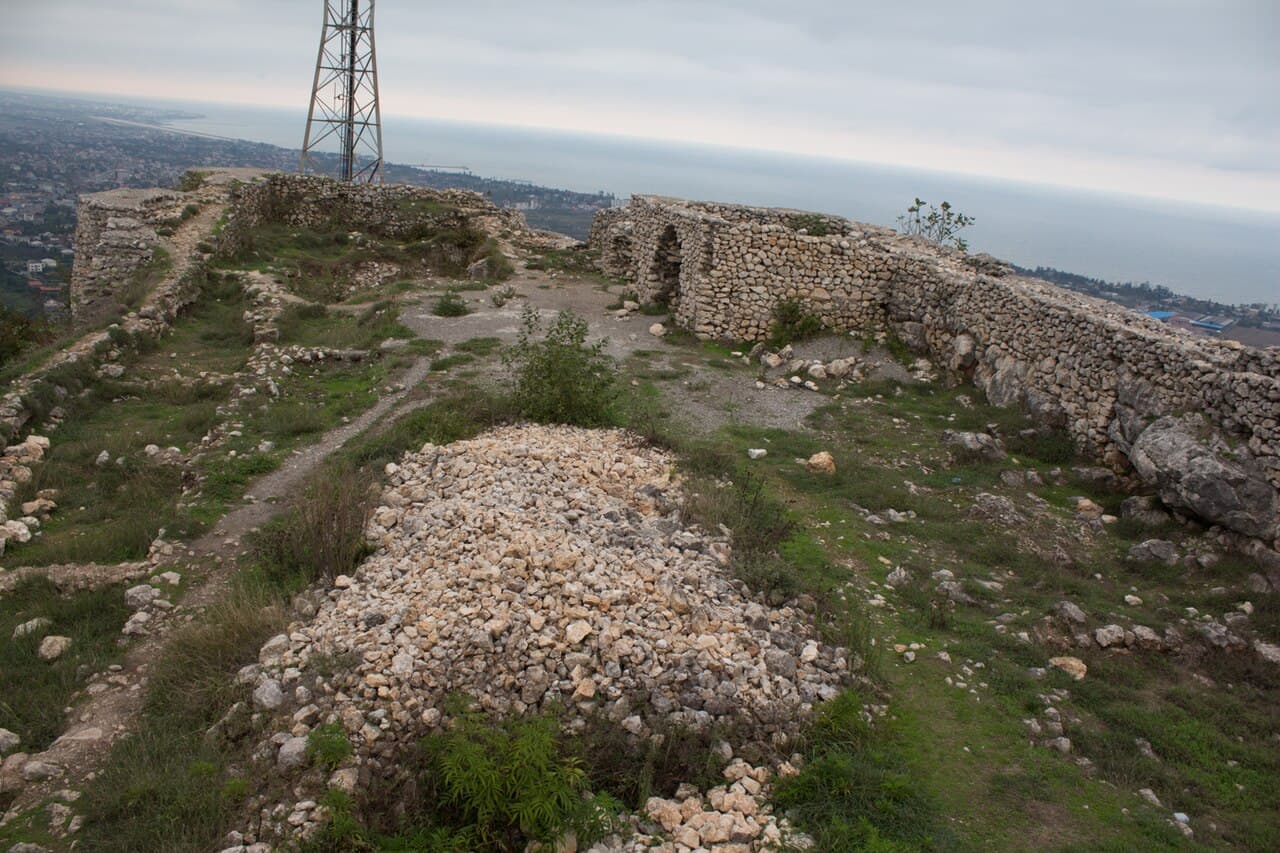
Today, the castle’s remains include four main perimeter walls and several defensive towers, which reveal much about its original layout and scale. The eastern wall is the most prominent, stretching about 17.7 meters in length, standing 6.3 meters tall, and measuring 2.3 meters wide at the base. The western wall is shorter, approximately 9 meters long, while the northern boundary is divided into two sections by a central stone, each nearly 15 meters in length. These robust fortifications suggest the castle could accommodate roughly one hundred soldiers, indicating its function as a significant military garrison.
Naqqareh khaneh (drum house)
A distinctive architectural feature near the summit is the Naqqareh Khaneh, or drum house. This unique structure produces a resonant sound when a particular stone is struck, audible up to 2.5 kilometers away. This acoustic property likely served as an early form of communication or signaling system within the fortress, enabling rapid transmission of alerts or messages across the mountainous terrain.
Water management and internal structures
One of the notable internal features is a large pit initially believed by locals to be a secret tunnel connecting Markuh Castle to the nearby village of Niaste. However, detailed studies have clarified that this cavity functioned as a cold water reservoir, ingeniously designed to address the castle’s lack of direct access to natural water sources. This reservoir exemplifies the practical engineering solutions employed by the castle’s occupants to sustain a defensive stronghold in a challenging environment.
Strategic importance and legacy
Markuh Castle’s location atop a mountain provided strategic advantages, including extensive visibility and difficult access for potential attackers. Its design reflects a combination of defensive strategy, resource management, and adaptation to the rugged landscape, characteristics typical of post-Islamic military fortresses in the region.
Although its active military use declined after the medieval period, the castle remains an important cultural and historical monument. Its designation as a national heritage site of Iran on March 16, 2001, ensures ongoing preservation and scholarly attention. Today, the site offers valuable insights into the military architecture and engineering practices of the early Islamic period in northern Iran.
Preservation and current condition
The castle’s current state is partially preserved, with significant sections of its walls and towers still standing. Despite the loss of many internal structures, the remaining fortifications allow visitors and researchers to appreciate the original scale and defensive capabilities of the fortress. The use of traditional materials like sarooj contributes to the durability of the ruins, which continue to withstand the mountain climate.
Visiting markuh castle
While the castle’s remote mountain location presents some challenges for visitors, it remains accessible to those interested in historical architecture and Persian heritage. The panoramic views from the site and the unique acoustic feature of the Naqqareh Khaneh add to the visitor experience. Preservation efforts aim to balance public access with the protection of this valuable archaeological site.
Frequently asked questions (FAQ)
- When was Markuh Castle built?
- Markuh Castle was constructed around the 3rd century AH, which corresponds to the 9th century CE, during the early Islamic period.
- What is the architectural style of Markuh Castle?
- Markuh Castle exemplifies post-Islamic military architecture, using stone, sarooj mortar, and plaster typical of northern Iran's fortresses.
- Why was the Naqqareh Khaneh important?
- The Naqqareh Khaneh, or drum house, produced a resonant sound audible up to 2.5 kilometers, likely used for signaling within the fortress.
- Is there a secret tunnel in Markuh Castle?
- No, what was once thought to be a secret tunnel is actually a cold water reservoir designed to address the lack of natural water sources.
- What is the current condition of Markuh Castle?
- The castle is partially preserved, with four perimeter walls and some defensive towers still standing, showcasing its original layout.
Photo gallery

Information
Loading map...
Visitor reviews
No reviews yet. Been here? Write the first review and help other travelers!
Write the first reviewVisited this castle? Share your experience
Your review helps other travelers and adds first-hand knowledge to our encyclopedia.