Marienburg
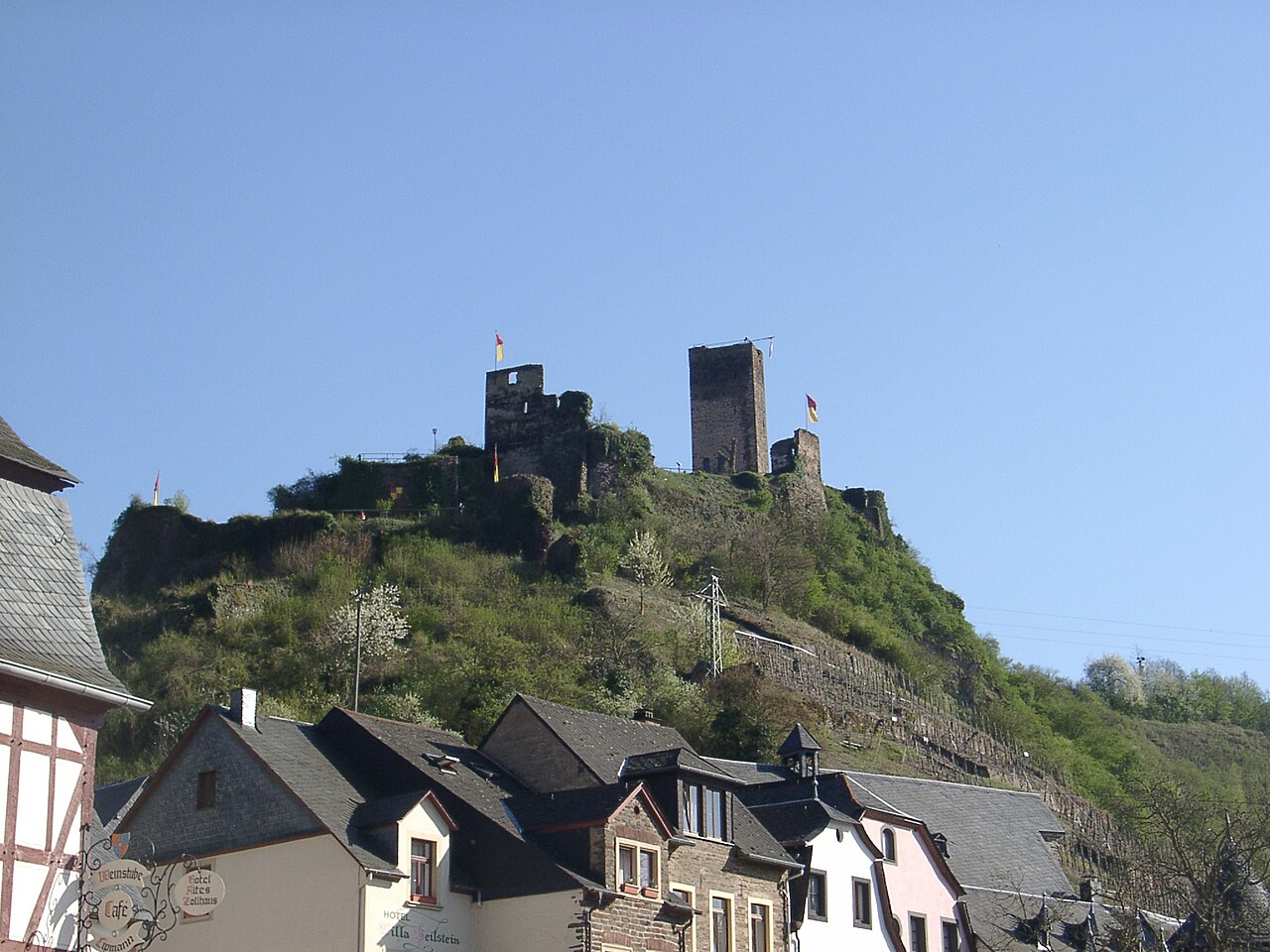
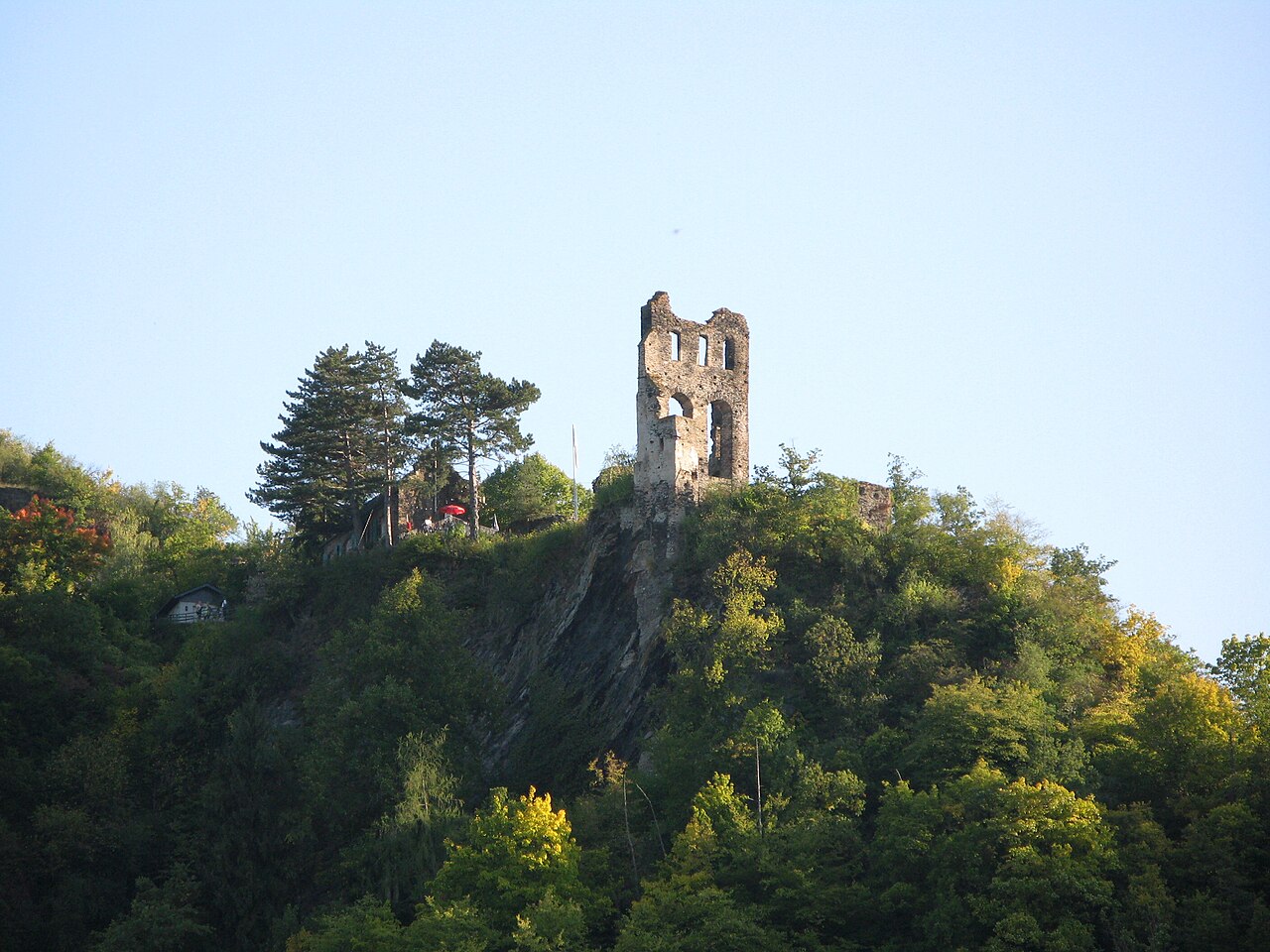
Marienburg Castle is perched prominently on a mountain ridge overlooking the narrow Mosel bight near Zell (Mosel), Germany. The castle's elevated position offers sweeping views across the wine-growing towns and villages of the Zell region and the nearly 14-kilometer-long Mosel bight. This strategic location has been significant for over a millennium, with a castle existing on the site more than 1000 years ago.
Historical background and early origins
The earliest known fortification on the site dates back to the early medieval period, serving as a defensive stronghold that controlled the vital river passage and surrounding lands. In 1146, an Augustinian convent was established here, marking a shift from purely military use to religious and communal functions. The convent remained an important institution until its dissolution in 1515, when the site was transformed into a fortress.
Construction and architectural evolution
Renaissance fortress and destruction
Following the dissolution of the convent, a Renaissance fortress was constructed in 1515 to replace the religious buildings. This fortress was designed to reflect the military architectural advances of the period, incorporating robust defensive features suitable for the evolving nature of warfare. However, the fortress suffered destruction in 1650 at the hands of French auxiliaries during the turbulent conflicts of the 17th century.
Baroque rebuilding and remaining structures
In the subsequent Baroque period, the Marienburg was rebuilt, incorporating the stylistic and architectural trends of the time. Some sections of wall near the large car park today are remnants of the former Marienburg Farm, which historically supplied the castle during the Middle Ages. The castle complex thus reflects a blend of architectural styles and functions accumulated over centuries.
Architectural features and stylistic layers
The castle complex is notable for its three distinct architectural styles visible in different parts of the building. The nave dates back to the 12th century, representing the earliest surviving structure on the site. The late Gothic choir, constructed in the second half of the 15th century, is a significant surviving element of the old convent church. This choir was carefully rebuilt in 1957, preserving its historical and artistic value. Additionally, the elevated choir stonework with characteristic oval windows dates from the 18th century, reflecting the Baroque influence during the castle's reconstruction.
Convent church remnants
The late Gothic choir is the only remaining part of the original convent church, serving as an important architectural and historical link to the site's religious past. Its preservation and reconstruction highlight the blend of medieval and later architectural elements that define the castle today.
Current use and cultural significance
Today, Marienburg Castle functions as a youth education centre and includes a guest house and conference centre. This adaptive reuse ensures the castle remains a vibrant part of the community while preserving its rich heritage. The castle's location, architectural diversity, and historical layers make it a site of both natural beauty and significant cultural interest.
Visitor experience and surroundings
Visitors to Marienburg Castle can enjoy panoramic views of the Mosel valley, explore the castle's varied architectural features, and learn about its complex history spanning from the early medieval period through Renaissance and Baroque times. The surrounding landscape, dominated by vineyards and historic towns, enhances the castle's appeal as a destination for cultural tourism and historical study.
Frequently asked questions (FAQ)
- How do I get to Castle Marienburg?
- Castle Marienburg is located in Zell (Mosel), Germany, easily accessible by car or public transport. If you are traveling by train, the nearest station is in Zell, from where you can take a short taxi ride or enjoy a scenic walk to the castle.
- What are the opening hours for Castle Marienburg?
- Castle Marienburg is typically open to visitors from April to October, daily from 10 AM to 6 PM. During the winter months, the castle may have limited opening hours, so it is advisable to check the official website for the latest information before your visit.
- Can I take a guided tour of Castle Marienburg?
- Yes, guided tours are available at Castle Marienburg, providing insights into its rich history and architectural features. These tours often last about an hour and are led by knowledgeable guides who can answer your questions and enhance your experience.
- What is the historical significance of Castle Marienburg?
- Castle Marienburg dates back to the 13th century and is an important example of medieval architecture in the Mosel region. It has served various purposes throughout its history, including as a fortress and residence, and is now a symbol of local heritage and culture.
- Is it possible to host events at Castle Marienburg?
- Yes, Castle Marienburg offers facilities for hosting private events, including weddings and corporate gatherings. The stunning backdrop of the castle and its picturesque surroundings provide a unique setting for memorable occasions.
- When is the best time to visit Castle Marienburg?
- The best time to visit Castle Marienburg is during the spring and early autumn when the weather is mild and the surrounding landscape is particularly beautiful. This period also showcases the vibrant vineyards in the area, making for a picturesque visit.
- What are the ticket prices for Castle Marienburg?
- Ticket prices for Castle Marienburg vary depending on the type of tour and age of the visitors. Generally, adults can expect to pay around €8, while discounts are often available for children, students, and seniors.
- Are there any nearby attractions to visit after Castle Marienburg?
- Yes, there are several nearby attractions worth visiting, including the charming town of Zell, known for its wine production, and the Mosel river, perfect for scenic boat tours. Other attractions include local vineyards and hiking trails that offer breathtaking views of the region.
- Is Castle Marienburg accessible for visitors with disabilities?
- Castle Marienburg is committed to providing accessibility for all visitors. While some areas may be challenging due to the castle's historical structure, efforts have been made to accommodate those with mobility issues, including accessible pathways and facilities.
Information
Loading map...
Visitor reviews
No reviews yet. Been here? Write the first review and help other travelers!
Write the first reviewVisited this castle? Share your experience
Your review helps other travelers and adds first-hand knowledge to our encyclopedia.