Mansion of András Bethlen — Romania castle

Mansion of András Bethlen

Mansion of andrás bethlen
Late Medieval (14th–15th c.)
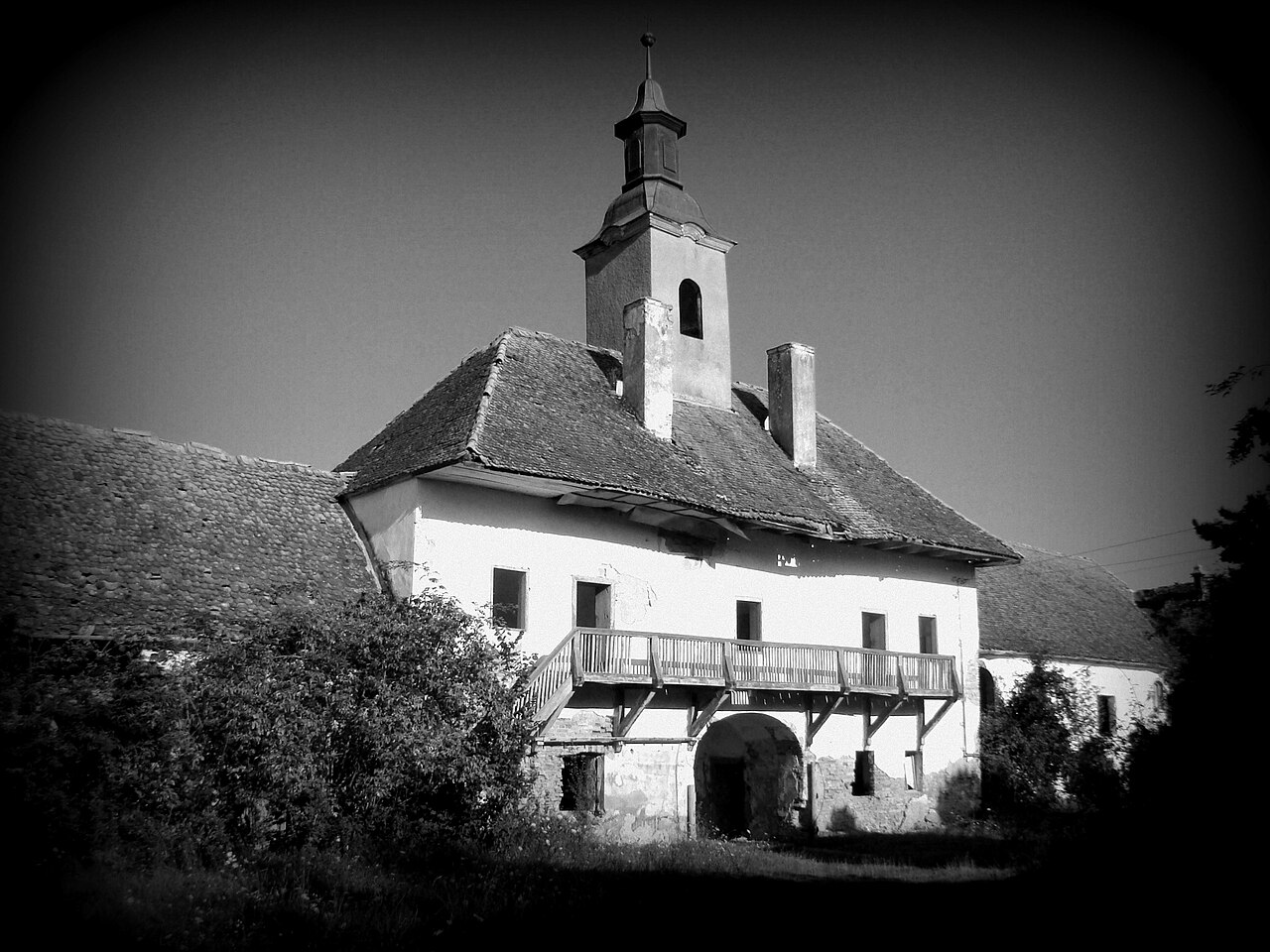
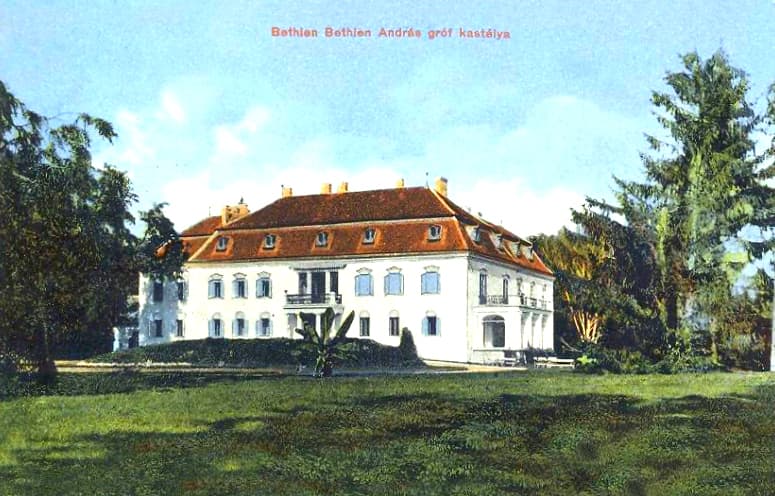
The Mansion of András Bethlen is a notable example of a hill castle situated in Romania, dating back to the 14th century. This late medieval structure reflects the architectural and historical context of the region during that period. While specific details about its exact location within Romania remain unclear, the mansion is recognized for its strategic placement on elevated terrain, typical of hill castles designed for both defense and status.

Architectural features and design

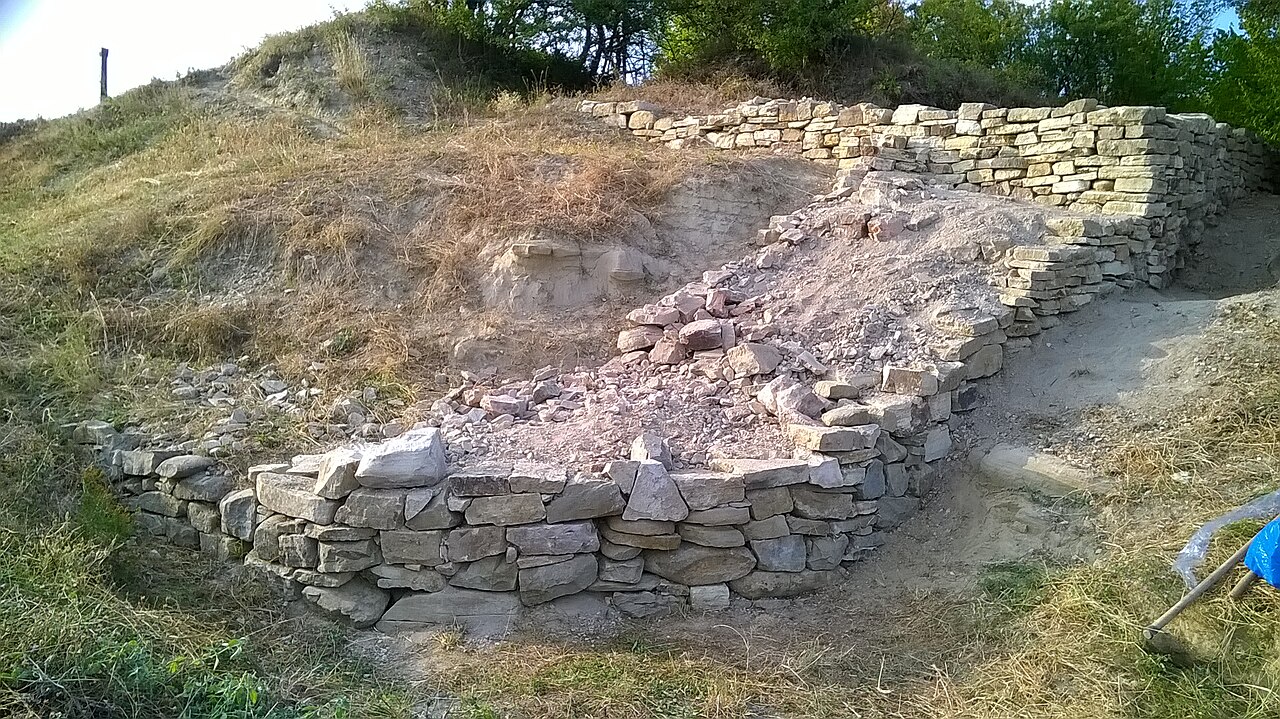
The mansion exhibits characteristics typical of late medieval hill castles, including robust stone walls and defensive elements adapted to its elevated position. The structure likely includes fortified towers and a keep or central stronghold, which would have served as a residence as well as a defensive refuge. The use of local stone materials and medieval construction techniques would have contributed to its durability and imposing presence.

Given the period of construction, the mansion may integrate early elements transitioning toward renaissance influences, though its primary style remains rooted in medieval fortification architecture. Defensive features such as battlements, arrow slits, and possibly a moat or natural water defenses would have been integral to its design, reflecting the turbulent political and military climate of the 14th century in the region.

Historical context and significance

The mansion is associated with the Bethlen family, an influential noble lineage in Transylvania and surrounding areas. Members of the Bethlen family played significant roles in regional politics, military affairs, and cultural patronage during the medieval and early modern periods. The construction of such a mansion would have symbolized their social status and power.

During the late medieval period, Transylvania experienced various conflicts, including internal noble disputes and external threats from the Ottoman Empire and other powers. The mansion's fortified nature would have been essential for protection and asserting control over local territories.

Preservation and current condition

Information about the current condition of the Mansion of András Bethlen is limited. Given the age of the structure, it may exist in a partially preserved or ruined state, typical of many medieval castles in the region. Efforts to preserve or restore such historic buildings vary depending on local resources and interest in cultural heritage.

Visitors interested in medieval architecture and Transylvanian history may find the mansion a point of interest, particularly as part of broader tours exploring noble residences and fortifications in Romania.

Cultural and architectural importance

The Mansion of András Bethlen stands as a representation of the medieval aristocratic lifestyle and the defensive needs of the time. Its architecture provides insight into construction methods and stylistic preferences in the region during the 14th century. The association with the Bethlen family adds a layer of historical significance, linking the site to notable figures in Romanian and Transylvanian history.

As a hill castle, it contributes to the understanding of how geography influenced castle design and placement, emphasizing the strategic use of elevated land for surveillance and defense.

Frequently asked questions (FAQ)

How do I get to the Mansion of András Bethlen?
The Mansion of András Bethlen is located in Romania, easily accessible by car or public transport. The nearest major city is Aiud, from where you can take a local bus or taxi to reach the castle. Make sure to check local transport schedules for the most convenient options.
What is the historical significance of the Mansion of András Bethlen?
The Mansion of András Bethlen is a notable example of Renaissance architecture and reflects the rich history of Transylvania. Built in the 17th century, it served as a residence for the Bethlen family, influential figures in Romanian history. The mansion is a testament to the region's cultural heritage and is often associated with various historical events.
When was the Mansion of András Bethlen built?
Construction of the Mansion of András Bethlen began in the early 1600s, with significant renovations completed in the 18th century. Over the years, it has been preserved to maintain its historical character. The architectural style combines elements of Renaissance and Baroque, showcasing the artistic trends of its time.
Can I visit the Mansion of András Bethlen during the winter?
Yes, the Mansion of András Bethlen is open for visitors year-round, although some areas may be less accessible during winter months due to weather conditions. It's advisable to check for any seasonal events or special opening hours that may apply during this time. Dress warmly if you visit in colder months, as the castle can be chilly.
Why is the architecture of the Mansion of András Bethlen unique?
The architecture of the Mansion of András Bethlen is unique due to its blend of Renaissance and Baroque styles, which is rare in the region. Its intricate facades, grand staircases, and beautifully preserved interior rooms reflect the elegance of its historical era. The mansion is often praised for its aesthetic value and historical integrity.
Is it possible to take guided tours of the Mansion of András Bethlen?
Yes, guided tours are available at the Mansion of András Bethlen, providing visitors with insights into its history and architecture. Tours are typically led by knowledgeable guides who share stories about the Bethlen family and the castle's significance. It is recommended to book your tour in advance, especially during peak tourist seasons.
What are the opening hours for the Mansion of András Bethlen?
The Mansion of András Bethlen is generally open from 10 AM to 6 PM, but hours may vary seasonally or during holidays. It's best to check the official website or contact the castle directly for the most up-to-date information. Arriving early can enhance your experience and give you more time to explore the grounds.
What are the ticket prices for visiting the Mansion of András Bethlen?
Ticket prices for the Mansion of András Bethlen are typically modest, making it an affordable attraction for visitors. Discounts may be available for students, seniors, or groups, so be sure to inquire about any promotions when purchasing your tickets. Children under a certain age may enter for free, adding to the family-friendly appeal of the site.
Are there any nearby attractions to visit after the Mansion of András Bethlen?
Yes, there are several nearby attractions to explore after visiting the Mansion of András Bethlen. The picturesque town of Aiud offers charming streets and historical sites, while the stunning Apuseni Mountains provide opportunities for hiking and nature walks. Don't miss the chance to experience the local culture and cuisine in the surrounding area as well.

Photo gallery

Mansion of András Bethlen
Click to view

Photo by Țetcu Mircea Rareș•CC BY-SA 4.0

1 photo • Click any image to view in full screen

Information

Hill Castle

Loading map...

Visitor reviews

No reviews yet. Been here? Write the first review and help other travelers!

Write the first review

Visited this castle? Share your experience

Your review helps other travelers and adds first-hand knowledge to our encyclopedia.
Write a review

(5/5)

0/2000 characters

Your review will be visible after admin approval

Nearby castles

8.1 km
Károly Castle, Dobric — Romania castle

Károly Castle, Dobric

Dobric, Romania

Károly Castle, located in the village of Dobric in Romania, is a notable example of a hill castle that reflects the architectural and historical heritage of the region. Though not as widely known internationally as some other Romanian castles, Károly Castle holds local significance due to its strategic location and its representation of medieval fortification styles. Historical context and location The castle is situated on elevated terrain, characteristic of hill castles, which were often constructed to provide natural defense advantages. The elevation allowed defenders to monitor surrounding areas and control access routes, a common strategic feature in medieval fortifications across Europe. Dobric, the village where the castle stands, is located in Romania, a country with a rich history of fortifications influenced by various cultural and political changes over centuries. Károly Castle likely served as a local stronghold during periods of regional conflict and territorial defense. Architectural features As a hill castle, Károly Castle's design would have incorporated the natural topography to enhance its defensive capabilities. Typically, such castles include robust stone walls, towers for surveillance and defense, and a fortified gatehouse controlling entry. While specific architectural details of Károly Castle are less documented, it is reasonable to infer that it features some or all of these elements. The castle's construction period is believed to be within the medieval era, although exact dating is uncertain. The style likely reflects the regional influences of the time, possibly incorporating elements of Gothic or transitional medieval architecture, common in Romanian castles built between the 13th and 16th centuries. Preservation and current status The current condition of Károly Castle is not extensively documented, but many castles of similar type and age in Romania exist in states ranging from ruins to partially preserved. The castle's preservation status would impact its accessibility and the extent to which visitors can explore its structures. Efforts to maintain or restore such castles are often undertaken by local authorities or heritage organizations, aiming to protect cultural landmarks and promote tourism. The castle’s location in Dobric offers scenic views and a tangible connection to Romania’s medieval past. Significance and cultural heritage Károly Castle contributes to the cultural landscape of Romania by representing the medieval defensive architecture typical of the region. Its presence underscores the historical importance of fortifications in protecting local communities and controlling strategic territories. While it may not be as prominent as larger Romanian castles like Bran Castle or Corvin Castle, Károly Castle remains an important part of local heritage and offers insights into the architectural and historical developments of hill castles in Eastern Europe. Visitor information Information on visiting Károly Castle is limited, but visitors interested in medieval architecture and Romanian history may find the site worthwhile. The castle’s hilltop location provides opportunities for hiking and photography, especially for those interested in exploring lesser-known historical sites. Prospective visitors should check with local tourism offices or heritage organizations in Dobric or the surrounding region for up-to-date information on access, guided tours, and any preservation activities.

Details
11.8 km
Cetatea Unguraș — Romania castle

Cetatea Unguraș

, Romania

Cetatea Unguraș is a medieval castle ruin located in Romania, notable for its strategic hilltop position and archaeological significance. The site represents the remains of a fortified settlement that played a role in regional defense during the medieval period. Although the exact founding date is uncertain, the castle is generally associated with the High Medieval era, reflecting typical fortification techniques of that time. Historical context and significance The castle was likely constructed as a defensive stronghold to protect local communities and trade routes in the region. Its location on elevated terrain provided a natural advantage for surveillance and defense against invaders. The name "Unguraș" suggests a connection to Hungarian influences or settlers, which aligns with the historical presence of Hungarian nobility and military activity in parts of Transylvania during the medieval period. Throughout its history, Cetatea Unguraș would have witnessed various military and political events, though specific documented battles or sieges are not well recorded. The castle's eventual decline and ruin correspond with the broader shifts in military technology and political control in the region, leading to abandonment and decay. Architectural features and layout The remains of Cetatea Unguraș exhibit characteristics typical of hill castles built during the medieval period. The site includes remnants of defensive walls constructed from local stone, which once enclosed the main fortress area. Although much of the structure has collapsed, archaeological excavations have revealed the foundations of towers and gatehouses that formed part of the castle's defensive system. The castle's layout was likely compact, designed to maximize the defensive advantage of the hilltop while accommodating essential facilities such as living quarters, storage rooms, and possibly a chapel. The use of natural rock formations was integrated into the construction to enhance the fortification. Defensive elements Key defensive features included thick curtain walls and strategically placed towers that allowed defenders to monitor and repel attackers effectively. The entrance was probably protected by a gatehouse with additional fortifications to control access. The castle's elevated position functioned as a natural moat, making direct assaults difficult. Archaeological research and preservation As an archaeological ruin, Cetatea Unguraș has been the subject of various studies aimed at uncovering its historical layout and understanding its role in regional history. Excavations have provided insights into medieval construction techniques and the daily life of its inhabitants. Preservation efforts focus on stabilizing the remaining structures and protecting the site from further degradation. The ruins offer valuable cultural heritage and attract researchers interested in medieval fortifications in Romania. Visiting information Cetatea Unguraș is accessible to visitors interested in medieval history and archaeology. As a ruin, it offers an evocative glimpse into the past, though facilities may be limited. Visitors should prepare for uneven terrain and bring appropriate footwear for exploring the hilltop site. The castle's remote location provides a quiet environment for historical exploration, with scenic views of the surrounding landscape. It is recommended to visit during daylight hours for safety and optimal viewing conditions.

High Medieval (11th–13th c.)
Details
38.3 km
Castelul Teleki din Posmuș — Romania castle

Castelul Teleki din Posmuș

, Romania

Castelul Teleki din Posmuș is a notable hill castle situated in Romania, representing a significant architectural and historical landmark. Though detailed records of its construction date are scarce, it is associated with the Teleki family, a prominent noble lineage in Transylvania. The castle's location on elevated terrain classifies it as a hill castle, a common strategic choice in medieval fortifications to enhance defense and visibility. Historical background and significance The Teleki family, influential in Transylvanian history, owned several estates and castles, with Castelul Teleki din Posmuș being among their possessions. This castle reflects the socio-political status of the family during the period it was built and used. While precise construction dates remain uncertain, the castle likely dates back to the late medieval period or early modern era, aligning with the period when noble families fortified their residences for both defense and status. Architectural features and style The castle exhibits characteristics typical of hill castles, utilizing the natural elevation for defense. Its design likely includes fortified walls, towers, and a gatehouse, common elements in noble residences intended to withstand sieges and attacks. The architectural style may incorporate elements from late medieval to early Renaissance periods, reflecting transitional styles prevalent in Transylvania during the 16th and 17th centuries. Defensive structures Given its classification as a hill castle, Castelul Teleki din Posmuș would have strategic defensive features such as battlements, arrow slits, and possibly a moat or ditch adapted to the terrain. These features served to protect the inhabitants from potential invaders and assert control over the surrounding area. Residential and functional spaces Beyond defense, the castle would have contained living quarters, halls, and service areas reflecting the lifestyle of a noble family. These spaces balanced comfort and security, with rooms designed for administration, social functions, and daily living. Current condition and preservation The current preservation state of Castelul Teleki din Posmuș is not extensively documented, but like many historic castles in Romania, it may be in a state ranging from partially preserved to ruins. Preservation efforts, if any, would focus on stabilizing remaining structures and promoting the site as part of Romania's cultural heritage. Location and regional context Located in Romania, the castle is part of the rich historical tapestry of Transylvania, a region known for its numerous castles and fortifications. This area has been a crossroads of various cultures and powers, influencing the architectural styles and historical significance of castles like Castelul Teleki din Posmuș.

Details