Cetatea Unguraș
Cetatea Unguraș is a medieval castle ruin located in Romania, notable for its strategic hilltop position and archaeological significance. The site represents the remains of a fortified settlement that played a role in regional defense during the medieval period. Although the exact founding date is uncertain, the castle is generally associated with the High Medieval era, reflecting typical fortification techniques of that time.
Historical context and significance
The castle was likely constructed as a defensive stronghold to protect local communities and trade routes in the region. Its location on elevated terrain provided a natural advantage for surveillance and defense against invaders. The name "Unguraș" suggests a connection to Hungarian influences or settlers, which aligns with the historical presence of Hungarian nobility and military activity in parts of Transylvania during the medieval period.
Throughout its history, Cetatea Unguraș would have witnessed various military and political events, though specific documented battles or sieges are not well recorded. The castle's eventual decline and ruin correspond with the broader shifts in military technology and political control in the region, leading to abandonment and decay.
Architectural features and layout
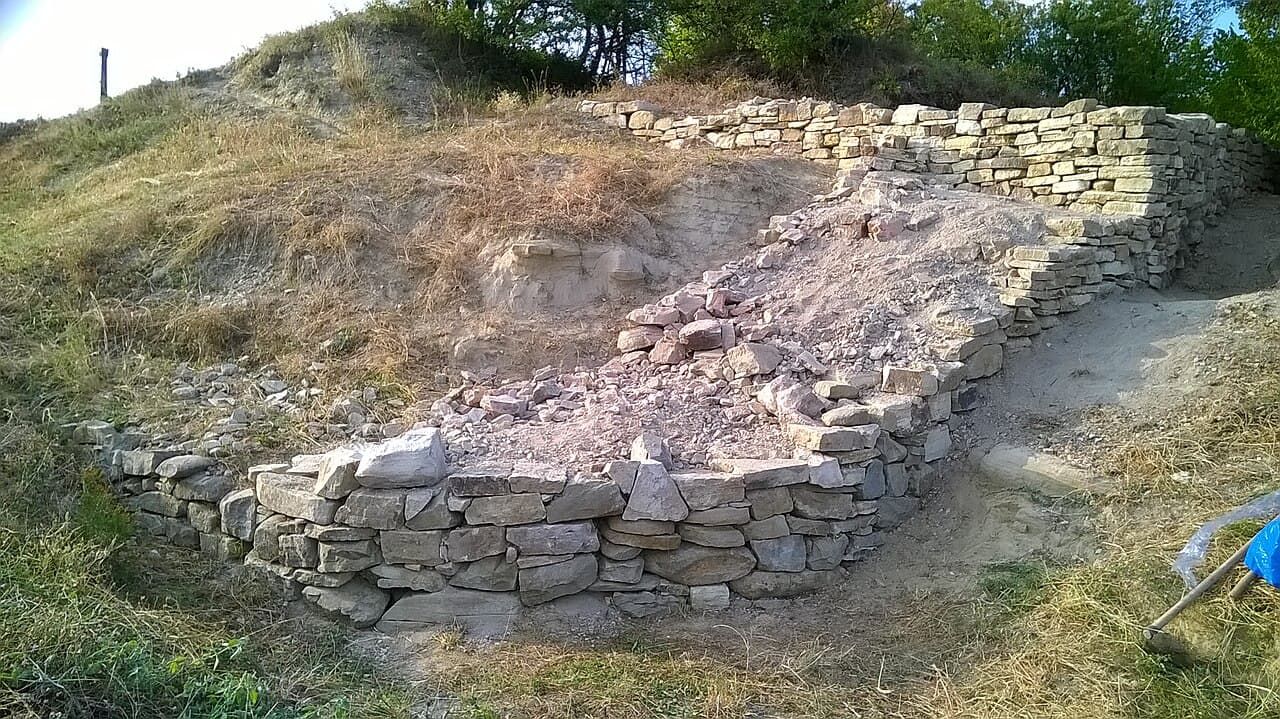
The remains of Cetatea Unguraș exhibit characteristics typical of hill castles built during the medieval period. The site includes remnants of defensive walls constructed from local stone, which once enclosed the main fortress area. Although much of the structure has collapsed, archaeological excavations have revealed the foundations of towers and gatehouses that formed part of the castle's defensive system.
The castle's layout was likely compact, designed to maximize the defensive advantage of the hilltop while accommodating essential facilities such as living quarters, storage rooms, and possibly a chapel. The use of natural rock formations was integrated into the construction to enhance the fortification.
Defensive elements
Key defensive features included thick curtain walls and strategically placed towers that allowed defenders to monitor and repel attackers effectively. The entrance was probably protected by a gatehouse with additional fortifications to control access. The castle's elevated position functioned as a natural moat, making direct assaults difficult.
Archaeological research and preservation
As an archaeological ruin, Cetatea Unguraș has been the subject of various studies aimed at uncovering its historical layout and understanding its role in regional history. Excavations have provided insights into medieval construction techniques and the daily life of its inhabitants.
Preservation efforts focus on stabilizing the remaining structures and protecting the site from further degradation. The ruins offer valuable cultural heritage and attract researchers interested in medieval fortifications in Romania.
Visiting information
Cetatea Unguraș is accessible to visitors interested in medieval history and archaeology. As a ruin, it offers an evocative glimpse into the past, though facilities may be limited. Visitors should prepare for uneven terrain and bring appropriate footwear for exploring the hilltop site.
The castle's remote location provides a quiet environment for historical exploration, with scenic views of the surrounding landscape. It is recommended to visit during daylight hours for safety and optimal viewing conditions.
Frequently asked questions (FAQ)
- What is the historical significance of Cetatea Unguraș?
- Cetatea Unguraș, dating back to the 13th century, is a significant medieval fortress that played a crucial role in the defense of the region against invasions. Its strategic location allowed it to serve as a military stronghold and a center for trade, reflecting the rich history of Transylvania.
- When was Cetatea Unguraș built?
- The construction of Cetatea Unguraș began in the 13th century, with various modifications and expansions occurring over the centuries. The castle has witnessed numerous historical events, making it a vital part of Romania's architectural heritage.
- Can I visit Cetatea Unguraș?
- Yes, visitors are welcome to explore Cetatea Unguraș and its remarkable structures. Guided tours are often available, providing insight into the castle's history and architecture, making it an enriching experience for history enthusiasts.
- What are the opening hours for Cetatea Unguraș?
- Cetatea Unguraș is typically open to visitors from 10 AM to 6 PM during the tourist season, which runs from April to October. It's best to check the official website or contact local tourism information for the most current hours, especially during off-peak months.
- Is it possible to access Cetatea Unguraș with public transportation?
- Yes, Cetatea Unguraș is accessible via public transportation, with local buses and trains connecting to nearby towns. However, visitors may need to walk a short distance from the nearest stop to reach the castle.
- What is the best time to visit Cetatea Unguraș?
- The best time to visit Cetatea Unguraș is during the spring and early autumn months when the weather is mild and pleasant. These seasons also offer fewer crowds, allowing for a more enjoyable exploration of the castle and its surroundings.
- Are there any nearby attractions to visit after Cetatea Unguraș?
- Yes, after visiting Cetatea Unguraș, you can explore other nearby attractions such as the picturesque town of Sighișoara, known for its well-preserved medieval architecture. Additionally, the beautiful landscapes of the Transylvanian countryside provide opportunities for hiking and photography.
- What are the ticket prices for visiting Cetatea Unguraș?
- Ticket prices for Cetatea Unguraș are generally affordable, with discounts often available for students and seniors. It's advisable to check the official website or local tourist information for the latest pricing details before your visit.
Photo gallery

Information
Loading map...
Visitor reviews
No reviews yet. Been here? Write the first review and help other travelers!
Write the first reviewVisited this castle? Share your experience
Your review helps other travelers and adds first-hand knowledge to our encyclopedia.