Mains Castle
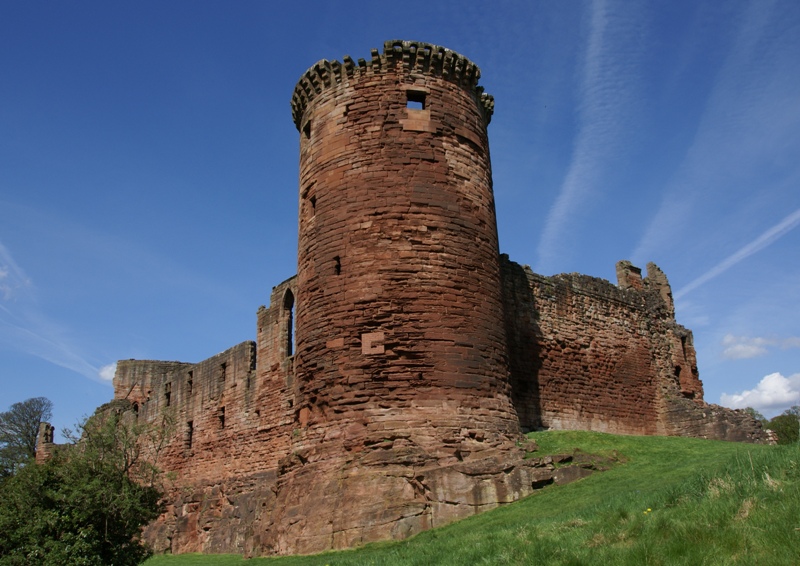
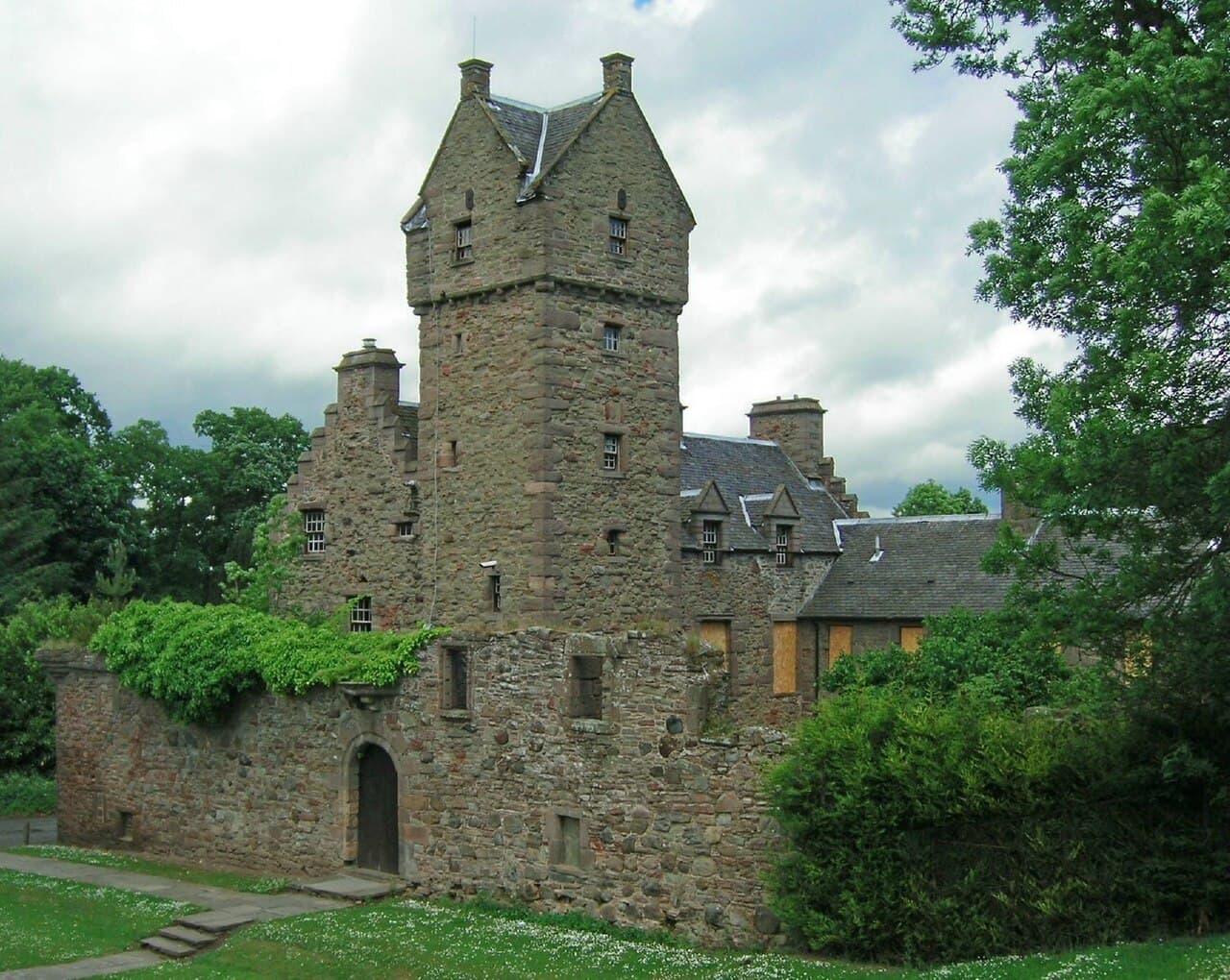
Mains Castle stands as a significant example of a Renaissance tower house in East Kilbride, Scotland. Nestled within the scenic James Hamilton Heritage Park, this castle embodies centuries of Scottish history and architectural evolution. The castle's origins date back to the 16th century, with its construction believed to have been completed around 1562 by Sir David Graham, nephew of the influential Cardinal Beaton. This date is prominently displayed on a keystone in the western gateway, alongside the initials DG and DMO, representing David Graham and Dame Margaret Ogilvy. Another dated beam from 1582 in the eastern courtyard suggests the castle’s completion or significant development around this time.
Historical significance and early ownership
The lands on which Mains Castle stands carry deep historical roots, with some traditions linking the property to a gift from Robert the Bruce, a pivotal figure in Scottish history. The castle was once occupied in 1478 by Princess Euphemia Stewart and her husband David Lindsay, indicating its importance as a noble residence even before the current structure was built.
Throughout its history, Mains Castle witnessed significant events, including damage sustained during the Battle of Bothwell Bridge in 1679. Cannonballs fired during the conflict left visible marks on the castle's lower walls, which remain evident today, serving as tangible reminders of Scotland's turbulent past.
Architectural features and layout
The castle complex originally consisted of multiple buildings arranged around a central courtyard. While several western buildings have been lost, the northern and eastern wings housed the family quarters, and the southern buildings were designated for servants. The castle’s most prominent feature is its large, six-floor, square tower house, characterized by dressed cornerstones, a hallmark of 16th-century Renaissance construction.
The tower house’s robust design includes defensive elements typical of the period, such as thick stone walls and narrow windows, designed for protection as well as residence. The castle overlooks the picturesque Dichty valley and is adjacent to the Gelly Burn, a small stream adding a natural defensive barrier and scenic charm. Nearby lies the mausoleum of the Graham family and the former site of the district kirk, now the Mains cemetery, linking the castle to the broader historical landscape of the region.
Ownership transitions and estate development
Mains Castle served as the seat of the Grahams of Fintry until the 19th century. The estate changed hands when Robert Graham of Fintry sold it to David Erskine, with stipulations allowing the Graham family to retain their territorial title and restoring the estate's older name of Lumlathen or Linlathen. Later, the estate was acquired by James Key Caird, a notable philanthropist who gifted the castle and its lands to the town council in 1913 for use as a public park. The park was officially opened in 1923 by Caird's half-sister, Mrs. Marryat.
Decline and restoration efforts
The castle endured a significant setback in 1922 when a severe storm caused the roof to collapse, leaving the property in a derelict state for several decades. Many buildings became roofless, and the site required extensive restoration to preserve its historical and architectural integrity.
A major restoration project took place between 1977 and 1985, supported by a government scheme aimed at providing employment. This effort successfully restored the tower house and surrounding structures, making the castle habitable once again and preserving its Renaissance architectural features for future generations.
Current status and cultural importance
Today, Mains Castle is a well-preserved example of a Renaissance Scottish tower house with significant cultural and historical value. It is a key feature of James Hamilton Heritage Park, attracting visitors interested in Scotland's noble heritage and architectural history. The castle's combination of defensive and residential architecture, its connection to prominent Scottish families, and its survival through centuries of conflict and change make it a vital landmark in East Kilbride.
Visitors can appreciate the castle's imposing six-floor tower, the courtyard layout, and the surrounding parkland, which together offer insights into the lifestyle and social structure of Renaissance Scotland. The visible cannonball scars and other historical markers provide a vivid connection to the past, enhancing the site's educational and heritage appeal.
Architectural details of the tower house
The tower house's stonework features finely dressed cornerstones that exemplify Renaissance masonry skills. Its vertical emphasis with multiple floors allowed for both defensive advantages and spatial organization, with living quarters, storage, and servant areas carefully arranged. The castle's windows, though narrow for defense, also reflect the stylistic transition from medieval fortresses to more comfortable noble residences.
Landscape and surroundings
The castle's location overlooking the Dichty valley and proximity to the Gelly Burn stream not only provided natural defenses but also scenic vistas that enhanced the estate's prestige. The nearby Graham family mausoleum and the former kirk site link the castle to the spiritual and familial history of the region, enriching its narrative and visitor experience.
Frequently asked questions (FAQ)
- What is the historical significance of Mains Castle?
- Mains Castle, located in East Kilbride, is a remarkable example of 16th-century Scottish architecture. It has stood witness to various historical events and has connections to notable figures in Scottish history, making it an important cultural landmark in the region.
- When was Mains Castle built?
- Mains Castle was constructed in the late 1500s, primarily serving as a stronghold for the local nobility. Its impressive structure has been preserved over the centuries, showcasing the architectural styles of the time.
- What are the opening hours for Mains Castle?
- Mains Castle is typically open to visitors from April to October, with specific hours varying by day. It is advisable to check the official website or contact the castle directly for the most current opening times.
- Can I take guided tours of Mains Castle?
- Yes, guided tours of Mains Castle are available, providing visitors with in-depth insights into its history and architecture. These tours are led by knowledgeable guides who can answer your questions and enhance your understanding of the castle's significance.
- Is it possible to access Mains Castle with a wheelchair?
- Mains Castle has made efforts to improve accessibility, with some areas being wheelchair-friendly. However, due to the castle's historical structure, certain parts may still present challenges, so it is best to inquire ahead regarding specific accessibility options.
- What are the ticket prices for visiting Mains Castle?
- Ticket prices for Mains Castle vary based on age and group size, with discounts often available for children and seniors. It’s recommended to check the official website for the latest pricing information and any available promotions.
- When is the best time to visit Mains Castle?
- The best time to visit Mains Castle is during the spring and summer months when the weather is more favorable and the gardens are in full bloom. Visiting during these times also allows you to participate in seasonal events and activities hosted at the castle.
- What nearby attractions can I explore while visiting Mains Castle?
- While visiting Mains Castle, you can explore other nearby attractions such as the Calderglen Country Park and the East Kilbride Shopping Centre. These locations offer a mix of outdoor activities and shopping opportunities, making for a well-rounded day trip.
Photo gallery

Information
Website
Visit websiteSources & official resources
Verify the information above using these authoritative references.
Loading map...
Visitor reviews
No reviews yet. Been here? Write the first review and help other travelers!
Write the first reviewVisited this castle? Share your experience
Your review helps other travelers and adds first-hand knowledge to our encyclopedia.