Madh Fort
Madh Fort stands as a significant example of a 17th-century bastioned fortress located on the western coast of India. Constructed during the Renaissance period, this fortification was built primarily for military defense and to control maritime access along the Arabian Sea. Its strategic position allowed it to oversee and protect important trade routes and coastal territories.
Historical context and strategic importance
The fort was established in the 17th century, a time when European colonial powers and local rulers vied for control over coastal regions in India. Madh Fort was part of a network of fortifications aimed at securing territorial claims and safeguarding against naval invasions. Its location near the Arabian Sea made it a critical point for monitoring incoming ships and defending the coastline from enemy fleets.
Architectural features and design
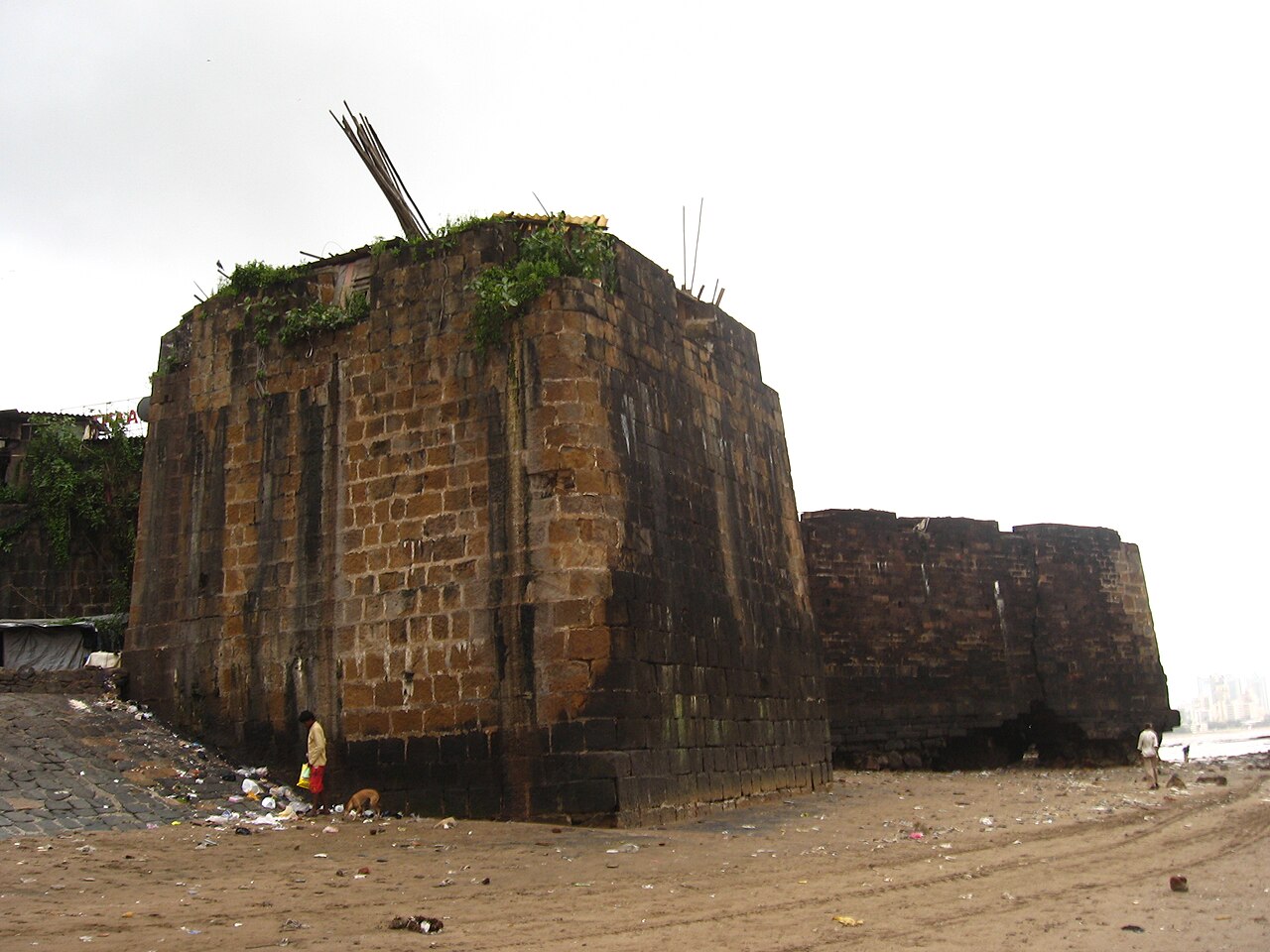
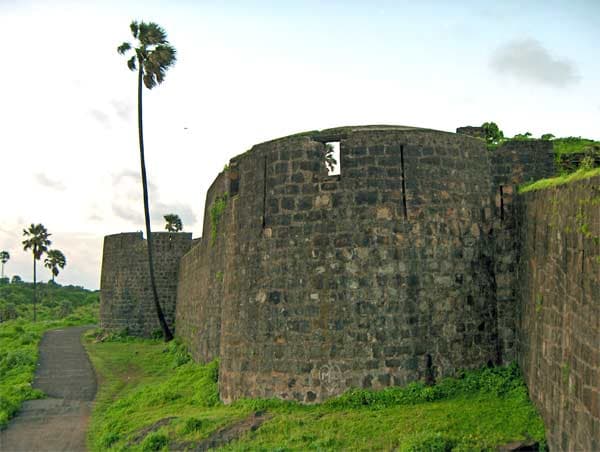
Madh Fort exemplifies the characteristics of a bastioned fortress, a style that emerged in response to the development of artillery warfare. Its design includes angled bastions projecting from the main walls, allowing defenders to cover adjacent walls with cannon and musket fire, eliminating blind spots. The fort's robust stone walls and bastions were built to withstand prolonged sieges and bombardments.
Bastions and walls
The bastions at Madh Fort are constructed with thick masonry, designed to absorb and deflect cannonballs. The walls connecting these bastions form a polygonal layout, which was typical of bastioned forts of the period. This configuration provided overlapping fields of fire and enhanced defensive capabilities.
Entrances and gates
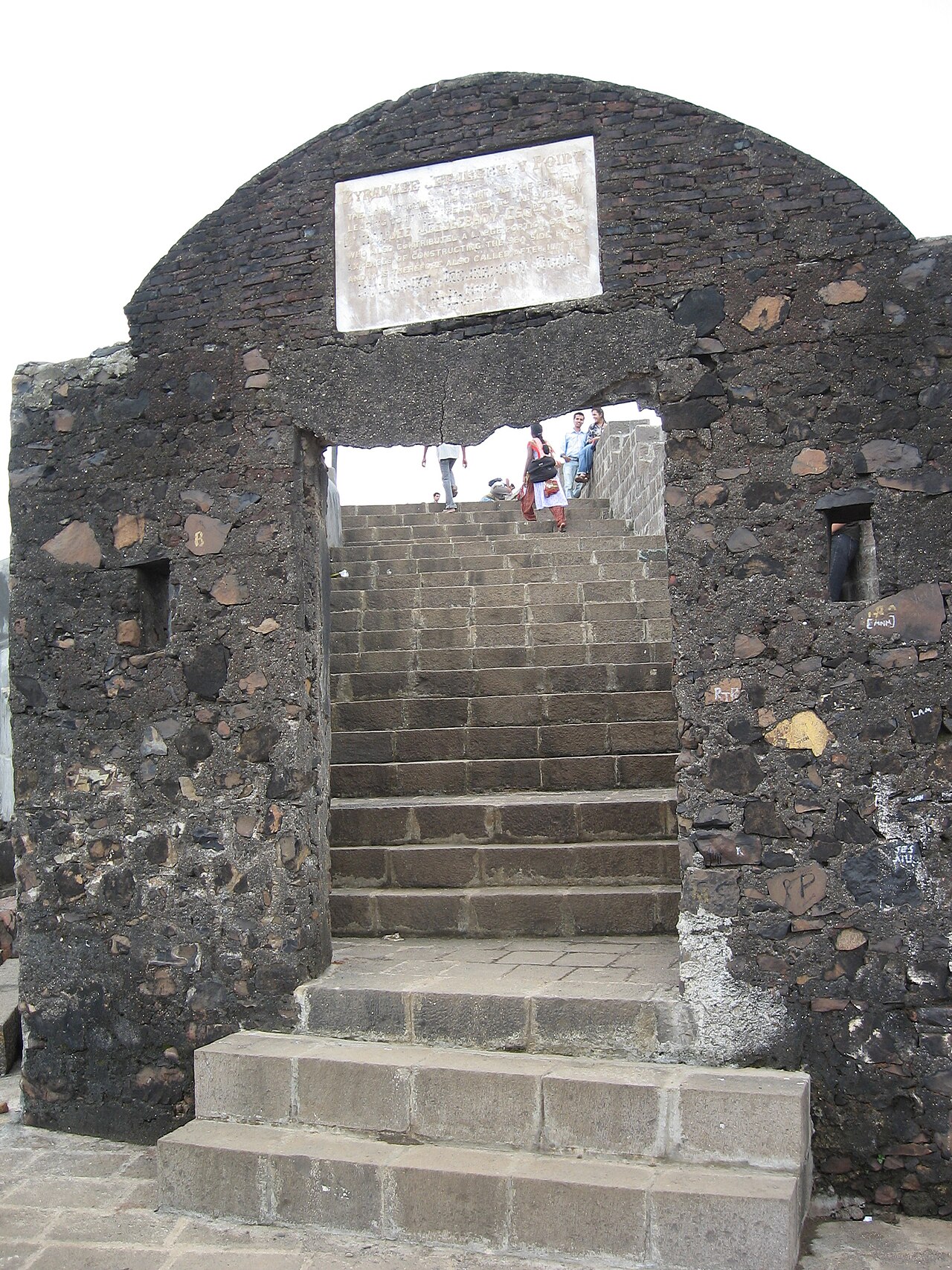
The fort features a main gate fortified with heavy wooden doors reinforced with iron studs. Defensive elements such as machicolations and arrow slits are integrated around the entrance to repel attackers. The gatehouse was designed to be defensible in case of assault, with narrow passages restricting enemy movement.
Materials and construction techniques
The builders of Madh Fort utilized locally sourced stone and lime mortar, common materials for coastal fortifications in India during the Renaissance. The masonry work reflects skilled craftsmanship, with walls constructed to endure the harsh coastal climate including monsoon rains and salty sea air.
Role in regional history
Throughout its history, Madh Fort played a role in various conflicts involving regional powers and colonial forces. Its control was essential for maintaining dominance over the surrounding coastal area. The fort's military significance declined with advancements in warfare and changes in political control, but it remains an important cultural and historical monument.
Current condition and preservation
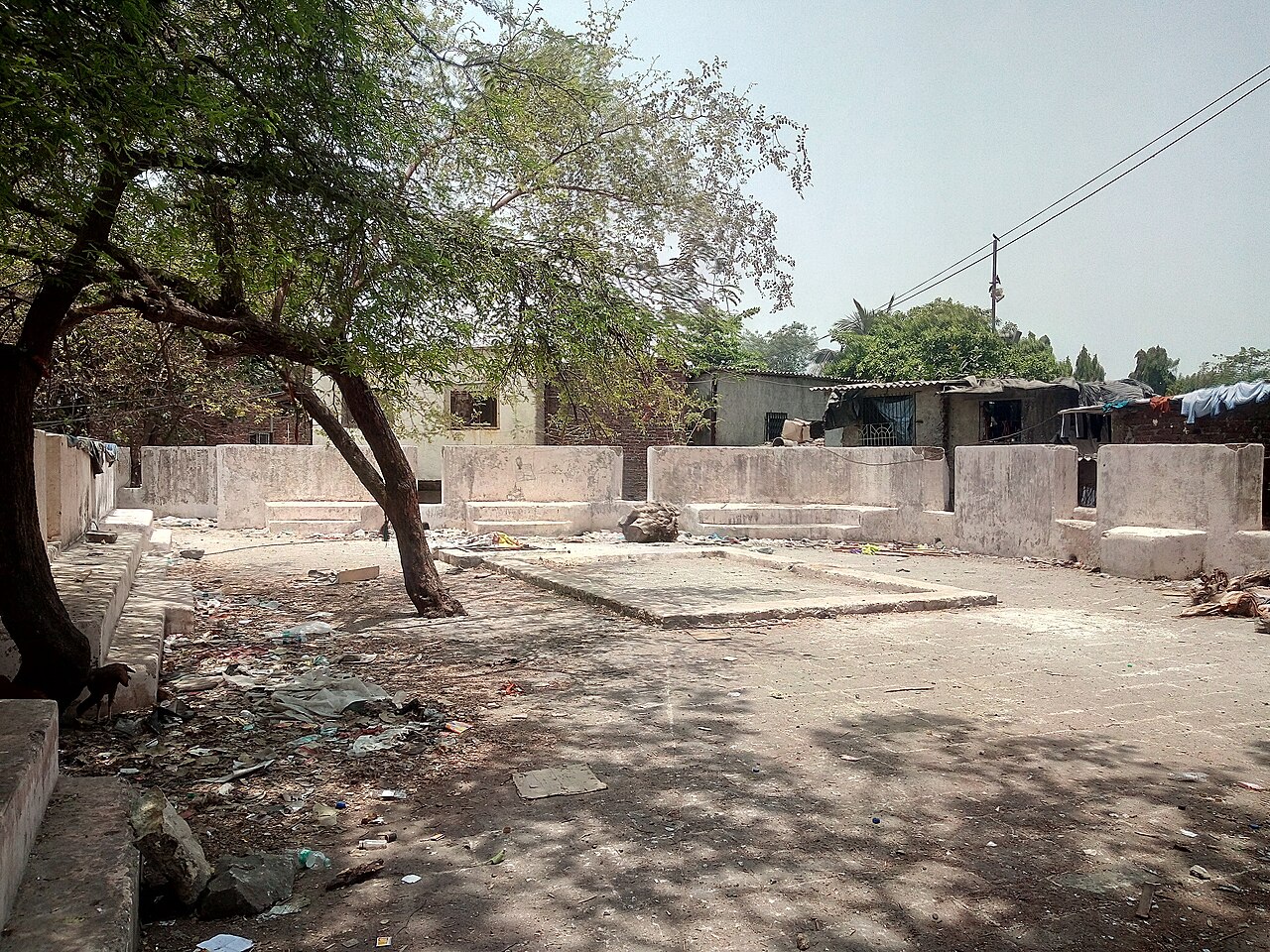
Today, Madh Fort is recognized for its historical and architectural value. The fort is in a partially preserved state, with some bastions and walls intact while other sections have suffered from weathering and neglect. Efforts to preserve and maintain the structure focus on stabilizing the remaining walls and promoting awareness of its heritage.
Visiting Madh Fort
The fort is accessible to visitors interested in exploring India's coastal military architecture. Its location offers views of the Arabian Sea and the surrounding landscape. Visitors can observe the fort's defensive features and appreciate its historical context within the broader maritime history of the region.
Frequently asked questions (FAQ)
- How do I get to Madh Fort?
- Madh Fort is located in Madh Island, Mumbai, and can be accessed by local transport options such as auto-rickshaws or taxis from nearby stations. There are also ferry services from Versova Beach that provide a scenic route to the island. It's advisable to check local transport schedules for the most convenient travel times.
- What is the historical significance of Madh Fort?
- Madh Fort, built in the 17th century, was originally constructed by the Portuguese to defend their territories against pirates and rival empires. It later came under Maratha control and played a crucial role during various conflicts. The fort's rich history reflects the strategic importance of the coastal region during colonial times.
- When was Madh Fort built?
- Madh Fort was constructed in 1669, during the reign of the Maratha Empire, and was expanded upon later by the British. Its architecture showcases a blend of Portuguese and Maratha styles, making it an intriguing site for history enthusiasts. The fort stands as a testament to the military architecture of that era.
- Can I explore Madh Fort on my own?
- Yes, visitors can explore Madh Fort independently, but it's important to maintain respect for the site's historical integrity. While there are no official guided tours, local guides may be available for hire. Ensure to check local regulations regarding access and preservation efforts.
- Why is Madh Fort popular among tourists?
- Madh Fort is popular for its scenic views of the Arabian Sea and its historical architecture, which attracts both history buffs and photography enthusiasts. The fort's location on Madh Island also offers a peaceful escape from the bustling city of Mumbai. Additionally, it has been featured in various Bollywood films, increasing its appeal.
- Is it possible to visit Madh Fort year-round?
- Yes, Madh Fort is open for visitors year-round, but the best time to visit is during the cooler months from October to February. During this period, the weather is pleasant, making it ideal for exploration. Be mindful of local festivals and events that may affect access.
- What are the opening hours of Madh Fort?
- Madh Fort is generally accessible to the public from sunrise to sunset, but it's advisable to visit during daylight hours for safety and better visibility. It’s recommended to check for any specific timings or restrictions that may be in place before planning your visit. Local authorities may adjust timings during special occasions.
- Are there any ticket prices for visiting Madh Fort?
- There is no entry fee to visit Madh Fort, making it an attractive destination for tourists and locals alike. However, donations for preservation efforts are often appreciated. Always check for any changes in policy regarding fees or guided services before your visit.
- What nearby attractions can I visit after Madh Fort?
- After exploring Madh Fort, visitors can enjoy nearby attractions such as the serene beaches of Madh Island, which are perfect for relaxation. Additionally, the Global Vipassana Pagoda, a meditation center, is a short drive away and offers a unique cultural experience. Local eateries and fishing villages also provide a glimpse into the traditional lifestyle of the region.

Information
Loading map...
Visitor reviews
No reviews yet. Been here? Write the first review and help other travelers!
Write the first reviewVisited this castle? Share your experience
Your review helps other travelers and adds first-hand knowledge to our encyclopedia.