Lyutitsa
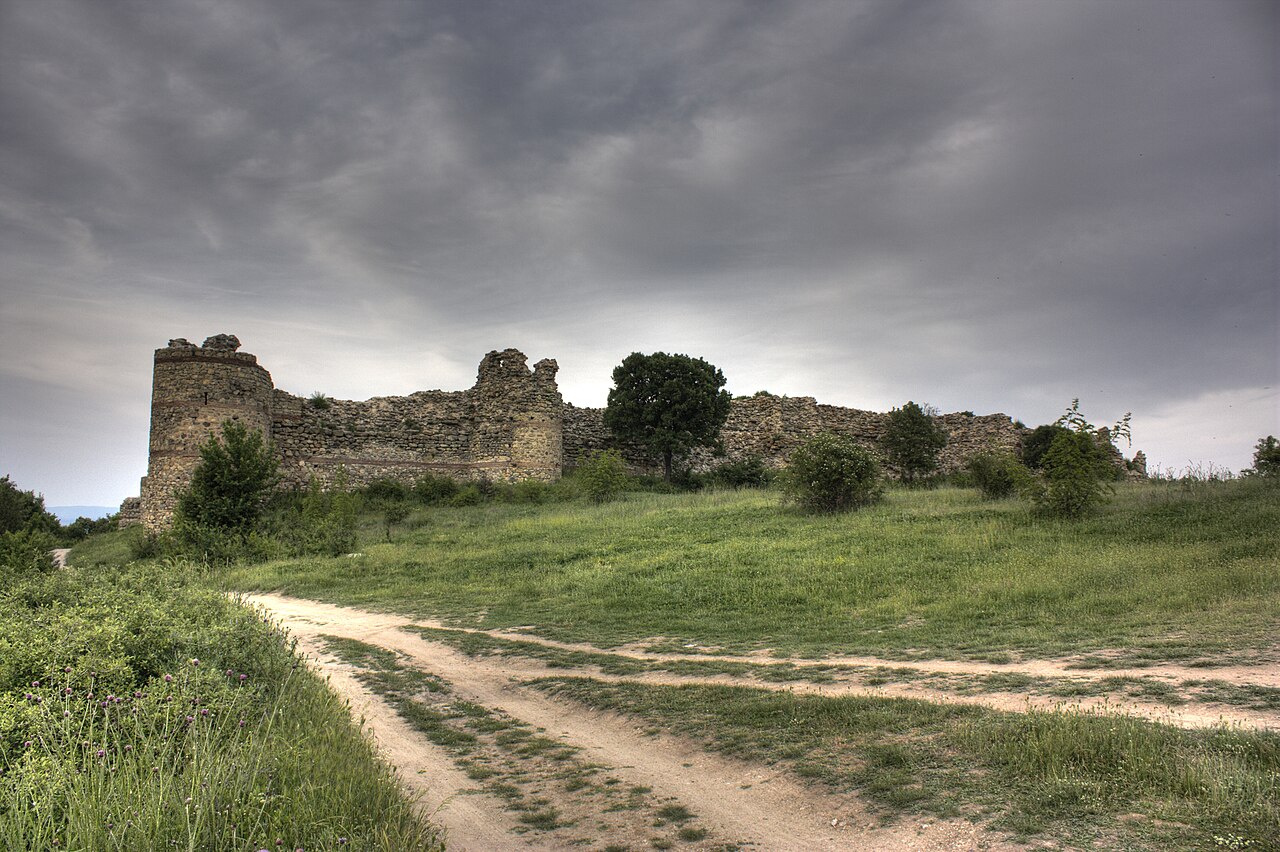
Lyutitsa castle is a significant medieval fortress located in the Eastern Rhodopes mountains of southern Bulgaria, near the town of Ivaylovgrad. Known locally as the "Marble City", this castle is distinguished by its striking walls constructed from white marble, a rare feature among Bulgarian fortresses. It stands as one of the largest and best-preserved castles in the region, covering an extensive area of approximately 26,000 square meters (about 280,000 square feet).
Historical context and location
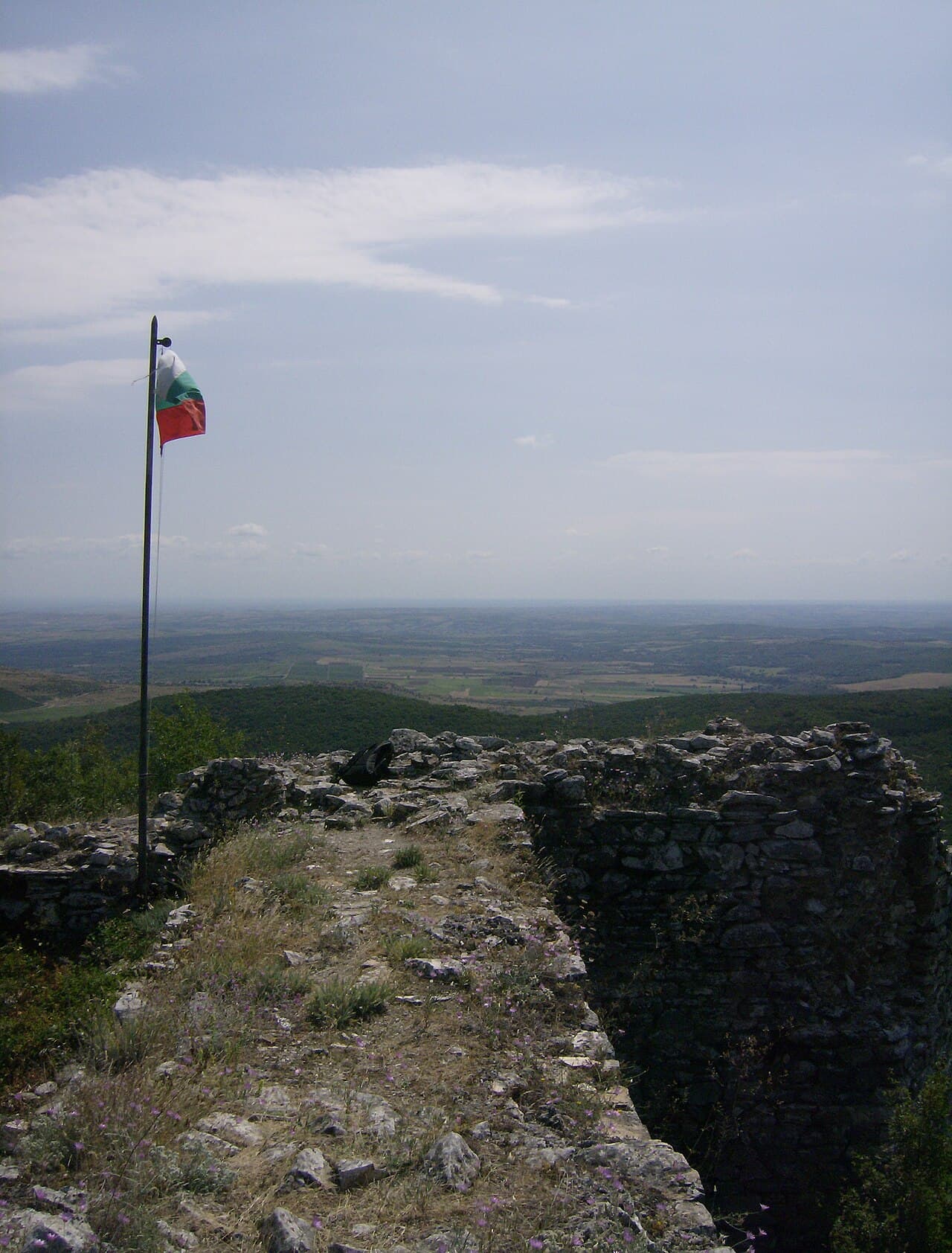
Lyutitsa castle occupies a strategic hilltop position, offering commanding views over the surrounding landscape. This location was vital for defense and control of the surrounding territory. The fortress lies roughly three and a half hours' walk southwest of Ivaylovgrad, in the southernmost part of Bulgaria. Its placement in the Eastern Rhodopes made it a key stronghold during various historical periods, particularly in the medieval era.
Architectural features and layout
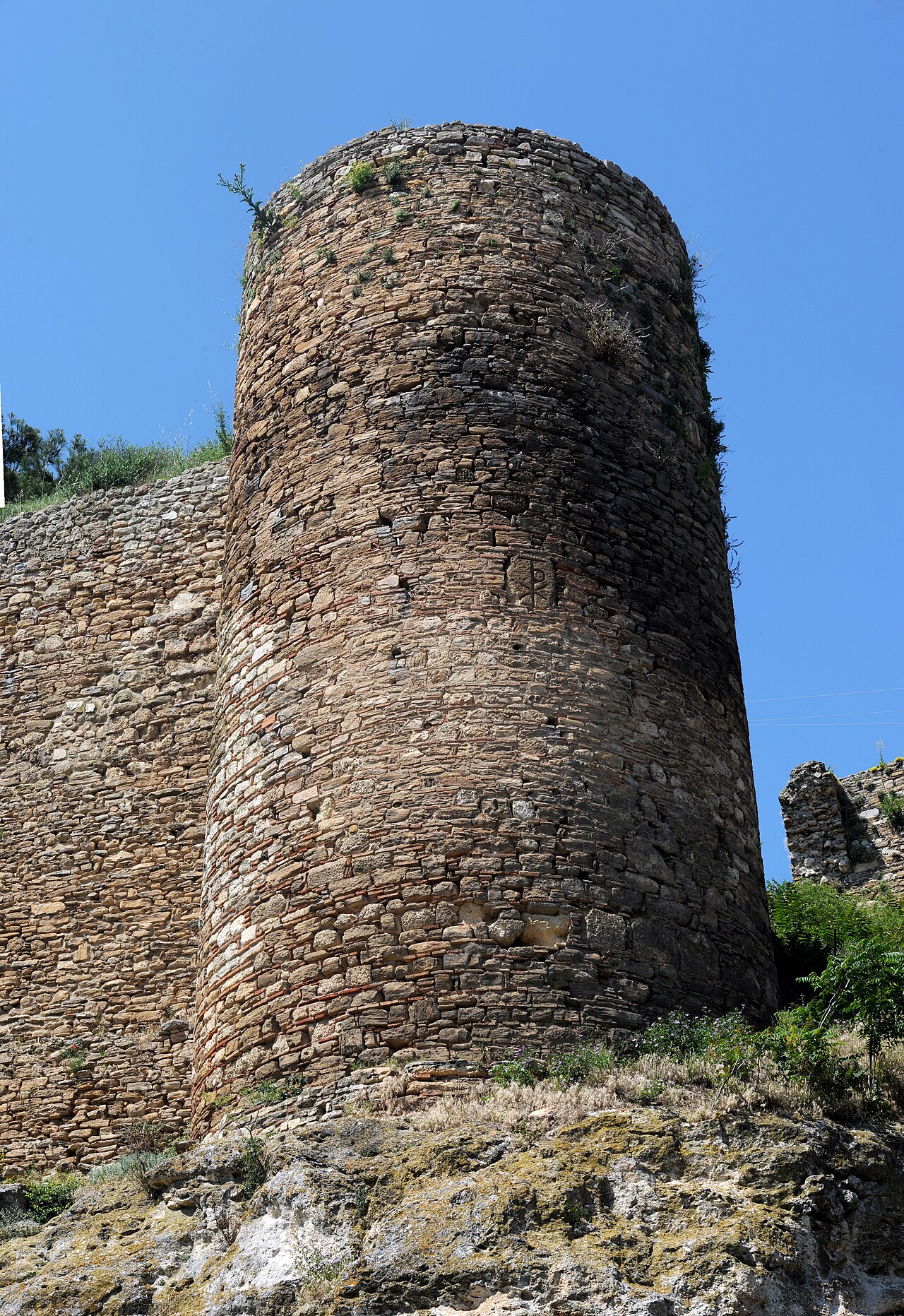
The castle's fortifications include twelve towers, with eight still preserved today. These towers are integral to the castle's defensive system, providing vantage points for surveillance and protection against invaders. The walls reach heights of up to 10 meters (33 feet), emphasizing the fortress's formidable defensive capabilities. The extensive use of white marble in the walls gives the castle its distinctive appearance and the nickname "Marble City."
Towers and walls
The towers are spaced along the perimeter walls, which form an irregular polygon adapting to the hill's natural contours. The preservation of eight towers allows visitors to appreciate the castle's original defensive design. The walls are thick and robust, constructed to withstand sieges and attacks common in the medieval period.
Internal structures
Within the castle's walls, archaeological excavations have uncovered the ruins of two churches, indicating the religious importance and the presence of a settled community within the fortress. Additionally, a necropolis with 15 graves has been found, providing insight into the burial practices and the people who lived or were associated with the castle.
Archaeological discoveries and cultural significance
Excavations at Lyutitsa have yielded numerous artifacts, including rare coins, ceramics originating from Preslav (the medieval capital of the First Bulgarian Empire), jewelry, and various tools. These finds help to date the castle's period of use and illustrate the cultural and economic connections of its inhabitants.
The presence of Preslav ceramics suggests active trade or cultural links with other important Bulgarian medieval centers. The coins found are valuable for understanding the castle's timeline and the political entities controlling the region during its occupation.
Dating and historical period
Although the existing metadata suggests a Post-Renaissance period and an 18th-century construction date, the architectural style and archaeological evidence indicate that Lyutitsa castle is primarily a medieval fortress. Its features correspond more closely to the High to Late Medieval periods, roughly spanning from the 12th to the 14th centuries. The castle was likely built and used during the medieval Bulgarian Empires, serving as a military and administrative center.
Preservation and current condition
Today, Lyutitsa is considered well preserved relative to other medieval fortresses in the region. The survival of eight towers and substantial sections of the marble walls offer visitors a tangible connection to Bulgaria's medieval past. The site is accessible to tourists and archaeologists, who continue to study its structures and artifacts.
Visiting Lyutitsa castle
Visitors to Lyutitsa can explore the extensive ruins, including the towers, walls, and church foundations. The castle's location in the scenic Eastern Rhodopes provides a picturesque backdrop for hiking and historical exploration. The site offers insights into medieval Bulgarian military architecture and the daily lives of its inhabitants.
Guided tours and informational signage help contextualize the castle's history and archaeological significance. The combination of natural beauty and historical depth makes Lyutitsa a compelling destination for those interested in medieval history and architecture.
Photo gallery

Information
Loading map...
Visitor reviews
No reviews yet. Been here? Write the first review and help other travelers!
Write the first reviewVisited this castle? Share your experience
Your review helps other travelers and adds first-hand knowledge to our encyclopedia.