Ludgershall Castle
Ludgershall Castle stands as a significant medieval royal fortress located in the town of Ludgershall, Wiltshire, England. Established shortly after the Norman Conquest, its origins trace back to the late 11th or early 12th century, likely founded by Edward of Salisbury, the then Sheriff of Wiltshire. This castle exemplifies the evolution of royal residences in medieval England, transitioning from a military stronghold to a favored hunting lodge and administrative center.
Early history and foundation
The castle’s initial construction occurred during the high medieval period, a time marked by the consolidation of Norman power in England. By around 1100, Ludgershall Castle had come under direct control of the English Crown, reflecting its strategic and administrative importance. The appointment of John the Marshal as castellan in the early 12th century was a pivotal moment. John undertook significant strengthening of the fortress, adding a northern enclosure that included vital stone structures such as a great hall and a tower designed for royal residential use. These enhancements underscored the castle’s dual role as both a defensive bastion and a royal residence.
Royal patronage and architectural development
King john’s modifications
During the reign of King John around 1210, Ludgershall Castle was adapted to serve as a hunting lodge. This adaptation illustrates the castle’s evolving function beyond military defense to include recreational uses favored by the monarchy. King John’s improvements reflected the broader trend in medieval castle architecture, where comfort and status became increasingly important alongside fortification.
Henry iii’s investments
Henry III further enhanced Ludgershall between 1234 and 1251, demonstrating sustained royal interest. Among his contributions was the construction of a new great hall in 1244, a central space for official functions and gatherings. Henry III’s frequent visits—recorded at least twenty-one times—highlight Ludgershall’s role as a favored royal residence during the 13th century. The architectural style of this period combined Gothic elements with functional design, emphasizing both grandeur and practicality.
Decline and later history
Following its peak in the 13th century, Ludgershall Castle experienced a gradual decline throughout the late medieval period. By the mid-16th century, specifically the 1540s, much of the castle was dismantled. The grounds were transformed into a garden, with the notable 12th-century tower preserved as a central feature within this landscaped setting. Despite the physical decline, Ludgershall maintained its political significance by continuing to send representatives to Parliament until the Reform Act of 1832 abolished its borough status.
Archaeological discoveries and preservation
In the 20th century, the castle attracted renewed scholarly attention. Excavations led by the University of Southampton between 1964 and 1972 uncovered extensive details about the castle’s layout, construction phases, and historical use. These findings have been crucial in understanding the site’s development from an Iron Age stronghold to a medieval royal fortress.
Recognizing its heritage value, Ludgershall Castle was designated as a scheduled monument in 1981, ensuring legal protection and conservation efforts to preserve the remaining structures and earthworks for future generations.
Architectural features and site layout
The northern enclosure
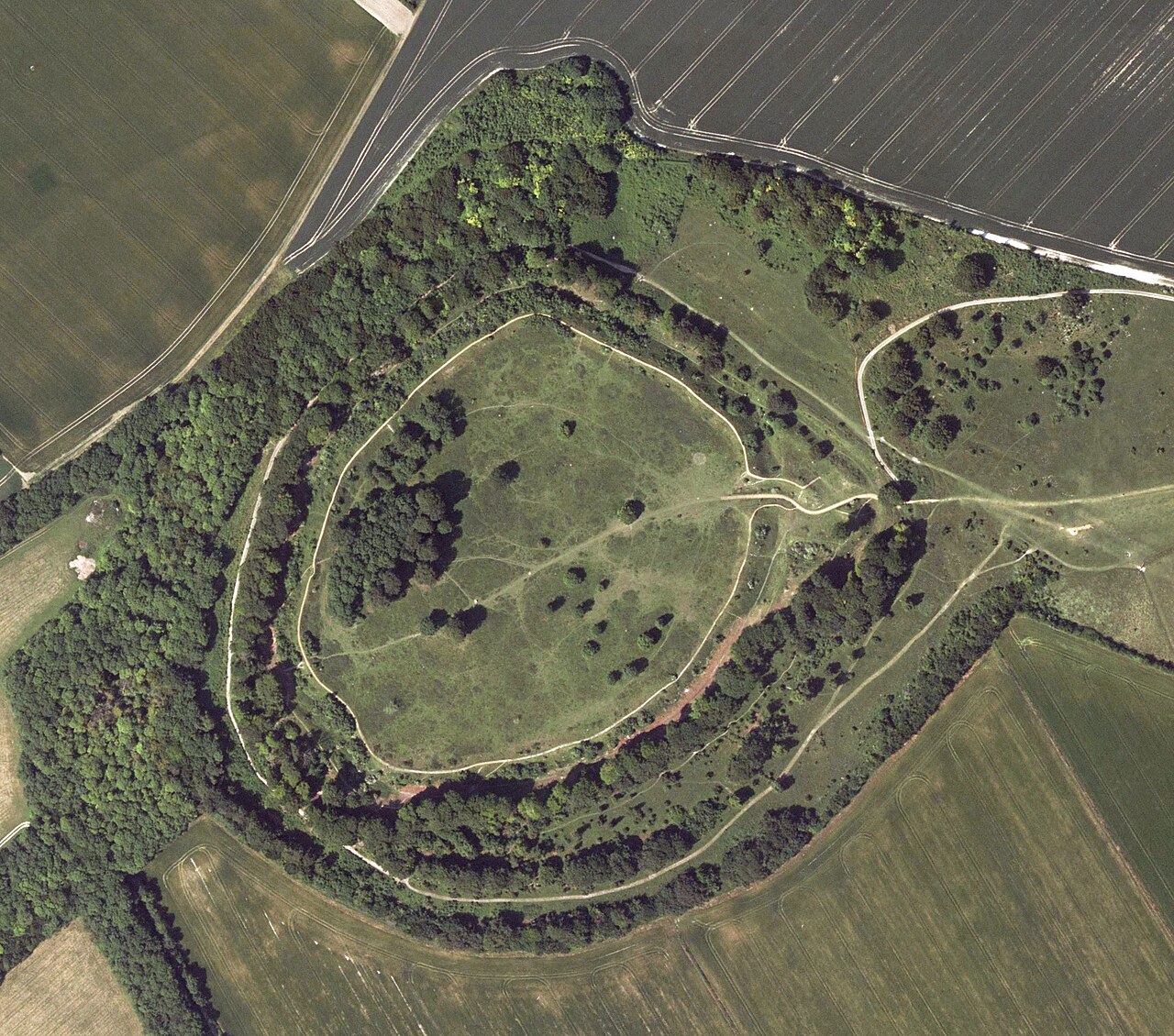
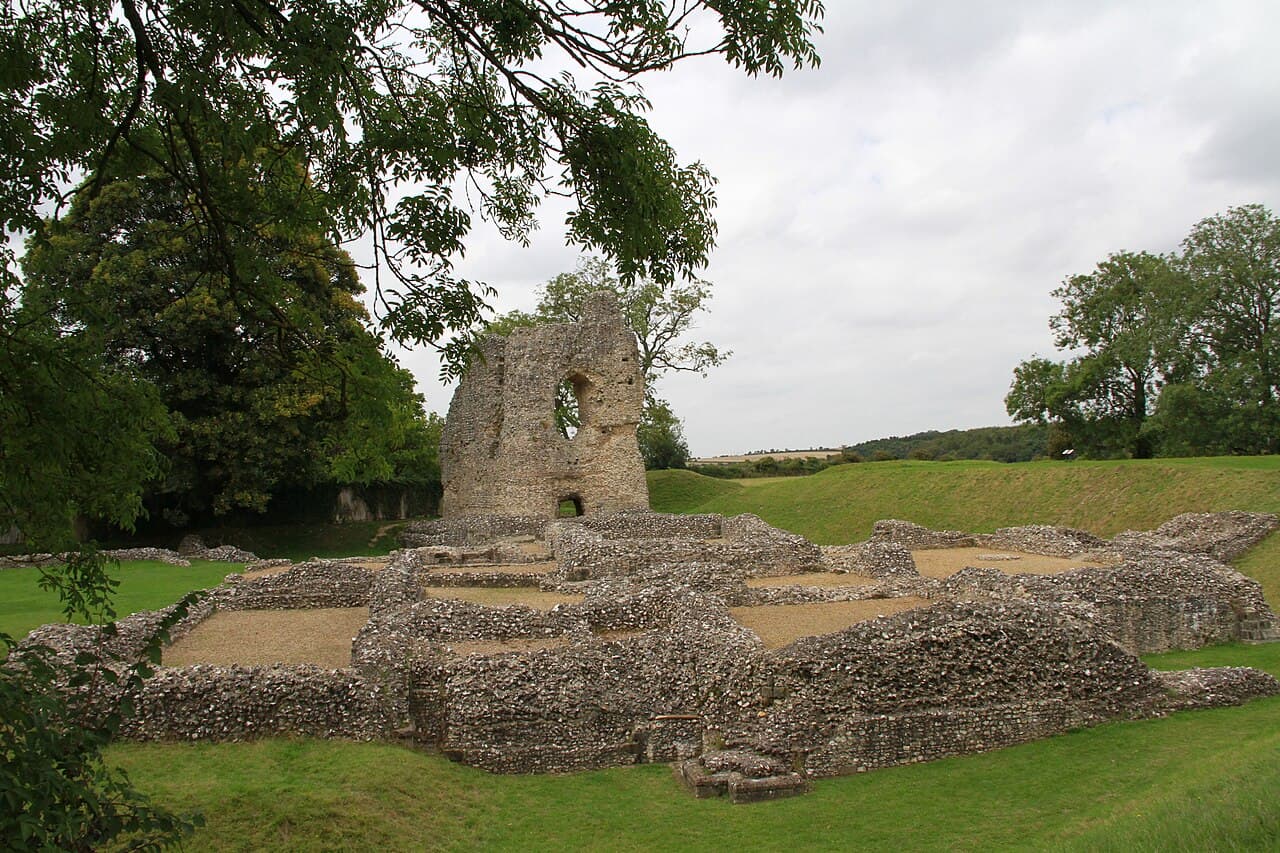
The castle’s layout centers around two main enclosures on relatively flat terrain approximately 133 meters above sea level. The northern enclosure contains the most substantial surviving masonry, including the great hall and a prominent 12th-century tower. These structures served as the royal residential quarters, reflecting the castle’s status and function. The tower’s preservation as a garden centerpiece offers a rare glimpse into medieval royal domestic architecture.
The southern enclosure and bailey
The southern enclosure functioned as the bailey, an enclosed courtyard typical of medieval castles. It housed timber stables, kitchens, and various farm buildings necessary for the castle’s operation. Archaeological evidence indicates this area was originally an Iron Age fortification, highlighting the site's long-standing strategic importance.
Earthworks and remaining structures
Surrounding the enclosures are extensive earthworks, although centuries of quarrying have altered their original form. Today, three large standing walls remain, providing insight into the castle’s scale and fortification techniques. A private residence now occupies part of the site, integrated within the historical footprint, blending past and present.
Ludgershall castle’s historical significance
Ludgershall Castle exemplifies the evolution of English castles from purely military fortresses to multifunctional royal residences. Its association with notable figures such as Edward of Salisbury, John the Marshal, King John, and Henry III underscores its importance in medieval governance and royal leisure. The castle’s architectural remains provide valuable insights into medieval construction techniques, royal domestic life, and the changing functions of castles over several centuries.
Today, Ludgershall Castle is a protected heritage site that continues to attract historians, archaeologists, and visitors interested in England’s rich medieval past. The preservation of its 12th-century tower and great hall remains a testament to the castle’s enduring legacy and historical significance.
Frequently asked questions (FAQ)
- How do I get to Ludgershall Castle?
- Ludgershall Castle is located in Ludgershall, Wiltshire, accessible by car and public transport. The nearest train station is Tidworth, about 3 miles away, with local bus services connecting to the town.
- What are the opening hours for visiting Ludgershall Castle?
- The castle is open daily from 10:00 to 17:00. It is advisable to check the official English Heritage website for any seasonal changes or special closures before planning your visit.
- Is there an entrance fee to visit Ludgershall Castle?
- Entry to Ludgershall Castle is free of charge, as it is managed by English Heritage and open to the public for self-guided visits.
- What remains can I see at Ludgershall Castle?
- Visitors can explore the ruins of the <strong>12th-century tower</strong>, the remains of the <strong>great hall</strong>, and extensive earthworks. These features provide insight into the castle’s medieval layout and royal residential function.
- Can I visit the castle grounds and gardens?
- Yes, the castle grounds and gardens are accessible to visitors. The 12th-century tower is a prominent feature within the landscaped gardens, offering picturesque views and historical context.
Photo gallery

Information
Opening hours
10:00-17:00, daily
Ticket prices
Free
Current owner
English Heritage
Website
Visit websiteSources & official resources
Verify the information above using these authoritative references.
Loading map...
Visitor reviews
No reviews yet. Been here? Write the first review and help other travelers!
Write the first reviewVisited this castle? Share your experience
Your review helps other travelers and adds first-hand knowledge to our encyclopedia.