Allington Castle
Allington Castle stands as a remarkable example of a fortified medieval manor house located in Allington, Kent. The site initially hosted an unauthorised fortification during the turbulent period known as The Anarchy in the early 12th century. This early castle was dismantled later in that century when royal authority was restored, reflecting the shifting power dynamics of medieval England.
In the 13th century, the site was transformed with the construction of a new manor house, this time fortified with royal permission. This transition from an illicit fortification to a sanctioned fortified manor illustrates the evolving nature of castle building during the High Medieval period. The manor was strategically enhanced over the next two centuries by successive owners who added significant architectural features that turned it into a defensible compound.
Architectural evolution and features
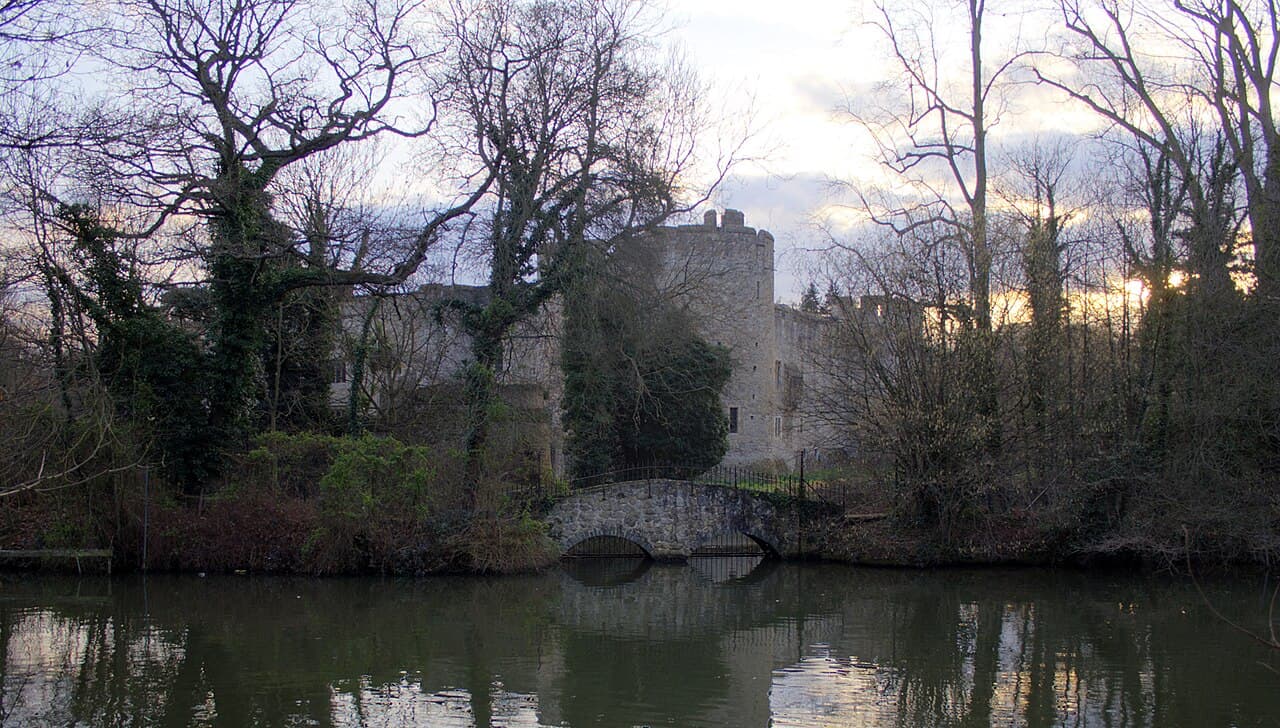
The castle’s most notable architectural characteristic is its curtain wall punctuated by six towers placed at irregular intervals. These towers provided defensive vantage points and added to the imposing presence of the castle. The curtain wall enclosed a range of domestic buildings that served the residential and administrative needs of the manor’s occupants.
These fortifications exemplify the blend of residential comfort and military preparedness typical of fortified manor houses in the medieval period. The irregular spacing of the towers suggests adaptations to the local topography and the specific defensive requirements of the site.
Historical significance and ownership
Throughout its history, Allington Castle has witnessed the gradual shift from purely military fortifications to more complex manorial estates that combined defense with domestic life. The castle’s development reflects broader trends in medieval architecture and society, where fortified homes became symbols of status and power.
In modern times, the castle is the private residence of Sir Robert Worcester, the founder of the MORI polling company. Its status as a Grade I listed building underscores its national importance as a heritage asset. While it is primarily a private home, the castle is also used as a wedding venue, offering a unique historical setting for special events, although it is not generally open to the public.
Preservation and current condition
Allington Castle remains well preserved, maintaining much of its medieval character and architectural integrity. Its Grade I listing ensures that any alterations respect its historical significance, preserving the castle for future generations.
Legacy of medieval fortified manor houses
Allington Castle exemplifies the medieval trend of fortifying manor houses to serve both as homes and defensive structures. Unlike large royal castles or military fortresses, these manorial fortifications balanced comfort with security, often reflecting the wealth and status of their owners.
The castle’s survival into the modern era, with its architectural features largely intact, provides valuable insight into the High Medieval period and the social history of England’s landed gentry. Its combination of towers, curtain walls, and domestic buildings offers a comprehensive example of medieval fortified manor design.
Frequently asked questions (FAQ)
- How do I visit Allington Castle?
- Allington Castle is a private residence and is not open to the public. It can be viewed from nearby public roads, but access inside the castle is restricted.
- What is the historical significance of Allington Castle?
- Allington Castle is a well-preserved example of a fortified manor house from the 13th century, illustrating medieval defensive architecture and manorial life.
- Can I host events at Allington Castle?
- The castle is used as a wedding venue for private events. Booking must be arranged through the owners, as it is not generally open for public tours.
- When was Allington Castle built?
- The current fortified manor house was constructed in the 13th century, replacing an earlier unauthorised fortification from the early 12th century.
- What architectural features does Allington Castle have?
- Allington Castle features a curtain wall with six towers at irregular intervals and domestic buildings within, typical of fortified manor houses of the High Medieval period.
Photo gallery

Information
Opening hours
Not open to the public
Ticket prices
No public access
Current owner
Private owner
Website
Visit websiteSources & official resources
Verify the information above using these authoritative references.
Loading map...
Visitor reviews
No reviews yet. Been here? Write the first review and help other travelers!
Write the first reviewVisited this castle? Share your experience
Your review helps other travelers and adds first-hand knowledge to our encyclopedia.