Louisenberg Castle — Switzerland castle

Louisenberg Castle

Louisenberg Castle in Salenstein, Switzerland

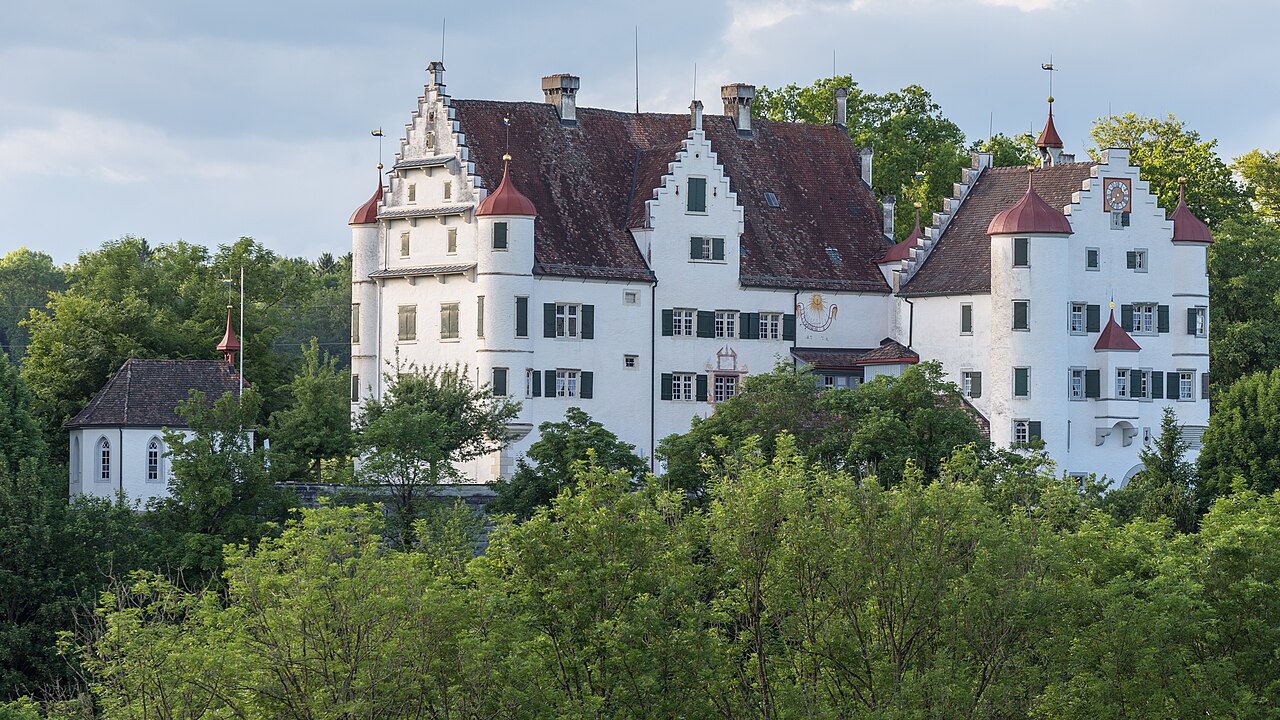
Louisenberg Castle is a notable hill castle located in the municipality of Salenstein within the Canton of Thurgau, Switzerland. Recognized as a Swiss heritage site of national significance, the castle holds an important place in the region's cultural and architectural history.

Historical background and significance

The origins of Louisenberg Castle trace back to the medieval period, although exact construction dates remain uncertain. The castle was established as a strategic fortification overlooking the surrounding landscape, typical of hill castles designed to provide both defense and territorial control. Its location in Salenstein, a municipality near Lake Constance, positioned it advantageously for overseeing trade routes and local settlements.

Throughout its history, Louisenberg Castle has been associated with various noble families and regional authorities, reflecting the shifting political landscape of the Thurgau region. The castle's designation as a heritage site underscores its architectural and historic value, preserving its legacy for future generations.

Architectural features and layout

Louisenberg Castle exemplifies characteristics typical of hill castles, including elevated positioning and defensive structures adapted to the terrain. The castle complex includes remnants of fortified walls, towers, and residential buildings arranged to maximize protection and functionality.

While detailed architectural plans are limited, surviving elements suggest a blend of medieval construction techniques with later modifications. The castle's design likely incorporated a central keep or donjon, curtain walls, and possibly a moat or ditch adapted to the hillside environment.

Defensive structures

The castle's fortifications were designed to withstand sieges and attacks common during the High and Late Medieval periods. Defensive walls and towers provided vantage points for surveillance and archery. The natural slope of the hill enhanced the castle's defensive capabilities, making direct assaults difficult.

Residential and functional spaces

Within the fortified perimeter, Louisenberg Castle contained living quarters, storage rooms, and service areas. These spaces would have supported the daily life of the castle's inhabitants, including the lord, retainers, and servants. Architectural details such as fireplaces, narrow windows, and vaulted ceilings reflect the practical needs and stylistic preferences of the time.

Preservation and current condition

Today, Louisenberg Castle is classified as partially preserved, with some original structures still standing while others exist as ruins or archaeological remains. Conservation efforts have focused on stabilizing the site and preventing further deterioration, allowing visitors to explore the castle's historic footprint.

The castle's status as a heritage site of national significance ensures ongoing protection and recognition within Switzerland's cultural heritage framework. It serves as an educational resource and a point of interest for tourists exploring the Thurgau region.

Visiting Louisenberg Castle

Visitors to Louisenberg Castle can experience its scenic hilltop setting and appreciate the remnants of medieval architecture. The castle's location offers panoramic views of the surrounding countryside and Lake Constance, enhancing its appeal for history enthusiasts and nature lovers alike.

While facilities may be limited due to the castle's preservation status, the site is accessible for hiking and guided tours during certain seasons. Informational signage provides context about the castle's history and architectural features.

Nearby attractions

The municipality of Salenstein and the wider Thurgau region offer additional points of interest, including other historic castles, vineyards, and lakeside recreational areas. Visitors often combine a trip to Louisenberg Castle with excursions to nearby cultural and natural sites.

Frequently asked questions (FAQ)

How do I get to Louisenberg Castle?
Louisenberg Castle is accessible by car and public transportation. If you're traveling by train, the nearest station is a short bus ride away from the castle. Detailed directions are available on our official website to help plan your visit.
What is the historical significance of Louisenberg Castle?
Louisenberg Castle dates back to the 12th century and is a prime example of medieval architecture in Switzerland. It has served various purposes throughout its history, including a fortress and a noble residence. The castle's rich history is reflected in its well-preserved structures and surrounding grounds.
When was Louisenberg Castle last renovated?
The last major renovation of Louisenberg Castle took place in the early 2000s, focusing on preserving its historical integrity while enhancing visitor experiences. The renovations included restoring the castle's towers and interior spaces, making it more accessible and informative for guests.
Can I take guided tours of Louisenberg Castle?
Yes, guided tours are available at Louisenberg Castle, providing visitors with in-depth knowledge of its history and architecture. Tours are offered in multiple languages and typically last about an hour. Advance booking is recommended, especially during peak tourist seasons.
Why is Louisenberg Castle a popular tourist destination?
Louisenberg Castle is renowned for its stunning architecture, breathtaking views, and rich history, making it a must-visit for history buffs and architecture enthusiasts alike. Its picturesque setting in the Swiss countryside adds to its charm, attracting visitors year-round. Additionally, the castle hosts various events and exhibitions that engage the community and tourists.
Is it possible to host events at Louisenberg Castle?
Yes, Louisenberg Castle offers facilities for hosting events such as weddings, corporate meetings, and private gatherings. The castle's unique ambiance and beautiful surroundings provide a memorable backdrop for any occasion. Interested parties should contact the castle management for more details and booking information.
What are the opening hours of Louisenberg Castle?
Louisenberg Castle is open to visitors from Tuesday to Sunday, with hours varying by season. Typically, the castle opens at 10 AM and closes at 5 PM, with extended hours during the summer months. It's advisable to check the official website for any changes to the schedule before your visit.
What are the ticket prices for visiting Louisenberg Castle?
Ticket prices for Louisenberg Castle are quite reasonable, with discounts available for children, students, and seniors. As of the latest update, general admission is around 15 CHF, while discounted tickets are 10 CHF. Family passes and group rates are also available, making it an affordable destination for all.
What is the best time to visit Louisenberg Castle?
The best time to visit Louisenberg Castle is during the spring and early autumn when the weather is mild, and the surrounding landscapes are in full bloom. These seasons also coincide with fewer crowds, allowing for a more enjoyable experience. Special events and exhibitions are often held during these times, enhancing your visit.
Are there any nearby attractions to Louisenberg Castle?
Yes, there are several attractions near Louisenberg Castle, including beautiful hiking trails and charming villages. The nearby Lake Lucerne is perfect for scenic boat rides and picnics. Additionally, the region is rich in cultural sites and museums that complement your visit to the castle.

Photo gallery

Louisenberg Castle
Click to view

Photo by Peter Berger at de.wikipedia•CC BY-SA 3.0

1 photo • Click any image to view in full screen

Information

Hill Castle

Loading map...

Visitor reviews

No reviews yet. Been here? Write the first review and help other travelers!

Write the first review

Visited this castle? Share your experience

Your review helps other travelers and adds first-hand knowledge to our encyclopedia.
Write a review

(5/5)

0/2000 characters

Your review will be visible after admin approval

Nearby castles

0.8 km
Arenenberg Castle with Chapel and Park — Switzerland castle

Arenenberg Castle with Chapel and Park

Salenstein, Switzerland

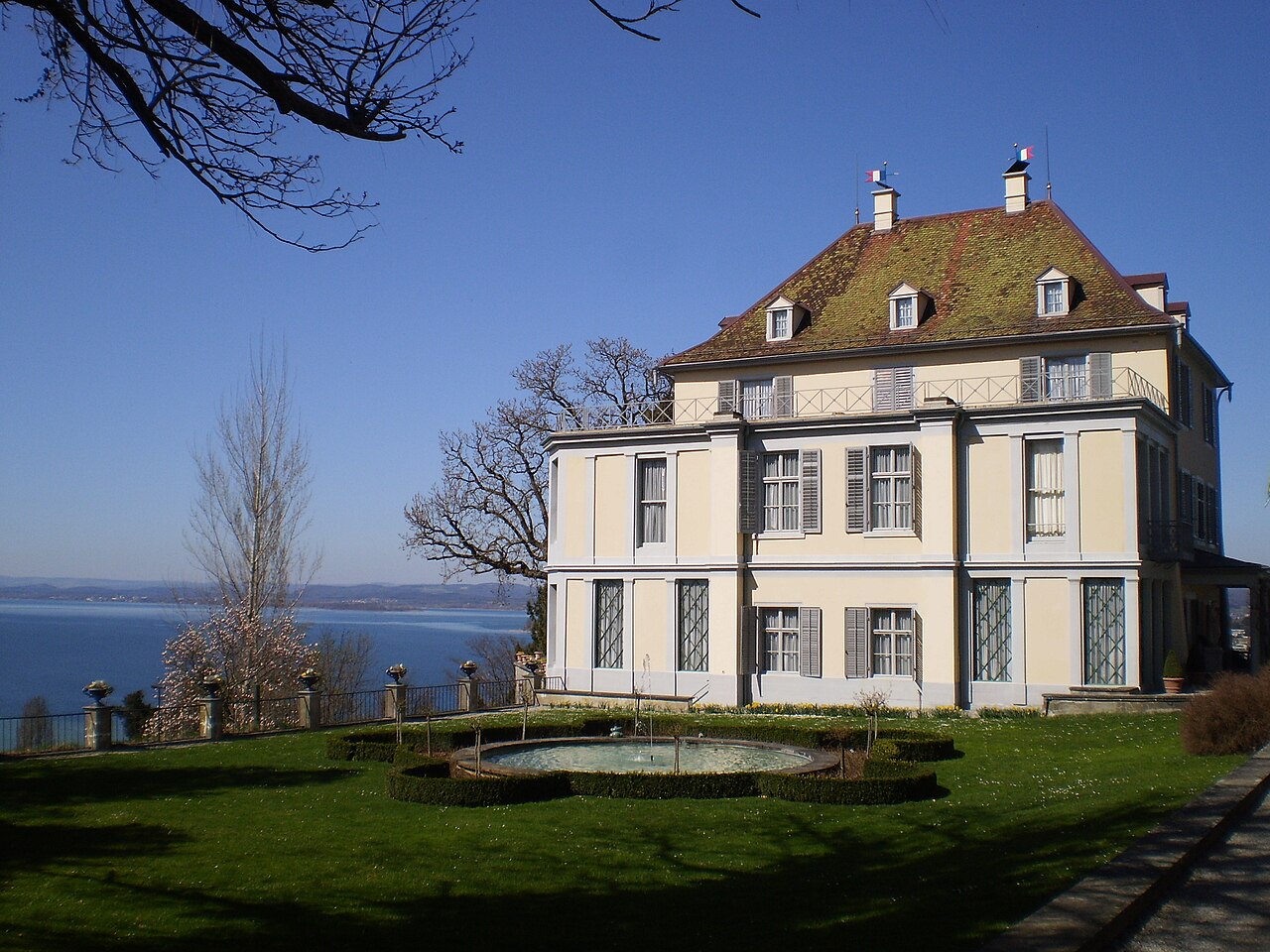
Arenenberg Castle, located in the municipality of Salenstein on the shores of Lake Constance in the Swiss canton of Thurgau, is a notable Renaissance estate distinguished by its historical and cultural significance. This hill castle is renowned primarily as the final residence of Hortense de Beauharnais, the stepdaughter of Emperor Napoleon Bonaparte, and today it serves as the home of the Napoleonmuseum. Historical background and significance The estate's origins date back to the 16th century, situating it firmly within the Renaissance period. Originally constructed as a fortified residence, Arenenberg Castle evolved over the centuries into a refined chateau surrounded by a landscaped park and a chapel. Its association with the Bonaparte family began in the early 19th century when Hortense de Beauharnais acquired the property in 1817. Hortense, the daughter of Empress Josephine and stepdaughter of Napoleon Bonaparte, used Arenenberg as her primary residence until her death in 1837. Following Hortense's tenure, the castle remained in the possession of her descendants, including Napoleon III, who used the estate as a summer residence and contributed to its development. The castle’s history reflects the complex political and familial ties of the Napoleonic era, making it a site of considerable historical interest. Architectural features and layout Arenenberg Castle is characterized by its Renaissance architectural style, evident in its symmetrical layout and elegant proportions. The main building is a modest-sized chateau with a rectangular plan, featuring multiple stories and a pitched roof. The castle is situated on a gentle hill overlooking Lake Constance, offering strategic views and a commanding presence on the landscape. The estate includes a chapel and an extensive park that enhance its aesthetic and cultural value. The park, designed in the English landscape garden style, contains mature trees, winding paths, and ornamental features that complement the castle’s architecture. The chapel, integrated into the estate, serves as a place of worship and adds to the spiritual dimension of the site. Defensive elements and modifications While originally constructed as a fortified residence, Arenenberg Castle’s defensive features are subtle, reflecting its transition from a military stronghold to a noble residence. The castle lacks extensive fortifications such as thick curtain walls or large towers common in medieval castles. Instead, its hilltop location provided a natural defensive advantage. Over time, renovations and expansions have prioritized comfort and aesthetics over military utility, aligning with Renaissance ideals of harmony and proportion. The Napoleonmuseum and cultural heritage The castle today houses the Napoleonmuseum, which preserves and presents artifacts related to the Bonaparte family and the Napoleonic era. The museum’s collection includes personal belongings of Hortense de Beauharnais and Napoleon III, as well as documents, paintings, and furniture that illustrate the lifestyle and history of the period. This museum plays a crucial role in educating visitors about the historical significance of Arenenberg and its connection to European history. The castle is recognized as a Swiss heritage site of national significance, underscoring its importance in the cultural landscape of Switzerland. Visiting Arenenberg Castle Visitors to Arenenberg can explore the castle’s interiors, including the museum exhibits, the chapel, and the surrounding park. The location on Lake Constance provides scenic views and opportunities for leisurely walks. The estate is accessible from the nearby town of Salenstein, which offers additional amenities and transport connections. The castle’s combination of architectural elegance, historical depth, and natural beauty makes it a significant destination for those interested in Renaissance architecture, Napoleonic history, and Swiss cultural heritage.

Renaissance (15th–17th c.)
Details
6.5 km

Gottlieben Castle

Gottlieben, Switzerland

Gottlieben Castle stands as a remarkable example of a medieval episcopal residence in the picturesque village of Gottlieben, Switzerland. Constructed in the 13th century by Eberhard von Waldburg, the castle was originally established to serve as the residence and administrative center for the Bishops of Constance. This strategic location near the shores of Lake Constance allowed the bishops to exert their influence over the surrounding region, including the nearby villages of Engwilen, Siegershausen, and Tägerwilen. Medieval origins and episcopal significance The village of Gottlieben itself is first documented around the end of the 10th century under the name Gotiliubon, indicating its long-standing historical roots tied to the Bishopric of Constance. The castle's construction in 1251 marked a significant development in the region's ecclesiastical and secular governance. Eberhard von Waldburg, a notable figure connected to the bishopric, oversaw the building of the castle, which was designed to function as both a fortified residence and a center for the administration of justice. Following the Swabian War of 1499, the castle took on an important judicial role as the residence of the episcopal chief constable. From Gottlieben Castle, the constable managed the village and the local low court until the dissolution of the bishopric's secular powers in 1798. The court's jurisdiction extended over several nearby communities, collectively forming the Bishop's bailiwick of Gottlieben. This judicial function highlights the castle's role not only as a residence but also as a center of regional governance and law enforcement during the late medieval and early modern periods. Architectural evolution and neo-gothic renovation Originally constructed in the high medieval period, the castle's architecture reflects the typical features of a fortified episcopal residence, including defensive walls and strategic positioning to oversee the surrounding lands. Although specific details of the original medieval structure are limited, the castle's enduring presence attests to its solid construction and importance. In 1808, following the secularization and the end of episcopal rule, Gottlieben Castle transitioned into private ownership. This change marked a new chapter in the castle's history, shifting from a center of ecclesiastical power to a private estate. A significant architectural transformation occurred in 1837 when the castle underwent renovations in the neo-gothic style. This style, popular in the 19th century, sought to revive medieval Gothic architectural elements such as pointed arches, decorative tracery, and steeply pitched roofs. The renovation likely introduced these stylistic features, enhancing the castle's romantic and historic character while preserving its medieval origins. The castle's role in regional history and heritage Gottlieben Castle's historical significance extends beyond its architectural features. As the former seat of the Bishops of Constance's local authority, it played a central role in the governance and judicial administration of the surrounding villages for several centuries. The castle's connection to the Swabian War and the subsequent shifts in regional power dynamics reflect the broader historical changes in the region during the late medieval and early modern periods. Today, the castle remains a prominent landmark in Gottlieben, embodying the layered history of ecclesiastical power, medieval architecture, and 19th-century romantic revival. Its preservation and neo-gothic enhancements contribute to its status as a cultural heritage site, attracting visitors interested in medieval history, architecture, and the legacy of the Bishops of Constance. Architectural features and layout While detailed architectural plans of Gottlieben Castle are scarce, typical features of episcopal residences from the high medieval period provide insight into its likely structure. The castle would have included fortified walls, a main residential building or keep, and administrative chambers to support the bishop's governance and judicial duties. The presence of a local low court within the castle suggests the inclusion of courtrooms or halls designed for legal proceedings. The neo-gothic renovation in the 19th century likely added ornamental elements such as pointed windows, battlements, and decorative stonework, blending medieval defensive architecture with romantic stylistic flourishes. These features would have enhanced both the castle's aesthetic appeal and its historical ambiance. Visiting gottlieben castle today Gottlieben Castle remains a significant historical site within the village of Gottlieben. Visitors interested in medieval history, ecclesiastical heritage, and neo-gothic architecture will find the castle a compelling destination. Its location near Lake Constance also offers scenic views and opportunities to explore the surrounding region's rich cultural landscape.

High Medieval (11th–13th c.)
Details
8.1 km
Altenklingen Castle — Switzerland castle

Altenklingen Castle

Wigoltingen, Switzerland

Altenklingen Castle stands as a notable example of a late Renaissance hill castle located in the municipality of Wigoltingen, in the Swiss Canton of Thurgau. Its history spans over eight centuries, beginning with a fortification established around the year 1200. This early fort was originally under the ownership of the Barons of Klingen, a noble family who held the site until 1395. The medieval origins and early history The initial structure on the site was a medieval fortification typical of the early 13th century, designed primarily for defense and control over the surrounding lands. The Barons of Klingen maintained possession for nearly two centuries, but the castle's fate changed dramatically after the last member of the Klingen family was killed in battle. Following this event, the property passed through various hands, reflecting the turbulent political and military shifts of the region during the late medieval period. Transformation in the Renaissance period In the 16th century, significant changes were made to the castle. Leonard Zollikofer (1529-1587), a prominent figure of the time, acquired the property and decided to demolish the original medieval fortress. He commissioned Mathäus Höbel, an architect from Kempten im Allgäu, to design and construct a new castle that would embody the architectural ideals of the Renaissance. This new structure was completed in the late 16th century and reflects the stylistic and functional shifts characteristic of the Renaissance era, focusing more on residential comfort and aesthetic appeal while retaining defensive features. Architectural features of the Renaissance castle The castle exhibits hallmark features of Renaissance architecture, including symmetrical layouts, proportionate windows, and ornamental detailing that contrasts with the more austere medieval fortress it replaced. The design incorporates strong defensive elements typical of hill castles, such as thick walls and elevated positions, but also integrates elegant residential quarters and representative halls suited for noble living. Ownership and preservation Since 1595, Altenklingen Castle has remained under the ownership of the Zollikofer family, who have preserved its historical and architectural integrity. The castle is privately owned and not generally open to the public, which has contributed to its well-preserved state. It is recognized as a Swiss heritage site of national significance, underscoring its cultural importance and architectural value within Switzerland. Location and strategic importance Situated on a hill, Altenklingen Castle benefits from a commanding view of the surrounding landscape, a typical strategic choice for fortifications of its kind. The elevated position provided both defensive advantages and control over nearby routes and territories, which was crucial during the medieval and Renaissance periods. The castle in the context of Swiss heritage As a heritage site, Altenklingen Castle exemplifies the transition from medieval fortifications to Renaissance residences in Switzerland. Its preservation offers insights into architectural evolution, noble life, and regional history in the Canton of Thurgau. The castle's continuous private ownership has helped maintain its original character and prevented extensive modern alterations. Visiting Altenklingen Castle While the castle is privately owned and not typically accessible to the public, its exterior and surrounding landscape can be appreciated from nearby vantage points in Wigoltingen. Visitors interested in Swiss castles and Renaissance architecture can observe the castle's silhouette and setting, which contribute to the region's historical ambiance.

Renaissance (15th–17th c.)
Details