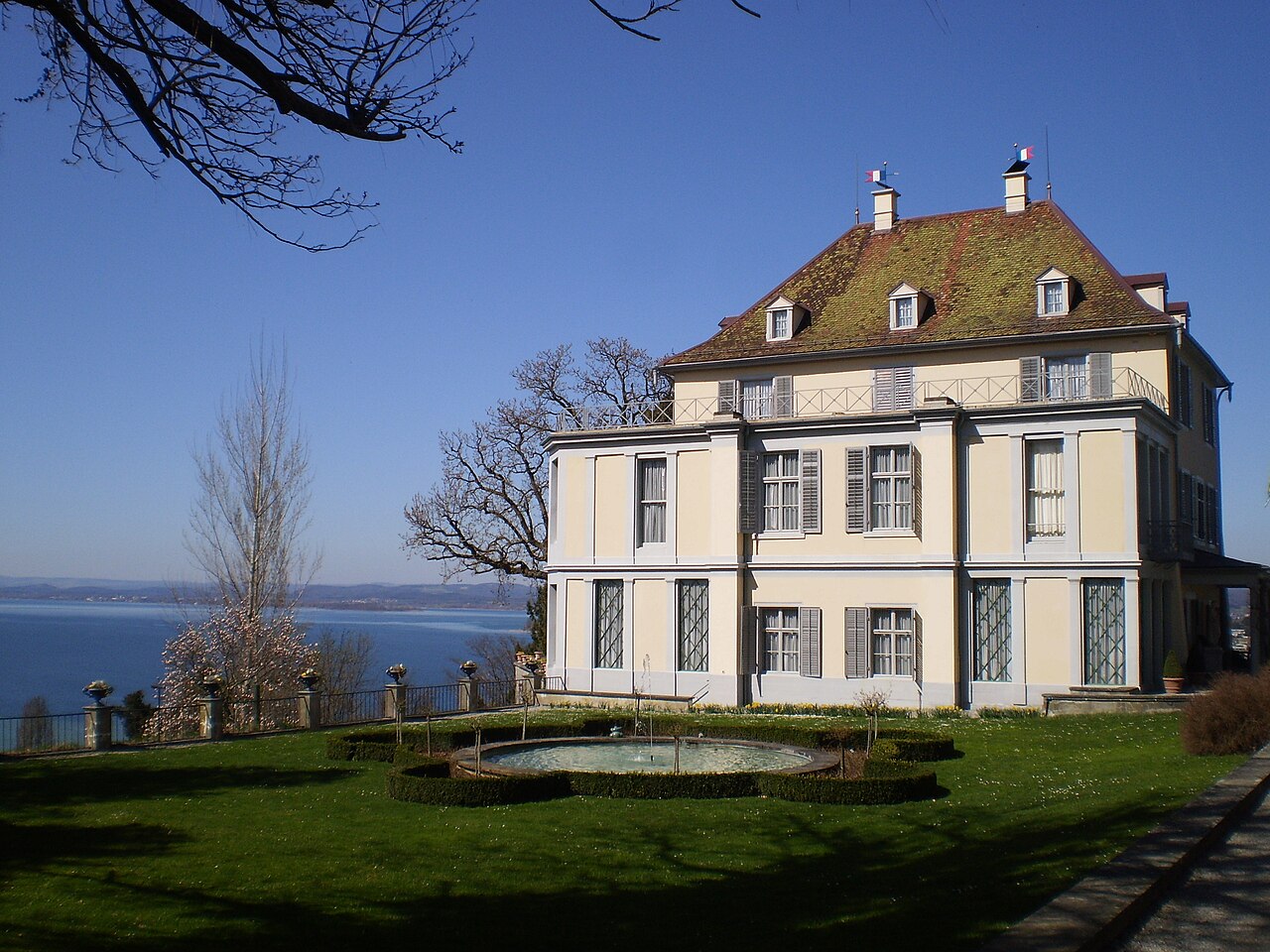
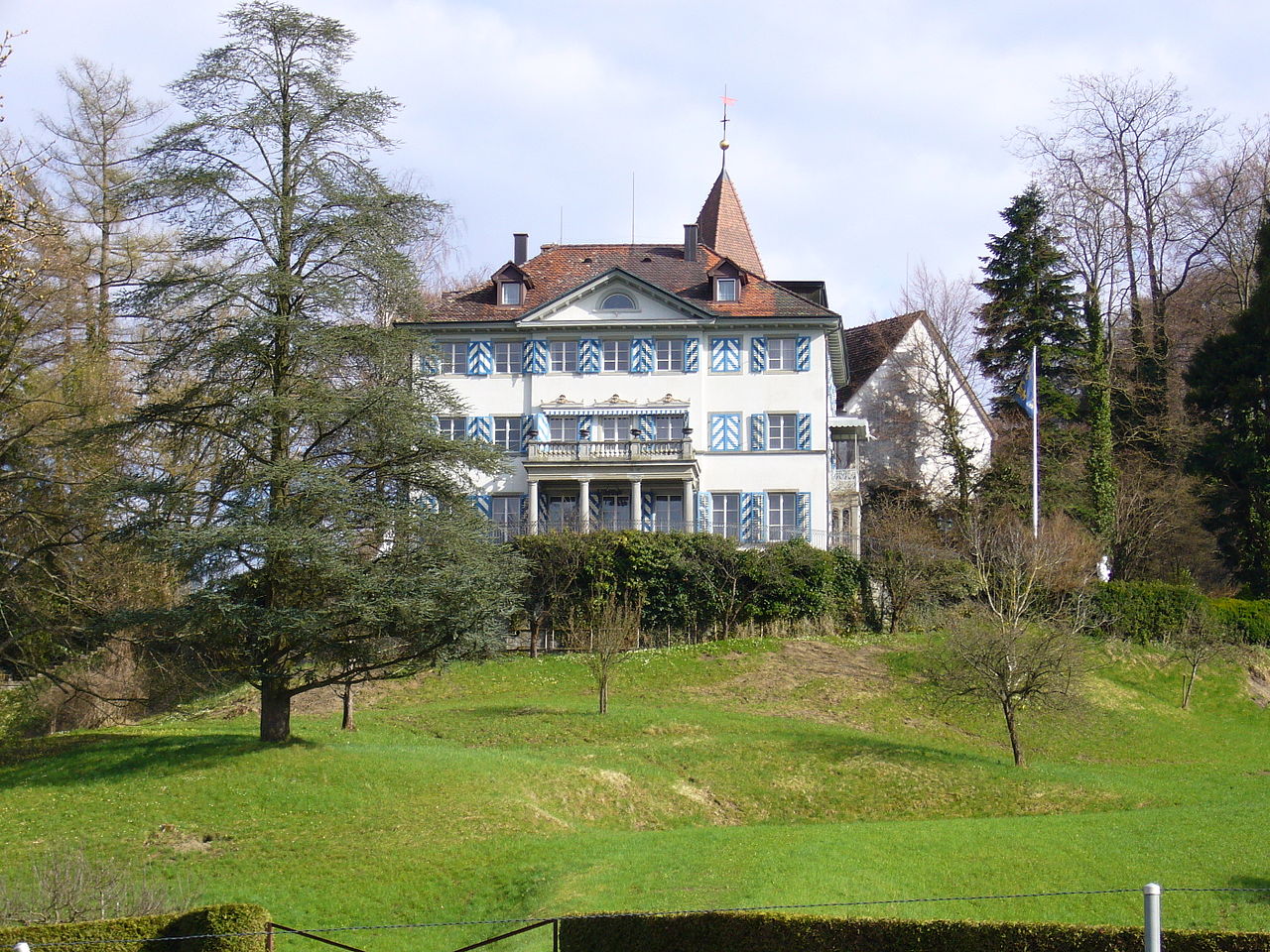
Gottlieben Castle
Gottlieben Castle stands as a remarkable example of a medieval episcopal residence in the picturesque village of Gottlieben, Switzerland. Constructed in the 13th century by Eberhard von Waldburg, the castle was originally established to serve as the residence and administrative center for the Bishops of Constance. This strategic location near the shores of Lake Constance allowed the bishops to exert their influence over the surrounding region, including the nearby villages of Engwilen, Siegershausen, and Tägerwilen.
Medieval origins and episcopal significance
The village of Gottlieben itself is first documented around the end of the 10th century under the name Gotiliubon, indicating its long-standing historical roots tied to the Bishopric of Constance. The castle's construction in 1251 marked a significant development in the region's ecclesiastical and secular governance. Eberhard von Waldburg, a notable figure connected to the bishopric, oversaw the building of the castle, which was designed to function as both a fortified residence and a center for the administration of justice.
Following the Swabian War of 1499, the castle took on an important judicial role as the residence of the episcopal chief constable. From Gottlieben Castle, the constable managed the village and the local low court until the dissolution of the bishopric's secular powers in 1798. The court's jurisdiction extended over several nearby communities, collectively forming the Bishop's bailiwick of Gottlieben. This judicial function highlights the castle's role not only as a residence but also as a center of regional governance and law enforcement during the late medieval and early modern periods.
Architectural evolution and neo-gothic renovation
Originally constructed in the high medieval period, the castle's architecture reflects the typical features of a fortified episcopal residence, including defensive walls and strategic positioning to oversee the surrounding lands. Although specific details of the original medieval structure are limited, the castle's enduring presence attests to its solid construction and importance.
In 1808, following the secularization and the end of episcopal rule, Gottlieben Castle transitioned into private ownership. This change marked a new chapter in the castle's history, shifting from a center of ecclesiastical power to a private estate.
A significant architectural transformation occurred in 1837 when the castle underwent renovations in the neo-gothic style. This style, popular in the 19th century, sought to revive medieval Gothic architectural elements such as pointed arches, decorative tracery, and steeply pitched roofs. The renovation likely introduced these stylistic features, enhancing the castle's romantic and historic character while preserving its medieval origins.
The castle's role in regional history and heritage
Gottlieben Castle's historical significance extends beyond its architectural features. As the former seat of the Bishops of Constance's local authority, it played a central role in the governance and judicial administration of the surrounding villages for several centuries. The castle's connection to the Swabian War and the subsequent shifts in regional power dynamics reflect the broader historical changes in the region during the late medieval and early modern periods.
Today, the castle remains a prominent landmark in Gottlieben, embodying the layered history of ecclesiastical power, medieval architecture, and 19th-century romantic revival. Its preservation and neo-gothic enhancements contribute to its status as a cultural heritage site, attracting visitors interested in medieval history, architecture, and the legacy of the Bishops of Constance.
Architectural features and layout
While detailed architectural plans of Gottlieben Castle are scarce, typical features of episcopal residences from the high medieval period provide insight into its likely structure. The castle would have included fortified walls, a main residential building or keep, and administrative chambers to support the bishop's governance and judicial duties. The presence of a local low court within the castle suggests the inclusion of courtrooms or halls designed for legal proceedings.
The neo-gothic renovation in the 19th century likely added ornamental elements such as pointed windows, battlements, and decorative stonework, blending medieval defensive architecture with romantic stylistic flourishes. These features would have enhanced both the castle's aesthetic appeal and its historical ambiance.
Visiting gottlieben castle today
Gottlieben Castle remains a significant historical site within the village of Gottlieben. Visitors interested in medieval history, ecclesiastical heritage, and neo-gothic architecture will find the castle a compelling destination. Its location near Lake Constance also offers scenic views and opportunities to explore the surrounding region's rich cultural landscape.
Frequently asked questions (FAQ)
- What is the historical significance of Gottlieben Castle?
- Gottlieben Castle dates back to the 13th century and is a prime example of medieval architecture in Switzerland. It has served various purposes throughout its history, including a fortress and a residence, contributing to the local heritage and history of the region.
- When was Gottlieben Castle built?
- The castle was originally constructed in the early 1200s, making it over 800 years old. Its long history reflects the architectural styles and historical events that have shaped the area over centuries.
- Can I visit Gottlieben Castle?
- Yes, Gottlieben Castle is open to visitors, offering guided tours that highlight its rich history and unique architecture. It's recommended to check the official website for any special events or temporary closures before planning your visit.
- What are the opening hours for Gottlieben Castle?
- Gottlieben Castle typically opens its doors to visitors from 10 AM to 5 PM, but hours can vary depending on the season. It is advisable to confirm the opening hours before your visit to ensure a smooth experience.
- Is it possible to access Gottlieben Castle by public transport?
- Yes, Gottlieben Castle is accessible via public transport. Visitors can take a train to the nearby town of Kreuzlingen and then use local buses or a short walk to reach the castle.
- What is the best time to visit Gottlieben Castle?
- The best time to visit Gottlieben Castle is during the spring and summer months when the weather is pleasant, and the surrounding gardens are in full bloom. This is also when most events and activities take place, enhancing your experience.
- Are there any nearby attractions to visit while at Gottlieben Castle?
- Indeed, there are several attractions near Gottlieben Castle, including the beautiful Lake Constance and the charming village of Gottlieben itself. Visitors can also explore nearby towns like Kreuzlingen and Constance, which offer cultural and historical sites.
- How much are the ticket prices for Gottlieben Castle?
- Ticket prices for Gottlieben Castle are generally affordable, with discounts available for students and seniors. It's best to check the castle's official website for the most current pricing and any special offers.
Information
Website
Visit websiteSources & official resources
Verify the information above using these authoritative references.
Loading map...
Visitor reviews
No reviews yet. Been here? Write the first review and help other travelers!
Write the first reviewVisited this castle? Share your experience
Your review helps other travelers and adds first-hand knowledge to our encyclopedia.