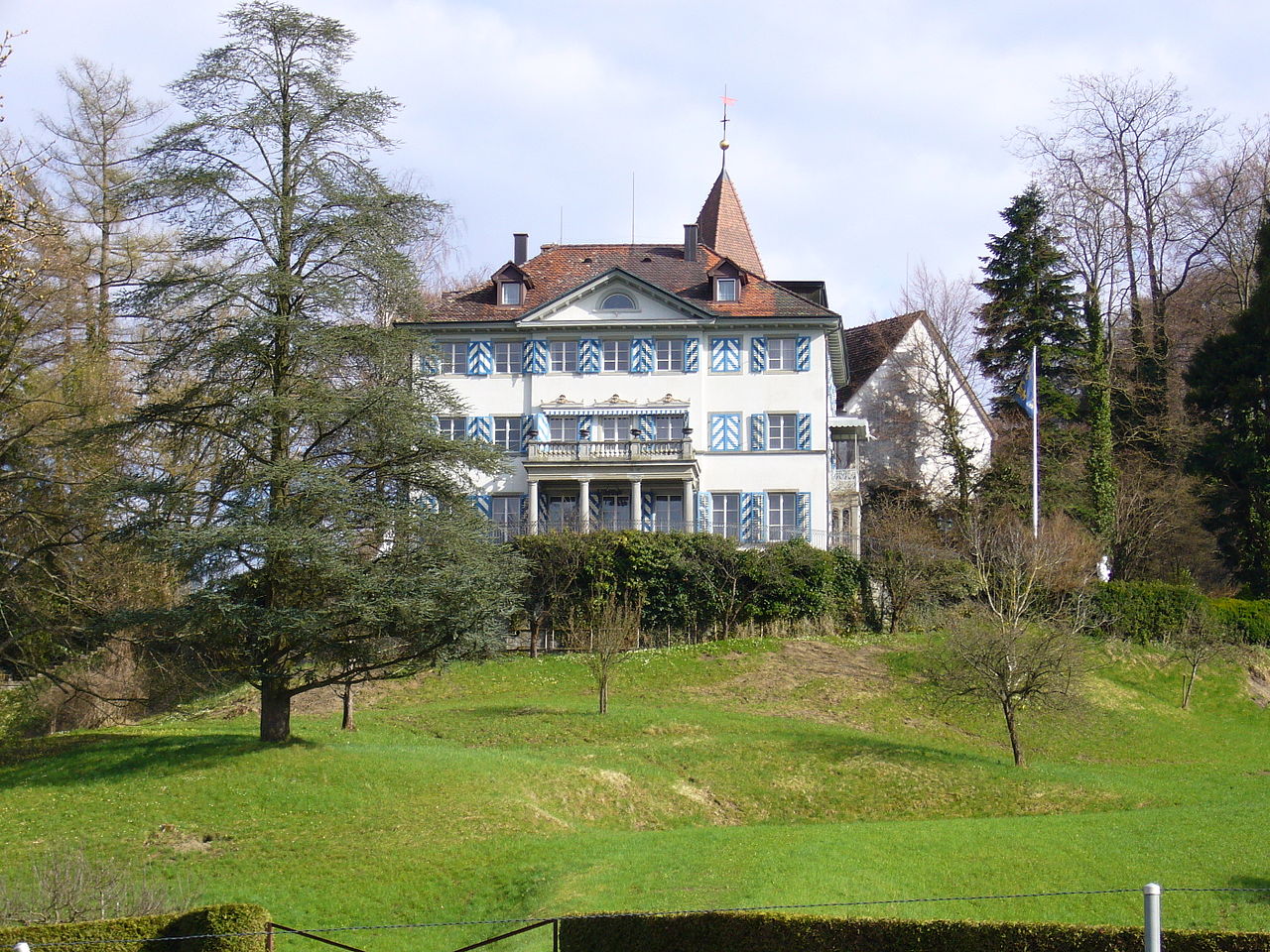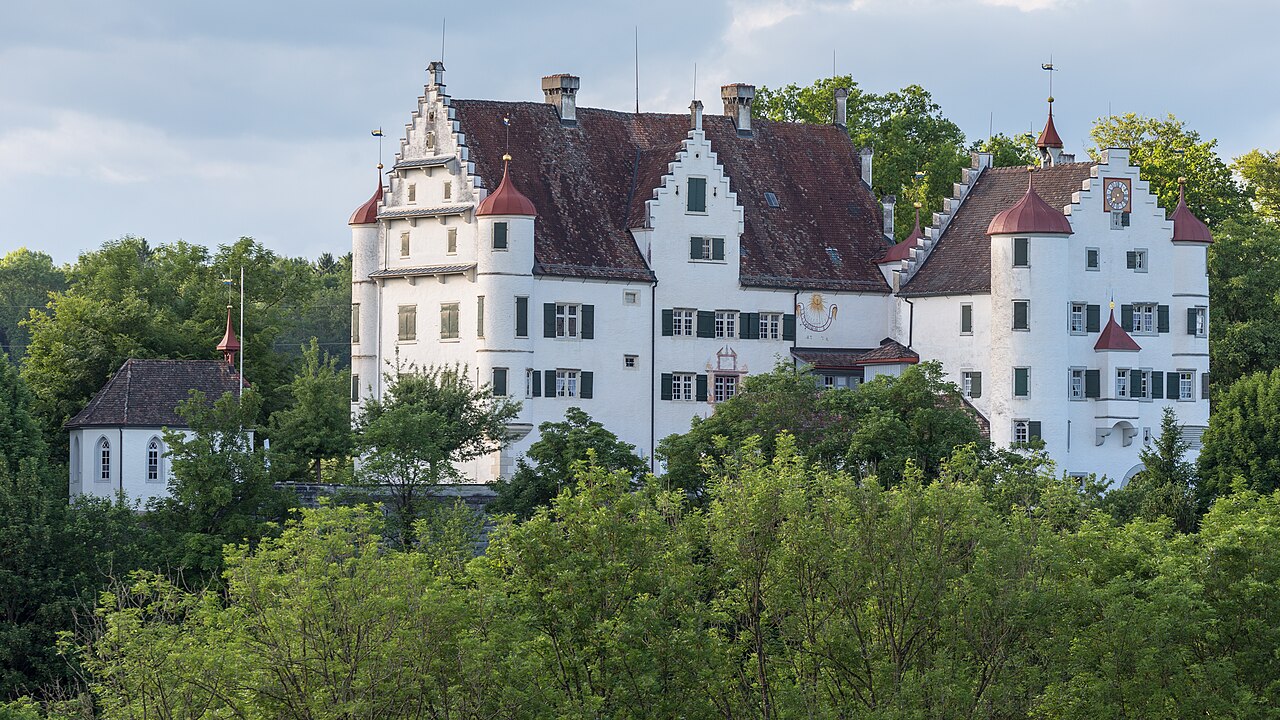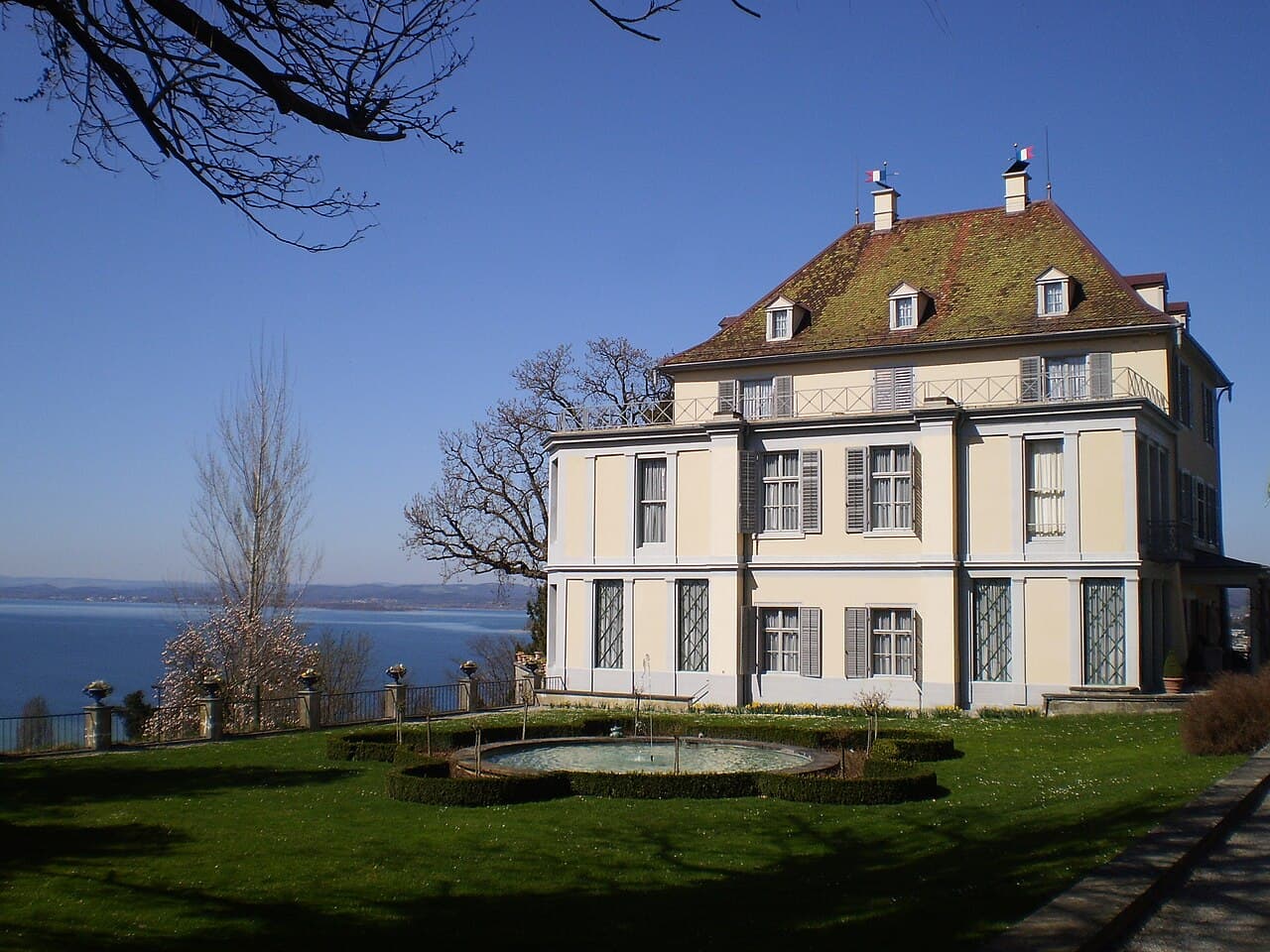
Arenenberg Castle with Chapel and Park
Arenenberg Castle, located in the municipality of Salenstein on the shores of Lake Constance in the Swiss canton of Thurgau, is a notable Renaissance estate distinguished by its historical and cultural significance. This hill castle is renowned primarily as the final residence of Hortense de Beauharnais, the stepdaughter of Emperor Napoleon Bonaparte, and today it serves as the home of the Napoleonmuseum.
Historical background and significance
The estate's origins date back to the 16th century, situating it firmly within the Renaissance period. Originally constructed as a fortified residence, Arenenberg Castle evolved over the centuries into a refined chateau surrounded by a landscaped park and a chapel. Its association with the Bonaparte family began in the early 19th century when Hortense de Beauharnais acquired the property in 1817. Hortense, the daughter of Empress Josephine and stepdaughter of Napoleon Bonaparte, used Arenenberg as her primary residence until her death in 1837.
Following Hortense's tenure, the castle remained in the possession of her descendants, including Napoleon III, who used the estate as a summer residence and contributed to its development. The castle’s history reflects the complex political and familial ties of the Napoleonic era, making it a site of considerable historical interest.
Architectural features and layout
Arenenberg Castle is characterized by its Renaissance architectural style, evident in its symmetrical layout and elegant proportions. The main building is a modest-sized chateau with a rectangular plan, featuring multiple stories and a pitched roof. The castle is situated on a gentle hill overlooking Lake Constance, offering strategic views and a commanding presence on the landscape.
The estate includes a chapel and an extensive park that enhance its aesthetic and cultural value. The park, designed in the English landscape garden style, contains mature trees, winding paths, and ornamental features that complement the castle’s architecture. The chapel, integrated into the estate, serves as a place of worship and adds to the spiritual dimension of the site.
Defensive elements and modifications
While originally constructed as a fortified residence, Arenenberg Castle’s defensive features are subtle, reflecting its transition from a military stronghold to a noble residence. The castle lacks extensive fortifications such as thick curtain walls or large towers common in medieval castles. Instead, its hilltop location provided a natural defensive advantage.
Over time, renovations and expansions have prioritized comfort and aesthetics over military utility, aligning with Renaissance ideals of harmony and proportion.
The Napoleonmuseum and cultural heritage
The castle today houses the Napoleonmuseum, which preserves and presents artifacts related to the Bonaparte family and the Napoleonic era. The museum’s collection includes personal belongings of Hortense de Beauharnais and Napoleon III, as well as documents, paintings, and furniture that illustrate the lifestyle and history of the period.
This museum plays a crucial role in educating visitors about the historical significance of Arenenberg and its connection to European history. The castle is recognized as a Swiss heritage site of national significance, underscoring its importance in the cultural landscape of Switzerland.
Visiting Arenenberg Castle
Visitors to Arenenberg can explore the castle’s interiors, including the museum exhibits, the chapel, and the surrounding park. The location on Lake Constance provides scenic views and opportunities for leisurely walks. The estate is accessible from the nearby town of Salenstein, which offers additional amenities and transport connections.
The castle’s combination of architectural elegance, historical depth, and natural beauty makes it a significant destination for those interested in Renaissance architecture, Napoleonic history, and Swiss cultural heritage.
Frequently asked questions (FAQ)
- How do I get to Arenenberg Castle?
- Arenenberg Castle is located in Salenstein, Switzerland, and can be easily reached by car or public transport. The nearest major city is Kreuzlingen, from which you can take a bus or a short taxi ride to the castle.
- What is the historical significance of Arenenberg Castle?
- Arenenberg Castle is known for its connection to the exiled French Emperor Napoleon III, who lived here during his youth. The castle offers insights into the political history of the 19th century and showcases the lifestyle of the time.
- When was Arenenberg Castle built?
- The origins of Arenenberg Castle date back to the 13th century, although it underwent significant renovations in the 19th century. This blend of medieval and neoclassical architecture reflects the evolving styles of the time.
- Can I visit the chapel within Arenenberg Castle?
- Yes, visitors can explore the chapel, which is an integral part of the castle complex. The chapel features beautiful stained glass windows and is a serene place for reflection.
- Why is the park surrounding Arenenberg Castle noteworthy?
- The park surrounding Arenenberg Castle is renowned for its stunning gardens and panoramic views of Lake Constance. It is a perfect spot for leisurely walks and enjoying the natural beauty of the region.
- Is it possible to access Arenenberg Castle with a wheelchair?
- Yes, Arenenberg Castle is equipped with facilities to accommodate visitors with mobility challenges. Ramps and accessible pathways ensure that everyone can enjoy the castle and its surroundings.
- What are the opening hours of Arenenberg Castle?
- Arenenberg Castle is typically open to visitors from April to October, with varying hours depending on the season. It's recommended to check the official website for the most current opening times before your visit.
- What are the ticket prices for visiting Arenenberg Castle?
- Ticket prices for Arenenberg Castle are generally quite reasonable, with discounts available for students and seniors. Admission fees typically include access to the castle, chapel, and park.
- When is the best time to visit Arenenberg Castle?
- The best time to visit Arenenberg Castle is during the spring and summer months when the gardens are in full bloom. Additionally, pleasant weather allows for enjoyable outdoor activities in the park surrounding the castle.
- Are there any nearby attractions to explore after visiting Arenenberg Castle?
- Yes, there are several nearby attractions, including the picturesque towns of Kreuzlingen and Constance, which offer shopping, dining, and cultural experiences. Additionally, the beautiful shores of Lake Constance provide opportunities for boating and scenic walks.
Photo gallery

Information
Current owner
Swiss heritage authorities
Loading map...
Visitor reviews
No reviews yet. Been here? Write the first review and help other travelers!
Write the first reviewVisited this castle? Share your experience
Your review helps other travelers and adds first-hand knowledge to our encyclopedia.