Los Ribera Castle
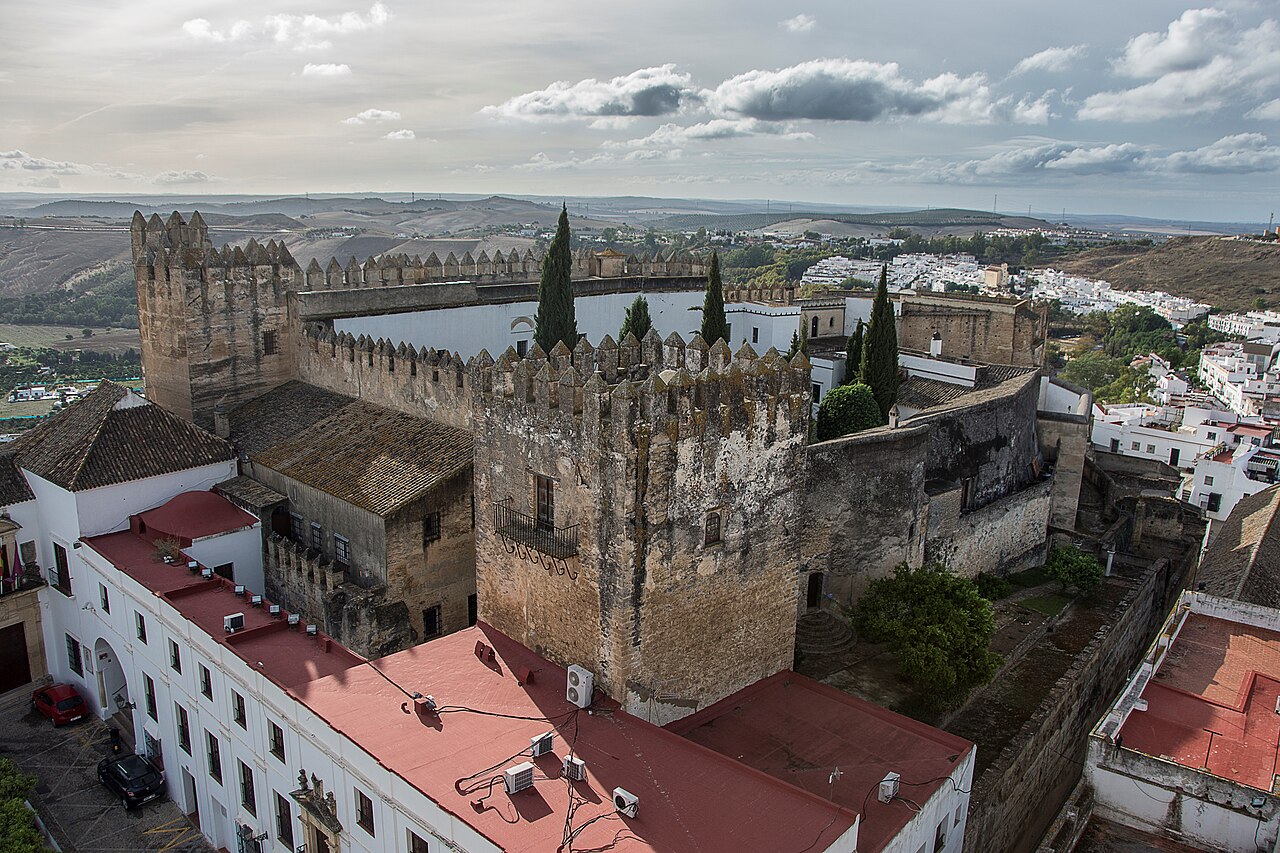
Los Ribera Castle, located in the municipality of Bornos, Spain, stands as a remarkable example of architectural evolution from an early Arab fortress to a refined Renaissance palace. Originally known as Castillo del Fontanar, the site dates back to the period of Muslim rule in the Iberian Peninsula. Key surviving features from this early phase include the imposing Tower of Homage and sections of the original defensive walls, which reflect the castle's strategic military importance before the Christian reconquest.
The castle's history is closely intertwined with the prominent Ribera family, who acquired the fortress and surrounding lands in the late 14th century. Around 1398, Per Afán de Ribera the Elder, the adelantado mayor and notary major of Andalusia, took possession of the site. This followed an earlier grant of the lands by King Enrique II to the House of Marchena circa 1387. The Ribera family's stewardship marked a significant turning point, initiating centuries of architectural and cultural development.
From Arab fortress to noble residence
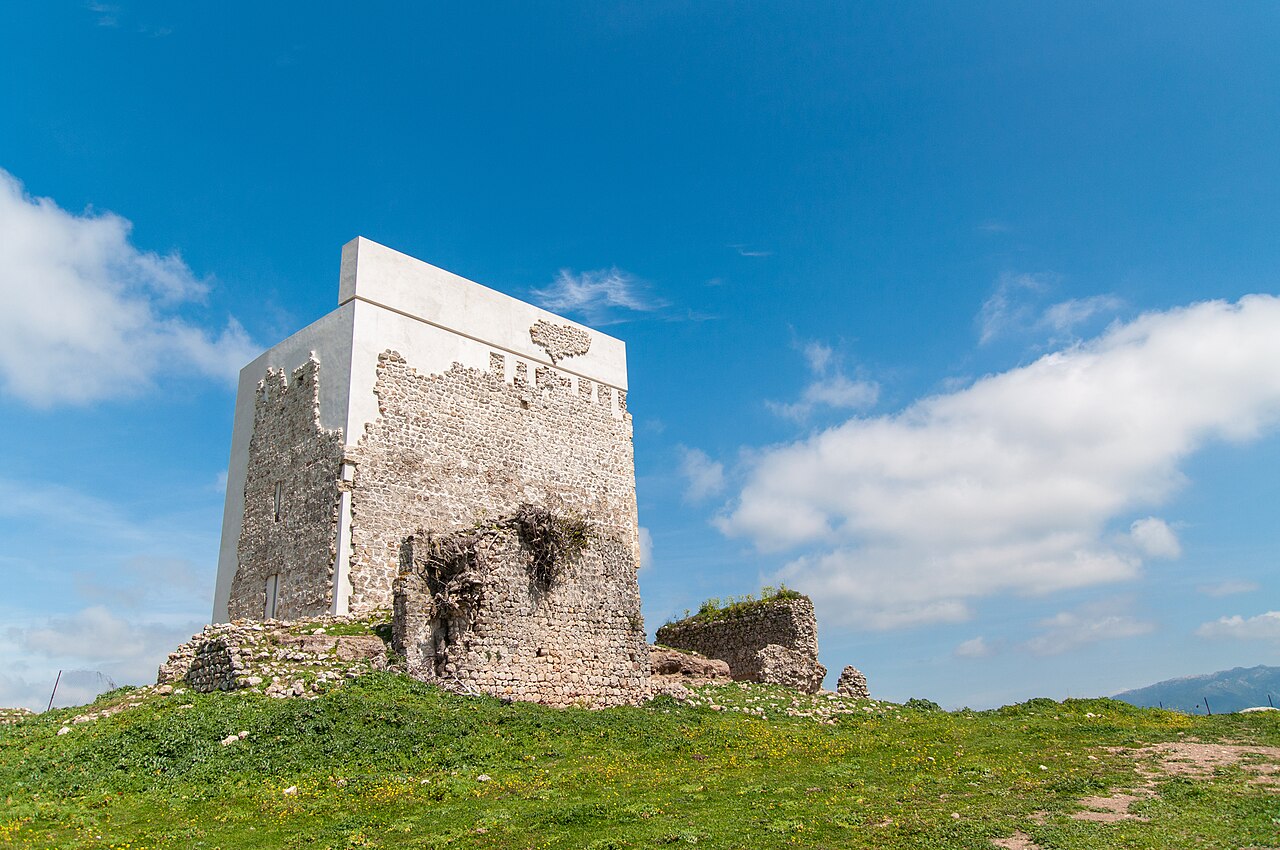
The original fortress, built during the Medieval Islamic period, was primarily a military stronghold designed to control the surrounding territory. The Tower of Homage is the most prominent vestige of this era, characterized by its robust square plan and defensive features. The tower's western entrance and the attached northwest mass, subdivided into interior chambers, highlight the castle’s functional design. Decorative elements such as the remnants of fleur-de-lis cresting and engraved plasterwork linked to Segovia add a layer of artistic detail uncommon in purely military structures. Notably, the windows bear small sculpted figures supporting a ducal crown, symbolizing the noble status of later inhabitants.
Renaissance transformation under the Ribera family
During the 16th century, the Ribera family transformed the fortress into a luxurious Plateresque palace, blending Gothic and Renaissance architectural elements. This style is characterized by intricate ornamentation resembling silverwork, evident in the palace's elaborate windows and decorative façades. Don Fadrique Enríquez de Ribera, the first Marquis of Tarifa, was instrumental in commissioning artists from Spain and Italy to renovate the complex, infusing it with Renaissance artistic motifs.
Architectural features of the palace
The palace is situated northeast of the Tower of Homage and is organized around a central courtyard. This courtyard is bordered on two sides by two-level porticoes with semi-circular arches. The lower arches are adorned with gargoyles, serving both decorative and practical functions by directing rainwater away from the walls. The upper gallery features a late Gothic doorway decorated with motifs resembling thistle leaves, a symbol often associated with nobility and protection.
The exterior walls showcase typical Plateresque windows, with frames carved in vegetal forms and topped by semicircular canopies embellished with human and geometric figures influenced by Gothic art. The palace's main entrance contrasts with these ornate details through its simplicity, displaying the Ribera family coat of arms beneath a plain principal balcony.
Italian influence and garden design
Between 1569 and 1571, Per Afán (III) de Ribera y Portocarrero, the first Duke of Alcalá de los Gazules and viceroy of Catalonia and Naples, further enhanced the palace. Collaborating with the Italian architect Benvenuto Tortello, he introduced classical Renaissance elements such as Italian marble, refined gardens, and galleries inspired by Italian models. The palace gardens were designed to display sculptures depicting classical mythology, drawing inspiration from Donato Bramante's Belvedere courtyard in Rome, a key example of Renaissance garden architecture. Although the upper-level paired-support gallery no longer survives, the remaining galleries with niches and arches preserve the Renaissance aesthetic.
Preservation and restoration efforts
In the late 20th century, from 1992 to 1995, a vocational training school undertook a meticulous restoration of the palace and its gardens. This project aimed to preserve both the Renaissance features and traces of the earlier Arabic garden elements, reflecting the castle's layered cultural heritage. Restoration work focused on maintaining the forged iron windows, masonry, painted surfaces, wooden carpentry, and the distinctive garden layouts.
Recognizing its cultural and historical significance, Los Ribera Castle was declared a Cultural Interest Asset and Monument in 1985 by Spain's Official State Gazette. Today, the castle stands as a testament to the region's complex history, showcasing a unique blend of Islamic military architecture and Renaissance noble residence design.
Architectural highlights and artistic details
The castle's Tower of Homage remains the dominant structure, with its strong square layout and decorative features such as fleur-de-lis cresting and Segovian plasterwork. The small sculpted figures supporting a ducal crown on the windows emphasize the aristocratic lineage of the Ribera family. The palace's courtyard with its two-level porticoes and semi-circular arches creates an elegant space for social and ceremonial functions.
The use of Plateresque windows with vegetal and geometric motifs, along with the Gothic-inspired gargoyles and thistle leaf decorations, illustrate the fusion of styles that characterize the castle. The gardens' Renaissance design, inspired by Italian models, highlights the cultural exchange between Spain and Italy during the 16th century.
Historical significance and cultural legacy
Los Ribera Castle not only served as a military fortress but also as a symbol of noble power and cultural refinement. Its transformation from an Arab defensive structure to a Renaissance palace reflects broader historical trends in Andalusia, including the Christian reconquest and the Renaissance's artistic influence. The castle's preservation allows visitors to explore these layers of history and architecture firsthand.
Today, the castle is a valuable cultural monument that attracts scholars, historians, and tourists interested in Spain's medieval and Renaissance heritage. Its blend of architectural styles and well-preserved features offer insights into the region's complex past and the Ribera family's prominent role in Andalusian history.
Frequently asked questions (FAQ)
- When was Los Ribera Castle originally built?
- Los Ribera Castle originated as an Arab fortress known as Castillo del Fontanar, dating back to the period of Muslim rule in the Iberian Peninsula before the Christian reconquest.
- What architectural styles are represented at Los Ribera Castle?
- Los Ribera Castle showcases a blend of architectural styles, including the original Islamic military architecture of the fortress and the later Plateresque Renaissance style introduced during the 16th-century renovations.
- Who was responsible for the Renaissance transformation of the castle?
- The Renaissance transformation was led by the Ribera family, particularly Don Fadrique Enríquez de Ribera and Per Afán (III) de Ribera y Portocarrero, who commissioned Spanish and Italian artists and architects to renovate the castle.
- What are the notable features of the castle's Tower of Homage?
- The Tower of Homage is a strong square defensive tower with a western entrance, decorative fleur-de-lis cresting, Segovian-style engraved plasterwork, and windows featuring sculpted figures supporting a ducal crown.
- Are the castle gardens open to the public?
- The castle gardens preserve Renaissance layout features inspired by Italian designs, including galleries with niches and arches for sculptures. Visitors can appreciate the blend of Renaissance and Arabic garden elements preserved through restoration.
Information
Website
Visit websiteSources & official resources
Verify the information above using these authoritative references.
Loading map...
Visitor reviews
No reviews yet. Been here? Write the first review and help other travelers!
Write the first reviewVisited this castle? Share your experience
Your review helps other travelers and adds first-hand knowledge to our encyclopedia.