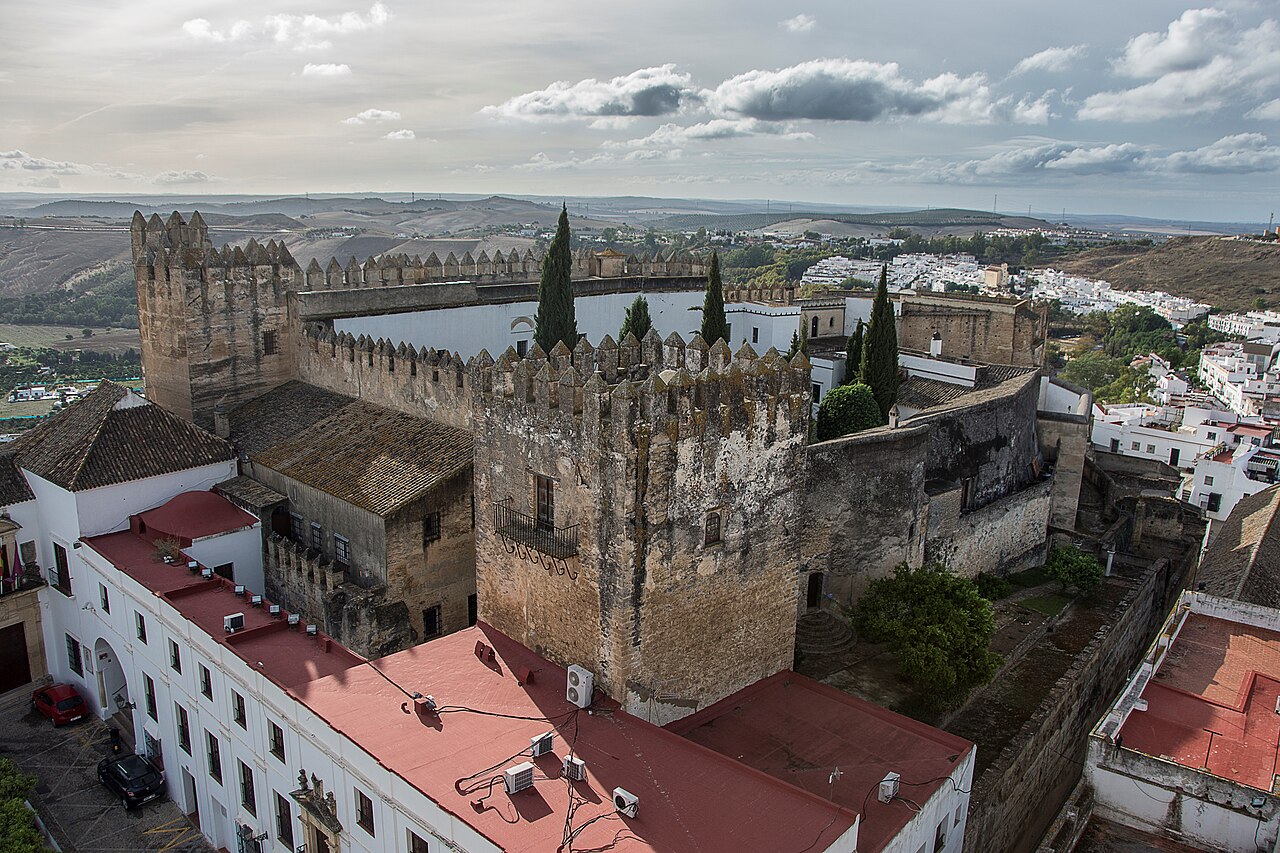
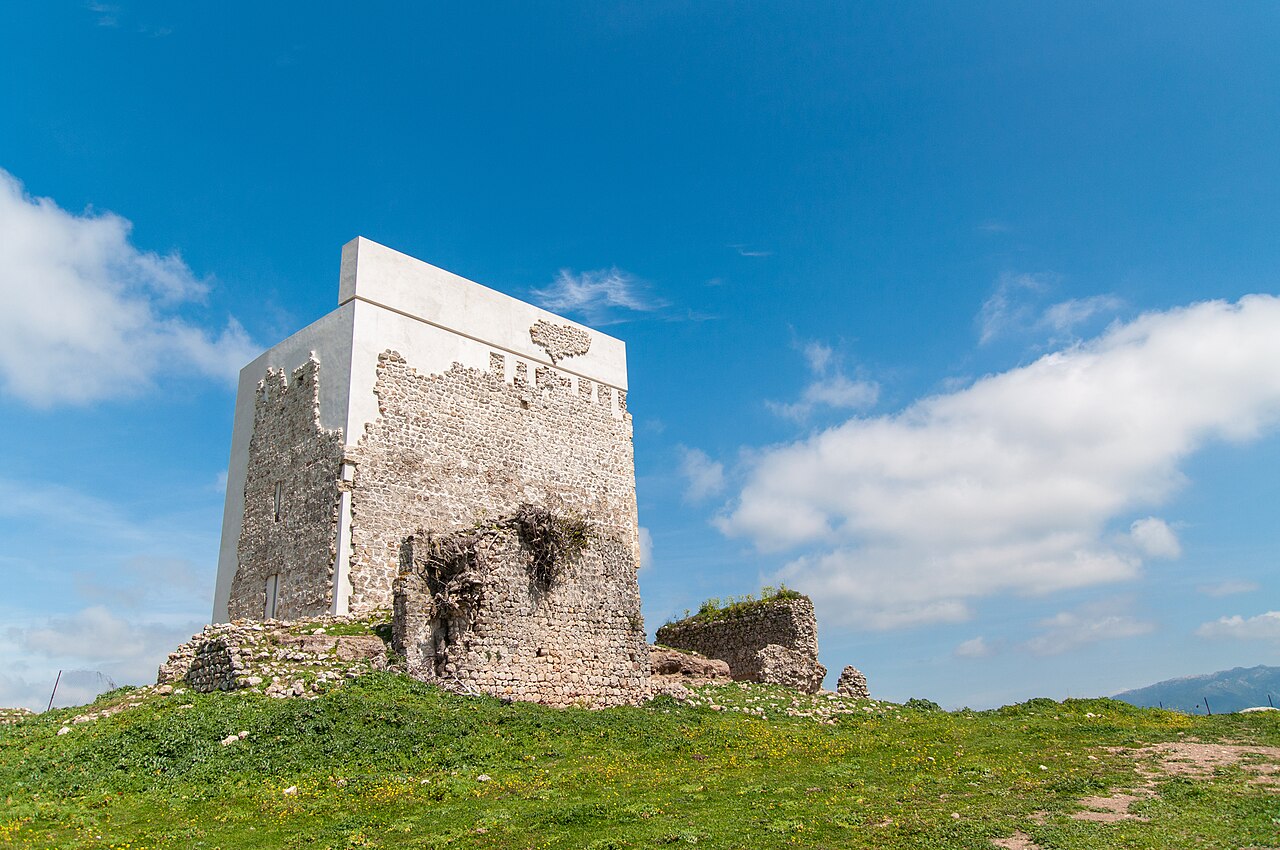
Fatetar Castle is a historic fortress located on the summit of Monte Fatetar, the highest point in the town of Espera, Spain. This strategic position provides commanding views over the village and the surrounding landscape, highlighting its military significance throughout history. Constructed in 914 AD during the reign of Abderrahman III, the castle reflects the Islamic architectural and defensive techniques of the period, although its precise origins remain somewhat obscure.
Historical significance and cultural layers
The site of Fatetar Castle has witnessed a succession of cultures and civilizations, including the Romans, Visigoths, Arabs, Muslims, and Christians. Each group contributed to the castle's evolving structure and function. The castle's construction by Abderrahman III, the first Caliph of Córdoba, marks it as an important Islamic military fortress during the early medieval period. This era was characterized by the consolidation of Muslim rule in the Iberian Peninsula and the establishment of defensive sites to control territories and trade routes.
Architectural features and remains
Today, visitors can still observe the remains of Fatetar Castle's keep and portions of its defensive walls. The keep, typically the strongest and most fortified part of a castle, would have served as the last refuge during sieges. The surviving walls indicate the castle's robust construction, designed to withstand assaults and provide a vantage point for surveillance of the surrounding area.
The chapel and religious significance
Adjoining the castle's western angle is the Chapel of the Holy Christ of Antigua. This chapel forms an architectural unit with the castle and occupies a prominent position on the hill. It served as the primary place of worship for the local inhabitants until the early 17th century, when the Church of Our Lady of Grace was consecrated. The church's dedication to St. James, the patron saint of the Christian Reconquest, suggests that the chapel and castle were integrated into the Christian domain following the Reconquista.
Transition from Muslim to Christian control
The castle likely came under Christian control in the latter half of the 13th century, coinciding with the advances of Spanish forces during the Reconquista. The presence of the chapel and its religious function indicate the castle's adaptation from a Muslim fortress to a Christian stronghold. This transition reflects the broader historical shifts in Andalusia during the medieval period, where many Islamic fortifications were repurposed by Christian rulers.
Strategic and cultural importance
Fatetar Castle's location and enduring remains illustrate its role as a military and cultural landmark in the region. Its position atop Monte Fatetar allowed for effective control over the surrounding territory and communication with other fortifications. The castle and chapel together represent the layered history of Espera, embodying the complex interactions between different cultures and religions over centuries.
Visiting Fatetar Castle today
Visitors to Fatetar Castle can explore the ruins and enjoy panoramic views of Espera and its environs. The site offers a tangible connection to the region's medieval past and the architectural legacy of Islamic and Christian influences. Although only parts of the castle remain, the site provides valuable insight into the military architecture and historical transitions of southern Spain.
Frequently asked questions (FAQ)
- What is the historical significance of Fatetar Castle?
- Fatetar Castle, located in Espera, Spain, dates back to the 14th century and played a crucial role in the defense against invasions during the Reconquista. Its strategic location allowed it to serve as a military stronghold and a symbol of power in the region.
- When was Fatetar Castle built?
- Fatetar Castle was constructed in the late 1300s, during a time of considerable political and military upheaval in Spain. The castle's architecture reflects the Gothic style prevalent in that era, showcasing its historical importance.
- Can I visit Fatetar Castle?
- Yes, visitors are welcome to explore Fatetar Castle. The site offers guided tours that provide insights into its rich history and architectural features, making it a great destination for history enthusiasts.
- What are the opening hours for Fatetar Castle?
- Fatetar Castle is open to the public from 10 AM to 6 PM, Tuesday through Sunday. It is advisable to check for any seasonal changes in hours or special closures before planning your visit.
- Is it possible to access Fatetar Castle with a disability?
- While efforts have been made to improve accessibility at Fatetar Castle, some areas may still pose challenges for visitors with mobility issues due to the castle's historic structure. It is recommended to contact the visitor center in advance to inquire about specific accommodations.
- What is the best time to visit Fatetar Castle?
- The best time to visit Fatetar Castle is during the spring (April to June) or fall (September to October) when the weather is mild and the crowds are smaller. These seasons offer a pleasant experience for exploring the castle and its surroundings.
- Are there any nearby attractions to visit while in Espera?
- Yes, while in Espera, you can explore other historical sites such as the Church of Santa María and various scenic viewpoints. The region is also known for its beautiful landscapes and traditional Andalusian architecture.
- What are the ticket prices for visiting Fatetar Castle?
- Tickets to Fatetar Castle are generally priced at €5 for adults, with discounts available for students and seniors. Children under 12 can enter for free, making it an affordable outing for families.
Information
Loading map...
Visitor reviews
No reviews yet. Been here? Write the first review and help other travelers!
Write the first reviewVisited this castle? Share your experience
Your review helps other travelers and adds first-hand knowledge to our encyclopedia.