Longford Castle
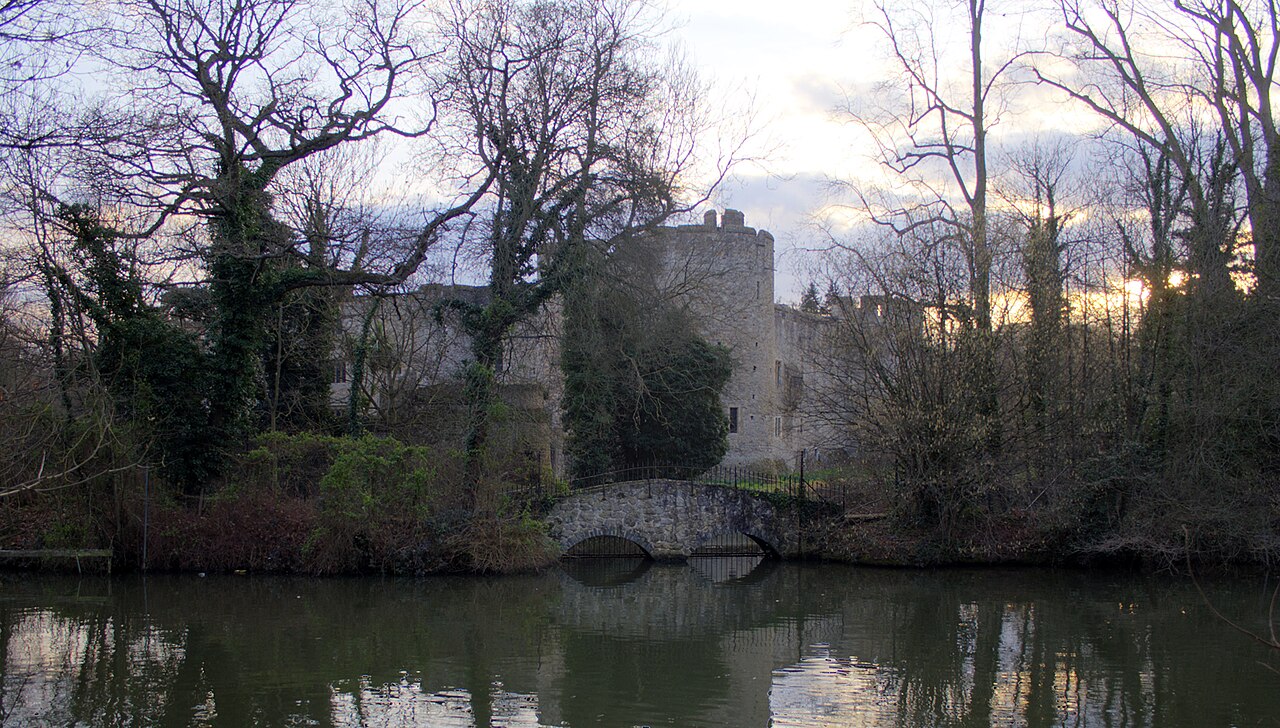
Longford Castle is a magnificent example of an Elizabethan prodigy house situated on the banks of the River Avon, just south of Salisbury in Wiltshire, England. This imposing estate has served as the seat of the Earl of Radnor for centuries and stands as a testament to the grandeur and architectural innovation of the 16th century Renaissance period in England.
The castle's origins date back to the early 16th century when it was constructed as a grand country house designed to impress and showcase the wealth and status of its owners. The structure was built in the distinctive Elizabethan architectural style, characterized by its intricate brickwork, large mullioned windows, and elaborate chimneys. The castle's layout is notable for its triangular plan, which is quite rare among English country houses, lending it a unique silhouette visible from the surrounding landscape.
Architectural design and features
Longford Castle is renowned for its distinctive triangular courtyard enclosed by three wings, each featuring multiple floors with richly decorated interiors. The castle's walls are constructed from red brick with stone dressings, typical of the Elizabethan era, and include ornate window surrounds and pilasters that add to its decorative appeal.
The castle's exterior is punctuated by numerous tall chimneys with intricate brick patterns, a hallmark of Elizabethan design. The large mullioned windows allow ample light into the grand halls and chambers, emphasizing the transition from medieval fortress-like structures to more comfortable and elegant residences.
Interior and collections
Inside, Longford Castle boasts an impressive array of period rooms, including a grand Great Hall adorned with fine wood paneling and ornate plaster ceilings. The interiors reflect the tastes and wealth of the Pleydell-Bouverie family, with collections of fine art, antique furniture, and tapestries that span several centuries.
The castle also houses an important collection of paintings, including works by notable British artists, enhancing its cultural significance. The careful preservation of these interiors offers visitors a glimpse into the lifestyle of English nobility during the Renaissance and subsequent periods.
Historical significance and ownership
Longford Castle has been the ancestral home of the Pleydell-Bouverie family, the Earls of Radnor, since the 18th century. The estate has witnessed various phases of development and restoration, reflecting changing architectural tastes and the family's fortunes.
The castle played no significant military role but functioned primarily as a stately home and symbol of aristocratic power. Its status as a Grade I listed building underscores its importance as a heritage asset and architectural masterpiece.
Gardens and landscape
The castle is set within extensive formal gardens and parkland designed in the English landscape tradition. The grounds feature well-maintained lawns, ornamental lakes, and avenues of mature trees that complement the castle's stately presence.
The gardens have evolved over centuries, incorporating elements from different landscape styles, including formal parterres and more naturalistic woodland areas, providing a rich experience for visitors and garden enthusiasts alike.
Visiting Longford Castle
Longford Castle is open to the public by pre-booked tours on limited days each year, typically around 28 days. These tours allow visitors to explore the castle's interiors, learn about its history, and appreciate its architectural beauty and art collections.
Visitors are encouraged to book in advance due to the limited availability and to respect the privacy of the current owners, including William Pleydell-Bouverie, 9th Earl of Radnor. The castle's location near Salisbury makes it accessible for day trips, combining a visit with other historic sites in the region.
Overall, Longford Castle remains a remarkable example of Renaissance architecture and aristocratic heritage in England, offering a rich tapestry of history, art, and landscape for those fortunate enough to visit.
Frequently asked questions (FAQ)
- How do I book a tour to visit Longford Castle?
- Tours to Longford Castle are available by pre-booking only. Visitors should contact the estate or check the official website for available dates and booking procedures.
- What architectural style is Longford Castle built in?
- Longford Castle is built in the Renaissance style, specifically as an Elizabethan prodigy house featuring characteristic brickwork, mullioned windows, and ornate chimneys.
- When was Longford Castle constructed?
- The castle was constructed in the 16th century during the Renaissance period, reflecting the grandeur of Elizabethan architecture.
- Is Longford Castle open year-round?
- No, Longford Castle is open to the public only on approximately 28 days each year, and visits must be pre-booked in advance.
- What can I expect to see inside Longford Castle?
- Visitors can explore richly decorated period rooms, including the Great Hall, and view collections of fine art, antique furniture, and tapestries dating back several centuries.
- Where is Longford Castle located?
- Longford Castle is located on the banks of the River Avon, south of Salisbury in Wiltshire, England, making it accessible for visitors exploring the region.
Information
Opening hours
Pre-booked tours on limited days (about 28 days per year)
Current owner
William Pleydell-Bouverie, 9th Earl of Radnor
Website
Visit websiteSources & official resources
Verify the information above using these authoritative references.
Loading map...
Visitor reviews
No reviews yet. Been here? Write the first review and help other travelers!
Write the first reviewVisited this castle? Share your experience
Your review helps other travelers and adds first-hand knowledge to our encyclopedia.