Lojsta Castle
Lojsta Castle (Lojsta slott), located in Stånga socken on the border of Lojsta on the island of Gotland, Sweden, is a unique medieval fortified estate ruin rather than a traditional stone castle or palatial manor. Despite its name, it was primarily a defensive stronghold consisting of wooden buildings enclosed by a substantial wall and moat system, strategically positioned on an island within the small Lojsta Lakes.
The fortress played a significant role during the Late Medieval period, notably in the early 15th century. It is historically associated with the Vitalian Brotherhood, a group of pirates and privateers who supported King Albert of Mecklenburg, the captured Swedish monarch. The Vitalians used Gotland as their base of operations, with Lojsta Castle serving as one of their fortified refuges. In 1404, the Teutonic Knights launched a campaign against the Vitalians, successfully defeating them and forcing the surrender of Lojsta Castle along with two other strongholds on Gotland.
Medieval defensive architecture and fortifications
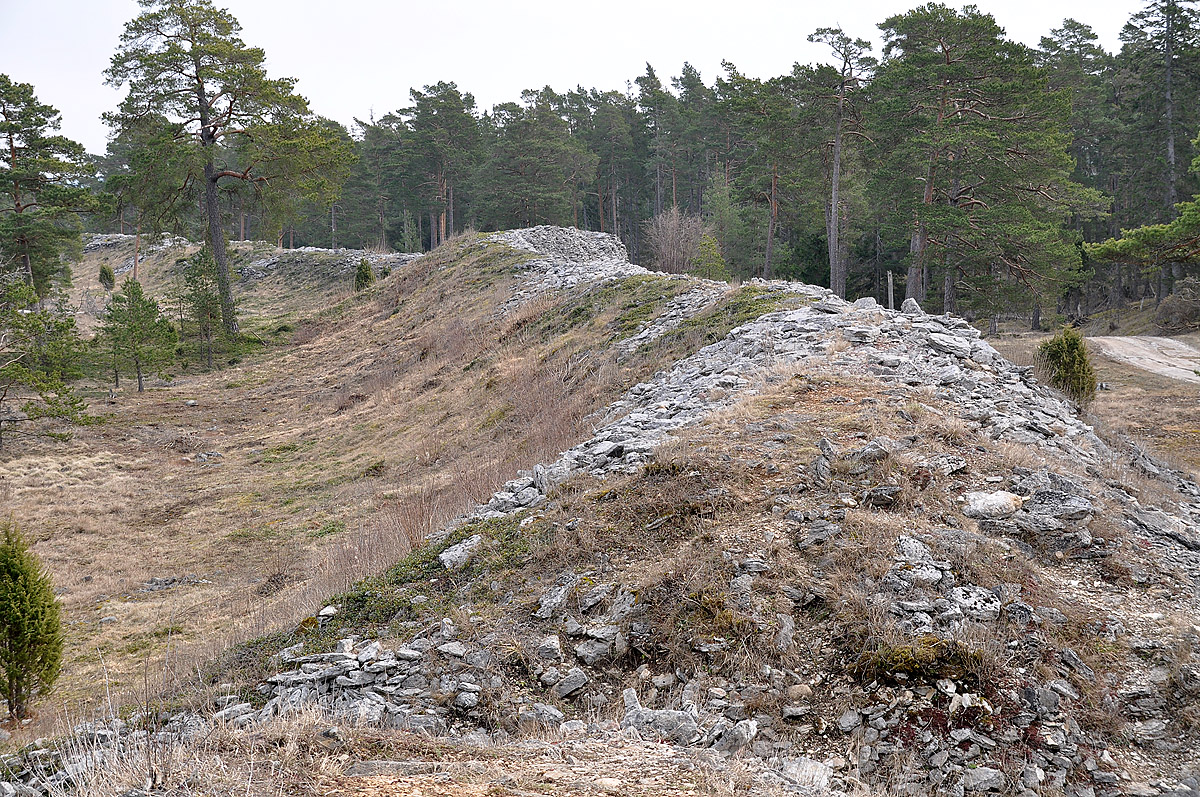
The castle's fortifications were typical of a water castle adapted to the island environment of Gotland's lake system. The site was surrounded by a dug moat approximately 100 meters in length, with a width ranging from 3 to 10 meters and a depth reaching up to 1.7 meters. This moat, combined with an earthen embankment and a wooden palisade, created a formidable barrier separating the inner courtyard from the outer area.
The fortress was accessible via a drawbridge connecting the island to the mainland, remains of which are still visible today. The original lake surface was significantly higher during the Middle Ages, estimated to be about 2.5 meters higher than the current level. Over time, the lake has divided into three smaller bodies of water, now known as Slottsträsk and Broträsk lakes, between which the ruins are situated.
Construction and layout of the estate
Archaeological investigations conducted in the early 20th century revealed foundations of buildings within the fortress, though these findings are subject to debate among modern scholars. The structures were primarily constructed of wood, measuring approximately 20 to 30 meters in length and 10 meters in width. No above-ground remains of these buildings survive, reflecting the impermanence of wooden medieval architecture in the region.
The layout likely included residential and defensive buildings arranged around a central courtyard, enclosed by the moat and palisade. This design provided both security and functionality, allowing defenders to control access and maintain visibility over the surrounding landscape.
Historical context and significance
Lojsta Castle's strategic location and fortifications highlight its role in the turbulent political and military landscape of the Baltic region during the Late Middle Ages. The Vitalian Brotherhood's occupation of the castle connects it to the broader conflicts involving the Swedish crown, the Teutonic Order, and various Baltic powers vying for control of trade routes and territories.
The castle's fall in 1404 marked a significant turning point, as the Teutonic Knights consolidated control over Gotland and suppressed pirate activities. This event reflects the shifting power dynamics in the Baltic Sea region during this period.
Current condition and archaeological importance
Today, Lojsta Castle exists as archaeological ruins with no standing structures remaining above ground. The site offers valuable insights into medieval defensive strategies and the use of natural landscapes in fortification design. The moat, embankment, and traces of the drawbridge remain key features visible to visitors.
Despite limited physical remains, the castle is an important cultural heritage site on Gotland, attracting historians and archaeologists interested in the island's medieval past and the complex interactions between local powers and external forces like the Teutonic Knights and pirate factions.
Visiting the ruins
The ruins of Lojsta Castle can be accessed by land today, as the lake levels have receded since the Middle Ages. Visitors can explore the site, observe the moat and embankment, and appreciate the strategic setting of this medieval water castle. Interpretive signage and local guides provide context for the site's history and archaeological significance.
Frequently asked questions (FAQ)
- What is the historical significance of Lojsta Castle?
- Lojsta Castle, situated on the island of Gotland, dates back to the 14th century and is an important example of medieval architecture in Sweden. It served as a noble residence and reflects the feudal history of the region, showcasing the power dynamics of the time.
- When was Lojsta Castle built?
- Lojsta Castle was constructed in the late 14th century, around the year 1380. It has undergone various renovations over the centuries, preserving its historical integrity while adapting to modern visitor needs.
- What are the opening hours of Lojsta Castle?
- Lojsta Castle is typically open to visitors from May through September, with specific hours varying by month. It’s advisable to check the official website for the most current opening times before planning your visit.
- Can I access Lojsta Castle with public transportation?
- Yes, Lojsta Castle is accessible by public transportation from major towns on Gotland. There are local bus services that can take you close to the castle, but be prepared for a short walk from the nearest stop.
- Is it possible to take guided tours of Lojsta Castle?
- Yes, guided tours are available at Lojsta Castle, providing visitors with in-depth knowledge about its history and architecture. These tours are typically offered during the peak tourist season and can be booked in advance.
- What is the best time to visit Lojsta Castle?
- The best time to visit Lojsta Castle is during the summer months, from June to August, when the weather is warm and the castle is fully operational with tours and events. Visiting during this time allows you to enjoy the surrounding gardens and scenic views.
- What are the ticket prices for Lojsta Castle?
- Ticket prices for Lojsta Castle are generally affordable, with discounts available for children, students, and seniors. It’s recommended to check the official website for the latest pricing and any special promotions.
- Are there nearby attractions to Lojsta Castle?
- Yes, there are several nearby attractions, including the beautiful beaches of Gotland and other historical sites like Visby, a UNESCO World Heritage Site. Exploring the surrounding area enriches your visit and offers a comprehensive experience of Gotland's rich history.
Photo gallery

Information
Loading map...
Visitor reviews
No reviews yet. Been here? Write the first review and help other travelers!
Write the first reviewVisited this castle? Share your experience
Your review helps other travelers and adds first-hand knowledge to our encyclopedia.