Lohagad — India castle

Lohagad

Lohagad fort in Maharashtra, India
Maharashtra, India
High Medieval (11th–13th c.)
Well Preserved

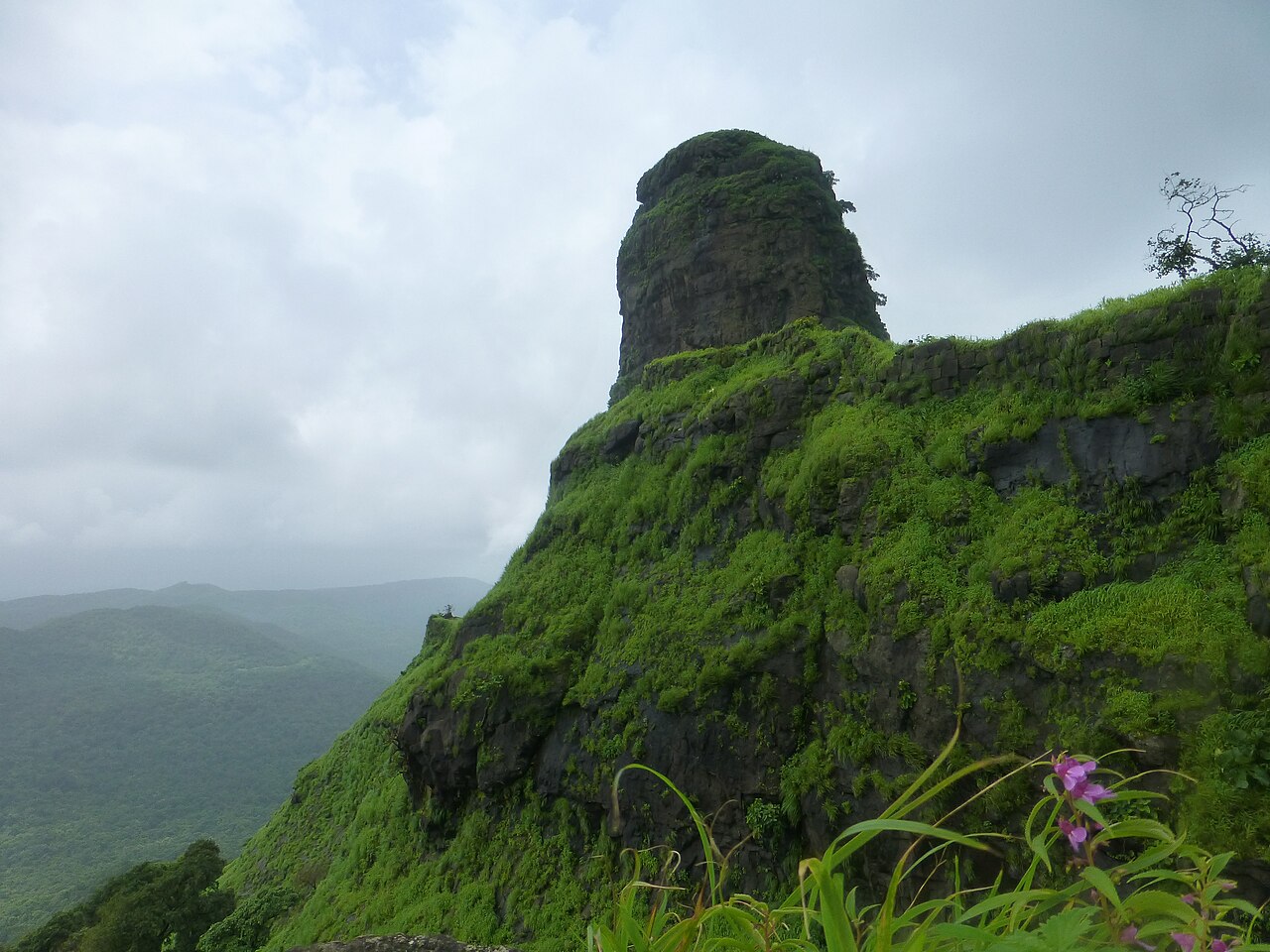
Lohagad Fort is one of the prominent hill forts located in the Maharashtra state of India. It stands at an elevation of 1,033 meters (3,389 feet) above sea level, near the popular hill station of Lonavala, approximately 52 kilometers northwest of Pune. This historic fortress is connected to the neighboring Visapur Fort by a narrow ridge, forming a strategic defensive complex in the Western Ghats mountain range.

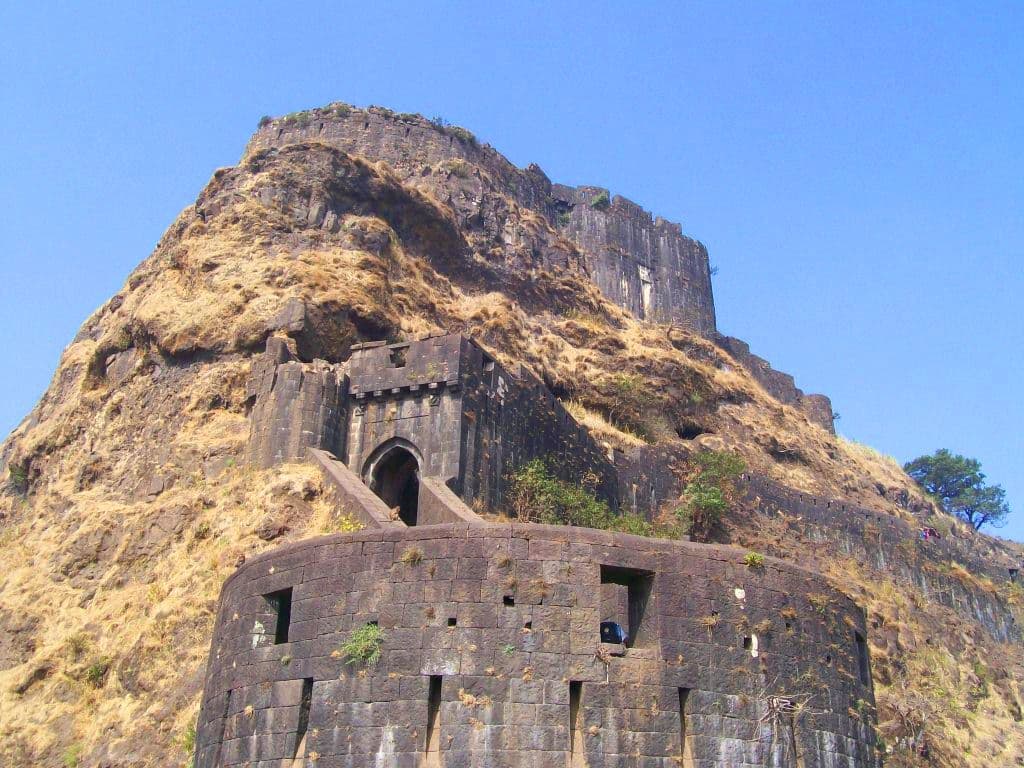
The fort's name, Lohagad, translates to "Iron Fort," which reflects its formidable strength and the robustness of its fortifications. The fort's architecture features massive bastioned walls, gates, and ramparts that were designed to withstand sieges and attacks. Its layout includes a series of defensive bastions that provide vantage points over the surrounding landscape, making it a classic example of a bastioned fortress.

Historical significance and ownership

Lohagad Fort has a rich history tied to the Maratha Empire. It was primarily under the control of the Lohtamia dynasty for much of its history, a regional power that maintained the fort's defenses and used it as a military stronghold. The fort briefly fell under the control of the Mughal Empire for a period of about five years, reflecting the turbulent power struggles in the region during the 17th century.

The fort played a strategic role in the Maratha military campaigns and was used as a base for controlling the trade routes through the Western Ghats. Its location allowed for effective surveillance and defense against invading forces, contributing to its importance in regional conflicts.

Architectural features and layout

The fort's architecture is characterized by its massive stone walls and bastions that encircle the summit of the hill. The walls are punctuated by multiple gates, including the famous (Great Gate), which serves as the main entrance. The gates are fortified with heavy wooden doors and iron spikes, typical of Maratha fort design to repel enemy attacks.

Inside the fort, there are remnants of water cisterns and storage rooms that supported the garrison during sieges. The fort also contains ruins of residential quarters, temples, and watchtowers that provided panoramic views of the surrounding valleys and hills, essential for early warning of approaching enemies.

Connection to visapur fort

Lohagad Fort is connected to Visapur Fort by a narrow spur, which historically allowed movement of troops and supplies between the two forts. This connection enhanced the defensive capabilities of both forts, creating a fortified network that was difficult for enemies to penetrate.

Modern relevance and tourism

Today, Lohagad Fort is a popular destination for trekkers and history enthusiasts. The trek to the fort is considered moderate in difficulty and offers scenic views of the surrounding Western Ghats. The fort is accessible year-round, with the monsoon season providing lush greenery and a unique atmosphere.

The fort's historical significance and well-preserved bastions attract visitors interested in Maratha history and military architecture. It is also a site of cultural importance in Maharashtra, hosting occasional events and festivals that celebrate the region's heritage.

In recent years, Lohagad Fort gained national attention due to an unfortunate incident in 2026 involving the murder of businessman Ketan Agarwal, which brought media focus to the site.

Preservation and condition

The fort is currently in a well-preserved state, with many of its bastions and walls intact. Conservation efforts by local authorities and heritage organizations have helped maintain the structural integrity of the fort, ensuring it remains a significant historical monument. Visitors can explore the fort's ramparts, gates, and ruins while appreciating the engineering skills of its builders.

Frequently asked questions (FAQ)

How do I get to Lohagad Castle?
Lohagad Castle is accessible via a short trek from the base village of Lohagadwadi, which is about 52 kilometers from Pune. You can reach the base village by car, taxi, or public transport. The trek to the castle is approximately 1-2 hours, depending on your pace.
What is the historical significance of Lohagad Castle?
Lohagad Castle dates back to the 18th century and played a crucial role in the Maratha Empire. It was used as a strategic fort to control the surrounding region and was later captured by the British in the 19th century. Its rich history makes it a popular destination for history enthusiasts.
When was Lohagad Castle built?
Lohagad Castle was built around the year 1000 AD, though it saw significant modifications and expansions during the 17th century under the rule of Chhatrapati Shivaji Maharaj. Its construction showcases the military architecture of the period, designed to withstand sieges and provide a commanding view of the surrounding landscape.
Can I visit Lohagad Castle year-round?
Yes, Lohagad Castle is open to visitors throughout the year. However, the best time to visit is during the winter months from November to February when the weather is cooler and more pleasant for trekking. Monsoon season can make the trek slippery and challenging.
Why is Lohagad Castle popular among tourists?
Lohagad Castle is popular due to its stunning panoramic views, rich history, and well-preserved architecture. The trek up to the castle is suitable for all ages and offers a unique blend of nature and historical exploration. The scenic surroundings also attract nature lovers and adventure seekers.
Is it possible to visit Lohagad Castle with children?
Yes, visiting Lohagad Castle is suitable for families with children. The trek is relatively easy and can be completed by children who are reasonably fit. However, parents should ensure that younger children are supervised, especially on steeper sections of the trail.
What are the opening hours for Lohagad Castle?
Lohagad Castle is open to visitors from dawn until dusk, typically from 6 AM to 6 PM. It is advisable to start your visit early in the day to fully enjoy the trek and explore the castle without being rushed. Always check local guidelines for any changes in opening hours.
What are the ticket prices for Lohagad Castle?
There is no entry fee to visit Lohagad Castle, making it an affordable destination for all. However, you may need to pay a small fee for parking if you drive to the base village. Additional costs may include food and guide services if you choose to hire them.
Are there any nearby attractions to Lohagad Castle?
Yes, there are several nearby attractions, including Visapur Fort, Bhira Dam, and the beautiful Pawna Lake. These sites offer opportunities for adventure activities like trekking, camping, and water sports. Exploring these attractions can enhance your visit to Lohagad Castle.

Photo gallery

Lohagad
Click to view

Photo by Smukherjee6•CC BY-SA 4.0

1 photo • Click any image to view in full screen

Information

Bastioned Fortress

Loading map...

Visitor reviews

No reviews yet. Been here? Write the first review and help other travelers!

Write the first review

Visited this castle? Share your experience

Your review helps other travelers and adds first-hand knowledge to our encyclopedia.
Write a review

(5/5)

0/2000 characters

Your review will be visible after admin approval

Nearby castles

15.9 km
Rajmachi Fort — India castle

Rajmachi Fort

, India

Rajmachi Fort, located in the Sahyadri mountain range of the Western Ghats in India, is a notable example of a bastioned fortress complex. The fort comprises two twin fortresses named Shriwardhan and Manaranjan, which are situated on prominent hilltops connected by a wide machi or plateau. This plateau serves as a strategic and natural defense area, providing a broad vantage point over the surrounding landscape. Geographical setting and strategic importance Rajmachi Fort is nestled in the rugged terrain of the Sahyadri hills, part of the Western Ghats, a mountain range known for its dense forests and steep escarpments. The fort's location offered a commanding view of the surrounding valleys and trade routes, making it a significant military outpost during its time of use. The twin fortresses, Shriwardhan and Manaranjan, are positioned to control different directions, enhancing the fort's defensive capabilities. The twin fortresses: Shriwardhan and Manaranjan Shriwardhan Fort is the larger of the two and is situated on a higher elevation. It features extensive bastions that were designed to withstand artillery attacks and provide platforms for cannons and other defensive weaponry. The fort's walls are robust, constructed from locally sourced stone, and include several gates and watchtowers that allowed defenders to monitor approaching enemies. Manaranjan Fort, slightly smaller but equally formidable, lies to the south of Shriwardhan. It also has strong bastions and defensive walls. The two forts together formed a stronghold that could be defended effectively against invading forces. The machi plateau and Udhewadi village The machi is a broad, flat plateau that lies between the two forts. This area was used for various purposes including as a base camp, storage area, and agricultural land to support the fort's inhabitants during sieges. At the southern foot of Manaranjan lies Udhewadi, a small village with about 60 households as per the 2011 census. The village is part of the fort complex and provides insight into the local community that historically supported the fort. Architectural features and defensive design The fortifications of Rajmachi are characteristic of bastioned fortresses built in the region during the medieval period. The walls are thick and high, designed to resist cannon fire and scaling attempts. The bastions are rounded and project outward from the walls, allowing defenders to cover all approaches with crossfire. The gates are fortified with heavy doors and often preceded by narrow passages or barbicans to slow attackers. Within the fort, there are remnants of residential quarters, granaries, and water cisterns, indicating a self-sustaining fortification capable of withstanding prolonged sieges. The use of natural rock formations was integrated into the design to enhance defense and reduce construction efforts. Historical context and significance Rajmachi Fort has a history that ties it to various regional powers in the Deccan, including the Maratha Empire. Its strategic location made it a valuable military asset during conflicts in the area. The fort's twin structure allowed for effective control over the surrounding territory and served as a refuge during times of war. Though the exact date of construction is uncertain, the fort likely dates back to the medieval period, with significant modifications made during the Maratha era. It reflects the military architecture of the time, adapted to the hilly terrain and evolving warfare technology. Current condition and tourism Today, Rajmachi Fort is partially preserved, with many sections in ruins but still accessible to visitors. It is a popular trekking destination due to its scenic location and historical importance. The village of Udhewadi continues to be inhabited, offering cultural insights and hospitality to tourists. Visitors can explore the fort's bastions, gates, and the plateau, experiencing firsthand the scale and design of this bastioned fortress. The surrounding Sahyadri hills provide a rich natural backdrop, enhancing the appeal for history enthusiasts and nature lovers alike. Visiting tips The best time to visit Rajmachi Fort is during the cooler months from October to March, when the weather is pleasant for trekking. Visitors should be prepared for uneven terrain and limited facilities. Guided tours are available that provide detailed historical context and highlight the architectural features of the fort.

Details
42.3 km
Karnala Fort — India castle

Karnala Fort

Panvel, India

Karnala Fort, also known locally as Funnel Hill, is a prominent hill fortress situated in the Raigad district of Maharashtra, India. Perched on a hill within the boundaries of the Karnala Bird Sanctuary, this 14th-century bastioned fortress commands a strategic vantage point overlooking the Bor pass. This pass historically served as a critical trade route connecting the Konkan coast to the Deccan Plateau, making Karnala Fort a significant military and commercial asset during the Late Medieval period.Historical significance and strategic locationConstructed in the 14th century, Karnala Fort was built to control and monitor the movement along the Bor pass, a vital corridor for trade and military campaigns. Its location allowed the fort's occupants to oversee and protect the main route linking the coastal regions to the interior parts of Maharashtra. Over the centuries, the fort changed hands multiple times, reflecting the turbulent history of the region, including control by various local rulers and empires.The fort's position within the Karnala Bird Sanctuary today adds a unique ecological dimension, with the surrounding forested hills providing habitat for diverse flora and fauna, including numerous bird species. This blend of natural beauty and historical architecture makes Karnala Fort a notable destination for both history enthusiasts and nature lovers.Architectural features and fortificationsKarnala Fort is classified as a bastioned fortress, characterized by its robust defensive structures designed to withstand sieges and assaults. The fort's walls are reinforced with bastions—projecting parts of the fortification that allowed defenders to cover adjacent walls with crossfire. These bastions are strategically placed to maximize defensive coverage around the perimeter.The fort includes several key architectural elements typical of hill forts from the Late Medieval period in India. These include massive stone walls, narrow gateways designed for defense, and internal water tanks that ensured a reliable water supply during sieges. The construction materials primarily consist of locally sourced stone, carefully shaped and fitted to create durable fortifications.Gates and entrancesThe main entrance of Karnala Fort is fortified with a strong gatehouse, which historically would have included defensive mechanisms such as heavy wooden doors and possibly iron spikes to deter attackers. The approach to the fort is steep and winding, adding to its defensive advantage by making direct assaults difficult.Internal structuresInside the fort, remnants of ancient buildings, including residential quarters, storage rooms, and watchtowers, can still be observed. These structures were designed to support the garrison stationed at the fort and to sustain prolonged defense efforts. The presence of water tanks within the fort's walls highlights the foresight in ensuring sustainability during blockades.Cultural and ecological contextToday, Karnala Fort is enveloped by the Karnala Bird Sanctuary, a protected area known for its rich biodiversity. The sanctuary's forested hills provide a serene backdrop to the rugged stone fortifications, creating a unique blend of natural and historical heritage. Visitors often combine birdwatching with exploring the fort's trails and ruins.The fort and sanctuary together attract tourists, trekkers, and wildlife enthusiasts, contributing to the region's cultural tourism. The conservation efforts for both the fort and the sanctuary emphasize preserving the ecological balance while maintaining the historical significance of Karnala Fort.Visiting karnala fortKarnala Fort is accessible via a hike through the sanctuary, with trails that vary in difficulty but generally require moderate fitness. The climb offers scenic views of the surrounding landscape and the opportunity to experience the flora and fauna of the sanctuary. Visitors should prepare for a trek that can take a few hours depending on the chosen route.As a protected site, the fort is managed to balance tourism with conservation. Visitors are encouraged to respect the natural environment and the historical structures. The best time to visit is during the cooler months, avoiding the intense monsoon season when trails can become slippery and challenging.

Late Medieval (14th–15th c.)
Details
45.2 km
Shaniwar Wada — India castle

Shaniwar Wada

Pune, India

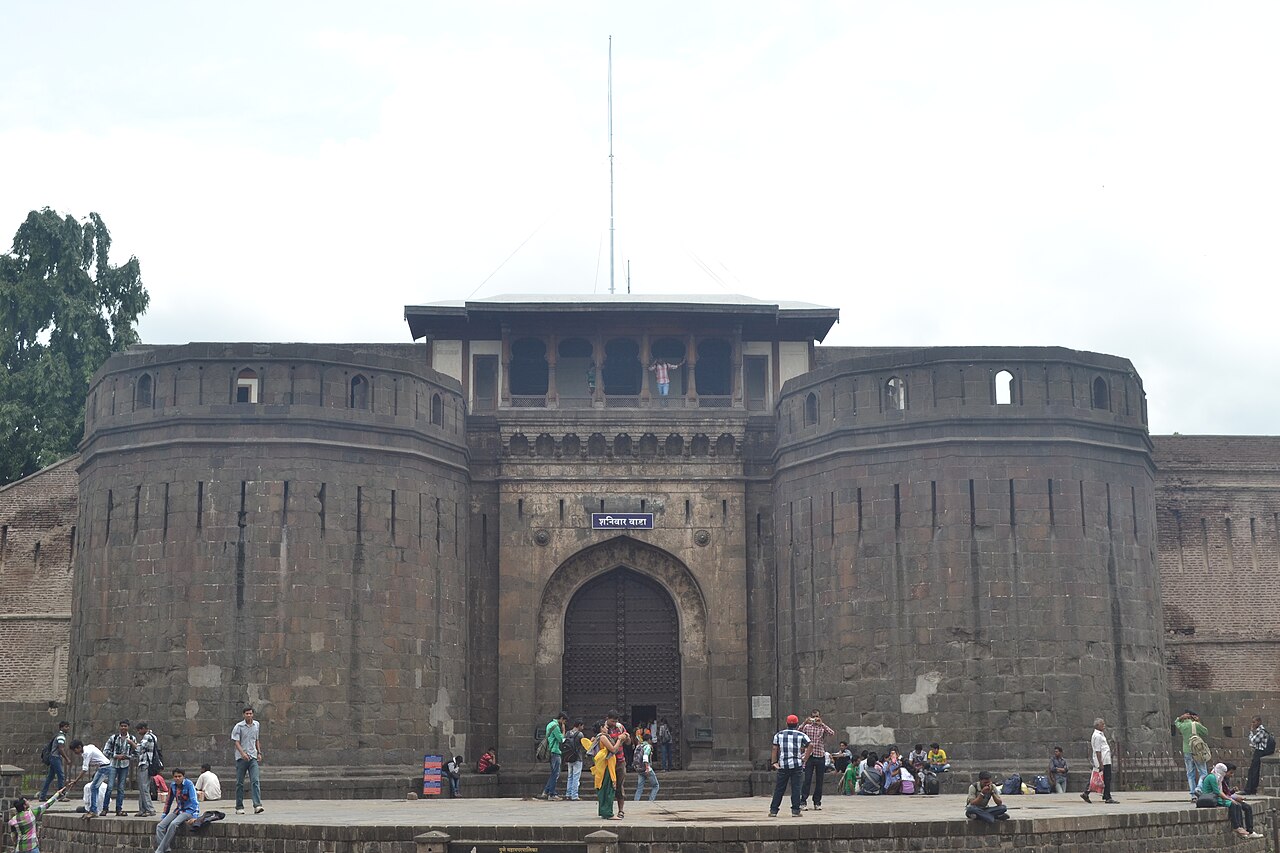
Shaniwar Wada is a prominent historical fortification located in the city of Pune, India. Constructed in 1732, it served as the grand seat of the Peshwas of the Maratha Confederacy until the early 19th century. This fort is a significant cultural landmark representing the power and architectural style of the Maratha Empire during the post-Renaissance period. Historical significance and origins The fort was commissioned by Baji Rao I, the first Peshwa of the Maratha Empire, as a symbol of Maratha dominance and governance. It was designed to be the administrative center and residence of the Peshwas, who were the prime ministers and de facto leaders of the Maratha Confederacy. Shaniwar Wada quickly became the political hub of the region, witnessing many key events in Maratha history. Its strategic location in Pune allowed the Peshwas to control the surrounding territories effectively. The fort's establishment marked Pune's transformation into a major political and military center in western India during the 18th century. Architectural features and layout Shaniwar Wada was originally an imposing structure characterized by massive teak wood gates, high stone walls, and a complex of palaces, halls, and courtyards. The fort's design reflected a blend of Mughal and Maratha architectural elements, featuring ornate wooden carvings and intricate latticework. The fort was surrounded by a deep moat and fortified with bastions and watchtowers, enhancing its defensive capabilities. The main entrance, known as the Delhi Darwaza, was famous for its grandeur and was guarded by strong gates made of teak and iron. Inside the fort, there were several important structures including the Diwan-e-Aam (hall of public audience), the Diwan-e-Khas (hall of private audience), and the Peshwas' residential quarters. The fort also contained gardens and water reservoirs, which were essential for sustaining the inhabitants during sieges. The great fire of 1828 and aftermath In 1828, a devastating fire broke out within Shaniwar Wada, destroying much of the fort's wooden structures and palaces. The cause of the fire remains unclear, but it resulted in the loss of many original buildings, leaving the fort mostly in ruins. Following the fire, the British colonial administration took control of the region and did not restore the fort to its former glory. Despite this, the surviving stone walls, gates, and foundations remain significant historical artifacts. Cultural legacy and tourism today Today, Shaniwar Wada stands as a major tourist attraction and heritage site in Pune. The ruins are maintained by local authorities and attract visitors interested in Maratha history and architecture. The site hosts cultural events and light-and-sound shows that narrate the fort's history and the legacy of the Peshwas. Visitors can explore the remaining gates, bastions, and the layout of the fort, gaining insight into the military and administrative prowess of the Maratha Empire. The fort's location in Pune also makes it accessible for tourists who wish to explore other historical sites in the region. Architectural influence and preservation efforts The fort's design influenced later Maratha architecture and served as a model for other forts in the region. Preservation efforts focus on stabilizing the ruins and protecting the remaining wooden and stone elements from further decay. Archaeological studies continue to reveal more about the fort's original structure and the lifestyle of its inhabitants, enriching the understanding of 18th-century Maratha culture and governance.

Post-Renaissance (17th–18th c.)
Details