Karnala Fort
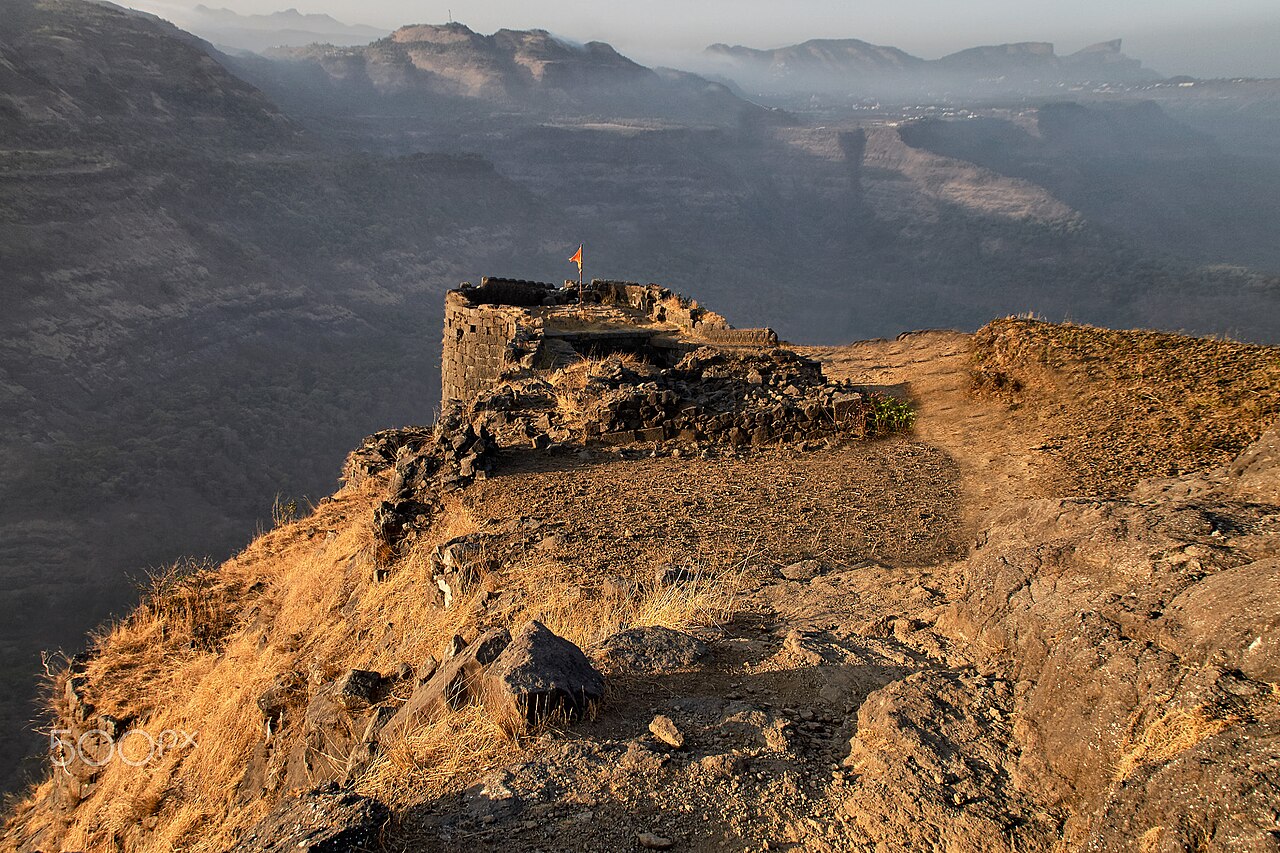
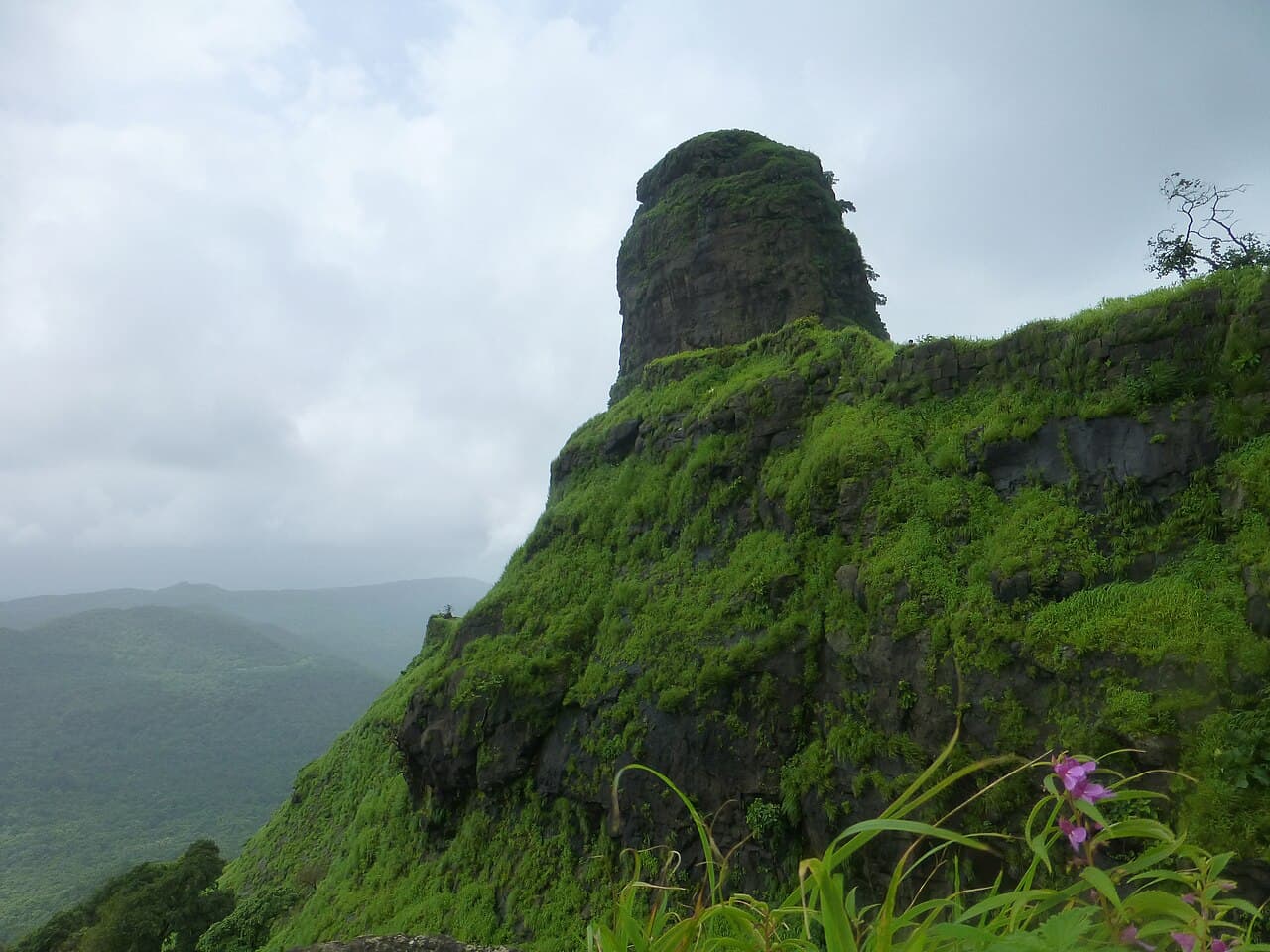
Karnala Fort, also known locally as Funnel Hill, is a prominent hill fortress situated in the Raigad district of Maharashtra, India. Perched on a hill within the boundaries of the Karnala Bird Sanctuary, this 14th-century bastioned fortress commands a strategic vantage point overlooking the Bor pass. This pass historically served as a critical trade route connecting the Konkan coast to the Deccan Plateau, making Karnala Fort a significant military and commercial asset during the Late Medieval period.
Historical significance and strategic location
Constructed in the 14th century, Karnala Fort was built to control and monitor the movement along the Bor pass, a vital corridor for trade and military campaigns. Its location allowed the fort's occupants to oversee and protect the main route linking the coastal regions to the interior parts of Maharashtra. Over the centuries, the fort changed hands multiple times, reflecting the turbulent history of the region, including control by various local rulers and empires.
The fort's position within the Karnala Bird Sanctuary today adds a unique ecological dimension, with the surrounding forested hills providing habitat for diverse flora and fauna, including numerous bird species. This blend of natural beauty and historical architecture makes Karnala Fort a notable destination for both history enthusiasts and nature lovers.
Architectural features and fortifications
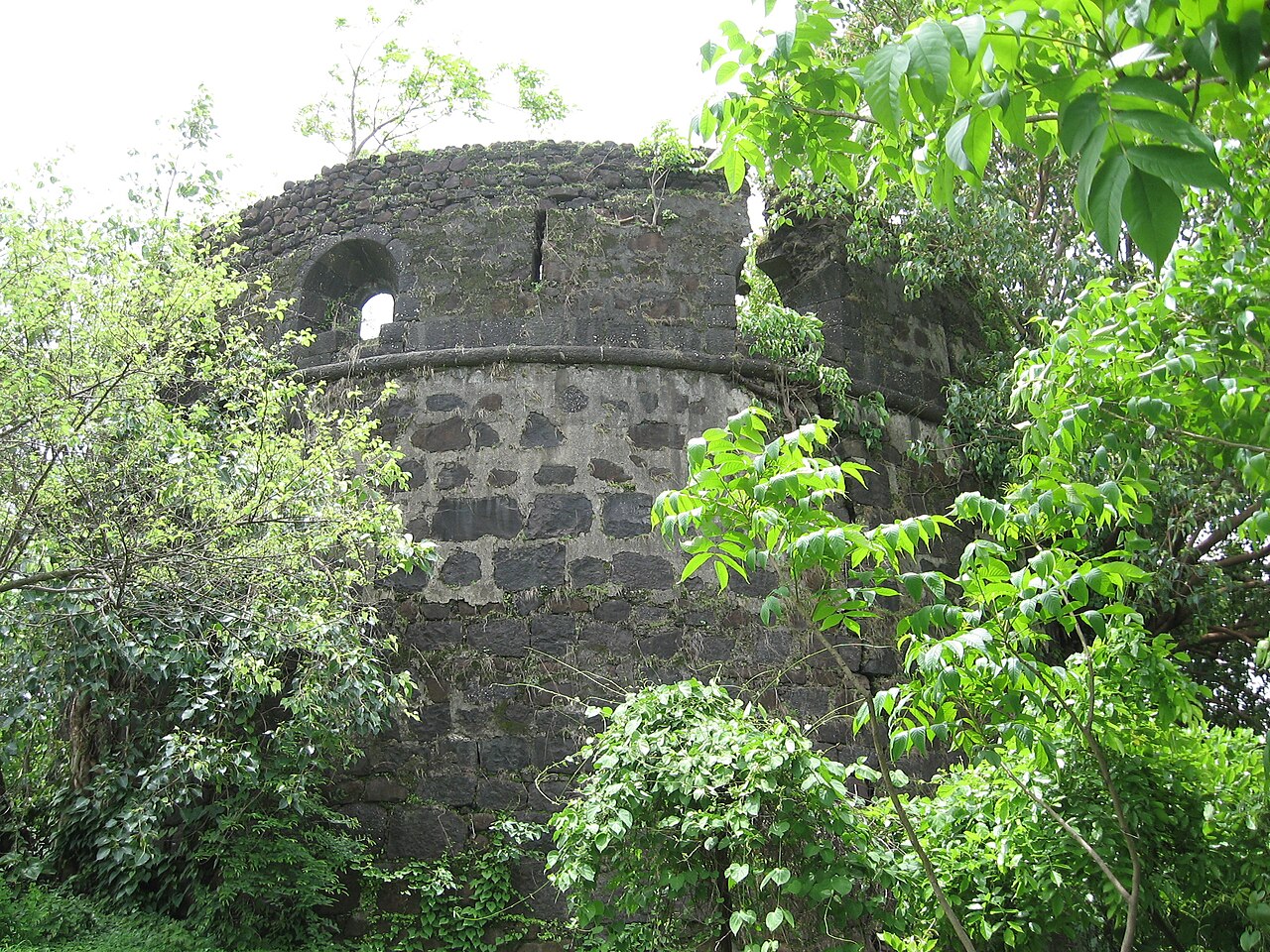
Karnala Fort is classified as a bastioned fortress, characterized by its robust defensive structures designed to withstand sieges and assaults. The fort's walls are reinforced with bastions—projecting parts of the fortification that allowed defenders to cover adjacent walls with crossfire. These bastions are strategically placed to maximize defensive coverage around the perimeter.
The fort includes several key architectural elements typical of hill forts from the Late Medieval period in India. These include massive stone walls, narrow gateways designed for defense, and internal water tanks that ensured a reliable water supply during sieges. The construction materials primarily consist of locally sourced stone, carefully shaped and fitted to create durable fortifications.
Gates and entrances
The main entrance of Karnala Fort is fortified with a strong gatehouse, which historically would have included defensive mechanisms such as heavy wooden doors and possibly iron spikes to deter attackers. The approach to the fort is steep and winding, adding to its defensive advantage by making direct assaults difficult.
Internal structures
Inside the fort, remnants of ancient buildings, including residential quarters, storage rooms, and watchtowers, can still be observed. These structures were designed to support the garrison stationed at the fort and to sustain prolonged defense efforts. The presence of water tanks within the fort's walls highlights the foresight in ensuring sustainability during blockades.
Cultural and ecological context
Today, Karnala Fort is enveloped by the Karnala Bird Sanctuary, a protected area known for its rich biodiversity. The sanctuary's forested hills provide a serene backdrop to the rugged stone fortifications, creating a unique blend of natural and historical heritage. Visitors often combine birdwatching with exploring the fort's trails and ruins.
The fort and sanctuary together attract tourists, trekkers, and wildlife enthusiasts, contributing to the region's cultural tourism. The conservation efforts for both the fort and the sanctuary emphasize preserving the ecological balance while maintaining the historical significance of Karnala Fort.
Visiting karnala fort
Karnala Fort is accessible via a hike through the sanctuary, with trails that vary in difficulty but generally require moderate fitness. The climb offers scenic views of the surrounding landscape and the opportunity to experience the flora and fauna of the sanctuary. Visitors should prepare for a trek that can take a few hours depending on the chosen route.
As a protected site, the fort is managed to balance tourism with conservation. Visitors are encouraged to respect the natural environment and the historical structures. The best time to visit is during the cooler months, avoiding the intense monsoon season when trails can become slippery and challenging.
Frequently asked questions (FAQ)
- How do I reach Karnala Fort?
- Karnala Fort is located near Panvel, India, and is easily accessible by road. The nearest railway station is Panvel, which is approximately 10 kilometers away. From there, you can take a taxi or an auto-rickshaw to reach the fort.
- What is the historical significance of Karnala Fort?
- Karnala Fort, also known as Funnel Hill, dates back to the 14th century and played a crucial role during various historical conflicts. It served as a strategic military outpost for the Siddis of Janjira and later the Marathas. The fort also has connections to the Mughal Empire, adding to its rich historical tapestry.
- When was Karnala Fort built?
- Karnala Fort was constructed in the early 14th century, under the rule of the Deccan Sultanate. It was later captured and expanded by the Marathas in the 17th century. Its architectural design reflects the military needs of its time, with strong fortifications and strategic positioning.
- Can I visit Karnala Fort any time of the year?
- Yes, Karnala Fort is open to visitors throughout the year. However, the best time to visit is between November and February when the weather is cooler and more pleasant for trekking. Monsoon season, from June to September, may make the trek challenging due to slippery paths.
- Why is Karnala Fort a popular trekking destination?
- Karnala Fort offers a unique combination of historical significance and natural beauty, making it a popular trekking spot. The trek to the fort is moderately challenging and rewards visitors with stunning views of the surrounding landscape. Additionally, the fort is located within the Karnala Bird Sanctuary, attracting nature lovers and bird watchers.
- Is it possible to explore the fort on my own?
- Yes, you can explore Karnala Fort independently, but it’s advisable to go during daylight hours for safety. The paths are well-marked, and many trekkers enjoy the solitude of exploring at their own pace. However, guided tours are also available for those who prefer a more informative experience.
- What are the opening hours for Karnala Fort?
- Karnala Fort is open to visitors from sunrise to sunset. This allows ample time for trekking and exploring the fort's historic structures and scenic views. It’s best to plan your visit early in the day to fully enjoy the surroundings.
- Are there any ticket prices for visiting Karnala Fort?
- Yes, there is a nominal entry fee to visit Karnala Fort, which helps in the maintenance of the site. The ticket prices are typically very affordable, making it accessible for all visitors. Check local sources for the most current pricing before your visit.
- What are some nearby attractions to visit along with Karnala Fort?
- In addition to Karnala Fort, visitors can explore the Karnala Bird Sanctuary, which is home to diverse flora and fauna. The nearby town of Panvel offers historical temples and local markets, providing a glimpse into the region's culture. Other attractions include the Bhira Dam and the scenic views from the surrounding hills.
Photo gallery

Information
Loading map...
Visitor reviews
No reviews yet. Been here? Write the first review and help other travelers!
Write the first reviewVisited this castle? Share your experience
Your review helps other travelers and adds first-hand knowledge to our encyclopedia.