Lindoso Castle
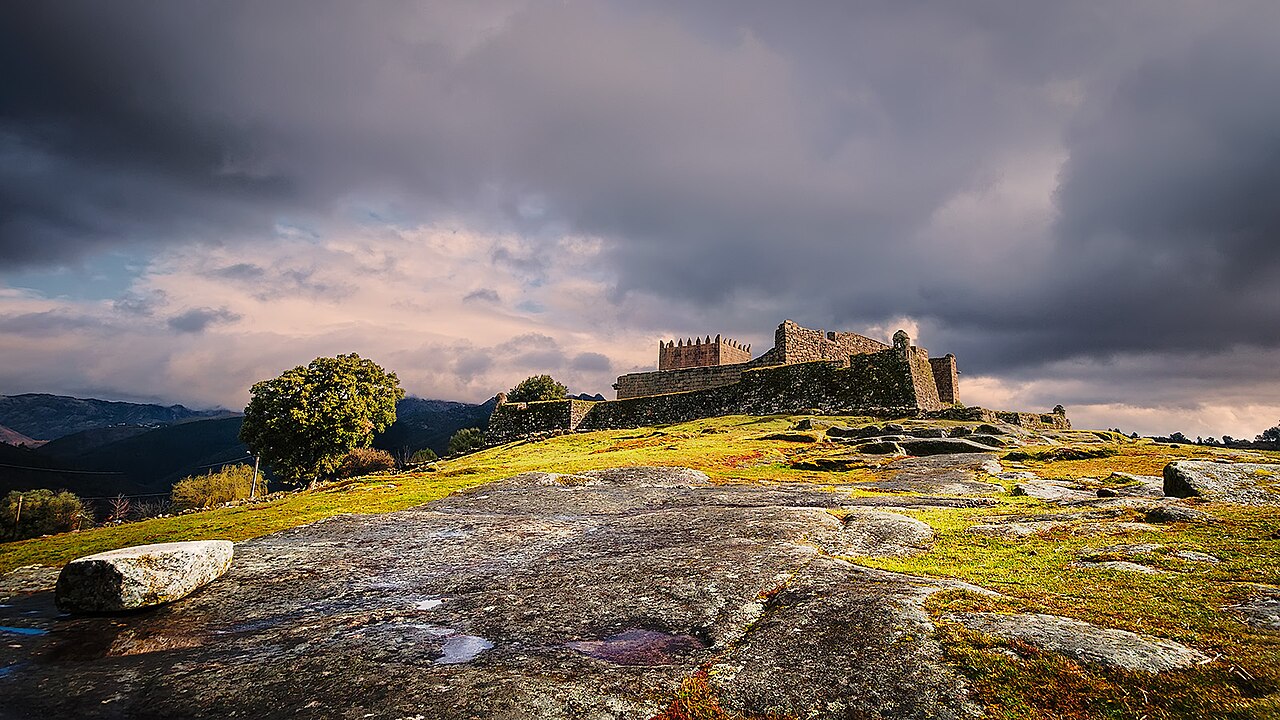
Lindoso Castle is a significant medieval fortress located in the civil parish of Lindoso, within the municipality of Ponte da Barca, Portugal. Constructed primarily during the 13th century under the reign of Afonso III of Portugal, the castle was part of a broader effort to fortify the northern borders of the kingdom. Its strategic position near the border with Galicia made it an essential military asset throughout its history.
Historical context and strategic importance
The castle's origins are closely tied to the High Medieval period, a time when Portugal was consolidating its territory and strengthening its defenses against neighboring kingdoms. Although detailed records of the early construction phases are limited, it is widely accepted that Lindoso Castle was initiated as part of the border defense system implemented by Afonso III in the 13th century. This period was marked by frequent conflicts with the Kingdom of León and later Spain, necessitating robust fortifications along the frontier.
During the Portuguese Restoration War in the 17th century, Lindoso Castle regained military significance due to its border location. In September 1641, it served as a support base for Portuguese forces conducting incursions into Galicia, reflecting its ongoing strategic role in regional conflicts. The castle briefly fell into Spanish hands during this turbulent period but was soon retaken by Portuguese troops.
Architectural features and defensive enhancements
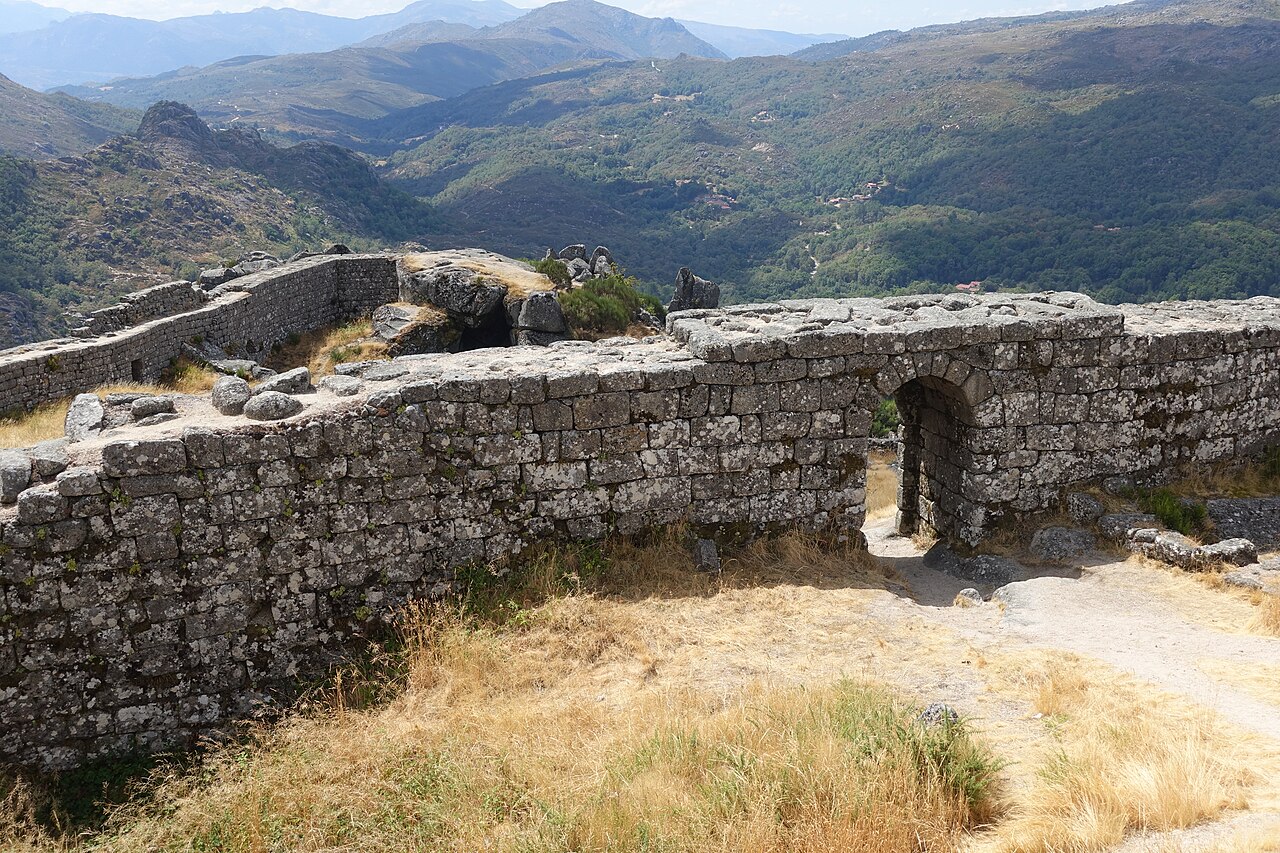
The castle is constructed predominantly from stone masonry, a common material for fortifications of its era, providing durability and resistance to siege weaponry. The walls are topped with a battlement, offering defenders protected positions to repel attackers. The fortress includes a keep, which remains standing and is divided into two floors, serving as the last line of defense and as living quarters for the garrison.
Access to the castle is secured by doors on the north and south ends of the tower, both originally protected by drawbridges, which could be raised to prevent enemy entry. These features exemplify typical medieval defensive architecture designed to control access and enhance security.
Following the Restoration War, the castle underwent significant modernization and restoration, completed around 1666, as indicated by an inscription on a door lintel. These works included the construction of a ravelin—a triangular fortification placed in front of the main entrance to strengthen defense against artillery attacks. The ravelin’s completion around 1720 marked the final major enhancement to the castle’s fortifications.
Later history and preservation
Although Lindoso Castle was maintained as a defensive site during the Napoleonic Wars, it did not see active combat during this period. Afterward, the castle gradually fell into disuse and suffered from neglect. Exposure to the elements and lack of maintenance led to deterioration over the centuries.
Recognizing its historical and cultural value, the Portuguese government declared Lindoso Castle a National Monument on June 23, 1910. This designation has helped preserve the site and promote its significance as part of Portugal’s medieval heritage.
Architectural layout and surrounding features
The castle’s layout reflects typical medieval military architecture, with a compact design focused on defense and surveillance. Its location on elevated terrain enhances visibility over the surrounding landscape, providing early warning against approaching forces. The presence of a moat or other water defenses is not documented, suggesting reliance on natural topography and stone walls for protection.
The battlements surrounding the walls feature crenellations for archers and lookouts, while the interior spaces include chambers and halls that would have supported the garrison’s daily life and military operations. The two-story keep remains a prominent feature, indicative of the castle’s role as both a fortress and a residence for commanders.
Visiting Lindoso Castle today
Today, Lindoso Castle stands as a well-preserved example of High Medieval military architecture in northern Portugal. Visitors can explore the castle’s walls, towers, and keep, gaining insight into the defensive strategies employed during the medieval and early modern periods. The site offers panoramic views of the surrounding region, including the borderlands between Portugal and Spain.
While the castle no longer serves a military function, its historical significance and architectural features make it a valuable destination for those interested in medieval history, fortifications, and Portuguese heritage.
Information
Loading map...
Visitor reviews
No reviews yet. Been here? Write the first review and help other travelers!
Write the first reviewVisited this castle? Share your experience
Your review helps other travelers and adds first-hand knowledge to our encyclopedia.