Lilleborg Castle Ruins
Lilleborg castle ruins are located in the dense Almindingen forest near Aakirkeby on the Danish island of Bornholm. This site represents a significant high medieval fortress, built around 1149 as a royal stronghold during a turbulent period of Danish history. The castle was constructed to replace the larger nearby fortress of Gamleborg, situated only 700 metres away, reflecting a strategic shift in power and defense on the island.
The historical context of Lilleborg's construction is closely tied to the political struggles of the mid-12th century. In 1149, approximately three-fourths of Bornholm had been surrendered to Eskil, archbishop of Lund. This territorial division prompted King Sweyn III to establish Lilleborg as his seat of power on the remaining quarter of the island. Unlike the coastal fortress of Hammershus, which belonged to the archbishop, Lilleborg was built inland, offering a different defensive advantage.
Architectural features and defensive design
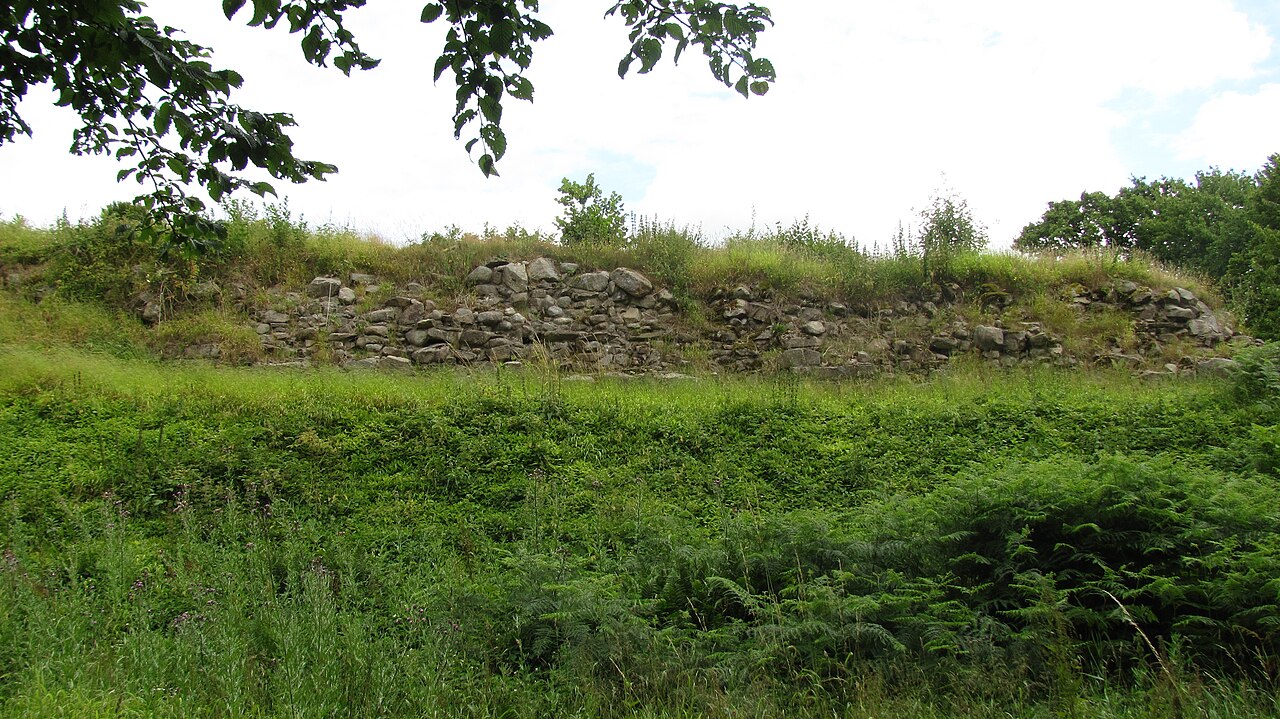
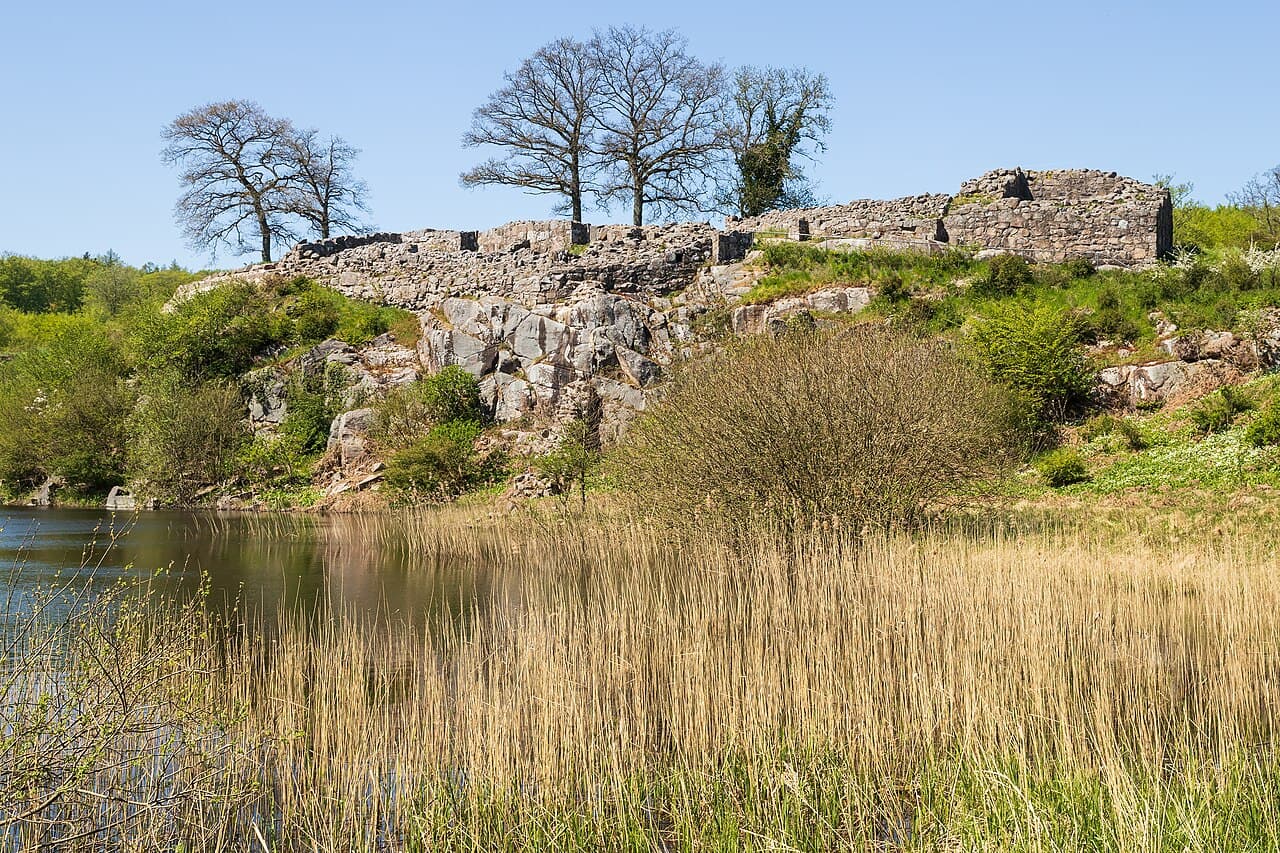
Lilleborg was designed as a compact but formidable fortress, embodying characteristics typical of high medieval Saxon architectural style. The castle's location on an oval plateau surrounded by steep cliffs provided natural defenses, enhanced by man-made fortifications. The fortress measured approximately 76 metres long and 41 metres wide, enclosed by a sturdy curtain wall that traced the cliff edges.
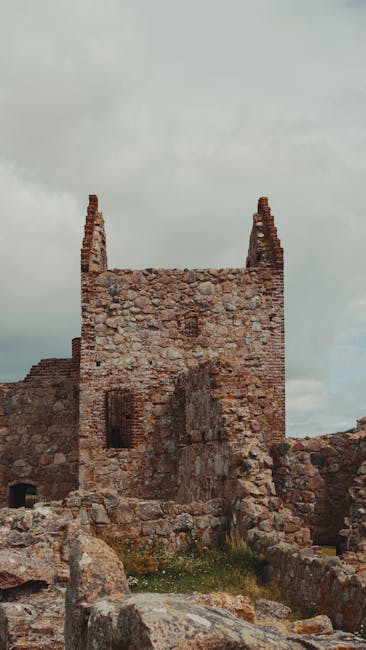
A prominent feature of Lilleborg was its large tower, measuring 9.5 metres square, which guarded the entrance to the courtyard. The tower's walls were an impressive 2.4 metres thick, allowing defenders to repel attackers effectively. From the top of this tower, archers and soldiers could easily target anyone attempting to breach the fortress.
Comparison with other fortresses
Lilleborg's inland position contrasts with the coastal fortresses like Hammershus, highlighting different strategic priorities. Its design has been compared to Refshaleborg on Borgø in Maribo lake, another inland fortress with similar defensive considerations. While smaller than Gamleborg, Lilleborg was considered easier to defend due to its natural and architectural advantages.
Historical events and occupation
The castle's history includes a significant event in 1259, when Prince Jaromar of Rügen stormed and destroyed the fortress, described in sources as the "king's stronghold" on Bornholm. Despite evidence of burning during this attack, archaeological finds such as coins minted after 1259 suggest that Lilleborg continued to be inhabited or used in some capacity beyond this date.
Over time, as military technology and political circumstances evolved, Lilleborg's defenses became obsolete. The fortress fell into ruin, and many of its stones were repurposed for other buildings on the island. This common practice contributed to the castle's current state as ruins.
Archaeological significance and restoration efforts
Recent archaeological research has revealed that the site of Lilleborg was occupied long before the medieval fortress was built. Excavations conducted by the National Museum of Denmark and Bornholms Museum uncovered remains of an earlier Iron Age fortification dating back to the 4th century. These findings indicate a long history of strategic use of this location.
From 2006 to 2011, restoration work was undertaken to stabilize and preserve the remaining structures of Lilleborg. These efforts aimed to maintain the site's historical integrity and make it accessible for visitors interested in Denmark's medieval heritage.
Location and visitor information
Lilleborg is situated near the main road connecting Rønne and Svaneke, making it relatively accessible for tourists exploring Bornholm. The castle's setting within Almindingen forest offers a scenic backdrop, combining natural beauty with historical intrigue.
Visitors to Lilleborg can explore the ruins and appreciate the castle's strategic design, including the remains of its thick walls, defensive tower, and curtain wall. The site provides insight into the military architecture of the high medieval period in Denmark and the island's complex political history.
Photo gallery

Information
Loading map...
Visitor reviews
No reviews yet. Been here? Write the first review and help other travelers!
Write the first reviewVisited this castle? Share your experience
Your review helps other travelers and adds first-hand knowledge to our encyclopedia.