Ertholmene Fortress
Ertholmene Fortress, located on the island of Christiansø in Denmark, represents a significant example of Renaissance military architecture in the Baltic region. Constructed in 1684, it was established during the turbulent period of the Danish-Swedish conflicts in the late 17th century. The fortress was built to serve as a strategic naval base for the Danish Navy, securing Denmark's interests in the central Baltic Sea.
Historical context and strategic importance
During the late 1600s, Denmark faced ongoing rivalry with Sweden for control over the Baltic Sea. To maintain naval dominance and protect maritime routes, Denmark needed a fortified outpost. The Ertholmene islands, comprising Christiansø and Frederiksø, were selected for their strategic location. The fortress construction began in 1684, marking the first permanent habitation of the islands. This development was crucial in establishing a military presence far from the Danish mainland.
Architectural features and fortifications
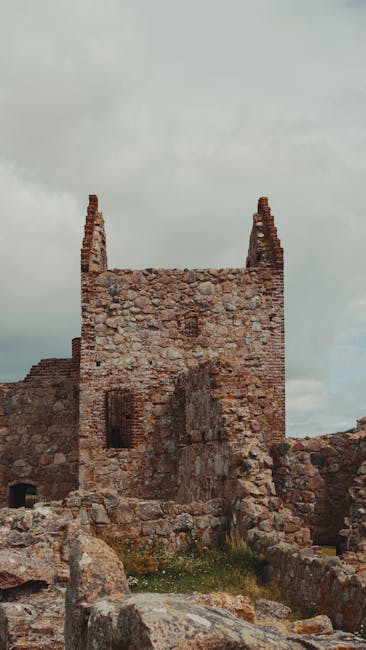
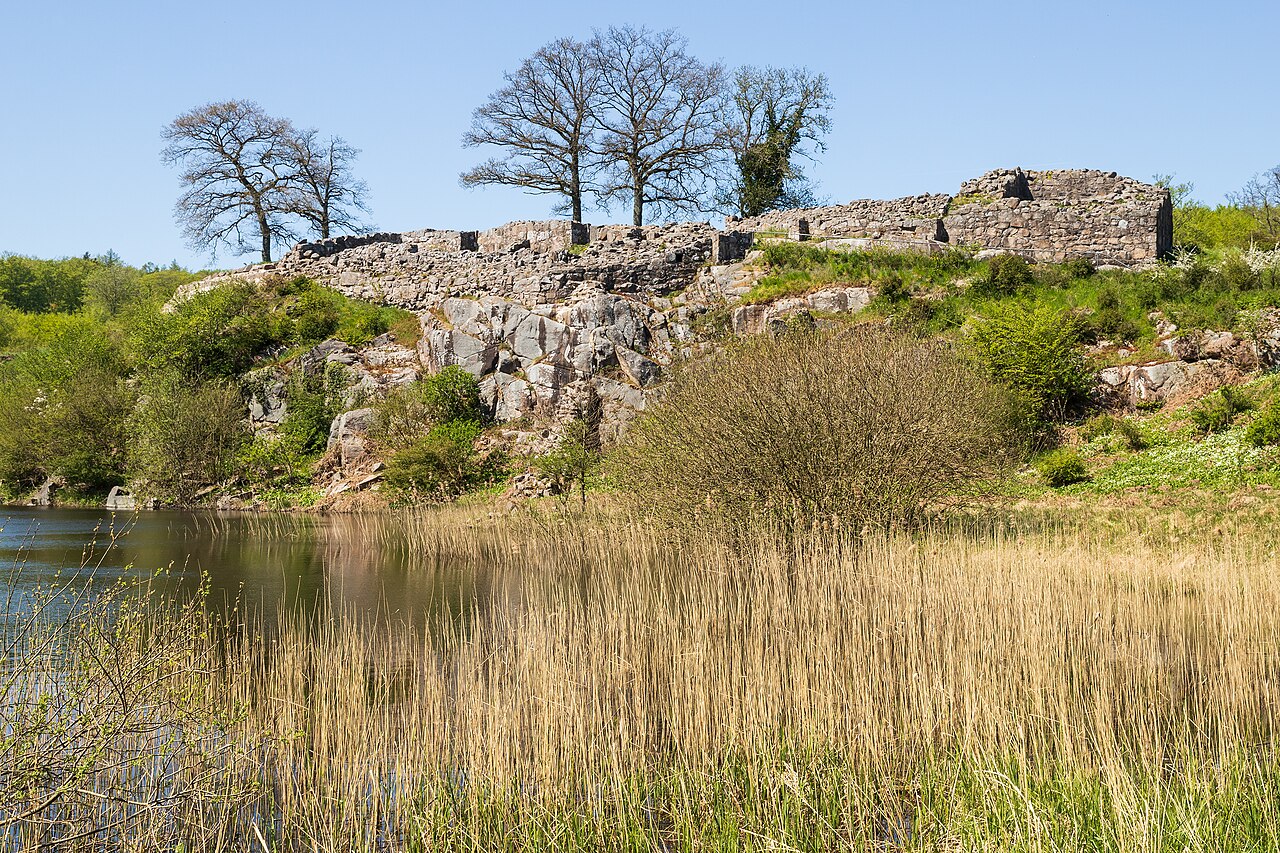
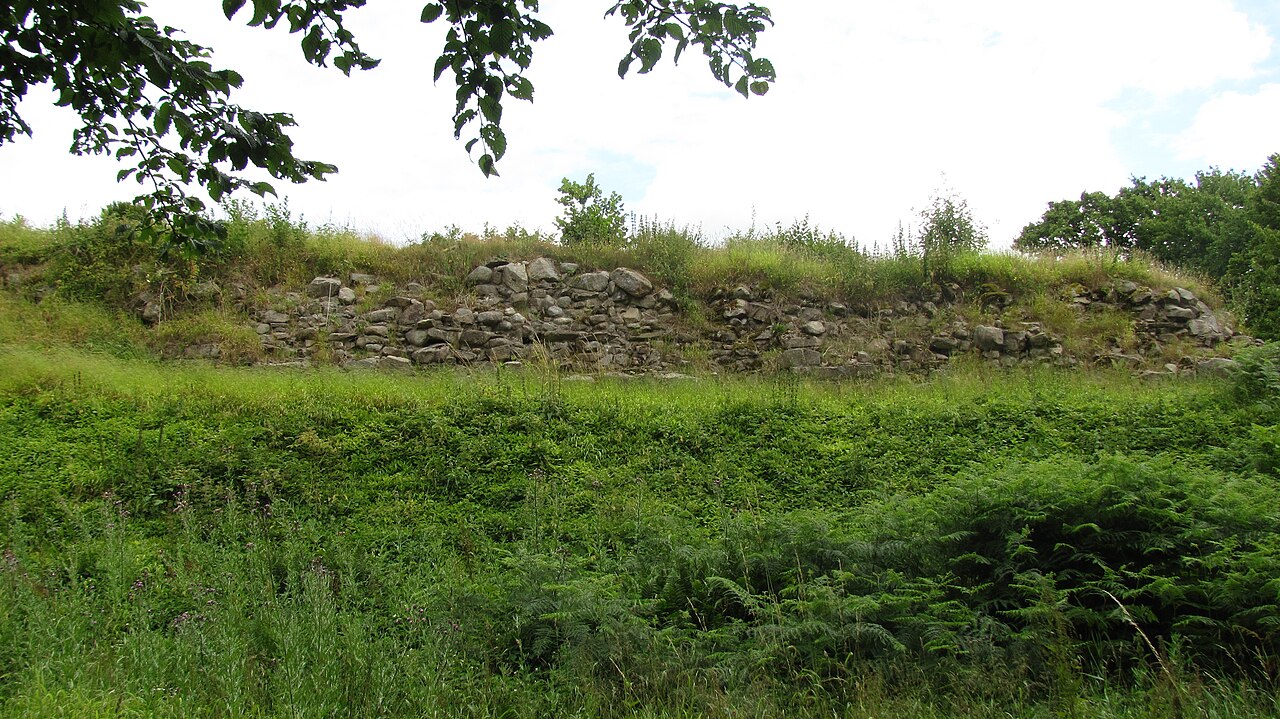
The fortress is characterized by its thick granite walls, designed to withstand naval bombardment and attacks. These walls encircle the islands, creating a formidable defensive perimeter. The fortifications include bastions and ramparts typical of Renaissance military design, emphasizing angled walls and low profiles to deflect cannon fire.
Store Tårn and Lille Tårn
Within the fortress complex, Store Tårn (the "Large Tower") has been repurposed as the Christiansø Lighthouse for over 200 years, guiding ships through the Baltic waters. On the neighboring island of Frederiksø, a smaller round tower known as Lille Tårn serves as a museum today, preserving the maritime and military heritage of the fortress.
Preservation and current status
The external appearance of the islands and fortress has remained remarkably unchanged for more than three centuries. The fortress is well-preserved, with original cannons still positioned along the walls, pointing seaward as reminders of its defensive role. This preservation has allowed Christiansø to retain its historic character, making it a unique tourist destination that offers visitors a glimpse into the military history of the Baltic region.
Visiting Ertholmene Fortress
Today, Ertholmene Fortress is accessible to tourists who can explore the historic walls, towers, and the surrounding natural beauty of the islands. The lighthouse and museum provide educational insights into the fortress's naval past and architectural significance. The islands' tranquil atmosphere combined with their historical structures offers a distinctive experience for visitors interested in military history, architecture, and maritime heritage.
Legacy and cultural significance
Ertholmene Fortress stands as a testament to Denmark's maritime strategy during the Renaissance period. Its construction marked a pivotal moment in the defense of Danish interests in the Baltic Sea. The fortress not only reflects the military engineering techniques of the 17th century but also embodies the broader geopolitical struggles of Northern Europe at the time. Its preservation allows modern audiences to connect with this heritage and understand the complexities of naval warfare and coastal defense in the early modern era.
Frequently asked questions (FAQ)
- How do I get to Ertholmene Fortress?
- Ertholmene Fortress is located on Christiansø, which is accessible by ferry from the mainland of Denmark. Ferries operate regularly from the town of Gudhjem, and the journey offers stunning views of the surrounding waters.
- What is the historical significance of Ertholmene Fortress?
- Ertholmene Fortress was built in the late 17th century as a naval fortification to protect Denmark's maritime interests. Its strategic location allowed it to serve as a defense against potential invasions, playing a crucial role in Danish military history.
- When was Ertholmene Fortress constructed?
- Construction of Ertholmene Fortress began in 1684 and was completed in 1691. The fortress was part of a broader initiative to strengthen Denmark's coastal defenses during a time of regional conflict.
- Can I explore the fortress grounds?
- Yes, visitors are welcome to explore the fortress grounds and enjoy the stunning architecture and historical features. Guided tours are also available to provide in-depth information about the fortress's history and significance.
- Why is Ertholmene Fortress a popular tourist destination?
- Ertholmene Fortress is popular for its unique historical architecture and picturesque setting on Christiansø. Visitors are drawn to its rich history, scenic views, and the opportunity to learn about Denmark's maritime heritage.
- Is it possible to visit the fortress year-round?
- While the fortress can be visited year-round, the best time to visit is during the summer months when ferry services are more frequent and the weather is pleasant. During the winter, ferry schedules may be limited, so it's advisable to check ahead.
- What are the opening hours of Ertholmene Fortress?
- The fortress is generally open to visitors from May to September, with varying hours depending on the day of the week. Specific opening times can be confirmed through local tourism websites or by contacting the fortress directly.
- Are there any nearby attractions to visit?
- Yes, nearby attractions include the charming village of Christiansø itself, with its beautiful coastal scenery and historical buildings. Additionally, visitors can explore the surrounding islands and enjoy outdoor activities such as hiking and birdwatching.
- How much do tickets cost to enter Ertholmene Fortress?
- Entry to Ertholmene Fortress typically requires a small fee, which helps fund preservation efforts. Ticket prices can vary, so it's best to check the official website or local tourist information for the most up-to-date pricing.
Information
Loading map...
Visitor reviews
No reviews yet. Been here? Write the first review and help other travelers!
Write the first reviewVisited this castle? Share your experience
Your review helps other travelers and adds first-hand knowledge to our encyclopedia.