Gonio Castle
Gonio Castle, historically known as Apsaros or Apsaruntos, stands as a significant Roman fortification located in the Adjara region of Georgia, near the mouth of the Chorokhi river. This fortress has a rich history dating back to the 1st century AD, with its earliest mention by the Roman author Pliny the Elder in his Natural History. The site is also referenced in Appian’s Mithridatic Wars from the 2nd century AD, underscoring its long-standing strategic and cultural importance in the ancient world.
Originally part of the Roman province of Colchis, Gonio was a well-fortified city featuring public amenities such as a theatre and a hippodrome, which reflected its urban and cultural development during Roman times. The fortress’s remains were noted by the 6th-century historian Procopius, who described the ruins of its public buildings, indicating that Gonio was once a place of considerable significance. Over time, the fortress came under the influence of the Byzantine Empire, which maintained and adapted its defenses.
Architectural features and fortifications
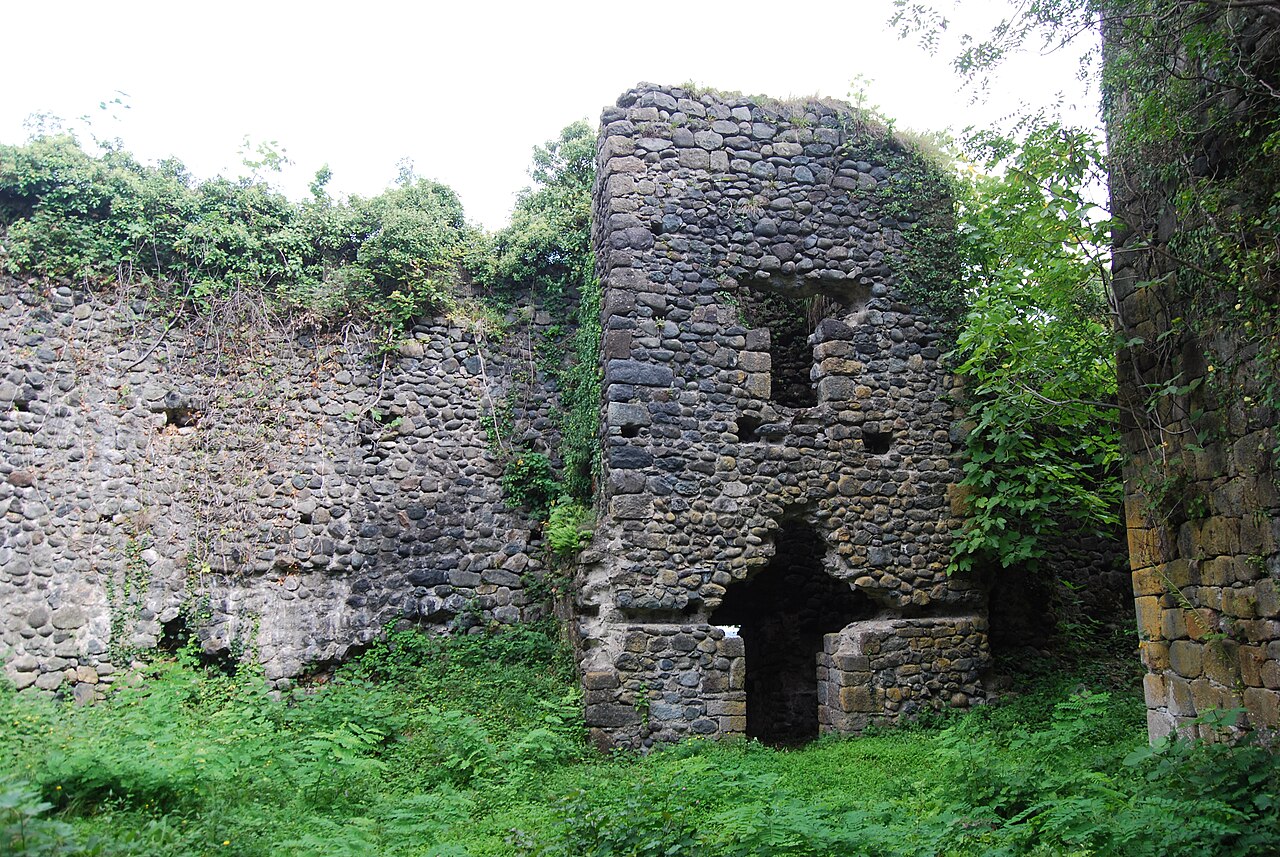
The castle is classified as a bastioned fortress, a type of fortification characterized by angular bastions projecting from the curtain walls, designed to provide defensive fire in multiple directions. The layout and construction techniques reflect adaptations across different historical periods, including Roman, Byzantine, Genoese, and Ottoman modifications. The walls and towers of Gonio were built to withstand sieges and assaults, with thick stone masonry and strategic positioning near the Black Sea coastline.
Roman foundations and later modifications
The original Roman construction established the fortress’s core defensive structures, including robust curtain walls and gates. Subsequent Byzantine renovations enhanced these defenses, integrating architectural elements suited to the evolving military technologies of the Middle Ages. In the medieval period, the fortress also hosted a Genoese trade factory, which contributed to its economic and strategic importance in the Black Sea trade network.
Historical significance and events
Gonio’s history is marked by its role as a military and trade stronghold. The fortress was first known as Apsaros and was part of the Roman defensive system in the eastern Black Sea region. Its name changed to Gonio by the 14th century, as recorded by the Byzantine chronicler Michael Panaretos. The fortress was captured by the Ottoman Empire in 1547 and remained under Ottoman control until 1878, when the San Stefano Treaty transferred Adjara to the Russian Empire.
One notable episode in its history occurred in 1647, when a Cossack naval force briefly seized Gonio, only for it to be swiftly retaken by Ottoman forces led by Ghazi Sidi Ahmed with the help of local Mingrelian allies. This event highlights the fortress’s strategic value and the turbulent political landscape of the region during the 17th century.
Religious and archaeological importance
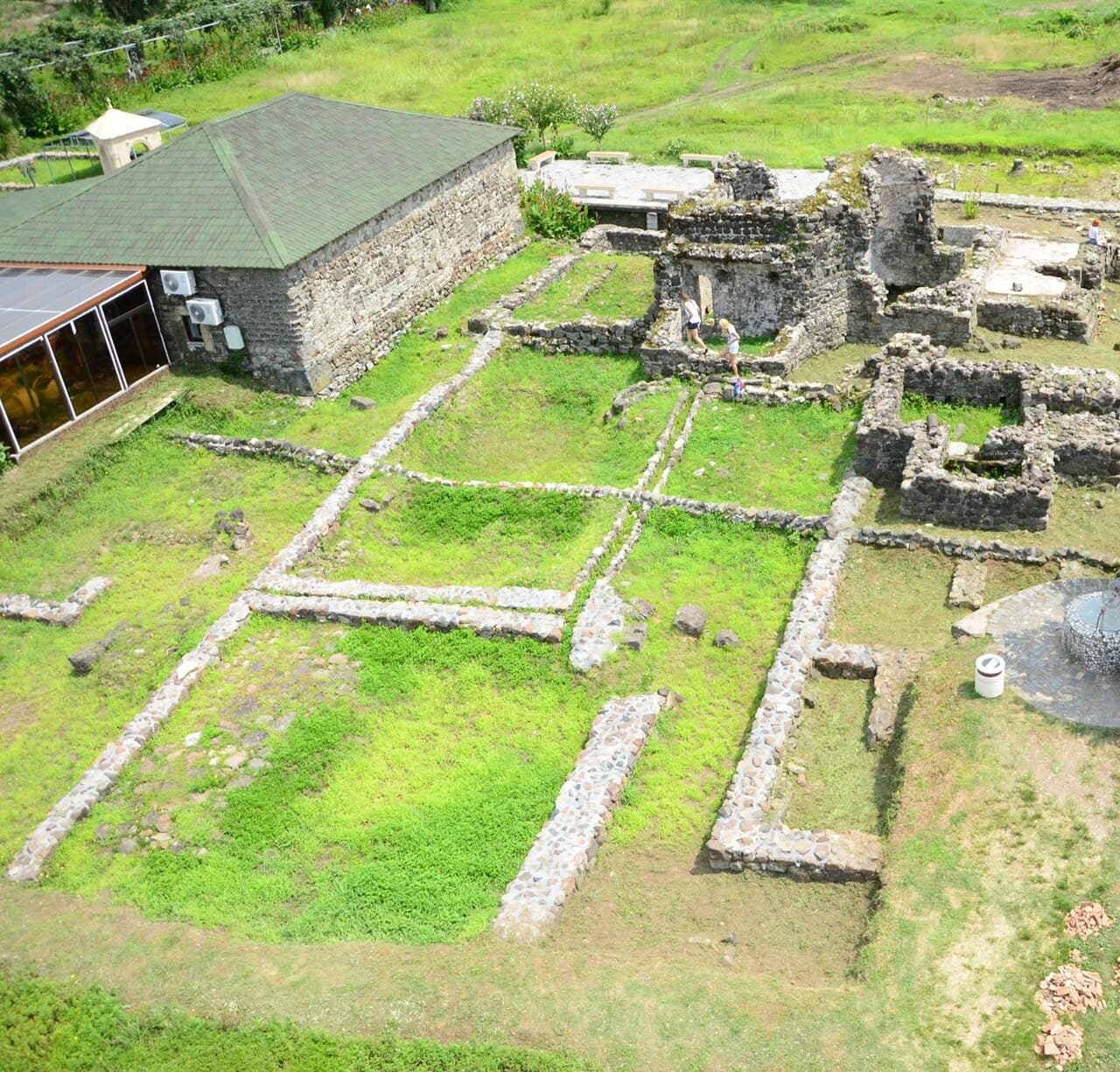
The fortress is traditionally believed to house the grave of Saint Matthias, one of the twelve apostles, adding a layer of religious significance to the site. However, this claim remains unverified as the Georgian government prohibits excavation near the supposed gravesite. Despite this restriction, ongoing archaeological excavations focus on uncovering and studying the Roman layers beneath the fortress grounds, shedding light on its ancient urban fabric and military architecture.
Excavations and discoveries
Archaeological work at Gonio has revealed artifacts and structural remains that document its continuous occupation from Roman through Ottoman times. These findings contribute valuable insights into the cultural exchanges and military strategies employed over centuries. The site's proximity to the Black Sea and the Chorokhi river mouth made it a key point for controlling maritime routes and regional trade.
Modern-day Gonio and tourism
Today, Gonio Castle is a popular tourist destination, especially during the summer months when visitors from across Georgia, particularly from Tbilisi, come to enjoy the nearby beaches. The beaches near Gonio are often considered cleaner and less crowded than those in Batumi, located about 15 kilometers to the north. The fortress itself offers visitors a glimpse into a layered history spanning over two millennia, from Roman times to the present.
The site is managed with an emphasis on preserving its historical and archaeological integrity while accommodating increasing tourism. Visitors can explore the fortress walls, towers, and the surrounding landscape, which together tell the story of a strategic bastioned fortress that played a vital role in the military and cultural history of the Black Sea region.
Frequently asked questions (FAQ)
- What is the historical significance of Gonio Castle?
- Gonio Castle, located in Adjara, Georgia, dates back to the Roman era and is believed to be the site of the ancient city of Apsaros. It has served various purposes throughout history, including a military fortress and a strategic point for controlling trade routes. The castle's rich history reflects the region's importance in ancient and medieval times.
- When was Gonio Castle built?
- Gonio Castle was constructed in the 1st century AD, primarily during the Roman period. It has undergone several renovations and expansions over the centuries, particularly during the Byzantine and Ottoman eras, which have added to its architectural complexity.
- Can I visit Gonio Castle year-round?
- Yes, Gonio Castle is open to visitors throughout the year. However, the best time to visit is during the spring and fall when the weather is mild and pleasant for exploring the site and its surroundings.
- What are the opening hours for Gonio Castle?
- Gonio Castle typically opens at 10:00 AM and closes at 6:00 PM during the summer months. In the winter, the castle may have reduced hours, so it is advisable to check the official website or local tourist information for the latest updates before your visit.
- Is it possible to access Gonio Castle by public transportation?
- Yes, Gonio Castle is accessible by public transportation from Batumi, which is the nearest major city. Buses and minibusses frequently run to the area, making it convenient for visitors to reach the castle without needing a private vehicle.
- What are the ticket prices for Gonio Castle?
- The ticket prices for Gonio Castle are quite affordable, with discounts available for students and children. It is recommended to check the official website or inquire locally for the most current pricing information before your visit.
- Are there nearby attractions to visit after Gonio Castle?
- Yes, there are several nearby attractions, including the beautiful Gonio Beach, which is perfect for relaxation and swimming. Additionally, the region boasts stunning natural landscapes and opportunities for hiking and exploring the Adjara coastline.
- What is the architectural style of Gonio Castle?
- Gonio Castle features a mix of architectural styles, reflecting its long history. The structure includes Roman, Byzantine, and Ottoman elements, with well-preserved walls and towers that showcase the military architecture of its time.
Photo gallery

Information
Loading map...
Visitor reviews
No reviews yet. Been here? Write the first review and help other travelers!
Write the first reviewVisited this castle? Share your experience
Your review helps other travelers and adds first-hand knowledge to our encyclopedia.