Likava Castle Ruins
Likava Castle (Likavský hrad) is a significant medieval fortress located in the village of Likavka, part of the Ružomberok District in northern Slovakia. First mentioned in historical records in 1315, the castle was strategically built to oversee and protect the vital passage across the river Váh and the important trade route connecting the Váh Basin with the Orava region and further to Poland. This location highlights the castle's primary function as a defensive stronghold controlling regional commerce and military movements during the late medieval period.
Early history and strategic importance
The initial construction of Likava Castle was undertaken to establish a fortified point that could monitor and secure the river crossing and trade route. Its placement on a hill provided a commanding view of the surrounding landscape, enabling early warning of any approaching forces or merchants. The castle's early architecture was typical of late medieval hill castles, featuring a compact core designed for defense and control.
Expansion under the Hunyady family
During the 15th century, the noble Hunyady family took ownership of Likava Castle and initiated significant expansions and renovations. They reconstructed the original core and added a new section known as the lower castle in the second half of the century. This addition enhanced the castle's defensive capabilities and accommodated the growing needs of its occupants. The lower castle typically included additional walls, living quarters, and service buildings, reflecting the evolving military architecture of the time.
Fortification completion and decline
In the second half of the 17th century, the Thököly family completed the castle's fortification system, reinforcing its walls and defensive structures. Despite these efforts, the castle's fortifications ultimately failed to protect it during the turbulent early 18th century. In 1707, retreating troops loyal to Francis Rákoczi deliberately destroyed the castle to prevent its use by opposing forces. This act marked the beginning of the castle's decline into ruins.
Architectural features and current condition
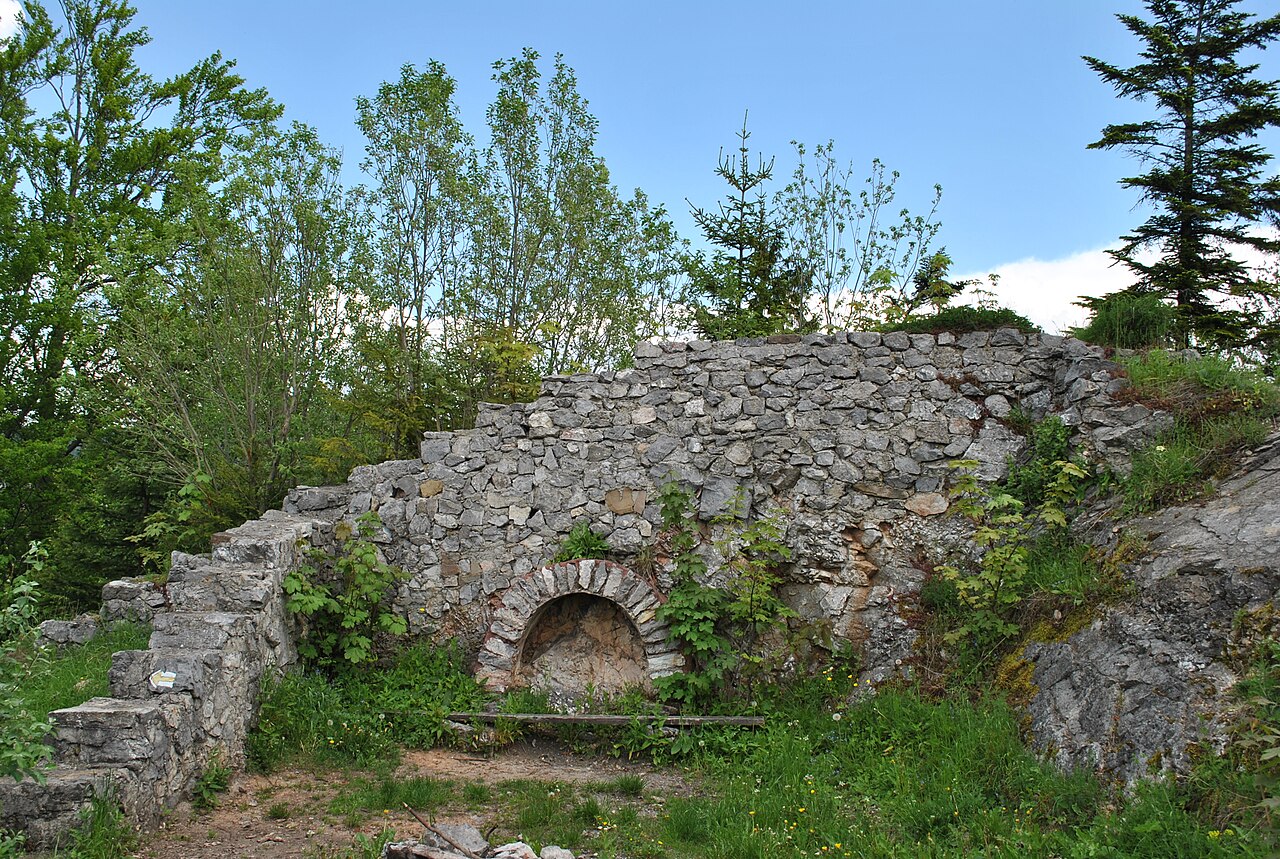
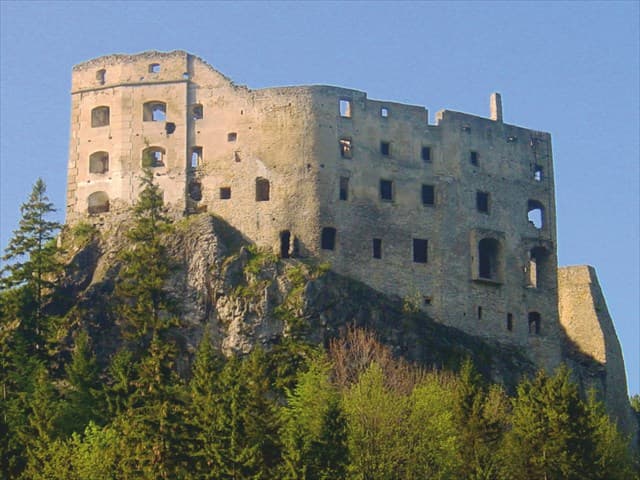
Today, Likava Castle stands mostly in ruins, classified as an archaeological site. The remnants include parts of the original walls, foundations, and the notable Hunyady Tower (Hunyadyho veža), which has been partially restored and opened to the public. This tower now houses an exhibition detailing the castle's history and significance. The ruins provide valuable insight into the late medieval defensive architecture of the region and reflect the castle's role in the historical power struggles of Central Europe.
Visitor information and cultural significance
Likava Castle is an important cultural landmark in the Liptov region, attracting visitors interested in medieval history and castle architecture. The site offers a glimpse into the military and noble heritage of Slovakia, showcasing the strategic importance of castles in controlling trade routes and regional defense. Visitors can explore the castle ruins and the exhibition in the Hunyady Tower, which provides context and interpretation of the site's historical narrative.
Location and accessibility
The castle is situated on a hill overlooking the village of Likavka, making it accessible by hiking trails from the village center. Its location in the north-western part of Slovakia places it within reach of other historical sites and natural attractions in the Ružomberok District.
Historical legacy
Likava Castle's history reflects the broader political and military developments in the region, including the conflicts involving the Hunyady and Thököly families, as well as the anti-Habsburg uprisings led by Francis Rákoczi. The castle's destruction in 1707 symbolizes the shifting power dynamics of the era and the decline of medieval fortifications in the face of new military technologies and tactics.
Overall, Likava Castle remains a valuable archaeological and historical site, offering insights into medieval fortification strategies, noble family histories, and the geopolitical landscape of Central Europe during the late Middle Ages and early modern period.
Frequently asked questions (FAQ)
- When was Likava Castle first mentioned in historical records?
- Likava Castle was first mentioned in historical records in 1315, marking its early significance in regional defense.
- What was the primary purpose of Likava Castle's construction?
- The castle was built to guard the passage across the river Váh and control the trade route from the Váh Basin to Orava and Poland.
- Who were the main noble families associated with Likava Castle?
- The Hunyady family expanded the castle in the 15th century, and the Thököly family completed its fortifications in the 17th century.
- What happened to Likava Castle in 1707?
- In 1707, retreating troops of Francis Rákoczi destroyed the castle to prevent its use by enemy forces, leading to its ruin.
- Is Likava Castle accessible to visitors today?
- Yes, the castle ruins and the partially restored Hunyady Tower are open to the public, featuring an exhibition on the castle's history.
- How can visitors reach Likava Castle?
- Visitors can reach the castle by hiking from the village of Likavka, where it is located on a hill overlooking the area.
Photo gallery

Information
Current owner
Municipality of Likavka
Loading map...
Visitor reviews
No reviews yet. Been here? Write the first review and help other travelers!
Write the first reviewVisited this castle? Share your experience
Your review helps other travelers and adds first-hand knowledge to our encyclopedia.