Lieto Old Castle
Lieto Old Castle stands as a significant historical site in Lieto, Finland, representing a fortified hill with a long history dating back to prehistoric times. The site, also known as "Liedon Vanhalinna," has been used intermittently from the Late Bronze Age (1500-500 BC) through the Middle Iron Age (circa 500-700 AD) and into the High Medieval period until the end of the 14th century. This hillfort is a rare example of a multi-period defensive site in Finland, illustrating the evolution of fortification techniques and regional power dynamics over more than a millennium.
Early history and prehistoric use
Archaeological excavations have revealed that the hill was fortified and inhabited during the Late Bronze Age, indicating its strategic importance in prehistoric times. The evidence suggests that the site may have served both as a defensive stronghold and a settlement area. While some findings point to use during the Middle Iron Age, this period remains somewhat contested among scholars, but it indicates continuity or reoccupation of the site across centuries.
Medieval significance and fortifications
During the High Medieval period, Lieto Old Castle gained prominence as a fortified hill used in the context of regional conflicts. Around the time of the First Swedish Crusade (circa 1155), the hill was the scene of intense battles between the invading Swedish forces and the indigenous pagan Finnish population. The Swedish victory led to the fortification of the hill with stone and brick walls to defend the emerging city of Turku and to establish Christian influence in the region.
The fortifications included several buildings within the hilltop enclosure, robust outer walls, and a watchtower that provided surveillance over the surrounding landscape. These defensive structures reflected the military architecture of the period and the strategic importance of controlling the area against Finnish and Novgorodian forces.
Decline and transition to Turku Castle
With the completion of the Turku Castle near the harbor, Lieto Old Castle lost its military significance. The new castle offered a more modern and strategically advantageous fortification, leading to Lieto's gradual abandonment and decay. The last known historical record mentioning Lieto Old Castle dates to 1438, after which it fell into ruin.
Modern archaeological and cultural importance
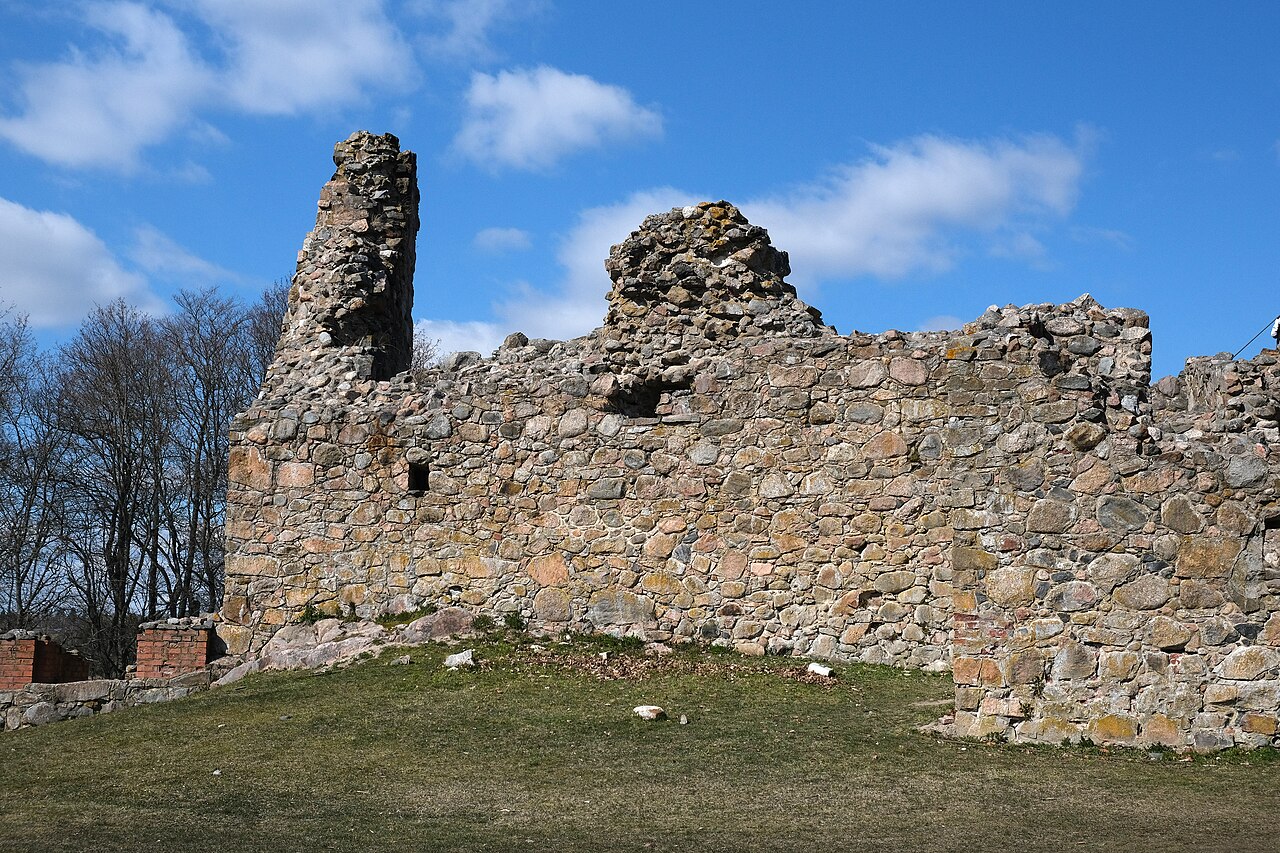
In 1956, the private landowners of Lieto hill donated the site to the University of Turku. Since then, it has been used primarily for archaeological training and research, contributing valuable insights into Finland's medieval and prehistoric past. Today, only a few ruins of the original castle walls and buildings remain visible, offering a glimpse into the site's former defensive role.
The site is considered an important cultural heritage landmark, illustrating the transition from pagan to Christian Finland and the early medieval military architecture in the region. Its location on a hilltop fortification aligns with the typical hill castle classification common in medieval Northern Europe.
Architectural features and layout
The castle's remains show evidence of stone and brick masonry used in the construction of defensive walls, which was relatively advanced for the region during the medieval period. The presence of a watchtower indicates a focus on surveillance and early warning against attacks. The fortifications were designed to protect the hilltop settlement and control access routes, with outer walls forming a perimeter defense.
Although much of the structure has not survived, the archaeological record helps reconstruct the layout, suggesting a compact fortified area with multiple buildings serving administrative, residential, and military functions.
Historical context within Finnish and Scandinavian history
Lieto Old Castle played a role in the broader historical context of the Swedish crusades into Finland, which were part of the Christianization and territorial expansion efforts in the 12th century. The castle's fortifications symbolized the assertion of Swedish authority and the defense of newly established Christian settlements against local pagan groups and external threats such as the Novgorodians.
The castle's decline coincided with the rise of Turku as a major political and economic center, shifting the focus of regional power to the harbor area and its more modern fortifications.
Frequently asked questions (FAQ)
- What is Lieto Old Castle known for?
- Lieto Old Castle is renowned for its rich history dating back to the late Middle Ages. It serves as a significant example of medieval architecture in Finland and offers insights into the region's past, including its role in local governance and defense.
- When was Lieto Old Castle built?
- Lieto Old Castle was constructed in the 14th century, making it a prime historical site in Finland. The castle has undergone various renovations and restorations over the centuries, reflecting the architectural styles of different periods.
- Can I visit Lieto Old Castle?
- Yes, Lieto Old Castle is open to visitors, allowing them to explore its historical grounds and learn about its significance. Guided tours are often available, providing deeper insights into the castle's history and architecture.
- What are the opening hours for Lieto Old Castle?
- The opening hours for Lieto Old Castle vary by season, typically being open from late spring to early autumn. It is advisable to check the official website or local tourism information for the most current hours before planning your visit.
- Is it possible to access Lieto Old Castle with limited mobility?
- Lieto Old Castle has made efforts to improve accessibility, but due to its historical nature, some areas may pose challenges for visitors with limited mobility. It's recommended to contact the castle staff in advance to inquire about specific accessibility options.
- What is the best time to visit Lieto Old Castle?
- The best time to visit Lieto Old Castle is during the summer months when the weather is pleasant, and the castle hosts various events and activities. Spring and early autumn also offer beautiful scenery and fewer crowds, making it a great time for a visit.
- Are there any nearby attractions to visit?
- Yes, there are several nearby attractions, including the beautiful Lieto countryside and local museums that showcase Finnish culture and history. Visitors can also explore nearby nature trails and parks for a complete day of exploration.
- What are the ticket prices for Lieto Old Castle?
- Ticket prices for Lieto Old Castle are generally affordable, with discounts available for students, seniors, and children. It's best to check the official website for the most up-to-date pricing and any special event rates.
Information
Website
Visit websiteSources & official resources
Verify the information above using these authoritative references.
Loading map...
Visitor reviews
No reviews yet. Been here? Write the first review and help other travelers!
Write the first reviewVisited this castle? Share your experience
Your review helps other travelers and adds first-hand knowledge to our encyclopedia.