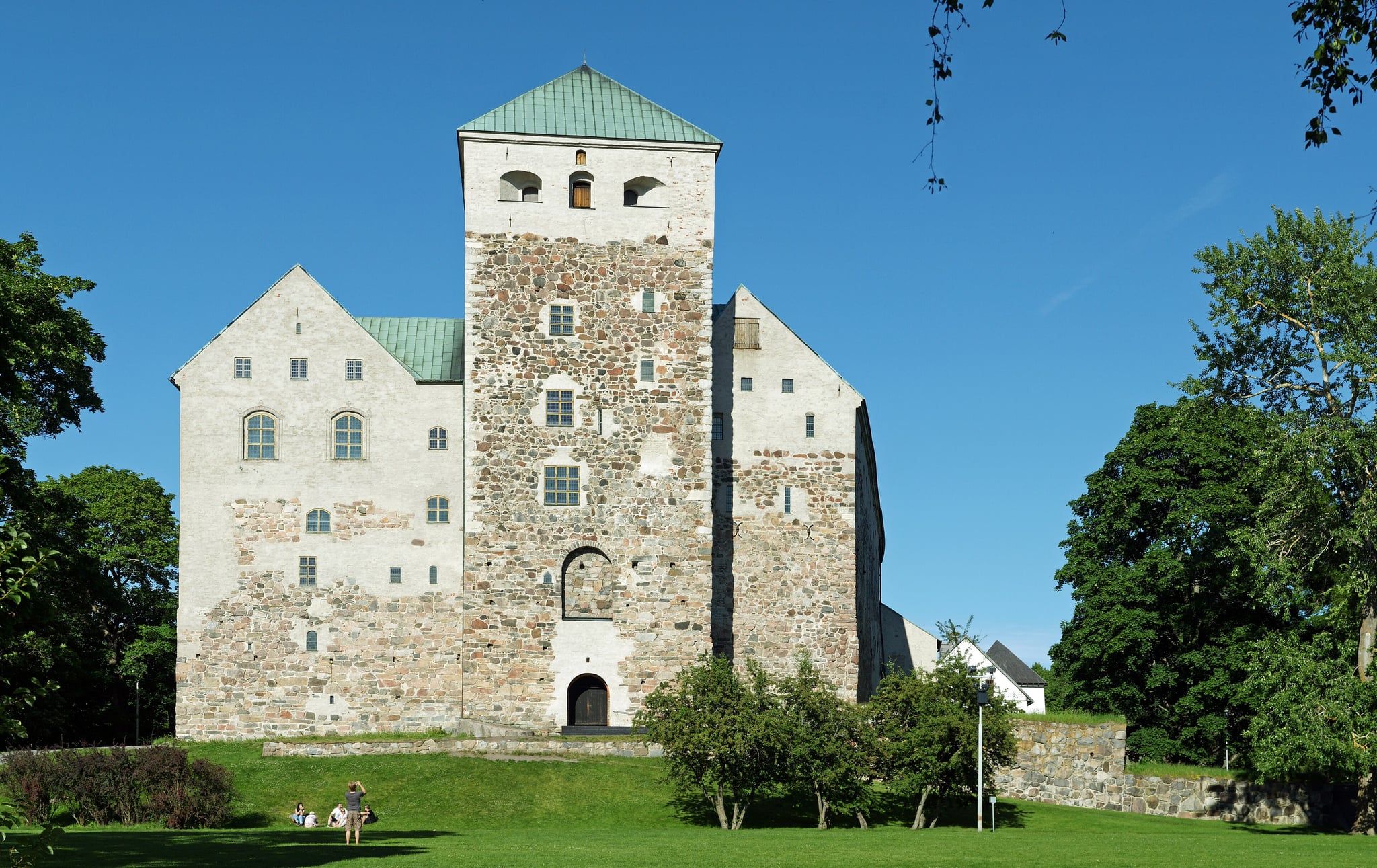
Kuusisto Castle
Kuusisto Castle stands as a significant relic of Finland's medieval history, embodying the architectural and cultural heritage of the late medieval period. Constructed in the early 14th century, this hill castle served as the primary residence for the Catholic bishops of Finland until the early 16th century. Its ruins, located in Kaarina, provide a vivid glimpse into the ecclesiastical power and defensive strategies of the era.
Early history and episcopal significance
The origins of Kuusisto Castle trace back to the late 13th or early 14th century, with the earliest documented bishop in the region, Bishop Maunu I, mentioned in 1295. While it remains uncertain whether the initial episcopal presence coincided exactly with the castle site, historical chronicles attribute the commencement of stone construction to Bishop Ragvald II (1308–1321). This phase likely replaced an earlier wooden fortification, marking a transition towards more durable and imposing structures befitting the growing influence of the Catholic Church in Finland.
Throughout the 14th century, successive bishops such as Pentti Gregoriuksenpoika and Hemming expanded the castle's footprint, though the buildings remained relatively modest in height and scale. These developments reflected the dual role of the castle as both a residence and a regional stronghold.
Major fortifications and peak in the 15th century
The castle reached its zenith during the 15th century under the leadership of Bishop Maunu Tawast, who invested considerable resources into transforming the site from a manor-like residence into a formidable fortress. This period saw the addition of robust defensive walls, living quarters, and other essential structures, enabling the castle to support both regional trade and military defense.
A significant event during this era was a large fire around 1485, after which extensive repairs and upgrades were undertaken. Following Bishop Tawast, Bishop Maunu Särkilahti continued fortification efforts between 1489 and 1500, despite concerns about the financial burden. Their combined efforts established Kuusisto as a key episcopal seat with enhanced defensive capabilities.
Decline and destruction during the reformation
The early 16th century marked a turbulent period for Kuusisto Castle. Bishop Arvid Kurki, the last Catholic bishop residing there, fled in 1522 during a Danish military assault but tragically drowned in the process. The castle briefly fell under Danish control before being reclaimed by forces loyal to King Gustav I of Sweden in 1523.
In the wake of the Protestant Reformation, King Gustav I ordered the demolition of Kuusisto Castle in 1528 to prevent the Catholic Church from regaining its power in the region. The dismantling, overseen by Maunu Sveninpoika, commander of nearby Turku Castle, involved repurposing the castle's stones for renovations at Turku Castle and other local structures.
Archaeological significance and preservation efforts
Following centuries of neglect, archaeological excavations and restoration work began in 1891, spearheaded by the institution that later became the Finnish Heritage Agency. Renewed conservation efforts from 1985 onwards have applied modern multidisciplinary techniques to preserve the site.
The ruins reveal a complex layout centered around an irregular courtyard, with the earliest stone building comprising three rooms and a cellar in the northeastern corner. The castle's curtain walls formed a fortified perimeter, while the southern wing, completed in the later stages, included the main entrance relocated from the original sea-facing gate.
One of the castle's unique defensive features was an extensive underwater barrier made of over 3,000 wooden stakes submerged in the bay's mud and reeds. This early 15th-century construction was discovered during low sea levels in 1992, highlighting the castle's strategic use of natural and artificial defenses.
Material culture and daily life insights
Archaeological finds include a sunken barge laden with castle stones, indicating the transport and reuse of building materials. Botanical remains from the site provide valuable information about medieval agricultural and craft practices. The presence of Finnish cereal crops such as barley, rye, oats, and wheat, along with hemp used for textiles and ropes, illustrates the castle's self-sufficiency and economic activities.
Additional plant remains, including parsnip, henbane, bog myrtle, comfrey, and various wild berries and nuts, suggest a diverse diet and medicinal knowledge among the castle's inhabitants. Records also mention beer production flavored with hops, reflecting local brewing traditions.
Current condition and cultural heritage status
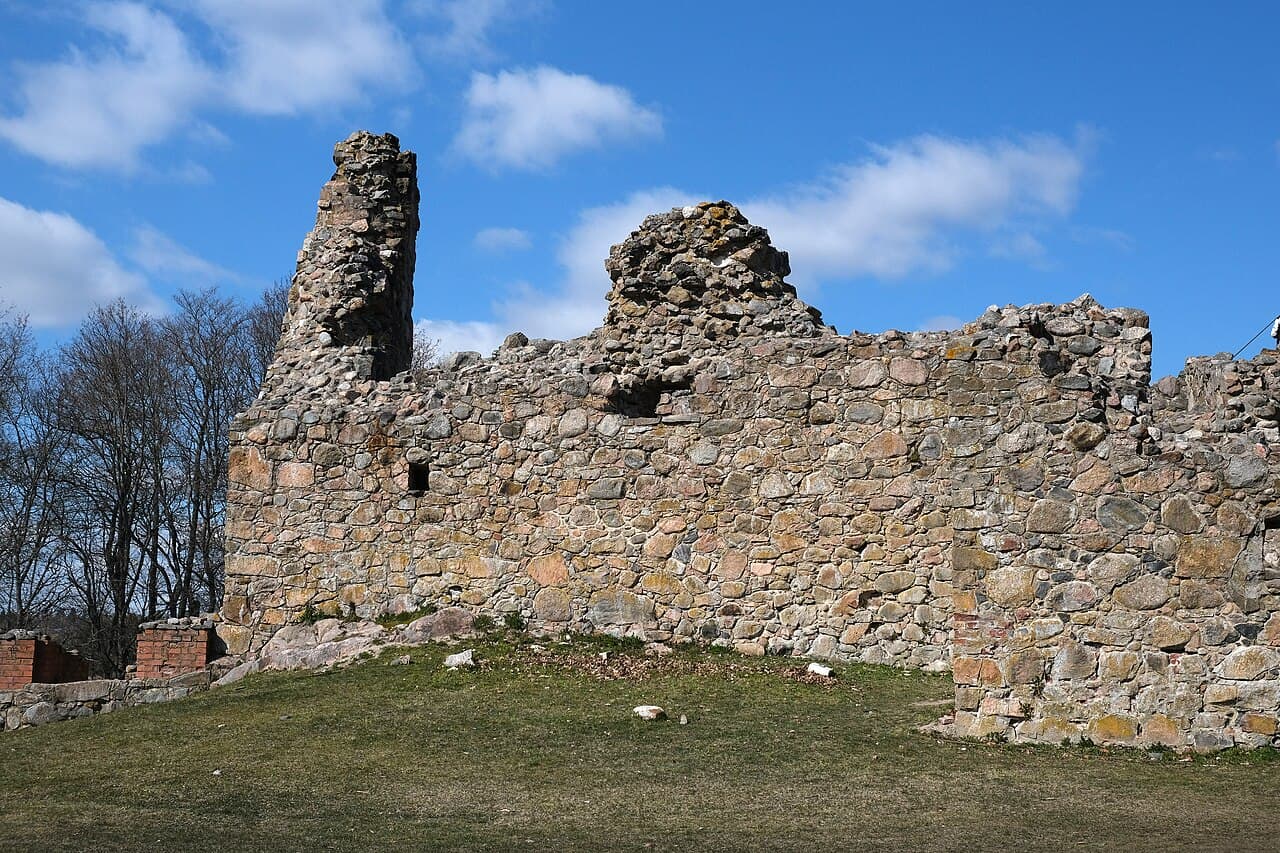
Today, Kuusisto Castle's ruins stand as a testament to its historical importance. The visible stone walls and foundations outline the former fortress layout, offering visitors and scholars a tangible connection to Finland's medieval episcopal past. The site, together with the adjacent Kuusisto Manor, is protected as a nationally important cultural heritage site, ensuring ongoing preservation and study.
Despite the challenges posed by unstable ground and fluctuating water levels, conservation efforts continue to maintain the integrity of the ruins. Kuusisto Castle remains a focal point for archaeological research and a popular destination for those interested in medieval history and architecture in Finland.
Frequently asked questions (FAQ)
- How do I get to Kuusisto Castle?
- You can reach Kuusisto Castle by taking public transportation or driving from the center of Kaarina. The castle is located just a short drive from Turku, and there are parking facilities available nearby for visitors.
- What is the historical significance of Kuusisto Castle?
- Kuusisto Castle, built in the late 13th century, served as a residence for the bishops of Turku and played a vital role in the region's medieval history. It is an important site for understanding the ecclesiastical power and governance in Finland during the Middle Ages.
- When was Kuusisto Castle constructed?
- The construction of Kuusisto Castle began in the late 1200s, with significant expansions and renovations occurring over the following centuries. The castle reflects architectural styles from various periods, showcasing its historical evolution.
- Can I visit Kuusisto Castle year-round?
- Yes, Kuusisto Castle is open to visitors throughout the year, but it is advisable to check specific opening hours as they may vary by season. Guided tours are often available, providing deeper insights into the castle's history and architecture.
- Why is Kuusisto Castle an important architectural site?
- Kuusisto Castle is notable for its well-preserved ruins that reveal the design and construction techniques of medieval fortifications in Finland. The blend of Romanesque and Gothic architectural elements makes it a fascinating study for historians and architecture enthusiasts alike.
- Is it possible to explore the surrounding area of Kuusisto Castle?
- Absolutely! The grounds of Kuusisto Castle offer beautiful walking paths and scenic views of the surrounding landscape. Additionally, the nearby areas include parks and historical sites, making it a perfect destination for a day of exploration.
- What are the ticket prices for visiting Kuusisto Castle?
- Entry to Kuusisto Castle is generally free, but guided tours may have a nominal fee. It is recommended to check the official website or visitor center for the most up-to-date information on any applicable fees.
- What are the best times to visit Kuusisto Castle?
- The best time to visit Kuusisto Castle is during the late spring to early autumn months when the weather is pleasant and the grounds are in full bloom. Additionally, summer often features special events and guided tours that enhance the visitor experience.
- What are the opening hours for Kuusisto Castle?
- Kuusisto Castle typically opens from 10 AM to 6 PM during the peak season, but hours may vary in the off-peak months. It is best to check the official website for the most accurate and current opening times before your visit.
Photo gallery

Information
Website
Visit websiteSources & official resources
Verify the information above using these authoritative references.
Loading map...
Visitor reviews
No reviews yet. Been here? Write the first review and help other travelers!
Write the first reviewVisited this castle? Share your experience
Your review helps other travelers and adds first-hand knowledge to our encyclopedia.