L'Huillier-Coburg Palace
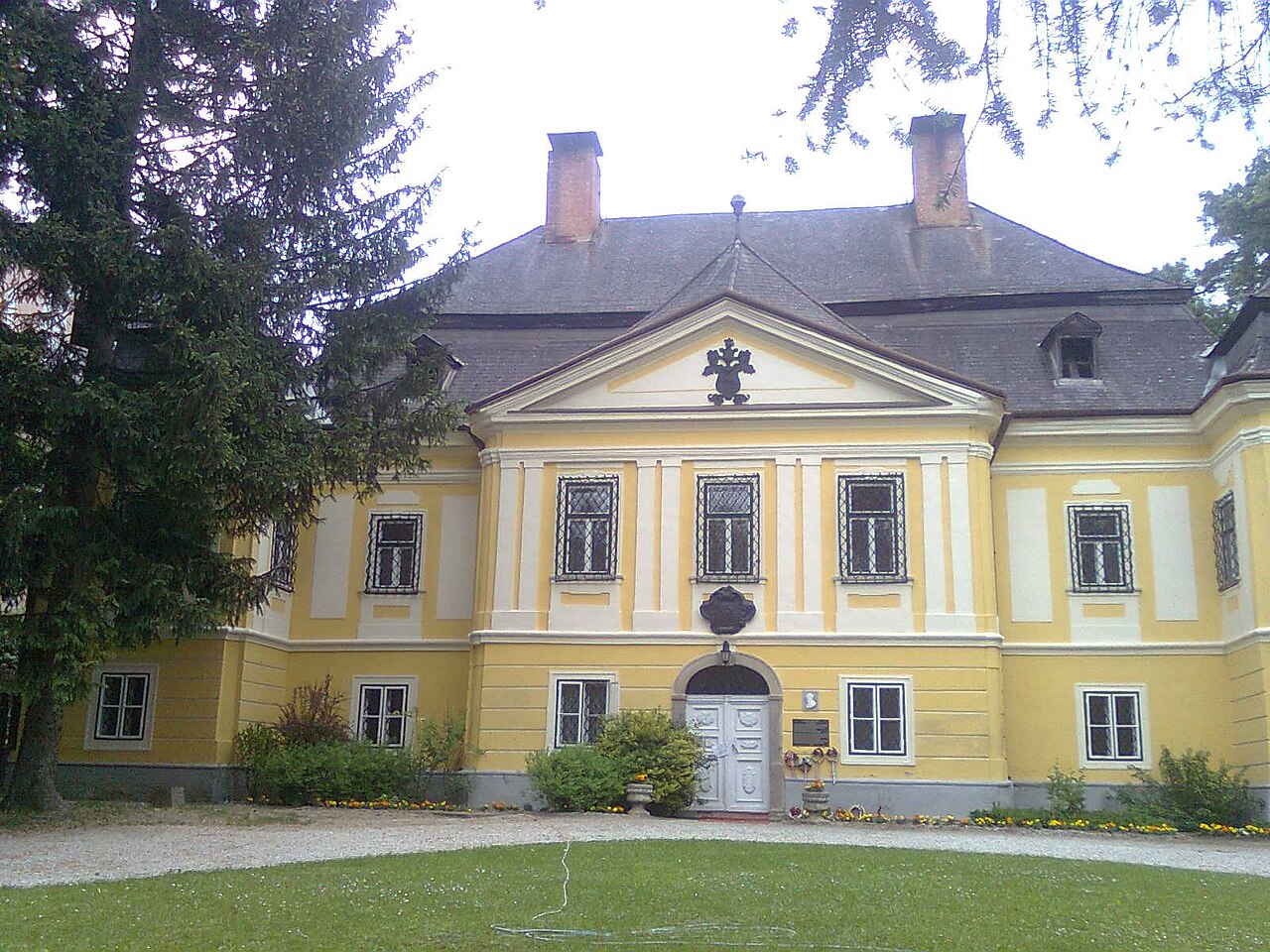
The L'Huillier-Coburg Palace in Edelényi, Hungary, stands as the seventh largest palace in the country and represents a significant example of early Baroque architecture. Constructed between 1716 and 1730, the palace was commissioned by Jean-Francois L'Huillier, a French nobleman from Alsace-Lorraine. Upon receiving the king's consent in 1727, L'Huillier became the full owner of the estate, overseeing a complex construction process that involved transporting timber from over 20 kilometers away and sourcing stone from a local quarry. The walls and foundations were built from these quarried stones, supplemented by local limestone and sand. The construction workforce included up to eighteen bricklayers working alongside their assistants, with unskilled labor performed by day-laborers and serfs.
Architectural features and construction details
The palace is a distinguished example of early Baroque style in Hungary, characterized by its grand scale and detailed craftsmanship. Although the exact architect remains unknown, the palace's design reflects the influences of French and Central European Baroque trends. The structure features a central block with a mansard roof added later during the early 20th-century renovations. The use of local materials such as stone and timber highlights the logistical efforts invested in its construction.
Interior decoration and artistic significance
One of the palace's most remarkable features is its interior decoration, notably the largest rococo frescos in Hungary, painted in 1770 by Ferenc Lieb. These frescos adorn six rooms and were commissioned by Ludmilla L'Huillier, the granddaughter of the original owner, and her husband István Eszterházy. The frescos exhibit exquisite rococo artistry, adding significant cultural value to the palace's heritage.
Historical ownership and transformations
After Jean-Francois L'Huillier's death, his wife Marie-Madeleine de Saint-Croix completed the palace by 1730. The estate later passed to their granddaughter Ludmilla and her husband István Eszterházy, who were responsible for the notable interior artistic enhancements. Following Ludmilla's death, the palace was inherited by their son, Ferenc Dessewffy, who maintained the property without significant alterations. With no heirs, the palace reverted to the Royal Chamber in 1820.
In the 19th century, the palace was acquired by Prince Ferdinand of Saxe-Coburg and Gotha, a lieutenant-general in the Austro-Hungarian armed forces. The Coburg family invested in the estate's economic development, establishing one of the first sugar factories in Edelényi before 1845 and maintaining extensive agricultural operations. Despite these efforts, the palace itself fell into disuse as a noble residence and began to deteriorate.
Early 20th-century renovations
Between 1910 and 1913, architect Rezső Vilmos Ray led a significant restoration project that included neo-Baroque additions and the construction of the mansard roof on the central building. The Coburg family also leased parts of the palace to the Bódvavalley Mining Company in 1912. Eventually, the Ministry of Justice purchased the palace in 1928, converting parts of it into a prison, district court, gendarmerie barracks, and housing for officials.
Decline and preservation efforts
The palace suffered further damage during and after World War II, when Soviet forces occupied the building in 1945. Neglect led to severe deterioration, with some rooms, including those with valuable frescos, repurposed inappropriately, such as being used as a henhouse. Flooding in the 1980s accelerated the decay, severely damaging many of the frescos.
In 2001, the National Trust of Monuments for Hungary took over the palace's maintenance, initiating a comprehensive restoration program. The recovery plan is being implemented in two phases, focusing on restoring the palace's external appearance and much of its interior. These efforts aim to preserve the palace's architectural and cultural heritage for future generations.
Significance in Hungarian cultural heritage
L'Huillier-Coburg Palace represents a vital piece of Hungary's Baroque architectural legacy. Its combination of French-influenced design, extensive rococo frescos, and layered history of ownership and usage reflects the dynamic cultural and economic shifts in the region from the early 18th century onward. The palace's ongoing restoration underscores its importance as a monument of historical and artistic value.
Frequently asked questions (FAQ)
- What is the historical significance of L'Huillier-Coburg Palace?
- L'Huillier-Coburg Palace is an important cultural landmark in Hungary, reflecting the rich history and architectural heritage of the region. It was built in the 18th century and serves as a prime example of baroque architecture, showcasing the artistic styles and influences of the period.
- When was L'Huillier-Coburg Palace constructed?
- The construction of L'Huillier-Coburg Palace began in the early 18th century and was completed in the 1750s. This period marked a significant development in Hungarian architecture, with the palace embodying the elegance and grandeur of the baroque style.
- What are the opening hours for L'Huillier-Coburg Palace?
- L'Huillier-Coburg Palace is typically open to visitors from 10 AM to 5 PM, Tuesday through Sunday. However, it is advisable to check the official website or contact the palace directly for any changes in schedule or special events.
- Can I take photographs inside the palace?
- Yes, visitors are generally allowed to take photographs inside L'Huillier-Coburg Palace, but it is important to respect any posted guidelines regarding photography. Some areas may have restrictions to protect the artworks and historical artifacts.
- Is it possible to access L'Huillier-Coburg Palace with a wheelchair?
- L'Huillier-Coburg Palace is committed to providing accessibility for all visitors, and efforts have been made to accommodate those with mobility challenges. However, it is recommended to inquire ahead of your visit about specific accessibility features and routes.
- What is the best time to visit L'Huillier-Coburg Palace?
- The best time to visit L'Huillier-Coburg Palace is during the spring and fall months when the weather is mild and ideal for exploring the grounds. Additionally, visiting during off-peak times can enhance your experience with fewer crowds.
- What are the ticket prices for visiting the palace?
- Ticket prices for L'Huillier-Coburg Palace vary depending on age and group size, with discounts often available for students and seniors. Entrance fees are typically affordable, making it accessible for most visitors to enjoy the rich history of the palace.
- Are there any nearby attractions to visit after L'Huillier-Coburg Palace?
- Yes, there are several nearby attractions including beautiful parks, historical sites, and local museums that showcase the culture of Edelényi. Exploring the surrounding areas can provide a fuller understanding of the region's history and charm.
Information
Loading map...
Visitor reviews
No reviews yet. Been here? Write the first review and help other travelers!
Write the first reviewVisited this castle? Share your experience
Your review helps other travelers and adds first-hand knowledge to our encyclopedia.