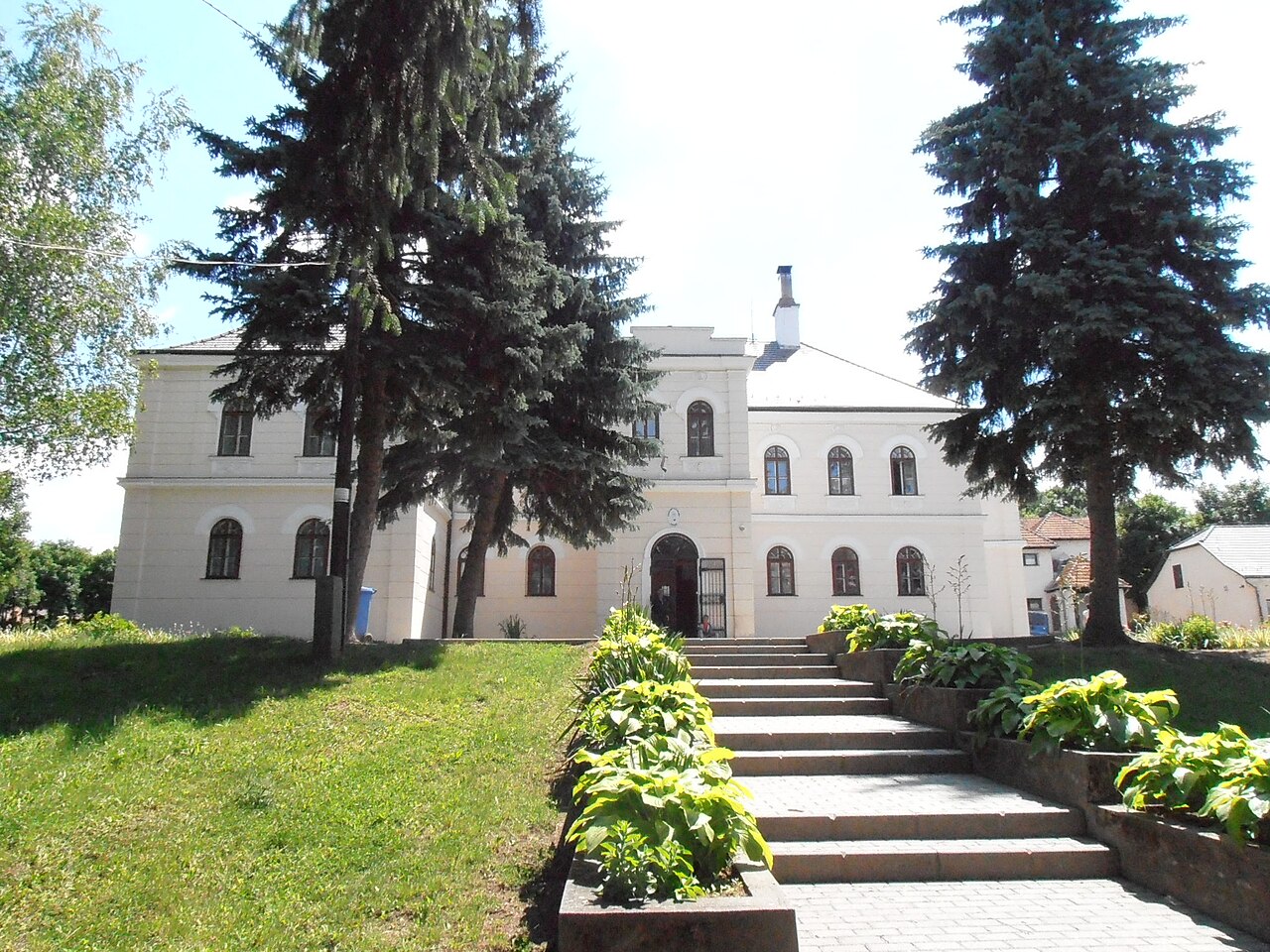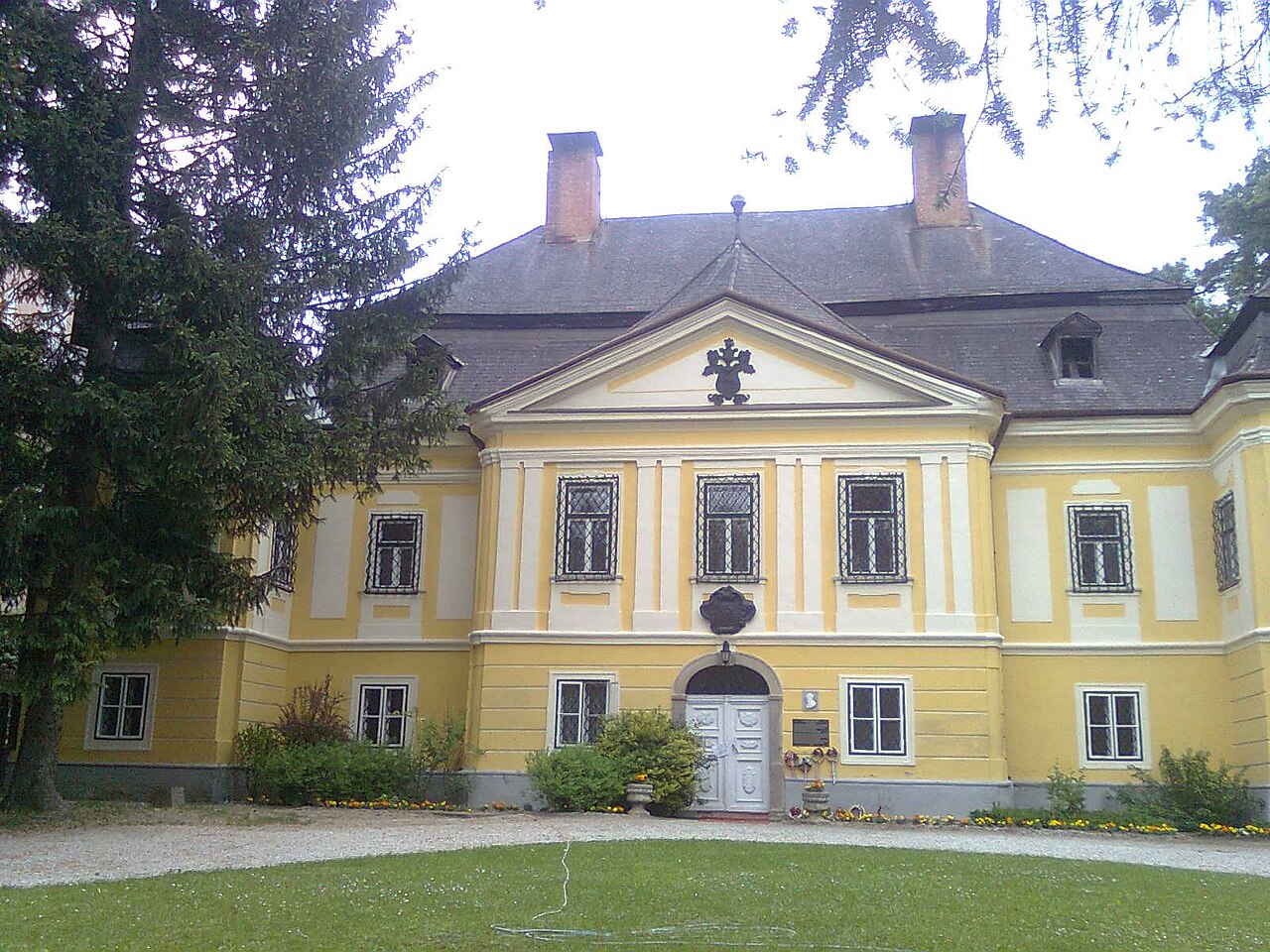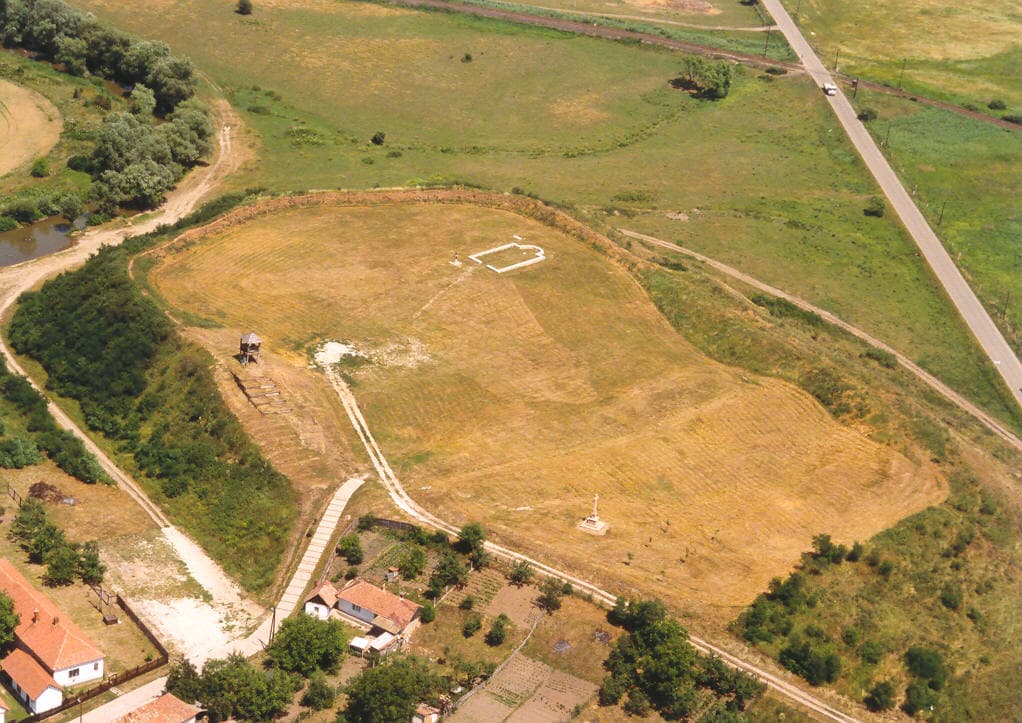
The castle of Borsod is a significant hill castle located in northeastern Hungary. Though the exact city is not documented, the castle's remains sit prominently on a hill, offering strategic views over the surrounding landscape. This elevated position was typical for medieval fortifications, providing defense advantages and control over trade routes and local territories.
Historical background and strategic importance
Constructed during the High Medieval period, the castle of Borsod played a vital role in the defense system of the Kingdom of Hungary. It was part of a network of fortifications designed to protect against invasions and raids, particularly from nomadic groups and rival kingdoms. The castle's location in the historic region of Borsod-Abaúj-Zemplén County underscores its importance in regional power dynamics during the Middle Ages.
Throughout its history, the castle witnessed numerous conflicts and changes in ownership, reflecting the turbulent political landscape of medieval Hungary. It was likely involved in the struggles between Hungarian nobility and external forces such as the Mongol invasions in the 13th century and later Ottoman incursions.
Architectural features and layout
The castle of Borsod was built primarily using local stone, characteristic of hill castles in Hungary. Its design included defensive walls adapted to the natural contours of the hill, maximizing protection while minimizing construction effort. The remains suggest a compact fortress with a central keep or donjon, surrounded by curtain walls and possibly a moat or ditch on the more accessible sides.
Archaeological studies indicate that the castle featured several towers, which served as lookout points and defensive strongholds. The entrance was likely fortified with a gatehouse, providing controlled access to the interior. Inside, the castle would have contained essential facilities such as a great hall, living quarters, storage rooms, and possibly a chapel.
Construction techniques and materials
The builders utilized local limestone and sandstone, common in the region, shaped into blocks for walls and structural elements. Mortar was used to bind stones, and wooden beams supported floors and roofs. The castle's construction reflects typical medieval methods, combining functionality with defensive needs.
Decline and current condition
Like many medieval castles in Hungary, the castle of Borsod fell into decline following the Ottoman wars and changes in military technology that rendered hill castles less strategically viable. Over centuries, it suffered damage from sieges, neglect, and natural decay.
Today, the castle is classified as ruins. The remaining structures provide valuable insight into medieval fortification techniques and regional history. Efforts have been made to preserve the site, allowing visitors to explore its remnants and appreciate its historical significance.
Cultural and heritage significance
The castle of Borsod is a protected cultural monument in Hungary, representing the medieval heritage of the Borsod region. It attracts historians, archaeologists, and tourists interested in Hungary's feudal past and architectural evolution. The site contributes to understanding the defensive strategies employed in Central Europe during the Middle Ages.
Local initiatives often promote the castle as part of heritage trails, combining natural beauty with historical education. Its ruins offer a tangible connection to Hungary's medieval era and the complex history of border defense.
Visiting information
Although the castle is in ruins, it is accessible to the public. Visitors should prepare for a hike to reach the hilltop site, as typical for hill castles. There are no permanent facilities on site, so visitors are advised to bring water and appropriate footwear.
The best time to visit is during late spring through early autumn when weather conditions are favorable. Guided tours may be available through local heritage organizations, providing detailed historical context and architectural insights.
Frequently asked questions (FAQ)
- What is the historical significance of the castle of Borsod?
- The castle of Borsod served as a strategic defensive fortress during the High Medieval period, protecting the Kingdom of Hungary from invasions and controlling regional trade routes.
- Can I visit the castle of Borsod ruins?
- Yes, the castle ruins are accessible to the public. Visitors should be prepared for a hike to reach the hilltop site and bring suitable footwear and water.
- When was the castle of Borsod built?
- The castle was constructed during the High Medieval period, likely in the 13th century, reflecting typical medieval fortification architecture of Hungary.
- What architectural features are notable at the castle of Borsod?
- Notable features include defensive walls adapted to the hill's contours, a central keep or donjon, curtain walls, and several towers used for defense and observation.
- Why is the castle of Borsod in ruins today?
- The castle fell into decline after the Ottoman wars and changes in military technology, leading to its abandonment, damage from sieges, and natural decay over centuries.
Photo gallery

Information
Loading map...
Visitor reviews
No reviews yet. Been here? Write the first review and help other travelers!
Write the first reviewVisited this castle? Share your experience
Your review helps other travelers and adds first-hand knowledge to our encyclopedia.