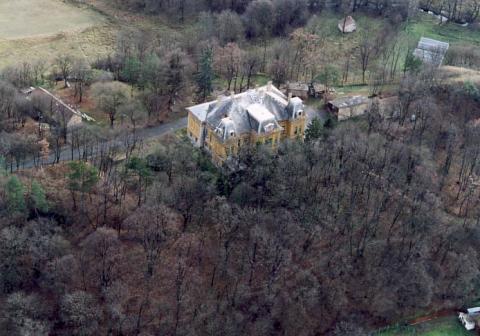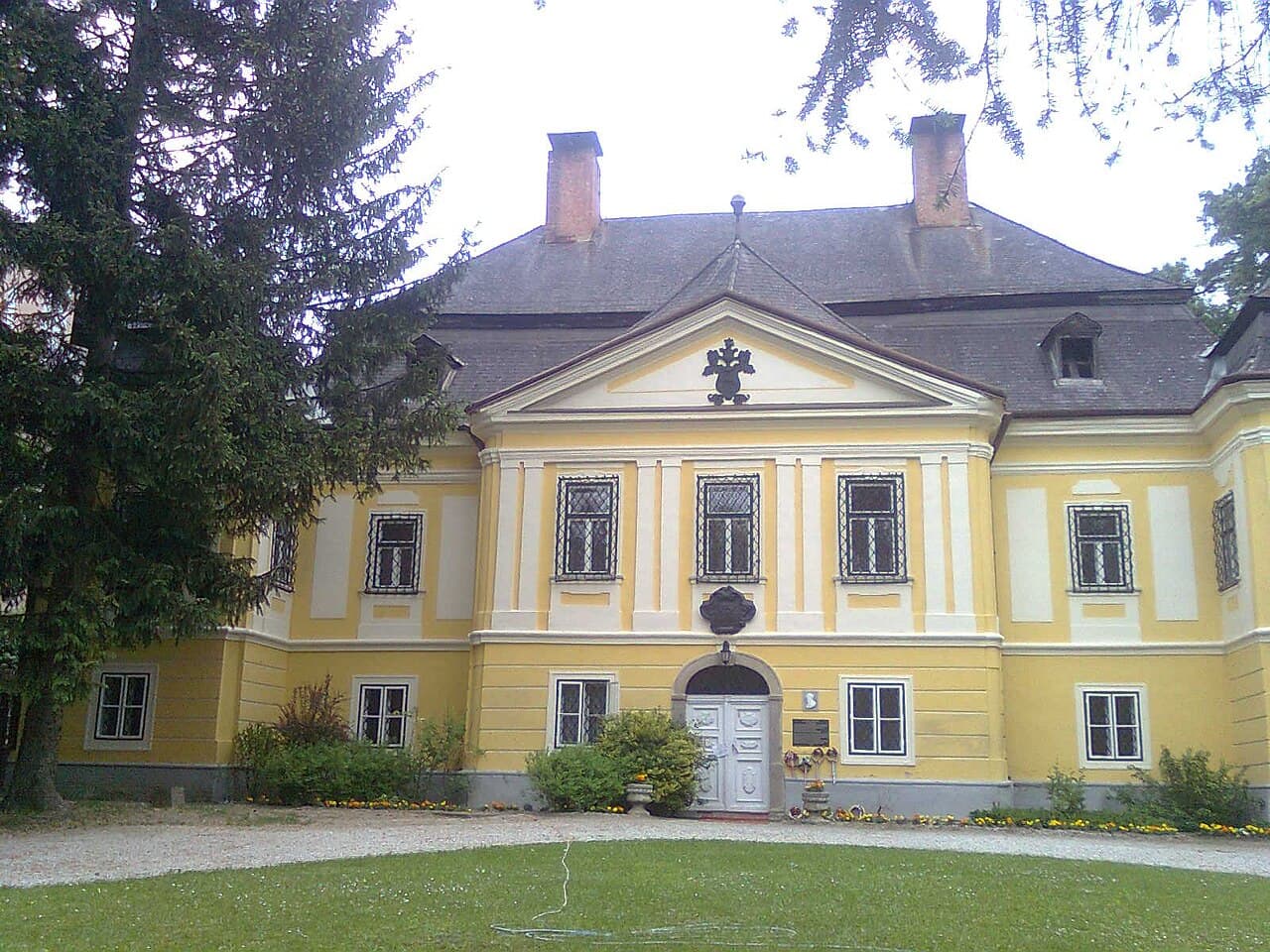
Platthy Mansion is a notable example of an 18th-century post-Renaissance hill castle located in Hungary. Although the exact city of its location remains unspecified, the mansion is recognized for its architectural and historical significance within the region. The mansion reflects the transitional architectural style of the post-Renaissance period, combining elements of classical design with local Hungarian influences.
Historical context and construction
The construction of Platthy Mansion in the 18th century situates it within a period of significant architectural evolution in Hungary. This era followed the Renaissance and was characterized by a blend of late Renaissance and early Baroque elements, although the mansion is primarily classified as post-Renaissance. The mansion was likely built as a noble residence, serving both as a fortified home and a symbol of social status.
During this period, many Hungarian noble families constructed hilltop residences that combined defensive features with the comforts of a manor house. The designation as a hill castle indicates that Platthy Mansion was strategically positioned on elevated terrain, which provided natural defense advantages and commanding views of the surrounding landscape.
Architectural features
The mansion's architecture exhibits characteristics typical of the post-Renaissance style, including symmetrical layouts and classical proportions. While specific details about the mansion's design are limited, hill castles of this period often featured robust stone walls, fortified gates, and towers or bastions adapted to the terrain.
Platthy Mansion likely includes a central courtyard, surrounded by residential wings and defensive walls. The use of local materials and construction techniques would have been common, reflecting regional building traditions. Interiors may have contained richly decorated halls and chambers, designed to display the wealth and cultural refinement of its owners.
Significance and preservation
While detailed records about the mansion's history and current condition are scarce, its classification as a hill castle from the post-Renaissance period underscores its importance as part of Hungary's architectural heritage. Such mansions contribute to understanding the lifestyle and defensive strategies of the Hungarian nobility during the 18th century.
Preservation efforts for similar estates often focus on maintaining structural integrity and restoring original architectural details. Although the current condition of Platthy Mansion is not explicitly documented, hill castles of this era vary widely in preservation status, from well-preserved to partially ruined.
Visiting and cultural context
Information regarding public access, visiting hours, or ticket prices for Platthy Mansion is not readily available. Visitors interested in Hungarian castles and noble residences may find exploring the mansion rewarding for its historical ambiance and architectural features.
The mansion also fits into the broader cultural landscape of Hungary, where many such estates reflect the country's complex history and the legacy of its aristocracy. Exploring these sites offers insight into the social and political dynamics of the region during the post-Renaissance period.
Frequently asked questions (FAQ)
- What is the historical period of Platthy Mansion?
- Platthy Mansion was built in the 18th century during the post-Renaissance period, reflecting architectural transitions of that era.
- Where is Platthy Mansion located?
- Platthy Mansion is located in Hungary, although the exact city is not specified in available records.
- What type of castle is Platthy Mansion?
- It is classified as a hill castle, meaning it is situated on elevated terrain for strategic and defensive advantages.
- Can visitors tour Platthy Mansion?
- There is no readily available information on public access or visiting hours for Platthy Mansion, so potential visitors should seek local guidance.
- What architectural features characterize Platthy Mansion?
- The mansion likely features symmetrical layouts, stone walls, fortified gates, and a central courtyard typical of 18th-century hill castles.
Photo gallery

Information
Loading map...
Visitor reviews
No reviews yet. Been here? Write the first review and help other travelers!
Write the first reviewVisited this castle? Share your experience
Your review helps other travelers and adds first-hand knowledge to our encyclopedia.