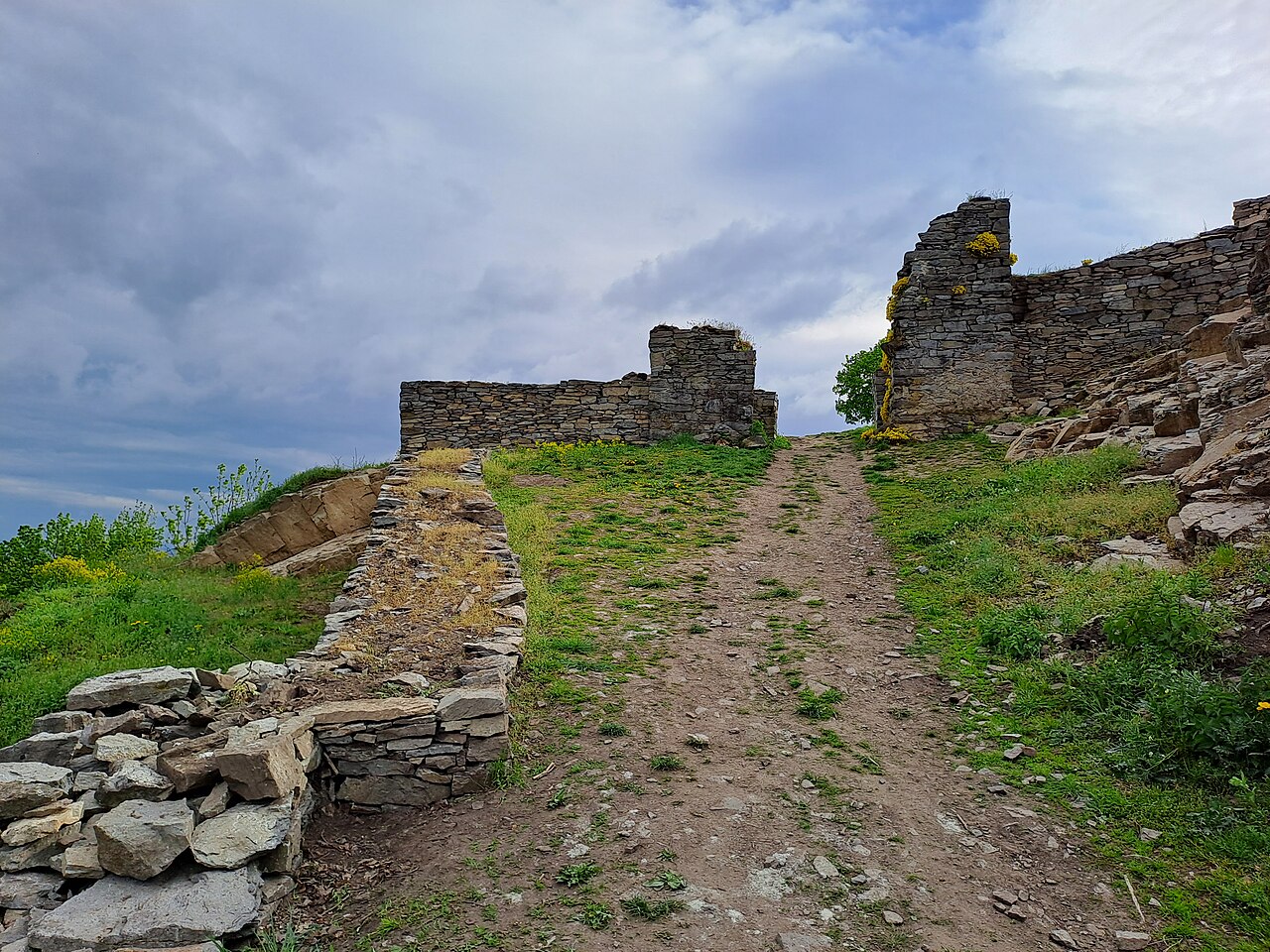
Levín Castle
Levín Castle stands as a notable example of a 13th-century hill castle located above the village of Levín in the Litoměřice district of Czechia. Constructed in the second half of the 13th century, this castle reflects the medieval European practice of building fortified residences for nobility or small defensive strongholds. Although no written records from the castle's active period survive, extensive archaeological research has shed light on its origins, layout, and historical role.
Historical context and construction
Levín Castle was likely established during the High Medieval period, a time when many such fortifications were erected to assert control over strategic locations and protect local populations. Situated on a hill rising to 455 meters above sea level, the castle occupied an oval-shaped footprint that provided natural defensive advantages. Its position approximately 100 meters southwest of the present-day village church suggests a close relationship with the local community and possibly with ecclesiastical authorities.
The castle's construction was probably commissioned by a regional noble family or a feudal lord seeking to secure their territory. The remains of defensive walls on the southern slope and the foundations of a chapel in the northeastern section indicate a complex serving both military and religious functions. This dual purpose was not uncommon in medieval fortifications, where chapels within castle grounds provided spiritual services to inhabitants and visitors.
Architectural features and layout
Archaeological excavations have revealed key elements of the castle's original design. The discovery of defensive walls and two gate locations illustrates the controlled access to the site, which was vital for protection against potential attackers. The castle's oval shape and hillside placement maximized natural defenses, while constructed fortifications enhanced security.
The chapel foundations in the northeastern area suggest the presence of a religious building within the castle complex. This feature supports scholarly interpretations that Levín Castle may have functioned partially as a religious center, possibly associated with a local church or monastic institution. The presence of a cemetery and a parsonage nearby further strengthens this view, indicating that the site’s role evolved over time from a purely military fortress to a spiritual hub.
Access and approach
Excavations uncovered the course of ancient access roads leading to the castle, which would have been crucial for the movement of people, goods, and military forces. The identification of two gate locations provides insight into how the castle was entered and defended. These gates likely featured typical medieval defensive elements such as portcullises and guard towers, although no above-ground remains survive today.
Historical timeline and decline
The castle's period of active use appears to have been relatively brief. By the 14th century, Levín Castle was already in decline or abandoned. The first surviving written mention of Levín dates to 1352, by which time the castle may have been in ruins or no longer occupied. Subsequent records from 1538 refer only to a forested area near a vineyard called "hradiště pod Levínem" ("fortified place below Levín"), indicating that the medieval fortress had disappeared from active use by then.
After abandonment, the site underwent significant changes. Local potters used the hilltop as a dumping ground for defective ceramics, marking a shift from its original defensive and residential functions to a more utilitarian role within the community.
Religious transformation and later use
At the boundary between the Renaissance and Baroque periods, a chapel or church was constructed on the site, continuing its religious significance. Although the dedication of this later building remains unknown, its presence highlights the site's ongoing spiritual importance long after the castle's military functions ceased.
A bell tower was also erected atop the hill, serving as a landmark and religious symbol. This structure reflects the transformation of Levín Castle from a fortified noble residence into a religious center, illustrating the layered history of the location.
Archaeological significance and preservation
Levín Castle was officially recognized as a cultural monument in 1964, underscoring its historical and architectural value. In 2005, following damage to the site, archaeologists conducted a rescue survey that confirmed the existence of fortifications and access routes dating to the late 14th century. These findings have been instrumental in reconstructing the castle’s architectural layout and understanding its role within the region.
Today, the castle remains are classified as archaeological ruins. Although no walls stand at the summit, the surviving fragments of defensive walls, chapel foundations, and the bell tower provide tangible connections to Levín’s medieval past. The site offers valuable insights into the evolution of medieval fortifications and the interplay between military and religious functions in castle complexes.
Levín Castle in the cultural landscape
Located in Czechia, Levín Castle contributes to the rich tapestry of medieval heritage in the region. Its combination of military architecture and religious elements exemplifies the multifunctional nature of many European castles. The castle's hilltop setting offers panoramic views of the surrounding landscape, which would have been strategically important during its period of use.
Visitors today can explore the site’s archaeological features and appreciate the historical layers that reflect centuries of change. Levín Castle stands as a testament to the dynamic history of medieval fortifications and their enduring cultural significance.
Frequently asked questions (FAQ)
- When was Levín Castle built and by whom?
- Levín Castle was constructed in the second half of the 13th century, likely by a local noble family or feudal lord seeking to establish a fortified residence in the region.
- What architectural features remain visible at Levín Castle?
- Today, visitors can see fragments of defensive walls, foundations of a chapel, and the site of two former gates, which together outline the castle's original layout and defensive structures.
- Why was Levín Castle abandoned?
- The castle's active use was relatively brief, with abandonment occurring in the 14th century, possibly due to changes in political or military circumstances that made the fortress obsolete.
- Is Levín Castle accessible to visitors?
- Levín Castle is an archaeological site open to the public, though no standing structures remain. Visitors can explore the hilltop ruins and learn about its historical significance through onsite information.
- What is the significance of the chapel and bell tower at Levín Castle?
- The chapel foundations and later bell tower highlight the site's transformation from a military fortress to a religious center, reflecting its evolving role in the community over several centuries.
Information
Loading map...
Visitor reviews
No reviews yet. Been here? Write the first review and help other travelers!
Write the first reviewVisited this castle? Share your experience
Your review helps other travelers and adds first-hand knowledge to our encyclopedia.