Letychiv Fortress
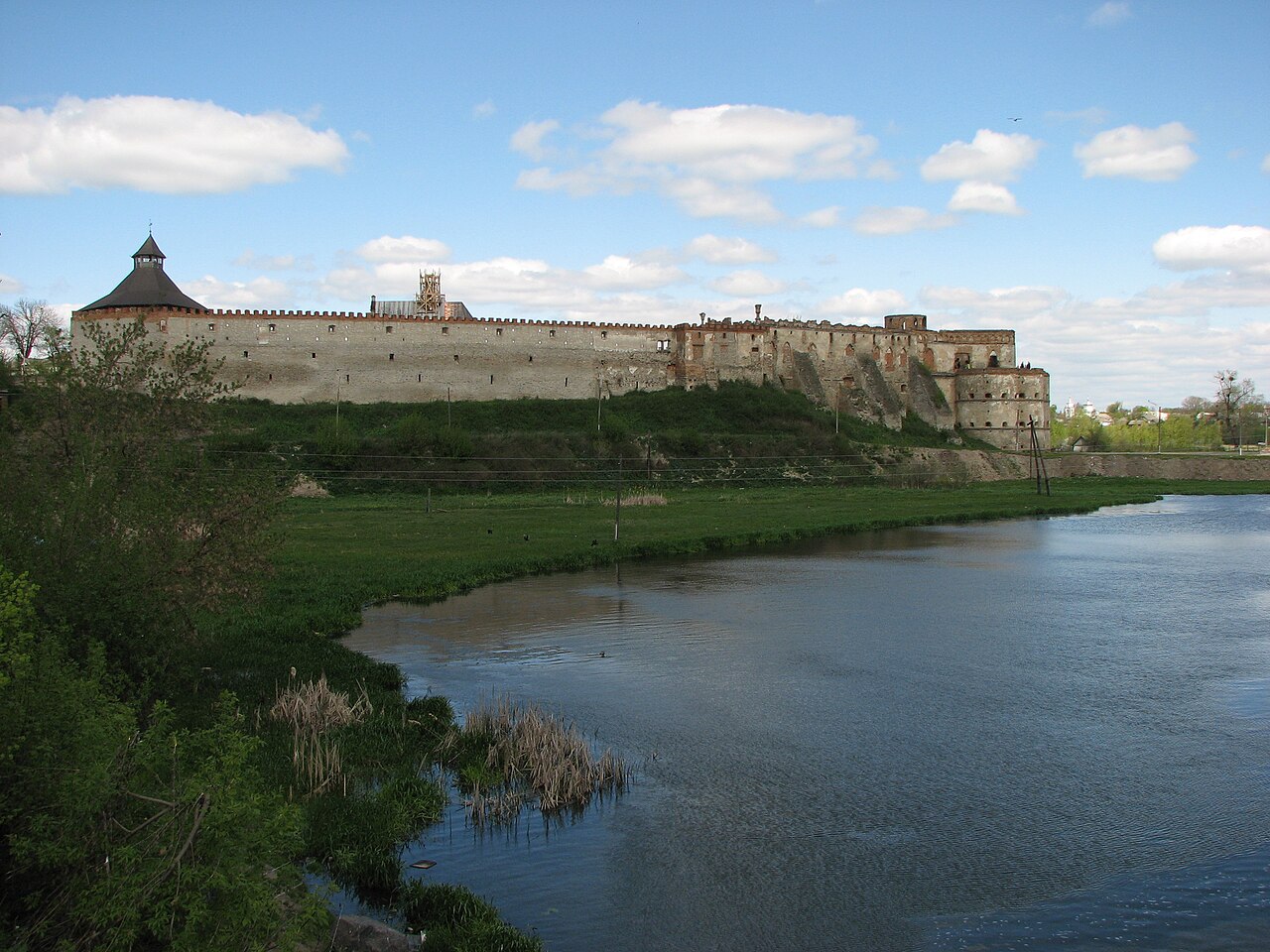
The Letychiv Fortress (Ukrainian: Лети́чівський замок, romanized: Lrtychivs'kyi zamok) stands as a significant example of a Renaissance bastioned fortress constructed in the late 16th century within the historic region of Podolia, Ukraine. Built in 1598 by the nobleman Jan Potocki, its primary purpose was to defend the region from frequent raids by the Crimean Tatars, a persistent threat during this turbulent period of Eastern European history.
Architectural design and defensive features
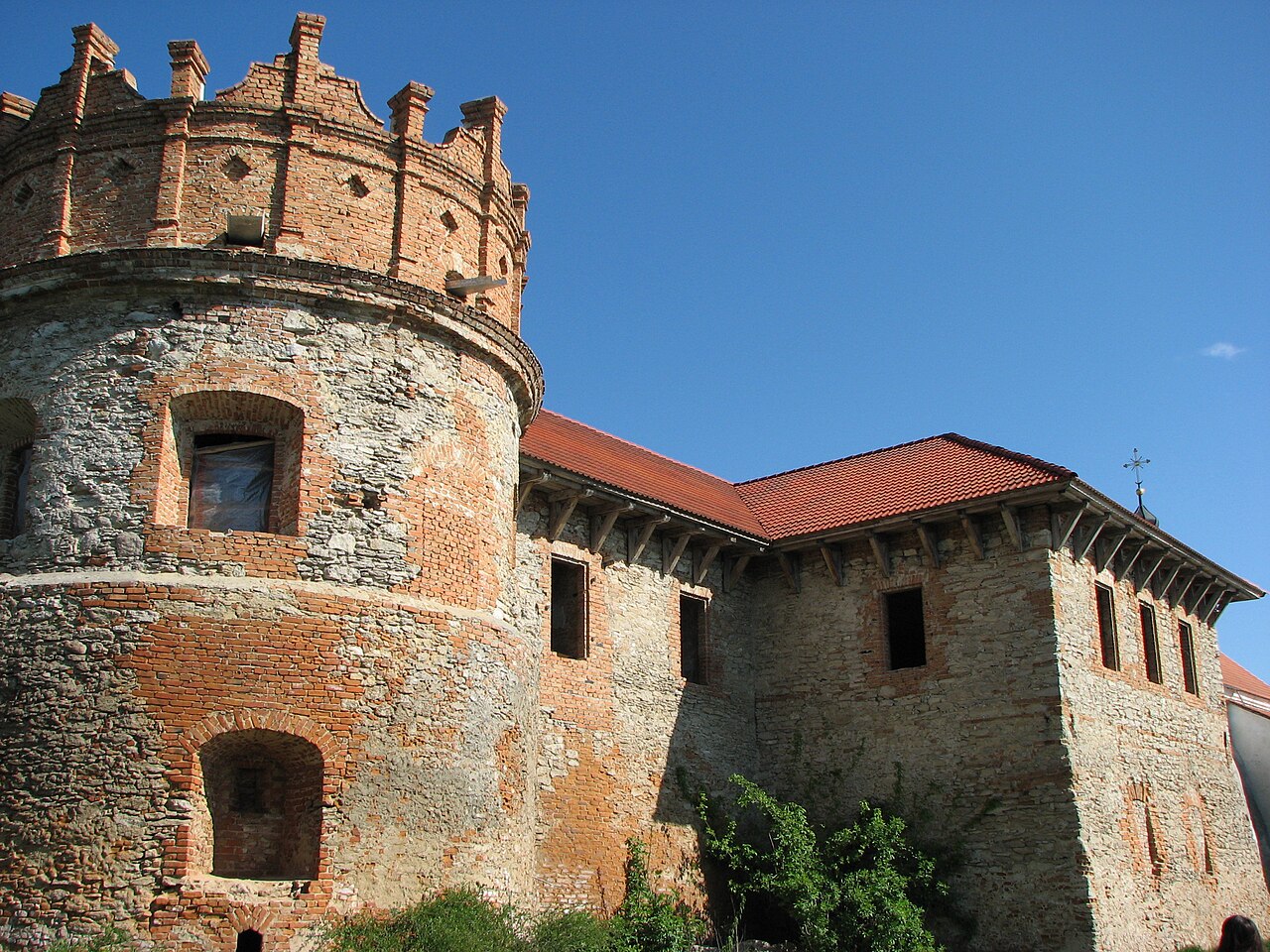
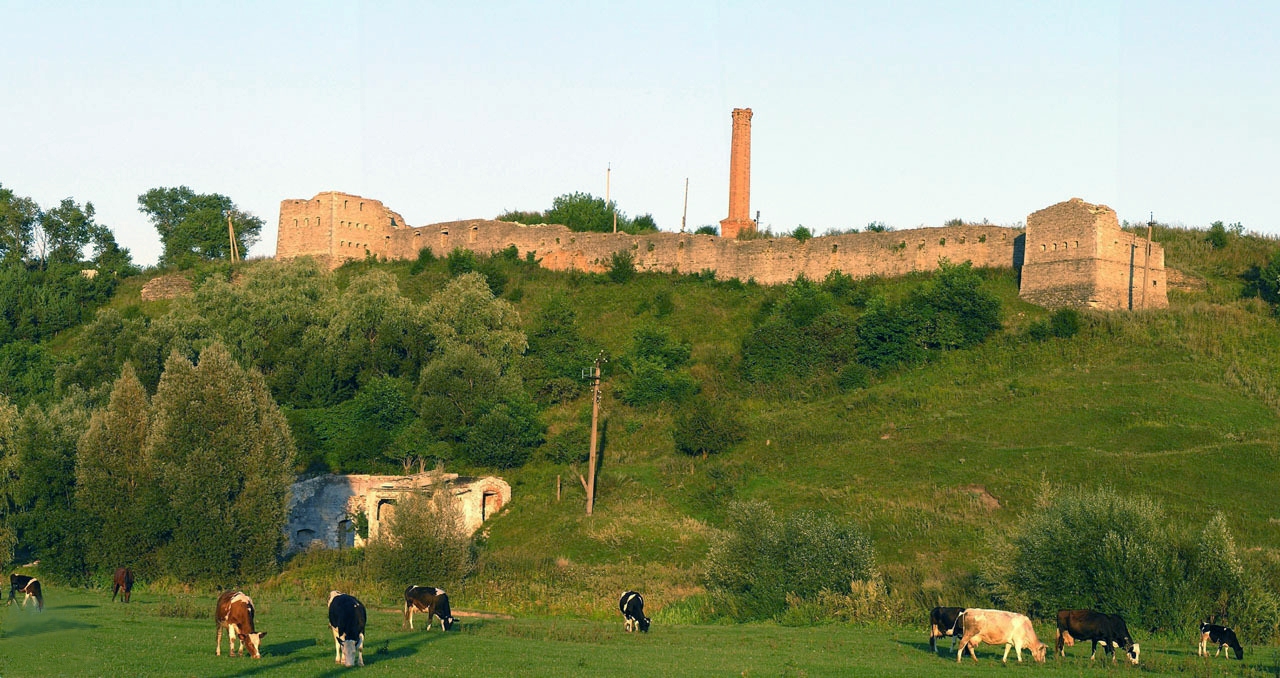
The fortress is characterized by its robust limestone walls forming a bastioned layout, a common military architectural style of the Renaissance period that emphasized angled bastions to deflect cannon fire and provide overlapping fields of defensive fire. The surviving structures include the north-western tower, sections of the eastern wall, and parts of the southern wall. These remnants provide insight into the fortress's original defensive capabilities, including thick walls and fortified towers designed to withstand artillery and infantry assaults.
The bastioned fortress concept
The design of Letychiv Fortress reflects the transition from medieval fortifications to early modern military architecture, where the introduction of gunpowder weaponry necessitated new defensive approaches. The bastions allowed defenders to cover adjacent walls with crossfire, reducing blind spots and enhancing the fortress's resilience against sieges. This style was prevalent in Europe during the 16th century, aligning Letychiv with contemporary military engineering trends.
The baroque church of the Assumption
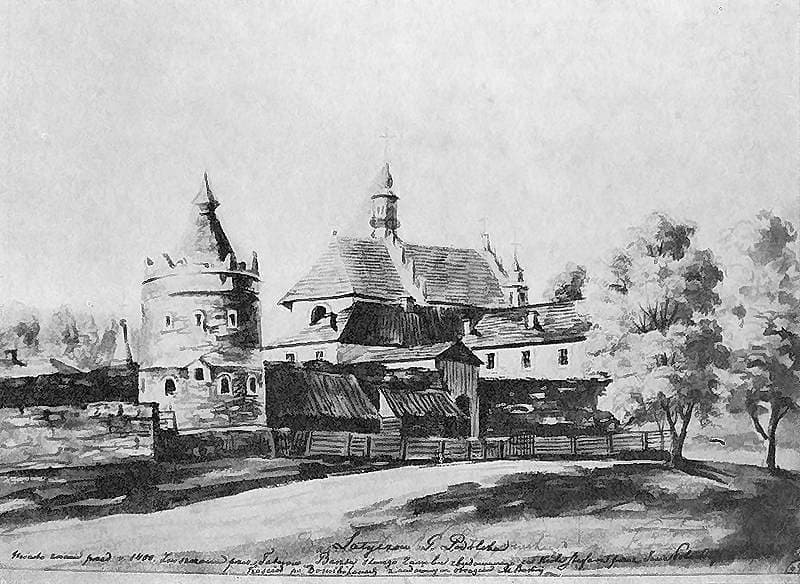
Within the fortress grounds, the Baroque church of the Assumption stands as a notable architectural and cultural landmark. Originally constructed between 1606 and 1638, the church underwent significant rebuilding in 1724, adopting the elaborate and decorative elements typical of the Baroque style. The church's presence within the fortress complex highlights the dual military and religious functions of such sites, serving both as a place of worship and a symbol of local authority and resilience.
Historical significance and later uses
Throughout its history, Letychiv Fortress played a crucial role in the defense of Podolia, a borderland region frequently contested by various powers. Its construction under Jan Potocki was part of broader efforts to fortify the area against incursions. Over time, the fortress witnessed numerous conflicts and changes in control, reflecting the complex political and military history of Ukraine and its neighbors.
In addition to its military role, the fortress grounds include a statue commemorating Ustym Karmaliuk, a famed rebel leader who is buried in Letychiv. Karmaliuk is celebrated for his resistance against serfdom and oppression in the 19th century, adding a layer of social and cultural history to the site.
During World War II, the fortress was repurposed as a slave labor camp, marking a grim chapter in its history. This use underscores the site's continued strategic and symbolic importance well into the 20th century, albeit in a tragic context.
Preservation and current condition
Today, the Letychiv Fortress remains partially preserved, with key structural elements still visible in the town of Letychiv. Efforts to maintain and study the site contribute to understanding Ukraine's military architecture heritage and the historical dynamics of the Podolia region. Visitors can explore the surviving walls and towers, as well as the Baroque church, which continues to attract interest for its architectural and historical value.
Frequently asked questions (FAQ)
- When was Letychiv Fortress built and for what purpose?
- Letychiv Fortress was built in 1598 by Jan Potocki to defend the Podolia region from frequent Crimean Tatar raids.
- What architectural style characterizes Letychiv Fortress?
- The fortress is an example of a Renaissance bastioned fortress, featuring angled bastions designed to improve defense against artillery.
- What remains of the fortress can be seen today?
- Visitors can see the north-western tower, parts of the eastern and southern walls, and the Baroque church of the Assumption within the fortress grounds.
- What is the significance of the Baroque church of the Assumption?
- Built between 1606 and 1638 and rebuilt in 1724, the church represents the religious and cultural importance within the fortress complex.
- What was the fortress used for during World War II?
- During World War II, Letychiv Fortress served as a slave labor camp, marking a dark period in its history.
Photo gallery

Photo by Napoleon Orda•Public domain
Information
Loading map...
Visitor reviews
No reviews yet. Been here? Write the first review and help other travelers!
Write the first reviewVisited this castle? Share your experience
Your review helps other travelers and adds first-hand knowledge to our encyclopedia.