Sataniv Castle — Ukraine castle

Sataniv Castle

Sataniv Castle: a late medieval hill fortress in Ukraine
Late Medieval (14th–15th c.)

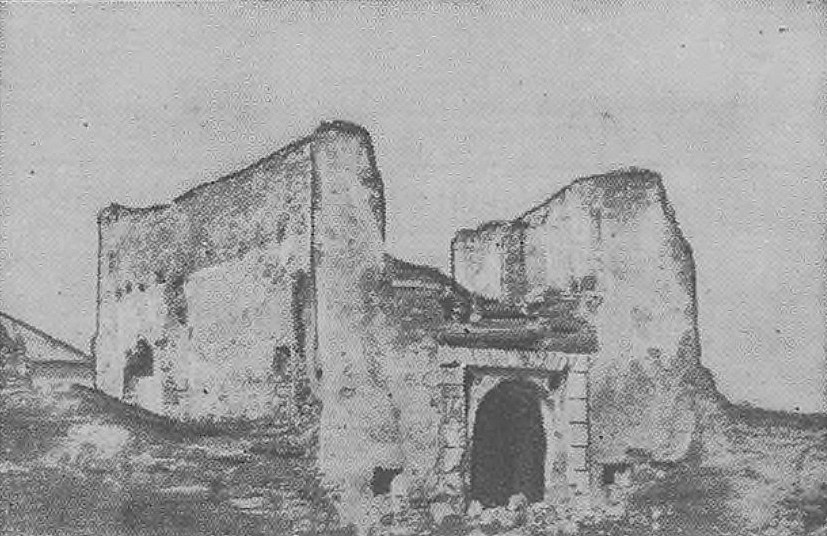
Sataniv Castle (Ukrainian: Сатанівський замок) is a notable late medieval fortress located in the rural settlement of Sataniv, within the Khmelnytskyi Raion of Khmelnytskyi Oblast, Ukraine. This hill castle stands as an important architectural monument of national significance, reflecting the military and strategic architectural practices of the 15th century in Eastern Europe.

Historical context and strategic importance

Constructed in the 15th century, Sataniv Castle was built during a period marked by frequent conflicts and territorial disputes in the region. The castle's location on elevated terrain provided a strategic advantage for defense and surveillance over the surrounding landscape. This was crucial in an era when the borderlands of what is now Ukraine were contested by various powers including the Polish-Lithuanian Commonwealth, the Ottoman Empire, and local Cossack forces.

The castle served as a military stronghold and a refuge for the local population during times of invasion and unrest. Its presence contributed to the control and administration of the surrounding lands, playing a role in regional defense networks.

Architectural features and construction

Sataniv Castle exemplifies typical hill castle architecture of the late medieval period. Built primarily from stone and brick, the fortress features robust defensive walls designed to withstand sieges and artillery attacks common in the 15th century. The castle's layout includes fortified walls with battlements and towers positioned for optimal defense and visibility.

The castle complex likely included a keep or donjon, serving as the last line of defense and residence for the lord or garrison commander. Additionally, the design would have incorporated gatehouses with defensive mechanisms such as portcullises and murder holes to control access.

Although much of the original structure has suffered from the passage of time, the remains still demonstrate the castle's formidable construction and strategic design. The elevated site not only provided defensive benefits but also allowed for control over trade routes and local settlements.

Preservation and current condition

Today, Sataniv Castle is classified as a partially preserved monument. While some sections of the fortress walls and towers remain intact, other parts have fallen into ruin. Efforts have been made to stabilize and conserve the site, recognizing its value as a cultural and historical landmark.

The castle attracts visitors interested in medieval architecture and Ukrainian history. Its status as a national monument ensures ongoing attention from heritage organizations and scholars.

Significance in Ukrainian heritage

Sataniv Castle represents a tangible link to Ukraine's medieval past and the complex history of the region's defense and governance. It illustrates the architectural and military techniques of the late medieval period and provides insight into the social and political dynamics of the time.

As an architectural monument of national significance, the castle contributes to the understanding of regional fortification styles and the historical landscape of Eastern Europe. It remains a subject of study for historians and archaeologists exploring the evolution of castle construction and medieval military strategy.

Frequently asked questions (FAQ)

How do I get to Sataniv Castle?
Sataniv Castle is located in the village of Sataniv, Ukraine, approximately 30 kilometers from the city of Khmelnytskyi. You can reach the castle by car or by using local public transport services that connect Khmelnytskyi with surrounding villages. Be sure to check local schedules for the most convenient options.
What is the historical significance of Sataniv Castle?
Sataniv Castle, built in the 16th century, served as a crucial defensive stronghold against invasions and has a rich history tied to various rulers in the region. It reflects the architectural styles and military strategies of its time, showcasing the importance of fortifications in the historical context of Ukraine. Today, it stands as a symbol of the area’s heritage and resilience.
When was Sataniv Castle built?
Construction of Sataniv Castle began in the late 16th century, with significant modifications made in the following centuries. It was strategically built to protect the area from invaders and has since undergone various restorations to preserve its structure. The castle's historical layers make it a fascinating site for visitors interested in architecture and history.
Can I enter the castle grounds?
Yes, visitors can enter the grounds of Sataniv Castle to explore its impressive architecture and the surrounding landscape. While some areas may be restricted due to preservation efforts, the open areas provide a great opportunity for photography and leisurely walks. Always check for any specific guidelines or restrictions before your visit.
Why is Sataniv Castle a popular tourist destination?
Sataniv Castle attracts visitors due to its stunning architecture, rich history, and picturesque location. The castle's well-preserved ruins offer a glimpse into the past and make it an excellent spot for history enthusiasts and photographers alike. Its proximity to other historical sites in the region further enhances its appeal as a destination.
Is it possible to visit Sataniv Castle year-round?
Yes, Sataniv Castle is generally open to visitors year-round, but the best time to visit is during the spring and early autumn when the weather is milder. During the winter, access may be limited due to weather conditions. It’s advisable to check for local updates regarding accessibility during your planned visit.
What are the opening hours for Sataniv Castle?
Sataniv Castle typically opens to visitors from 9 AM to 6 PM, but hours may vary seasonally or due to special events. It’s best to verify the current opening hours before your visit to ensure you have ample time to explore the site. Local tourist information can provide the latest updates.
Are there any ticket prices for visiting Sataniv Castle?
Entry to Sataniv Castle is usually free, but there may be fees for guided tours or special access to certain areas. Always check local resources for any changes in pricing or potential costs associated with guided experiences. This ensures you have the most accurate information for budget planning.
What nearby attractions should I visit while in Sataniv?
While visiting Sataniv Castle, you can also explore other nearby attractions such as the picturesque village of Sataniv itself and other historical sites in the Khmelnytskyi region. The surrounding natural landscapes provide great opportunities for hiking and photography. Additionally, local eateries offer a taste of Ukrainian cuisine, enhancing your travel experience.

Photo gallery

Sataniv Castle
Click to view

Photo by Petro Vlasenko•CC BY-SA 3.0

1 photo • Click any image to view in full screen

Information

Hill Castle

Loading map...

Visitor reviews

No reviews yet. Been here? Write the first review and help other travelers!

Write the first review

Visited this castle? Share your experience

Your review helps other travelers and adds first-hand knowledge to our encyclopedia.
Write a review

(5/5)

0/2000 characters

Your review will be visible after admin approval

Nearby castles

14.1 km
Lychkivtsi Castle — Ukraine castle

Lychkivtsi Castle

Lychkivtsi, Ukraine

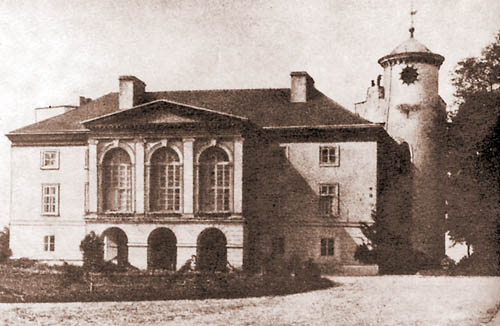
Lychkivtsi Castle, known in Ukrainian as Личковецький замок, is a historic hill castle situated in the village of Lychkivtsi within the Ternopil Oblast of western Ukraine. This fortress was constructed by the noble Kalinowski family, an influential lineage in the region, during the early modern period. The castle's strategic location atop a hill provided natural defensive advantages, typical of many fortifications designed to oversee and control the surrounding landscape.Historical background and constructionThe exact date of Lychkivtsi Castle's construction remains uncertain, but it is generally attributed to the 16th or 17th century, a time when the region was part of the Polish-Lithuanian Commonwealth. The Kalinowski family, known for their military and political roles, established the castle as a fortified residence and defensive stronghold. The castle's primary purpose was to protect the local population and assert control over trade routes and territorial boundaries.Throughout its history, Lychkivtsi Castle witnessed various military conflicts and changes in ownership, reflecting the turbulent history of western Ukraine. The castle's fortifications were adapted over time in response to evolving military technology and threats, including the introduction of artillery.Architectural features and layoutLychkivtsi Castle exemplifies the characteristics of hill castles with its elevated position and defensive structures. The castle complex originally included robust stone walls, towers for surveillance and defense, and a gatehouse controlling access. The walls were likely equipped with battlements and arrow slits, allowing defenders to repel attackers effectively.The castle's internal layout featured residential quarters, storerooms, and possibly a chapel, arranged around a central courtyard. The design balanced defensive needs with the requirements of noble habitation, combining military architecture with elements of Renaissance influence common in the region's noble residences.Defensive adaptationsAs military technology advanced, particularly with the use of cannons, Lychkivtsi Castle underwent modifications to strengthen its defenses. These may have included the thickening of walls, the addition of bastions or earthworks, and the reinforcement of towers. Such adaptations were typical of castles transitioning from medieval fortresses to early modern strongholds.Current condition and cultural significanceToday, Lychkivtsi Castle stands as a partially preserved monument reflecting the architectural and historical heritage of the Ternopil region. While some structures remain intact, others have fallen into ruin due to centuries of neglect and the impact of warfare.The castle is an important cultural landmark for Ukraine, attracting historians, archaeologists, and visitors interested in the region's medieval and early modern history. Efforts to preserve and study the site contribute to a deeper understanding of the area's past and the role of noble families like the Kalinowskis in shaping local history.Visiting Lychkivtsi CastleVisitors to Lychkivtsi Castle can explore the surviving fortifications and enjoy panoramic views of the surrounding countryside. The site offers insight into the defensive strategies and residential life of a noble family during a formative period in Ukrainian history. While facilities may be limited, the castle's historical ambiance provides a compelling experience for those interested in architecture and heritage.

Post-Renaissance (17th–18th c.)
Details
20 km
Husiatyn castle — Ukraine castle

Husiatyn castle

Husiatyn, Ukraine

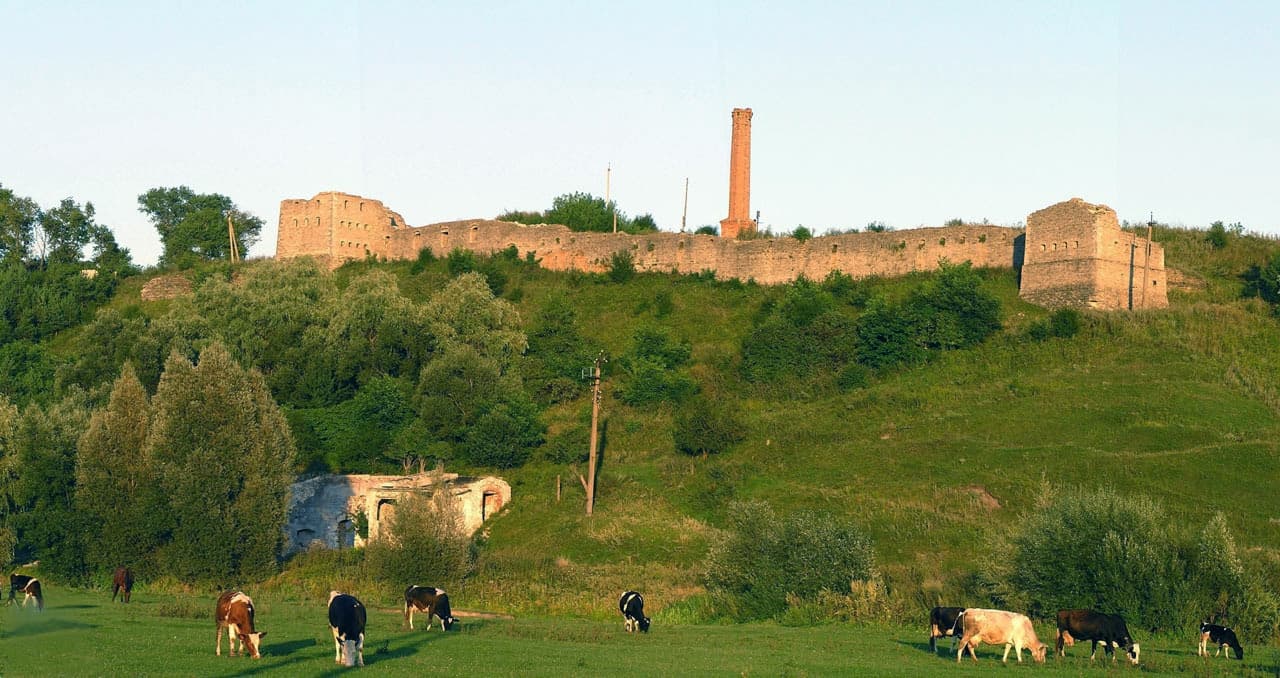
Husiatyn Castle is a significant example of a 17th-century Renaissance hill castle situated in Husiatyn, within the Ternopil Oblast of Ukraine. Built in 1630 on the steep northern bank of the Zbrucz River, the castle occupies a strategic position that provided natural defense advantages. This location allowed it to control river traffic and oversee the surrounding landscape, which was crucial during the turbulent times of its construction. Historical context and construction The castle was constructed during the early decades of the 17th century, a period marked by frequent conflicts in Eastern Europe, including wars involving the Polish-Lithuanian Commonwealth and the Ottoman Empire. Its establishment in 1630 reflects the strategic military and administrative needs of the time, serving both as a fortress and a noble residence. The architectural design of Husiatyn Castle embodies the Renaissance style prevalent in the region during that period, blending defensive features with residential elements. The castle's layout was adapted to the hilltop terrain, utilizing the natural steep slopes to enhance its fortifications. Architectural features Fortifications and defensive structures The castle's fortifications include thick stone walls that follow the contours of the hill, providing robust protection against invaders. The walls were complemented by bastions and towers positioned to cover all approaches, allowing defenders to monitor and repel attacks effectively. Its location on a steep bank of the Zbrucz River added a natural moat-like barrier on one side, reducing the need for extensive artificial water defenses. The castle's entrance was likely fortified with a gatehouse and possibly a drawbridge, typical of Renaissance military architecture, although specific details of these features are limited due to the current condition of the ruins. Residential and functional spaces Within the defensive perimeter, the castle housed residential quarters, storage facilities, and possibly a chapel, reflecting its dual role as a fortress and noble residence. The internal layout would have been organized around a courtyard, providing space for daily activities and gatherings. Later history and current condition Over the centuries, Husiatyn Castle experienced various phases of use, damage, and neglect. It was involved in regional conflicts and changed hands multiple times, which contributed to its gradual deterioration. Today, the castle stands as partially preserved ruins, recognized as an architectural monument of local importance. Efforts to preserve the remaining structures have been undertaken to maintain the site's historical and cultural value. The castle ruins attract visitors interested in the military architecture of the Renaissance period and the rich history of the Ternopil region. Visiting Husiatyn castle The castle is accessible to visitors who can explore the ruins and enjoy views of the Zbrucz River valley. Due to its condition, visitors should exercise caution when navigating the site. The castle's location north of the Husiatyn city center makes it a reachable destination for those interested in Ukrainian heritage and Renaissance military architecture. Frequently asked questions When was Husiatyn Castle built? Husiatyn Castle was constructed in 1630 during the Renaissance period. What type of castle is Husiatyn? It is a hill castle, built on a steep bank overlooking the Zbrucz River. Is Husiatyn Castle open to visitors? Yes, visitors can explore the ruins, but should be cautious due to the site's partial preservation. What architectural style characterizes Husiatyn Castle? The castle reflects Renaissance architectural features common in 17th-century Eastern Europe. Where is Husiatyn Castle located? It is located in Husiatyn, Ternopil Oblast, Ukraine, north of the city center along the Zbrucz River.

Renaissance (15th–17th c.)
Details
20.7 km
Hrymailiv Castle — Ukraine castle

Hrymailiv Castle

Hrymailiv, Ukraine

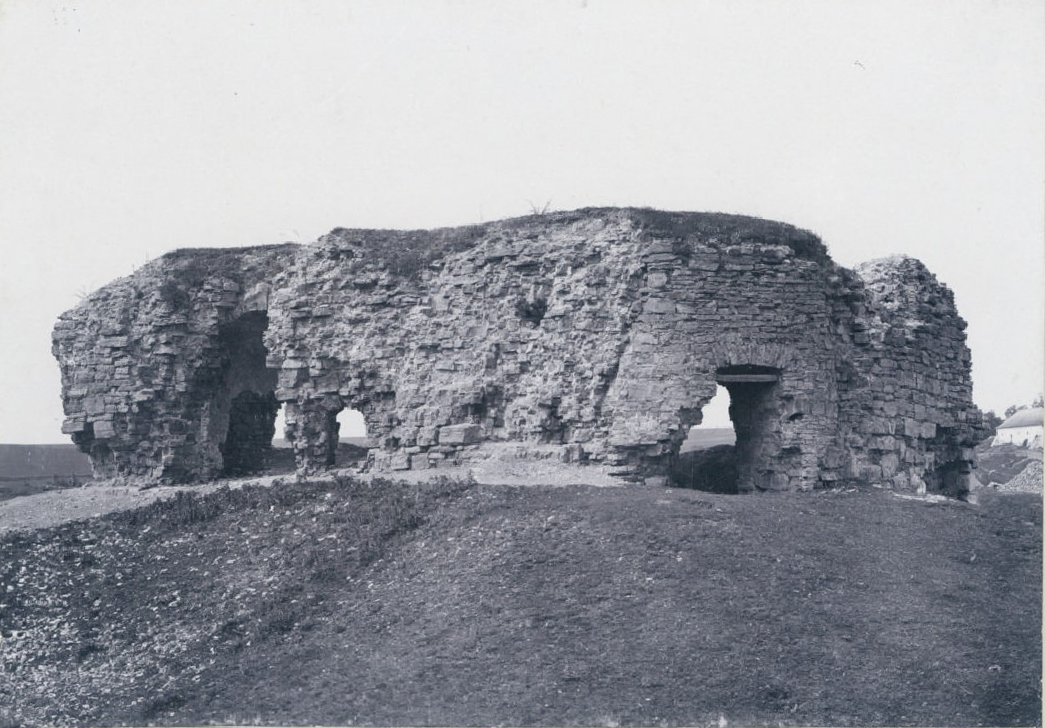
Hrymailiv Castle (Ukrainian: Гримайлівський замок, romanized: Hrymailivs'kyi zamok) is a notable Renaissance hill castle located in the village of Hrymailiv within the Ternopil Oblast of western Ukraine. Constructed in the 17th century, this castle represents an important architectural monument of local significance, reflecting the defensive and residential styles of its period. Historical background and ownership The origins of Hrymailiv Castle trace back to the late 16th century when the estate was under the possession of the Ludzicki family, bearers of the Grzymala coat of arms. This noble family commissioned the construction of the castle as a fortified residence, a common practice among the Polish-Lithuanian Commonwealth nobility to secure their holdings and assert their status. Throughout its history, the castle served both defensive and administrative functions, overseeing the surrounding lands and protecting the local population from incursions. Its strategic location on a hill provided a natural advantage for surveillance and defense. Architectural features and style Hrymailiv Castle exemplifies Renaissance architectural principles adapted to a military hill castle setting. The castle's design integrates both fortification elements and comfortable living quarters, characteristic of noble residences of the era. Key architectural features include thick defensive walls, remnants of towers or bastions that would have allowed for effective defense, and a layout that maximizes the hilltop terrain for protection. The castle likely included a courtyard, residential chambers, and service buildings arranged to support both defense and daily life. While the castle has undergone changes and deterioration over the centuries, surviving elements still reflect the Renaissance influence in masonry techniques and structural organization. Significance in regional history As a local architectural monument, Hrymailiv Castle holds cultural and historical importance for the Ternopil region. It illustrates the patterns of noble landownership and defense in western Ukraine during the early modern period. The castle's presence marks the historical influence of Polish nobility in the area, especially during the time when the region was part of the Polish-Lithuanian Commonwealth. Its endurance through various political changes highlights its role as a symbol of regional heritage. Current condition and preservation Today, Hrymailiv Castle is recognized as a monument of local importance, though it is not fully preserved. The structure exists in a partially preserved state, with some walls and architectural elements remaining visible. Restoration efforts have been limited, and the castle primarily stands as a historical ruin. Visitors to the site can observe the castle's layout and remaining defensive features, offering insight into Renaissance military architecture adapted to the Ukrainian landscape. Visiting information and cultural impact While not a major tourist destination, Hrymailiv Castle attracts visitors interested in Ukrainian history and Renaissance architecture. Its location in the rural setting of Ternopil Oblast makes it accessible for those exploring the region's cultural heritage. The castle contributes to local identity and serves as a point of interest for educational and heritage preservation activities. Efforts to promote awareness of such monuments support the broader appreciation of Ukraine's diverse historical architecture.

Renaissance (15th–17th c.)
Details