Leśna Castle
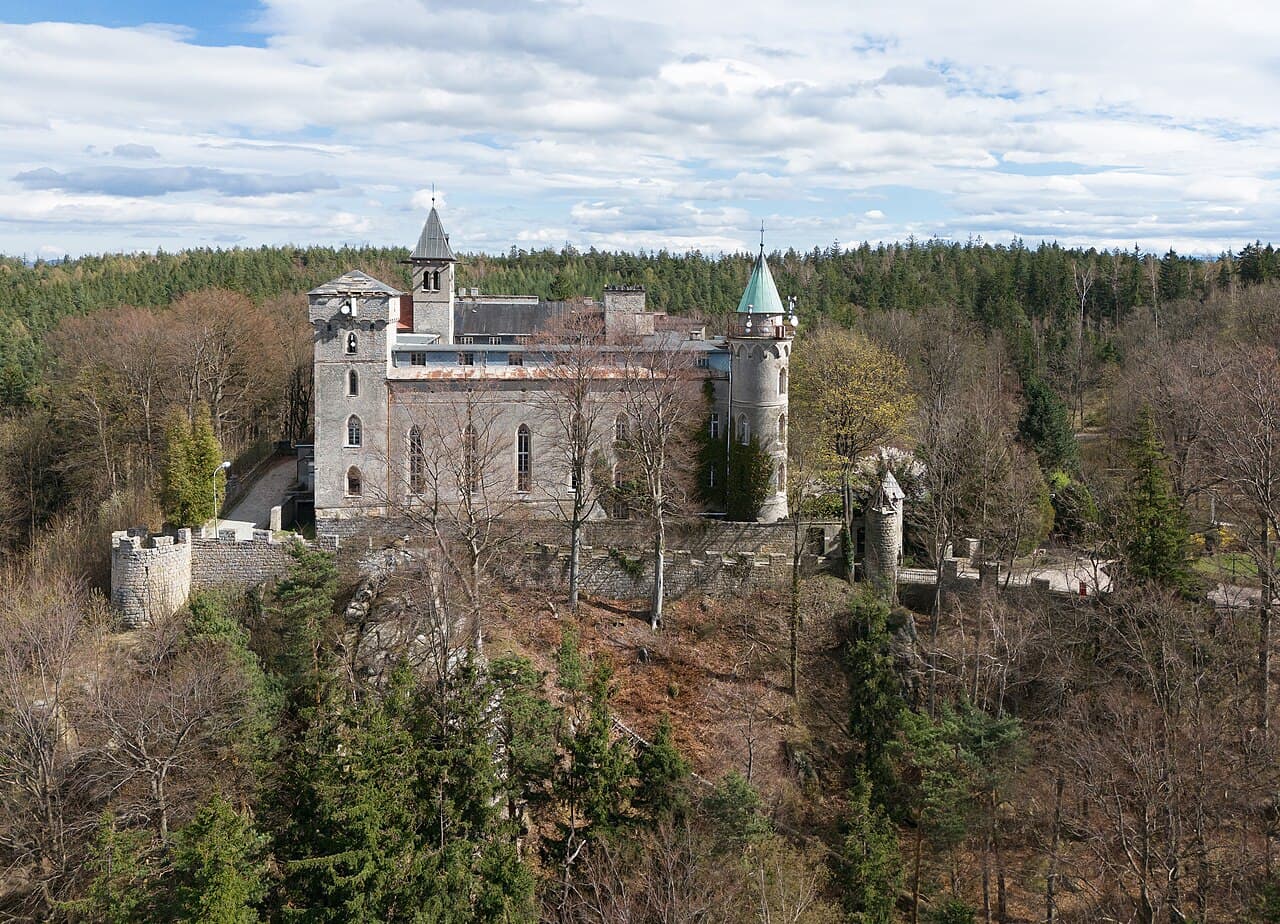
Leśna Castle stands as a remarkable example of 19th-century neogothic architecture, located near the town of Szczytna in southwestern Poland. Constructed between 1831 and 1837 by Count Leopold von Hochberg, a member of the Prussian nobility, the castle was built as a private residence on the site of a former Prussian fortification. Despite its fortress-like appearance, the castle was designed primarily as a residence reflecting the romantic revival of medieval architectural styles rather than a military stronghold.
Situated on Szczytnik Hill, the highest point of a plateau within the Stołowe Mountains, the castle commands strategic views over the Duszniki Depression and the surrounding landscape. This elevated position was historically significant, offering both defensive advantages and scenic vistas.
Historical background and ownership transitions
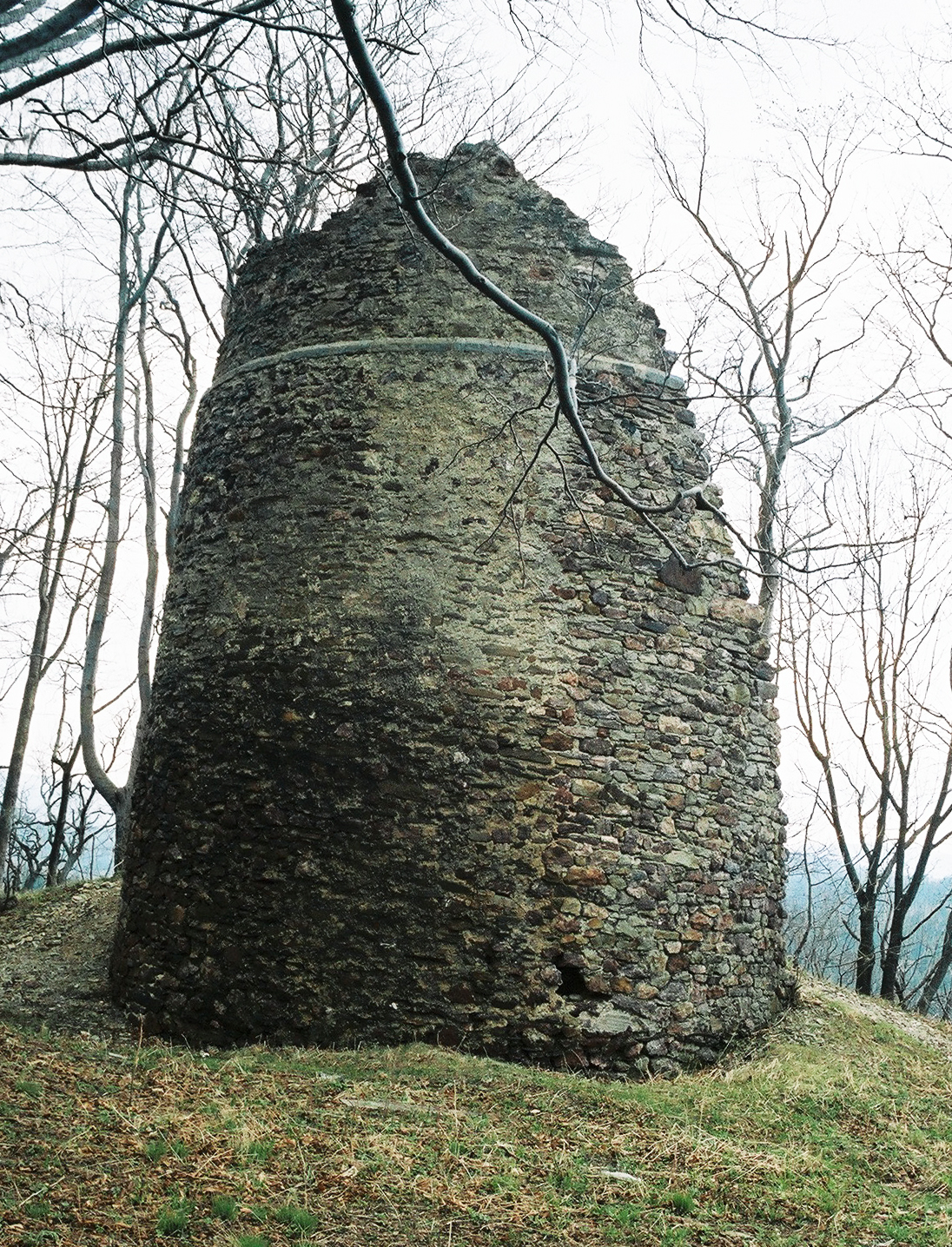
The original fort on the site was established in the late 18th century but was partially dismantled around 1807-1808, likely due to changing military priorities in the region. The new castle constructed by Count Leopold von Hochberg was not intended for defense but as a noble residence embodying the neogothic style popular in the 19th century.
Following Leopold's death in 1843, the property briefly passed to his sister, who sold it shortly thereafter. In 1860, the castle was acquired by the Rohrbach brothers, notable industrialists who owned a glassworks factory in nearby Batorów. Under their ownership, and later that of Helena Klein, the daughter of one of the brothers, the castle underwent significant renovations, including the expansion of living quarters and the addition of a chapel, enhancing its residential and religious functions.
In 1929, the castle was purchased by the Missionaries of the Holy Family, who continued to enlarge the residence and chapel. They also initiated the construction of a Calvary, a devotional path with stations representing the Passion of Christ. However, this project remained unfinished due to the outbreak of World War II.
Role during world war ii and post-war period
During World War II, Leśna Castle was repurposed as a rehabilitation center for elite members of the German Wehrmacht. In the final months of the war, it served as the headquarters for the occupying Red Army in 1945. The post-war period saw the castle looted in the 1950s before being converted into a social care institution for intellectually disabled men, managed by the state.
Ownership was restored to the Missionaries of the Holy Family in 2006 by a government commission, although this transfer was contested by local authorities in Kłodzko County. The care home remained operational until January 2020, after which the castle was opened to visitors, marking a new chapter in its history.
Architectural features and design elements
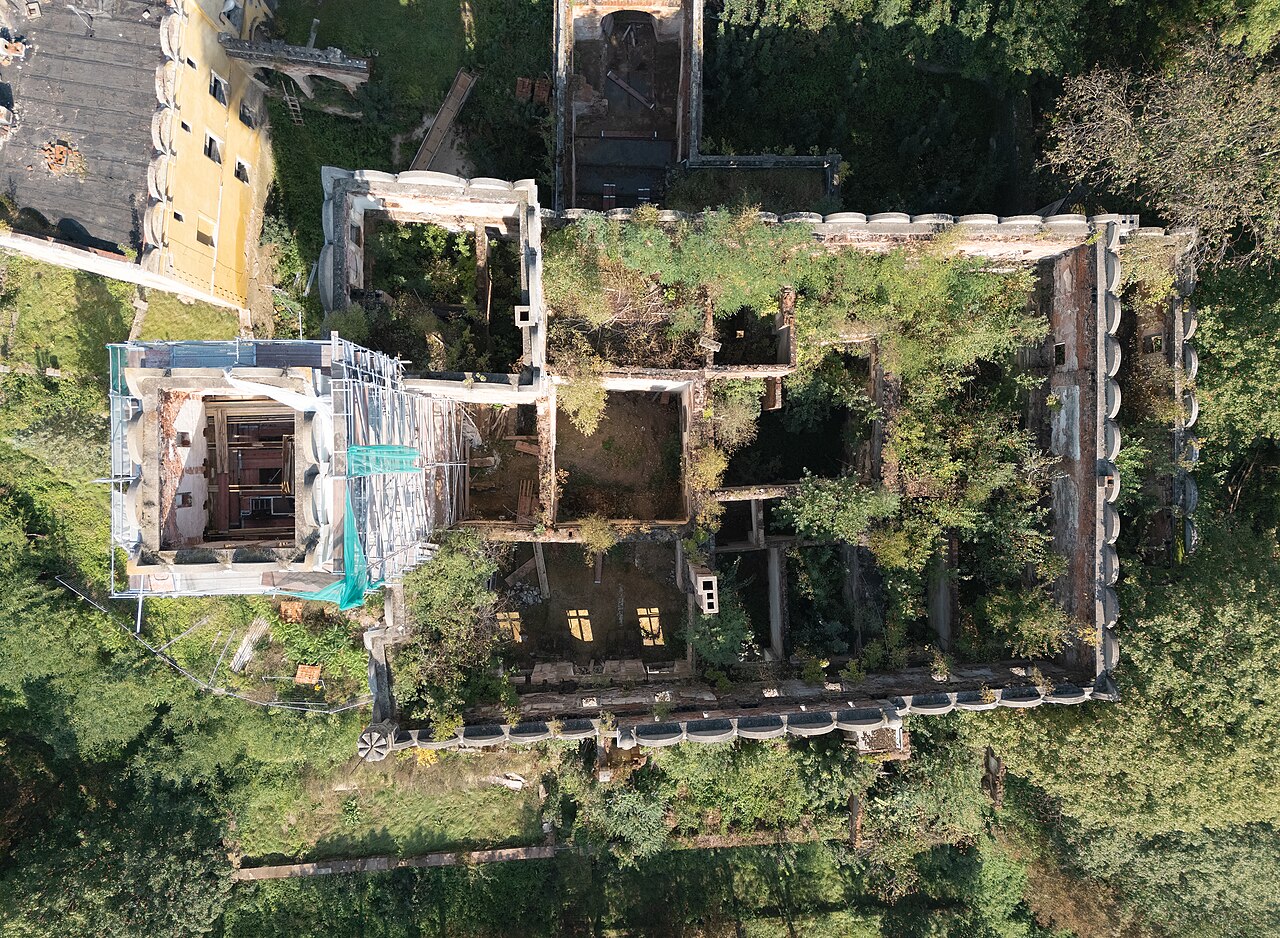
Leśna Castle is a three-story, rectangular building designed in the neogothic style, deliberately evoking medieval fortress architecture. The castle features four corner towers: three with quadrangular bases and one cylindrical tower, contributing to its distinctive silhouette.
The castle was once surrounded by a dry moat and a defensive wall equipped with cannon mounts, emphasizing the romanticized fortress appearance despite its primarily residential function. The main entrance is marked by a gothic-styled stone gate topped by a statue of St. John of Nepomuk, a Czech saint revered for protection against floods and dangers. A Latin inscription beneath the statue appeals for his guardianship over the castle's inhabitants, integrating religious symbolism into the castle’s design.
Inside, the castle houses a knights’ hall that reflects medieval chivalric culture and the Chapel of the Blessed Virgin Mary, Queen of Peace. The chapel is notable for its rare bronze-alloy pipes that function as bells, an uncommon feature in ecclesiastical architecture.
Stone way of the cross and devotional elements
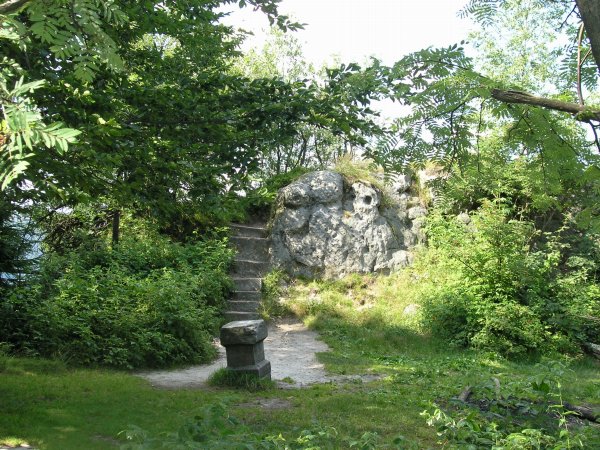
Surrounding the castle are sandstone reliefs carved directly into natural rock formations, forming a stone Way of the Cross. This sequence of devotional stations represents stages of Christ’s journey to crucifixion and is linked to the unfinished Calvary project initiated by the Missionaries of the Holy Family in the early 20th century. These religious elements underscore the castle’s role not only as a residence but also as a site of spiritual significance.
Geographical and cultural significance
Located within the Stołowe Mountains National Park region, Leśna Castle benefits from its proximity to natural landscapes and hiking trails, making it a point of interest for tourists exploring southwestern Poland. Its elevated position on Szczytnik Hill offers panoramic views that have historically been valued for both strategic and aesthetic reasons.
The castle’s neogothic architecture, combined with its layered history—from a noble residence to a military rehabilitation center and religious institution—reflects the complex cultural and political changes in this part of Europe over the past two centuries.
Current status and visitor information
Since its reopening to the public after 2020, Leśna Castle has become accessible for visitors interested in architecture, history, and religious art. The castle’s preservation of neogothic elements and its unique blend of military, residential, and devotional features make it a distinctive heritage site.
Visitors can explore the castle’s exterior towers, the knights’ hall, and the chapel, as well as the surrounding stone Way of the Cross. The site offers insights into 19th-century revivalist architecture and the region’s historical transformations.
Frequently asked questions (FAQ)
- What is the historical significance of Leśna Castle?
- Leśna Castle, located in Szczytna, Poland, dates back to the 19th century and showcases the romantic style of architecture. The castle has served various purposes over the years, including as a residence and a sanatorium, reflecting the region's rich history and cultural heritage.
- When was Leśna Castle built?
- Leśna Castle was constructed between 1889 and 1892. It was designed by architect Karl Friedrich Schinkel and has since become a notable example of the architectural trends of its time.
- Can I visit Leśna Castle year-round?
- Yes, Leśna Castle is open for visitors throughout the year, but it's advisable to check the specific opening hours before planning your visit. Special events and guided tours are often scheduled, especially during the peak tourist season.
- What are the opening hours for Leśna Castle?
- Leśna Castle typically opens at 10 AM and closes at 6 PM during the summer months. However, hours may vary during the off-season, so it’s best to visit the castle's official website for the most accurate information.
- How much do tickets for Leśna Castle cost?
- Tickets for Leśna Castle are reasonably priced, with discounts available for students and seniors. Family packages may also be offered, making it an affordable destination for visitors of all ages.
- Is Leśna Castle accessible for visitors with disabilities?
- Leśna Castle has made efforts to improve accessibility for all visitors, including ramps and designated pathways. However, some areas may still present challenges due to the castle's historical architecture, so it's recommended to contact the staff in advance for assistance.
- What is the best time to visit Leśna Castle?
- The best time to visit Leśna Castle is during the late spring and early autumn when the weather is mild and the surrounding landscapes are in full bloom. These seasons also offer a variety of events and activities, enhancing the overall experience.
- Are there any nearby attractions to visit along with Leśna Castle?
- Yes, there are several attractions near Leśna Castle, including picturesque hiking trails and the scenic landscape of the Sowie Mountains. Additionally, visitors can explore local museums and charming villages that reflect the culture of the region.
Photo gallery

Information
Website
Visit websiteSources & official resources
Verify the information above using these authoritative references.
Loading map...
Visitor reviews
No reviews yet. Been here? Write the first review and help other travelers!
Write the first reviewVisited this castle? Share your experience
Your review helps other travelers and adds first-hand knowledge to our encyclopedia.