Lengberg Castle
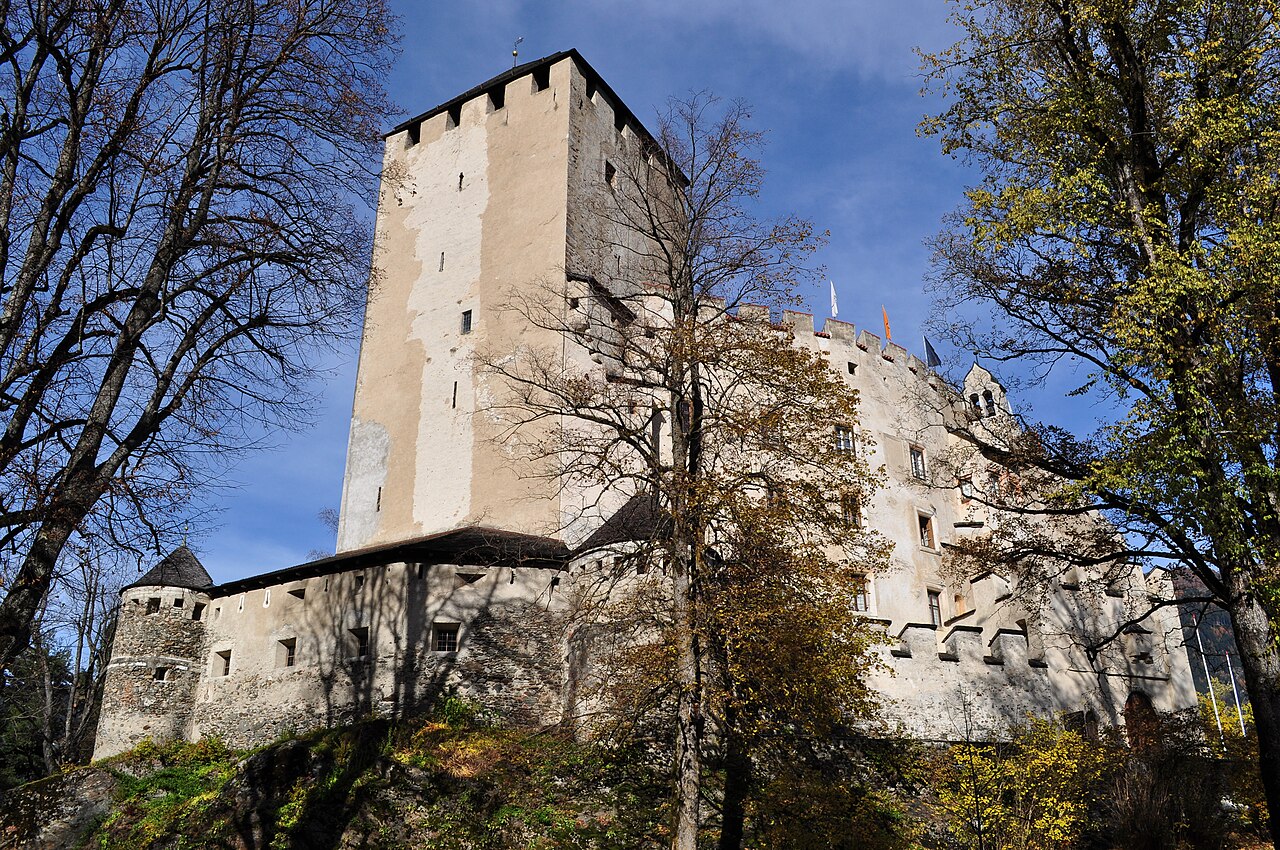
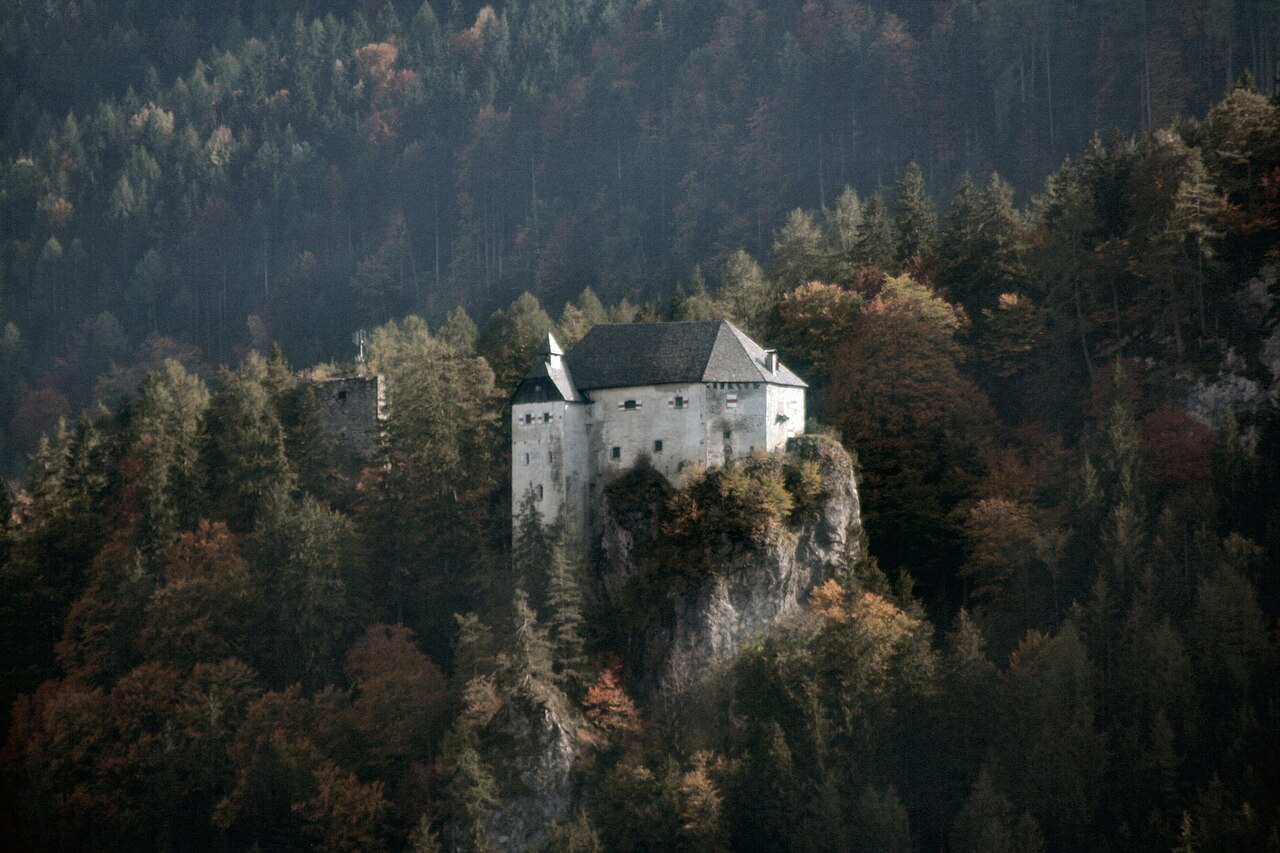
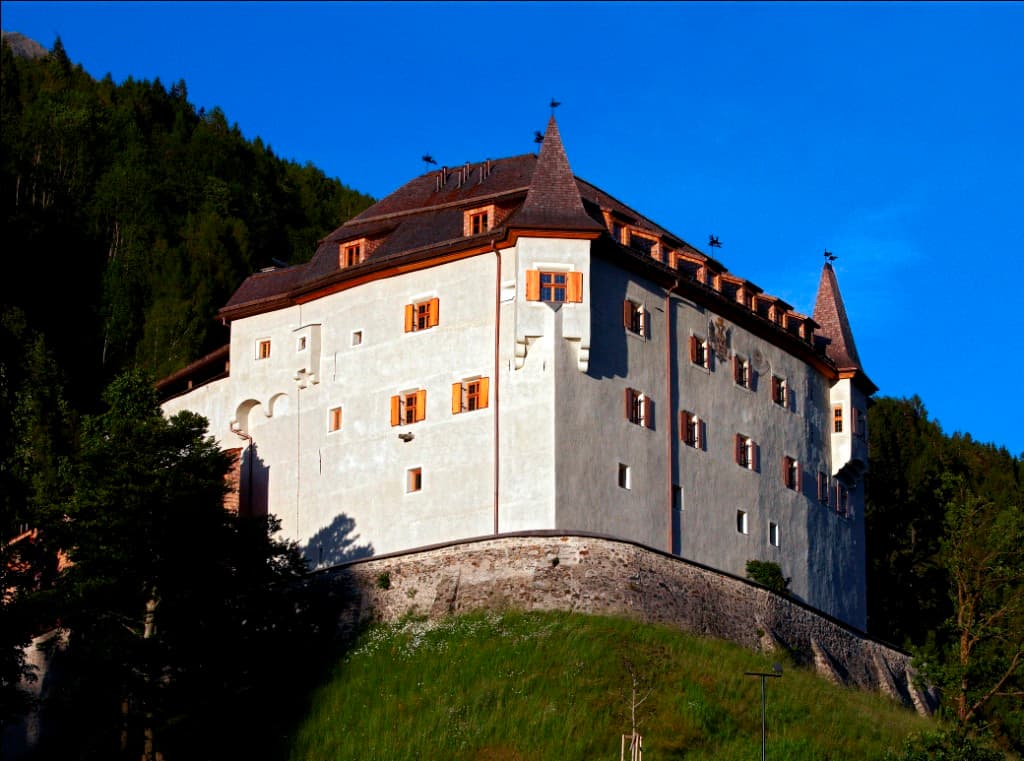
Lengberg Castle is a 12th-century hill castle located near Nikolsdorf in East Tyrol, Austria, approximately 13 kilometres east of the town of Lienz. This castle stands as a significant example of High Medieval fortification architecture in the region, reflecting the strategic importance of the area during the medieval period.
Historical context and strategic location
Constructed in the 12th century, Lengberg Castle was built during a time when the control of mountain passes and trade routes in the Eastern Alps was crucial. Its position on a hilltop provided commanding views over the surrounding valleys, enabling effective surveillance and defense against potential invaders or rival noble families. The castle's location near Nikolsdorf allowed it to oversee and protect the important transit routes connecting Tyrol with neighboring regions.
Architectural features and construction
The castle is classified as a hill castle, characterized by its elevated position which was typical for medieval fortifications aimed at maximizing defensive capabilities. The original construction likely included a robust keep or donjon, surrounded by defensive walls and possibly a moat or ditch to hinder attackers. The surviving structures exhibit High Medieval masonry techniques, with thick stone walls designed to withstand sieges and artillery of the period.
Defensive structures
Lengberg Castle would have featured essential defensive elements such as battlements, arrow slits, and fortified gates. The castle's design focused on controlling access and providing strongholds for defenders. Although much of the original fortification may have been altered or partially lost over the centuries, archaeological studies have revealed the layout and construction methods typical of 12th-century hill castles.
Residential and functional spaces
Within the castle walls, there would have been residential quarters, storage rooms, and halls serving administrative and domestic functions. The living spaces were likely modest but functional, reflecting the dual role of the castle as a military stronghold and noble residence. The castle's rooms might have included a great hall, private chambers, and service areas necessary for sustaining the inhabitants during peacetime and conflict.
Archaeological significance and discoveries
Lengberg Castle has gained attention not only for its medieval architecture but also for important archaeological findings. Excavations have uncovered artifacts that provide insights into the daily life of the castle's inhabitants and the broader historical context of the region. These discoveries include medieval textiles and tools, which have contributed valuable information about the material culture of the High Middle Ages in Tyrol.
Preservation and current condition
The castle remains a partially preserved medieval structure, with some original walls and features still visible. Efforts have been made to maintain and study the site to preserve its historical and cultural significance. While not fully restored, Lengberg Castle offers visitors a glimpse into medieval fortification architecture and the history of East Tyrol during the High Medieval period.
Visiting Lengberg Castle
Visitors to Lengberg Castle can explore the ruins and surrounding landscape, which provide a scenic view of the East Tyrolean Alps. The castle's location makes it accessible for hikers and history enthusiasts interested in medieval architecture and archaeology. While facilities may be limited due to its status as a partially preserved site, the castle remains an important cultural landmark in the region.
Legacy and cultural importance
Lengberg Castle holds a place in the heritage of Tyrol as a representative of medieval defensive architecture and noble residence. Its archaeological finds have contributed to a deeper understanding of medieval life in the Eastern Alps. The castle continues to be a subject of study and interest for historians, archaeologists, and visitors seeking to connect with Austria's medieval past.
Frequently asked questions (FAQ)
- What is the history of Lengberg Castle?
- Lengberg Castle dates back to the late Middle Ages and has a rich history intertwined with the local nobility. Originally built for defense, it has undergone various renovations over the centuries, reflecting different architectural styles and historical influences.
- When is the best time to visit Lengberg Castle?
- The best time to visit Lengberg Castle is during the late spring and early autumn months when the weather is mild and the surrounding landscapes are particularly beautiful. Additionally, these seasons often feature fewer tourists, allowing for a more enjoyable experience.
- What are the opening hours of Lengberg Castle?
- Lengberg Castle is typically open to visitors from April to October, with specific hours varying by day. It is advisable to check the official website or contact the castle administration for the most current opening times before planning your visit.
- Can I access the castle grounds with a wheelchair?
- The accessibility of Lengberg Castle may vary, as some areas may have uneven terrain and historical architecture that can be challenging. However, efforts have been made to improve accessibility, and visitors are encouraged to inquire about specific accommodations before their visit.
- Is there an admission fee to visit Lengberg Castle?
- Yes, there is a small admission fee to enter Lengberg Castle, which helps maintain the site and its facilities. Ticket prices are usually reasonable, and discounts may be available for students, seniors, and families.
- What nearby attractions can I visit while at Lengberg Castle?
- While visiting Lengberg Castle, you can explore the charming village of Nikolsdorf and its scenic landscapes. Additionally, the nearby Lienz, known for its beautiful old town and the stunning Dolomites, offers a perfect complement to your castle visit.
- What architectural styles can be seen at Lengberg Castle?
- Lengberg Castle showcases a blend of Gothic and Renaissance architectural styles, which reflect its historical evolution. Notable features include its imposing towers, well-preserved fortifications, and intricate decorative elements that highlight its noble heritage.
Photo gallery

Information
Loading map...
Visitor reviews
No reviews yet. Been here? Write the first review and help other travelers!
Write the first reviewVisited this castle? Share your experience
Your review helps other travelers and adds first-hand knowledge to our encyclopedia.