Burg Bruck
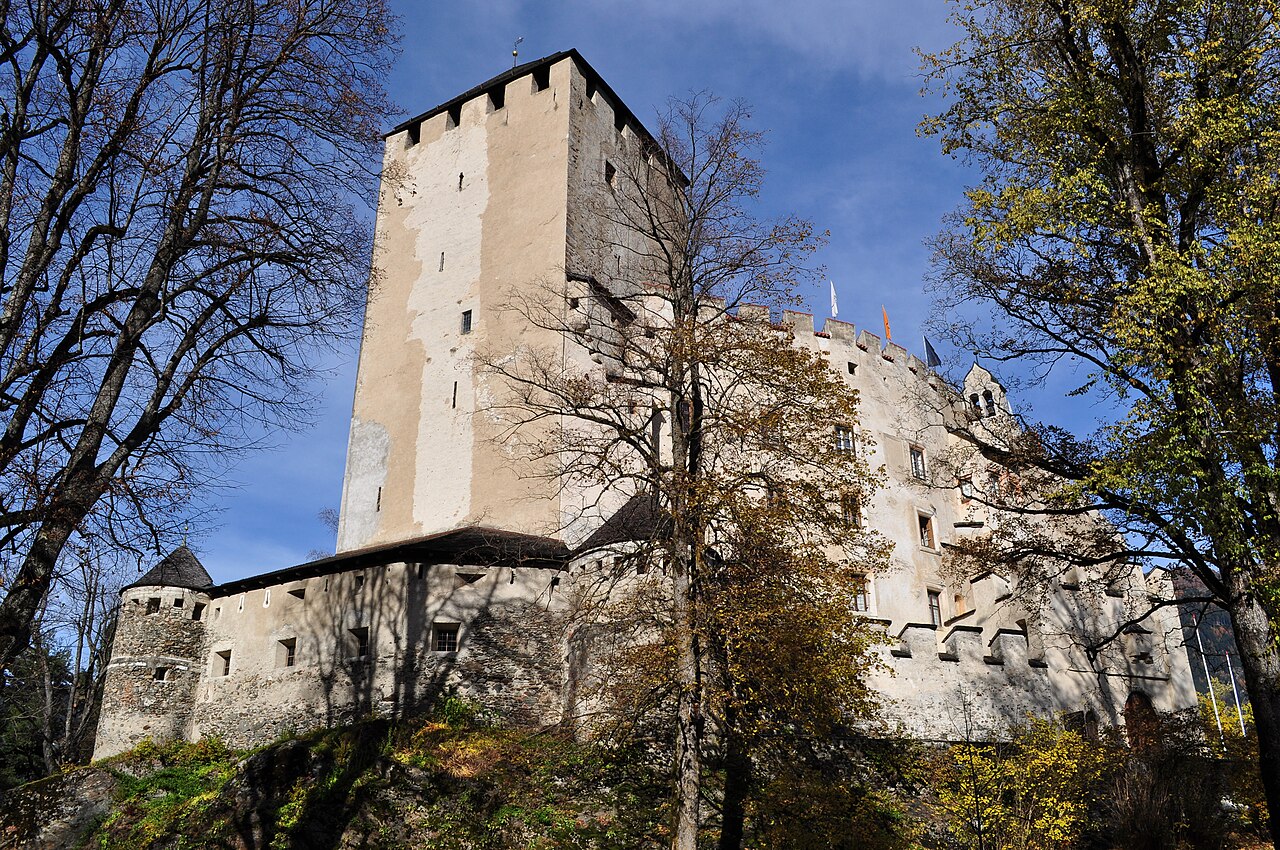
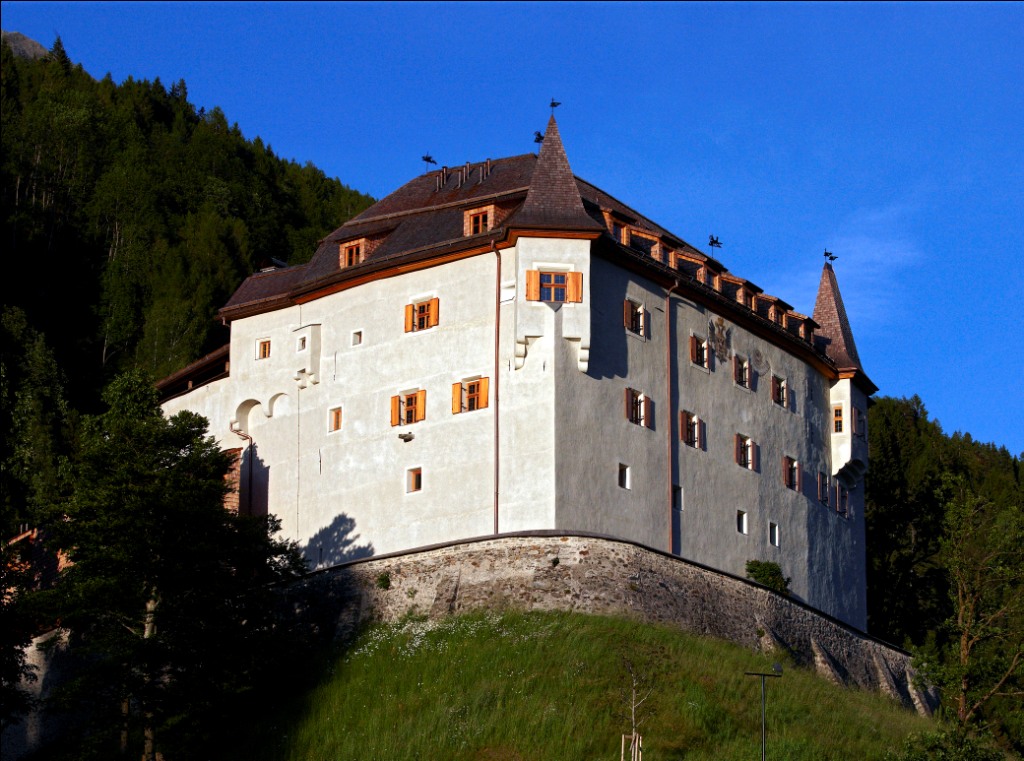
Burg Bruck, located in Lienz in the Tyrol region of Austria, is a remarkable example of a high medieval hill castle dating back to the 13th century. Completed in 1278, it originally served as the fortified residence of the Meinhardiner Counts of Gorz, an influential noble family of the region. The castle's strategic position on a rocky hill overlooking the town of Lienz and the Drava River valley provided both defensive advantages and commanding views of the surrounding landscape.
The castle's architecture reflects the typical features of high medieval fortifications, including robust stone walls, defensive towers, and a well-preserved keep. Its location as a hill castle allowed it to control important trade routes and regional power dynamics during the Middle Ages. Over the centuries, Burg Bruck underwent various modifications but retained much of its original medieval character.
Historical significance and ownership
Burg Bruck was the ancestral seat of the Counts of Gorz, who played a prominent role in the politics and territorial disputes of the Eastern Alps. In 1490, the castle's chapel was richly decorated with exquisite frescoes by the renowned Tyrolean painter Simon von Taisten, adding significant artistic value to the fortress. These frescoes are considered important examples of late medieval religious art in the region.
In the year 1500, the last Count of Gorz, Leonhard, bequeathed Burg Bruck to Archduke Maximilian I of Austria, who was a key figure in consolidating Habsburg power in Tyrol. Under Habsburg rule, the castle became part of the wider defensive and administrative network of the Tyrolean possessions, reflecting its continued strategic importance.
Architectural features and artistic heritage
The castle complex includes a fortified courtyard, a prominent keep, and residential buildings arranged around a central courtyard. The chapel stands out as a highlight, with its late 15th-century frescoes depicting biblical scenes and saints, showcasing the artistic style of the period and the religious devotion of the castle's inhabitants.
The castle's defensive structures include thick curtain walls, battlements, and narrow arrow slits designed for archers, illustrating the military architecture of the high medieval period. The preservation of these features provides valuable insight into castle construction techniques and defensive strategies of the time.
Role during the French Revolutionary Wars
During the 1796 campaigns of the French Revolutionary Wars, Burg Bruck was occupied by French troops. This military occupation underscores the castle's ongoing strategic relevance even into the late 18th century, as European powers contested control over the Alpine regions.
Modern use and museum
Today, Burg Bruck is well preserved and functions as a museum dedicated to the life and works of the notable Austrian painter Albin Egger-Lienz, who was born in the region. The museum houses an extensive collection of his paintings, sketches, and personal artifacts, making the castle a cultural landmark and a center for art appreciation.
Visitors to Burg Bruck can explore the castle's historic halls, the chapel with its remarkable frescoes, and the exhibition spaces showcasing Egger-Lienz's artistic legacy. The castle's location offers picturesque views of Lienz and the surrounding mountains, enhancing its appeal as a tourist destination.
Visiting information and accessibility
Burg Bruck is accessible to the public with guided tours available during the tourist season. The castle's preservation and museum facilities provide educational opportunities for visitors interested in medieval architecture, Tyrolean history, and Austrian art. Its proximity to the town center of Lienz makes it an easy destination for travelers exploring the Tyrol region.
Frequently asked questions (FAQ)
- How do I get to Burg Bruck?
- Burg Bruck is located in Lienz, Austria, and is easily accessible by car or public transport. If you are traveling by train, the Lienz train station is just a short walk away from the castle.
- What is the historical significance of Burg Bruck?
- Burg Bruck dates back to the 12th century and played a crucial role in the defense of the region against invasions. It has been a symbol of Lienz's rich history and has served various functions over the centuries, including as a noble residence and a military fortress.
- When was Burg Bruck last renovated?
- Burg Bruck underwent significant renovations in the early 2000s, which helped preserve its architecture and enhance visitor experience. These renovations aimed to maintain the castle's historical integrity while making it accessible to the public.
- Can I take guided tours of Burg Bruck?
- Yes, guided tours are available at Burg Bruck, offering visitors a deeper insight into its history and architecture. These tours are led by knowledgeable guides who can provide fascinating details about the castle's past and its significance in Austrian history.
- Why is Burg Bruck a popular tourist attraction?
- Burg Bruck is popular due to its stunning medieval architecture, picturesque location overlooking Lienz, and its rich historical background. Visitors are drawn to its beautiful grounds, panoramic views, and the opportunity to learn about the local heritage.
- Is it possible to host events at Burg Bruck?
- Yes, Burg Bruck offers facilities for hosting private events, including weddings and corporate gatherings. The unique ambiance of the castle provides a memorable setting for any special occasion.
- What are the opening hours for Burg Bruck?
- Burg Bruck is typically open to the public from April to October, with specific hours varying by season. It is advisable to check the official website for the most current opening times before planning your visit.
- What are the ticket prices for visiting Burg Bruck?
- Ticket prices for Burg Bruck are quite reasonable, with discounts available for students, seniors, and families. Children under a certain age may enter for free, making it an affordable outing for all ages.
- What is the best time to visit Burg Bruck?
- The best time to visit Burg Bruck is during the spring and early autumn when the weather is mild, and the surrounding scenery is particularly beautiful. Additionally, visiting during weekdays can help you avoid larger crowds.
- Are there any nearby attractions to explore after visiting Burg Bruck?
- Yes, after exploring Burg Bruck, visitors can enjoy nearby attractions such as the Lienz old town, the Dolomites, and various hiking trails. The region is rich in natural beauty and cultural sites, making it a perfect area for further exploration.
Information
Website
Visit websiteSources & official resources
Verify the information above using these authoritative references.
Loading map...
Visitor reviews
No reviews yet. Been here? Write the first review and help other travelers!
Write the first reviewVisited this castle? Share your experience
Your review helps other travelers and adds first-hand knowledge to our encyclopedia.