Lemiers Castle
Lemiers Castle is a notable hill castle located in Vaals, Netherlands, with origins tracing back to the 12th century. The current structure was largely built in the 15th century on the site of an earlier medieval fortress. This earlier castle's legacy is preserved in the vaulted cellars that remain beneath the present building, providing a tangible connection to its medieval past.
Historical development and architectural evolution
The castle underwent significant enlargement in 1640, reflecting changes in architectural style and defensive needs during the late medieval and early modern periods. The expansion likely included the addition of residential and administrative spaces, adapting the castle to the evolving functions of noble residences beyond purely military purposes.
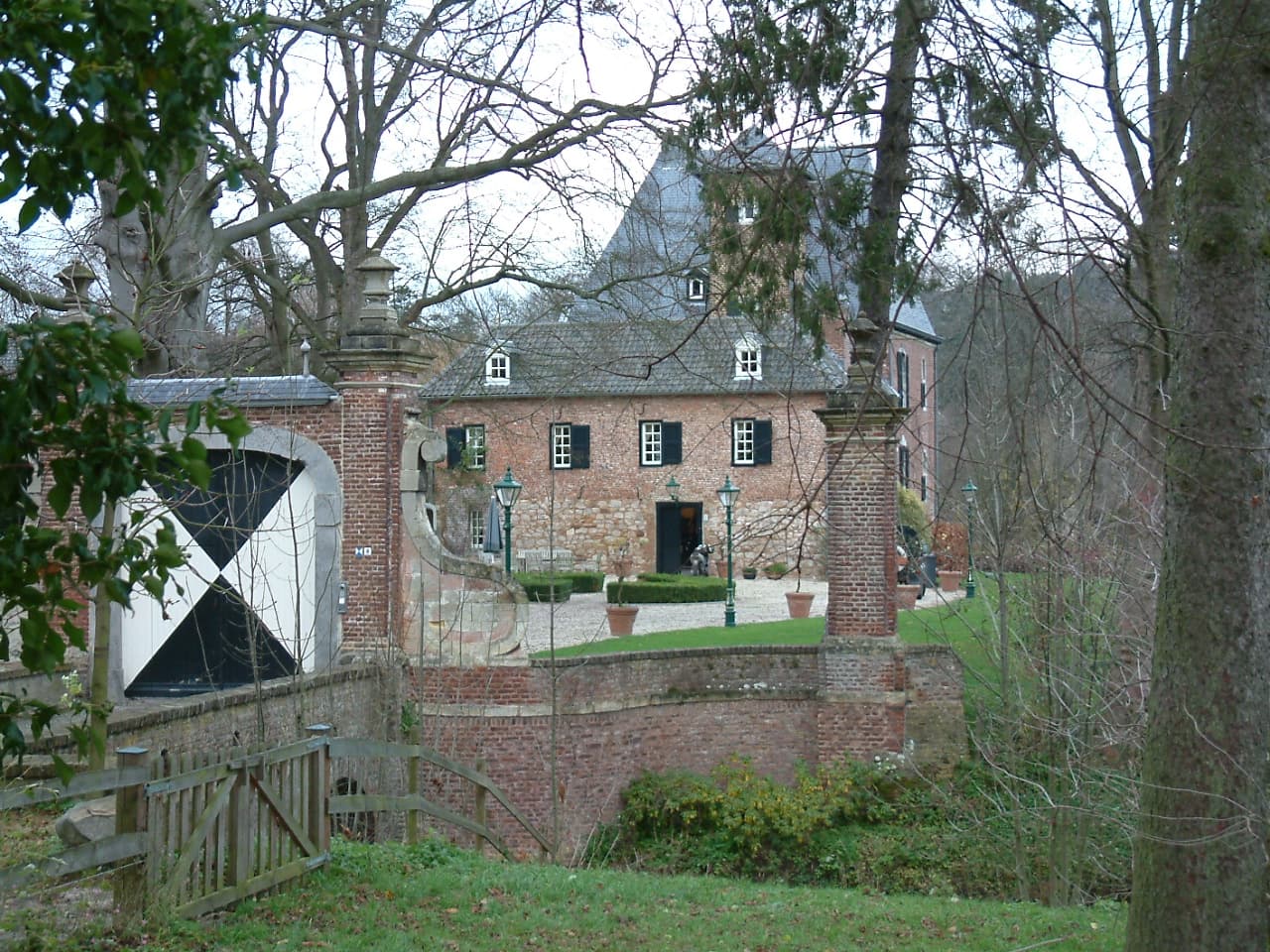
Further modifications were made in the 18th century, notably the construction of the gate and bridge in 1774. These elements illustrate the castle's continued importance and adaptation through the centuries, blending functional defensive architecture with more aesthetic and ceremonial features typical of the period.
Architectural features and layout
Lemiers Castle is characterized by its strategic placement on a hill, which provided natural defense advantages. The surviving vaulted cellars are an important architectural feature, showcasing medieval construction techniques with their robust stone vaulting designed for storage and protection.
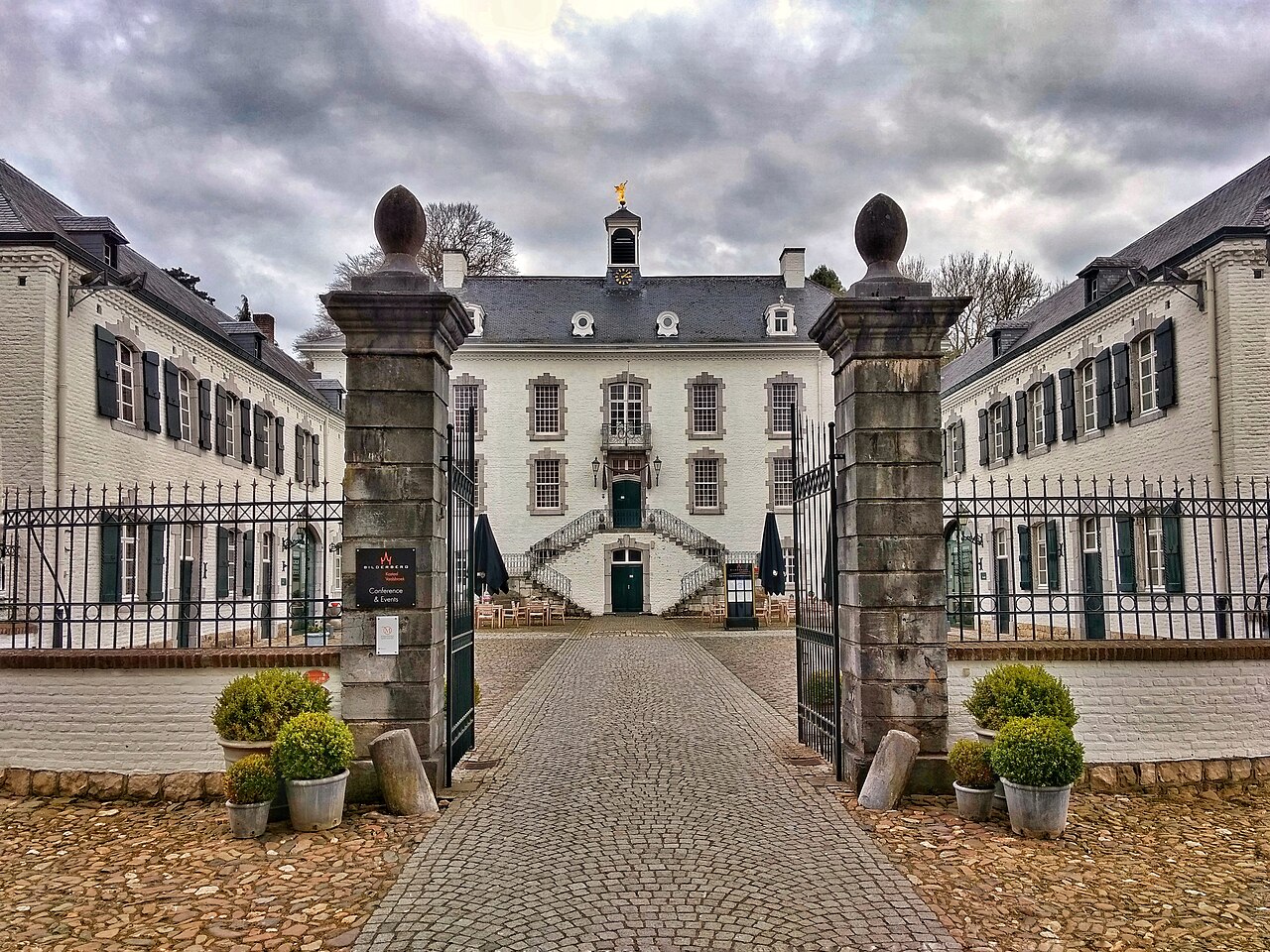
The gatehouse and bridge from the late 18th century serve as prominent entrance features, likely replacing earlier medieval gateways. These structures combine practical defensive functions with the stylistic influences of their time, possibly including classical architectural elements common in the 1700s.
Context and significance
Situated near the Dutch-German border, Lemiers Castle occupies a historically strategic location. Its development over centuries reflects the shifting political and military landscape of the region. The castle's preservation of elements from the 12th, 15th, and 18th centuries makes it a valuable site for understanding the architectural and historical transitions from the medieval to early modern eras in the Netherlands.
Current state and preservation
Today, the castle retains much of its historical fabric, with the vaulted cellars and the 18th-century gate and bridge being key surviving elements. While detailed information on the castle's current condition is limited, these features indicate a partially preserved state that continues to offer insights into its layered history.
Frequently asked questions (FAQ)
- When was Lemiers Castle originally built and what remains of the earliest structure?
- Lemiers Castle was originally built in the 15th century on the site of a 12th-century predecessor. The vaulted cellars from the earlier castle still remain today.
- What significant changes were made to Lemiers Castle in the 17th and 18th centuries?
- The castle was enlarged in 1640, and the gate and bridge were constructed in 1774, reflecting architectural and functional updates over time.
- What type of castle is Lemiers Castle and where is it located?
- Lemiers Castle is a hill castle located in Vaals, in the Limburg region of the Netherlands, near the Dutch-German border.
- What are the notable architectural features of Lemiers Castle?
- Notable features include the medieval vaulted cellars, the 18th-century gatehouse, and the bridge, which combine defensive and aesthetic elements.
- Is Lemiers Castle open to the public and what are the visiting conditions?
- Specific visiting hours and ticket information for Lemiers Castle are not widely published, so it is recommended to check locally before planning a visit.
Photo gallery

Photo by The original uploader was Pivos at Dutch Wikipedia. (Original text: Pivos)•CC BY-SA 3.0
Information
Loading map...
Visitor reviews
No reviews yet. Been here? Write the first review and help other travelers!
Write the first reviewVisited this castle? Share your experience
Your review helps other travelers and adds first-hand knowledge to our encyclopedia.